

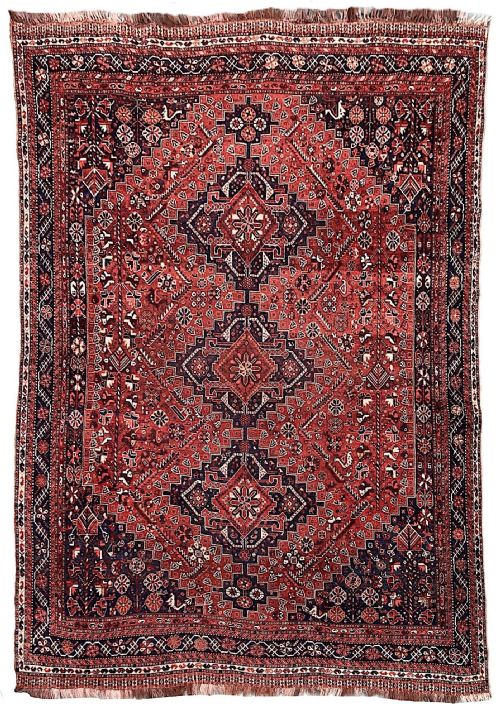


Large Navy Area Rug
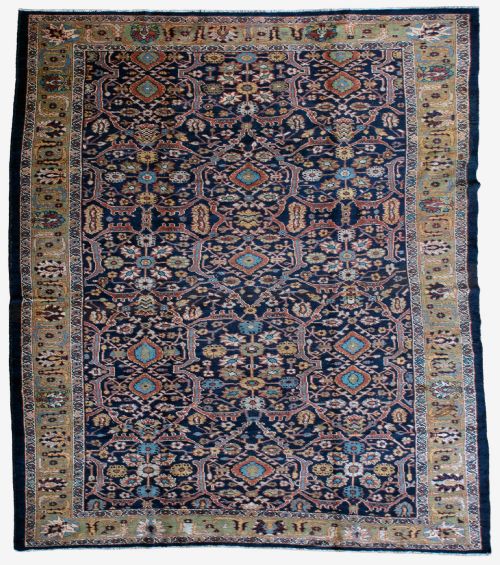
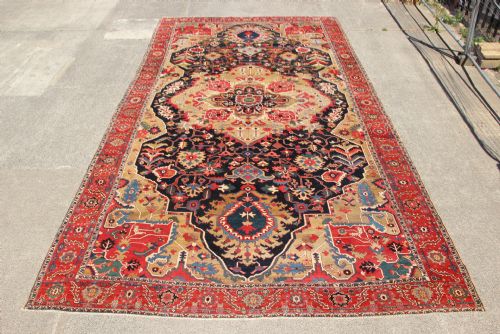
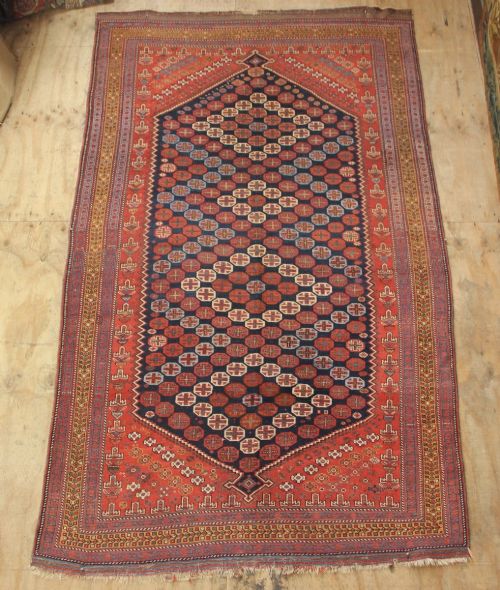
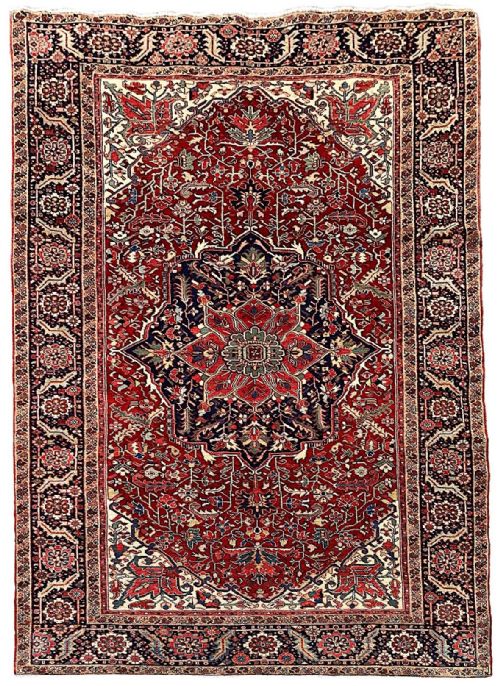
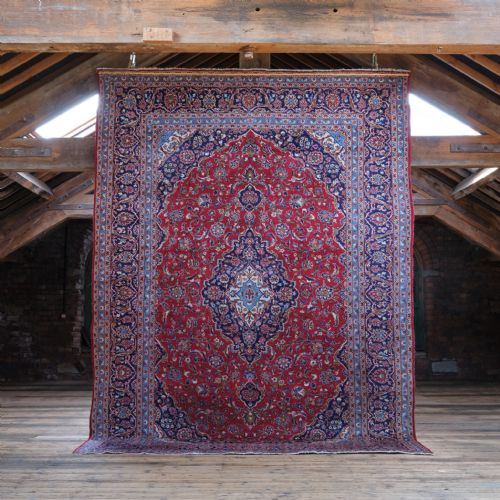
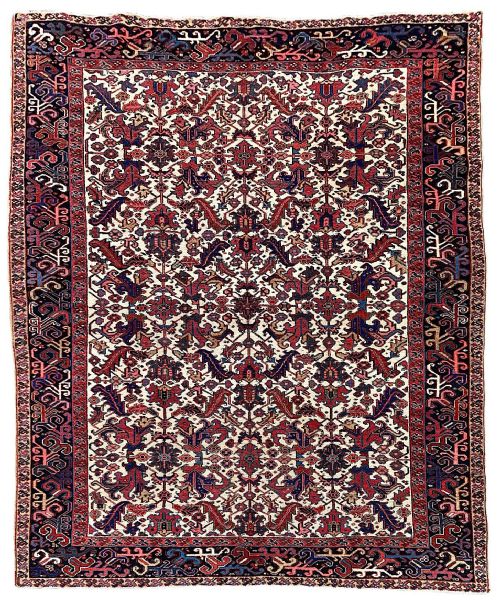
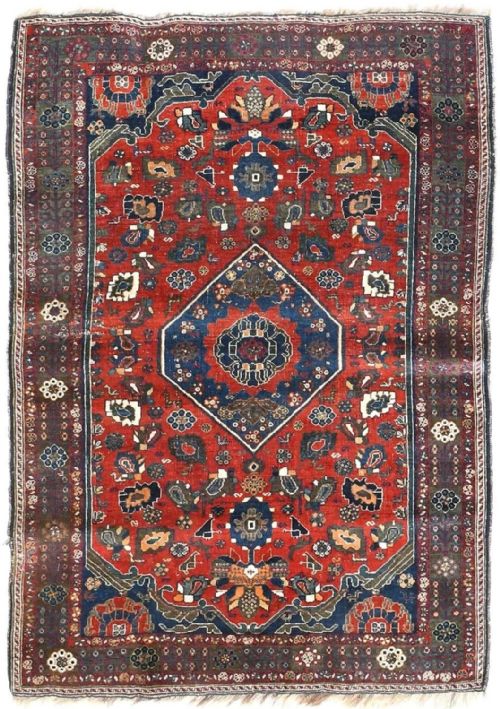
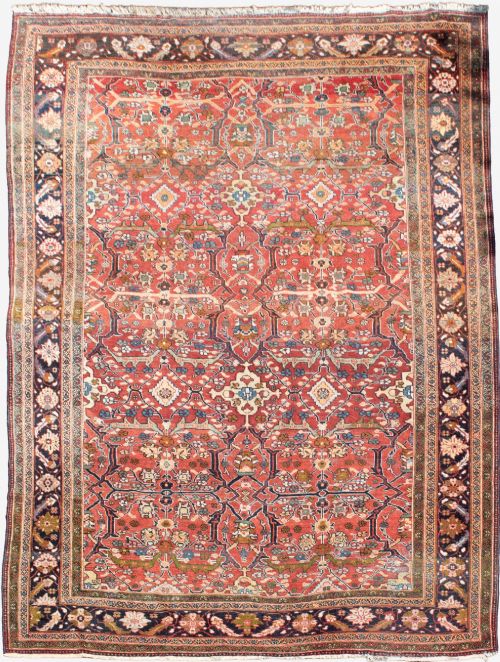
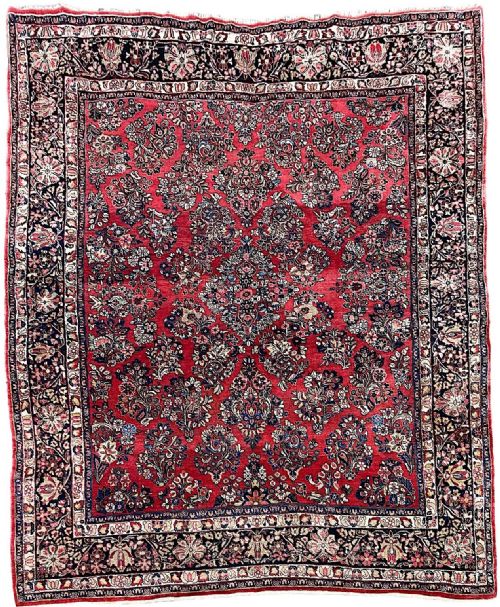
A large navy area rug anchors a room with deep indigo fields and intricate Persian knotwork dating from the nineteenth and early twentieth centuries.
Large Navy Area Rug
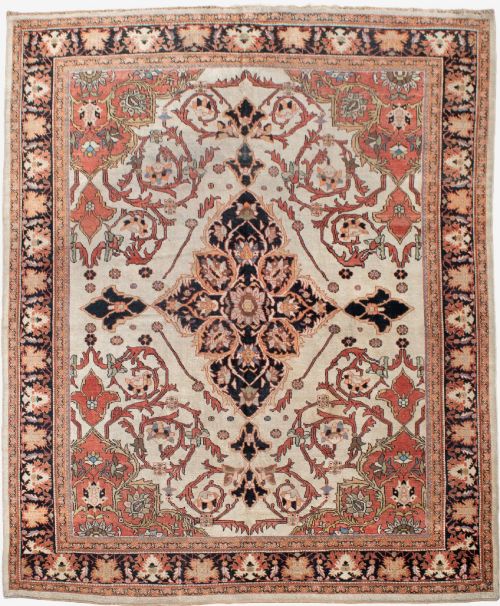
A large navy area rug encompasses substantial hand-knotted Persian carpets originating from historic weaving centres such as Heriz, Mahal, Tabriz, and Kirman. These room-sized floor coverings typically display dark blue central grounds contrasted with geometric medallions or elaborate all-over botanical motifs.
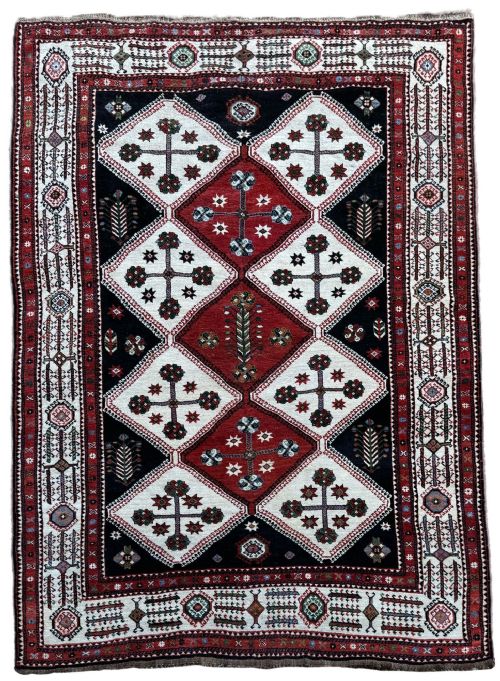
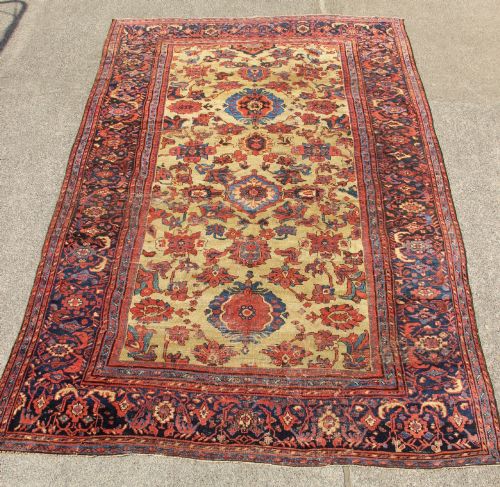
Buyers seeking this phrase encounter room-filling formats woven in village workshops and city manufactories across Persia during the late nineteenth and early twentieth centuries. The selection leans heavily towards Heriz and Mahal carpets, alongside tribal pieces from Afshar, Bakhtiar, and Qashqai weavers.
The enduring appeal of these carpets lies in their robust scale and saturated navy palettes, which naturally ground grand living spaces and dining rooms. Each piece represents decades of traditional hand-knotting traditions handed down through generations of Persian artisans.
What varies in quality
Knot density and structural integrity distinguish the finest workshop productions from simpler village weaves. Tighter knotting allows for sharper delineation in medallion outlines and floral scrolls.
The condition of the wool pile and the uniformity of the foundation dictate longevity. Even wear across the surface indicates balanced usage, while original side cordings and secured ends preserve the structural borders of the carpet.
Woven entirely by hand, many older carpets subtly shift in width from top to bottom as different family members took turns at the loom.
The Large Navy Area Rug Glossary
- Medallion
- A large central ornamental design motif placed in the middle of the carpet field. It usually takes a symmetrical geometric or floral shape.
- Warp
- The vertical foundation threads stretched tightly on the loom before knotting begins. Cotton supplies the primary foundation strength for these carpets.
- Weft
- The horizontal threads passed alternately over and under the warp strands to lock the rows of knots in place. Proper beat-down of the weft creates a firm, stable textile.
- Pile
- The upright cut ends of the knotted wool yarn that form the usable surface of the rug. Deeper pile provides greater underfoot cushioning.
- Heriz
- A style of Persian carpet originating from the mountains of northwest Iran, known for bold geometric medallions and robust structural integrity. These regional pieces often feature dominant navy fields.
Large Navy Area Rug: Frequently Asked Questions
How do I style a large navy area rug?
Place the rug centrally in a living room or beneath a dining table, ensuring enough surrounding floorboards remain visible to frame the piece.
Pair the dark indigo tones with neutral furnishings and natural wood floors to let the intricate central medallions stand out.
What periods do these carpets come from?
The pieces available originate primarily from the late nineteenth century and the early decades of the twentieth century.
Production dates span from the eighteen-fifties through to the nineteen-forties, covering both tribal village outputs and formal city workshop carpets.
Are wool and cotton the only materials used?
Wool forms the soft pile surfaces of these carpets, while cotton provides the strong foundational warp and weft threads.
This pairing ensures the rugs remain flexible yet robust enough to lie flat across large floor areas.
How do I tell different Persian carpet styles apart?
Heriz and Serapi carpets typically display bold, rectilinear geometry with prominent central medallions and strong angular lines. Tabriz and Kirman pieces often feature finer curvilinear floral sprays and intricate all-over botanical designs.