







Large Metal Vase
A large metal vase holds floral displays or stands alone as a striking architectural focal point in a room.
Large Metal Vase
A large metal vase serves as a prominent decorative vessel, often taking the form of amphorae, baluster bodies, campana urns, or garden temple vessels. When exploring this selection, buyers encounter substantial pieces originating primarily from nineteenth-century Japanese Meiji workshops, Chinese dynasties, and European foundries.
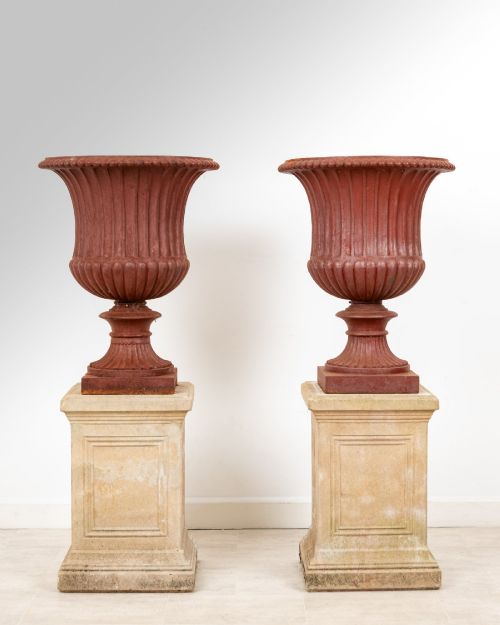
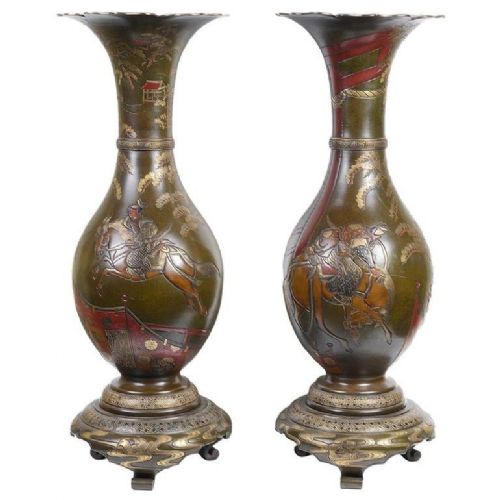
Forms range from slender Japanese bronze tsubo vases and mixed metal creations to heavy French cast iron garden urns and cloisonné enamel palace vases. These objects function as interior statement pieces or monumental garden ornaments designed to command attention in a grand space.
Materials and Construction Techniques
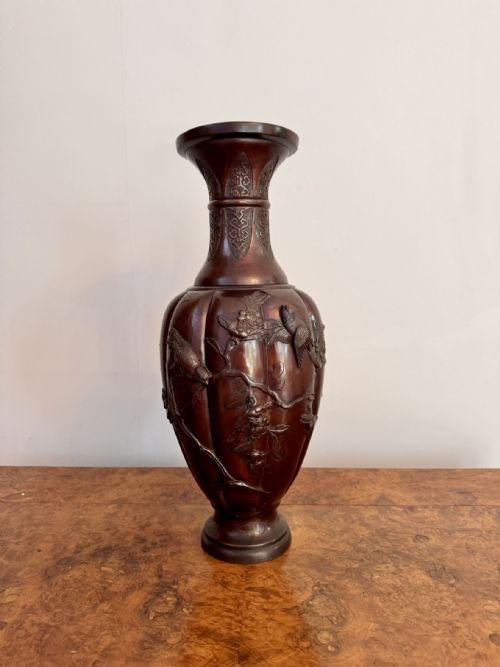
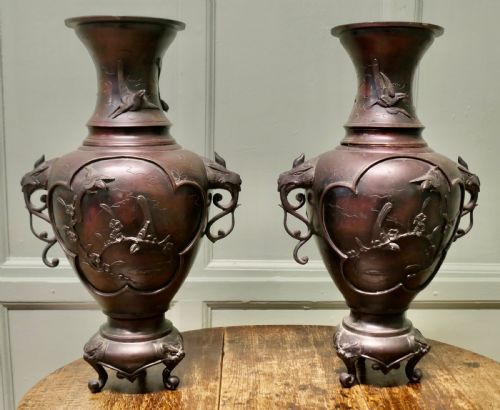
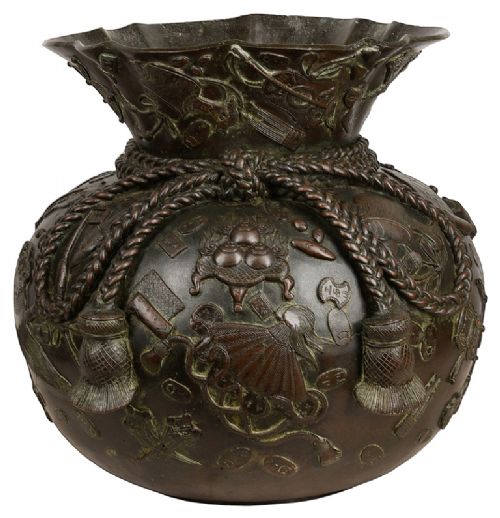
Artisans utilised bronze, brass, copper, and cast iron, frequently employing lost-wax casting or heavy plate construction to achieve substantial weight and structural integrity. Many pieces incorporate patinated surfaces, gilt finishes, or mixed metal applications to create depth and textural contrast.
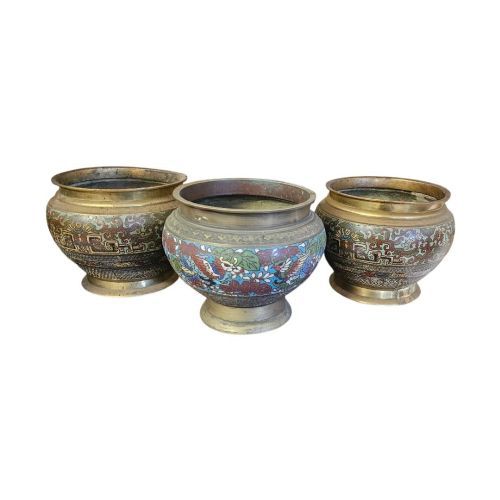
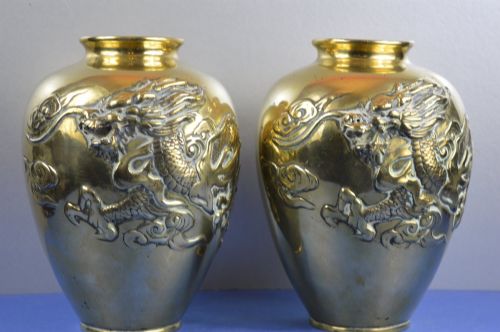
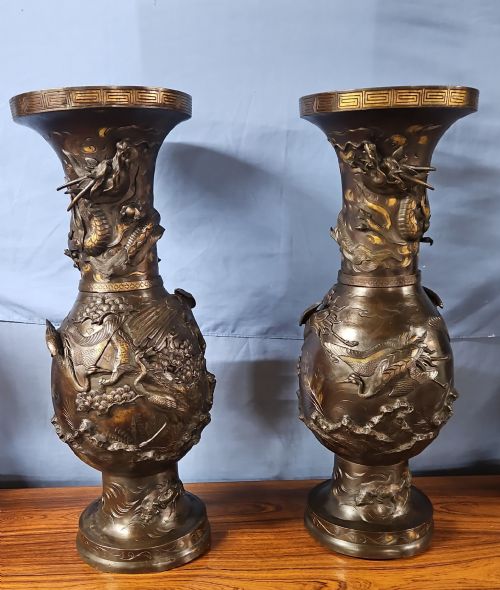
Enamelling techniques such as cloisonné and champlevé fuse vitreous glass pastes within wire compartments or recessed channels across the metal body. High-relief casting and applied decorative motifs depict figures like Daoist immortals, dragons, and phoenixes with meticulous precision.
Large Metal Vase Retail Price Guide 2026
Typical asking prices for large metal vase among the pieces listed under this phrase on Sellingantiques today, from the lower quarter to the upper quarter. They describe what is for sale here now, not the wider market.
Listings feature heavy bronze, copper, and cast iron pieces spanning the Victorian era, the Meiji period, and the late nineteenth century.
Evaluating Craftsmanship and Detail
Quality reveals itself in the crispness of chased details, the stability of heavy bases, and the complexity of surface ornamentation such as high-relief modelling or intricate enamel work. Superior examples display balanced proportions and deliberate patination that enhance the underlying metal alloy rather than concealing it.
The weight of the vessel, the precision of cast or applied maker and foundry marks, and the integrity of joined handles or pedestals distinguish masterwork productions from simpler decorative items.
The Large Metal Vase Glossary
- Patinated Bronze
- Bronze treated with chemical solutions or heat to produce a stable, decorative surface colour. This process protects the metal while adding antique character.
- Cloisonne Enamel
- A technique where flat metal wires are soldered to a metal base to form cells that are filled with enamel paste and fired. The resulting surface presents vibrant coloured designs.
- Campana Urn
- A classical bell-shaped vessel with a flared rim, a deep body, and a footed base. Originating in antiquity, these garden and tabletop urns were revived during the nineteenth century.
- Usubata
- A traditional Japanese bronze vessel specifically designed for arranging flowers, featuring a wide upper basin and a distinct flanged collar. These pieces often stand on prominent pedestals in temple or domestic settings.
Large Metal Vase: Frequently Asked Questions
Where should I place a large metal vase?
These substantial vessels suit entrance hallways, large living spaces, or garden terraces where their scale commands the room. Placing them directly on the floor, stone pedestals, or sturdy wooden tables allows their height and weight to anchor the interior design.
Heavier cast iron and bronze garden urns perform well in exterior environments, while delicate cloisonné or patinated bronze pieces require sheltered indoor positions away from extreme weather fluctuations.
How do I clean an antique bronze vase?
Dusting gently with a dry, soft microfiber cloth prevents the accumulation of dirt without disturbing the historical surface. Avoid commercial metal polishes, abrasive pads, or liquid cleaners that strip away valuable patination and antique finishes.
If the piece requires deeper attention, consult a professional conservator who understands nineteenth-century metal alloys and applied patinas. Preserving the original surface skin remains essential for maintaining historical integrity.
Can I use these vases for fresh flowers?
Many large metal vessels were created purely as decorative ornaments, urns, or ritual objects rather than water-holding flower containers. Inserting a modern waterproof liner or a smaller glass vessel inside prevents moisture from coming into direct contact with antique interior walls.
Constant exposure to stagnant water can corrode historical bronze, copper, or iron interiors and damage delicate base seams. Using internal protection lets you display fresh stems safely without risking the metal structure.
How do I identify the Meiji period?
The Meiji period spans from eighteen sixty-eight to nineteen twelve, a time when Japanese metalworkers produced exceptional bronze, brass, and mixed metal decorative arts for international exhibitions. Pieces from this era frequently feature signature panels, complex high-relief animal or mythical motifs, and refined patination.
Comparing stylistic cues, casting weights, and baseline construction methods helps separate these distinct late nineteenth-century Asian works from European revivals of the same era.