
Large Metal Planter
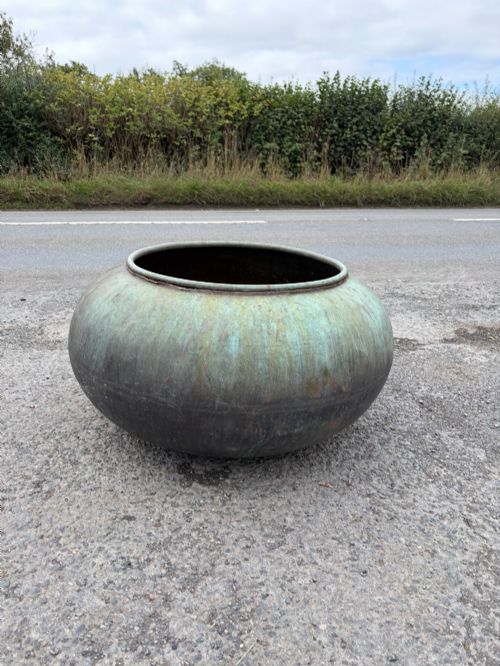
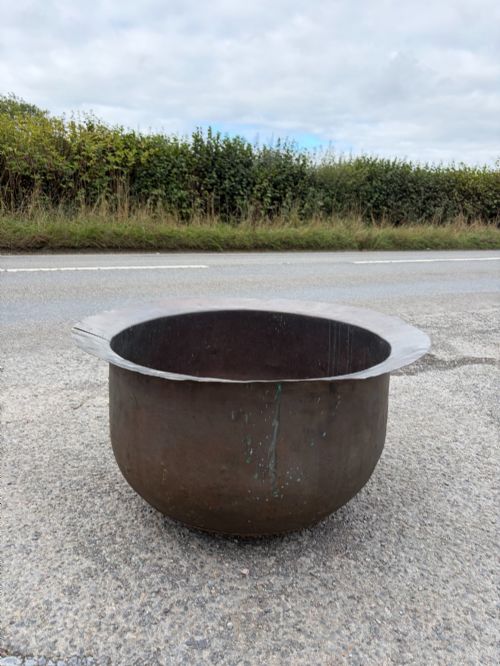
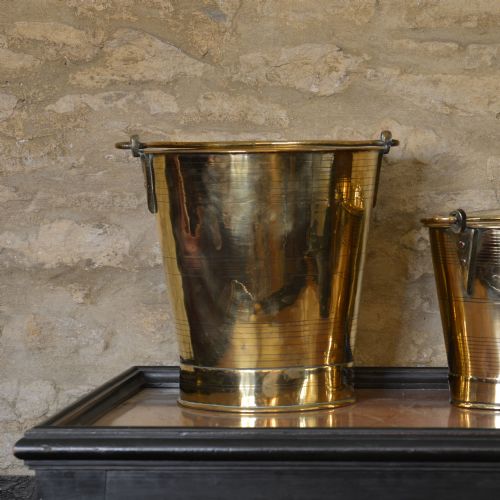
These large metal planter vessels are solid copper, brass, and iron containers used for display, and you will find nineteenth-century examples here.
Large Metal Planter
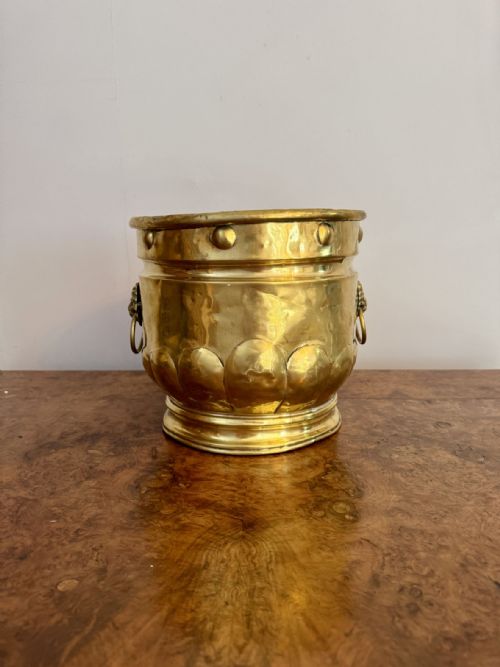
When you search for a large metal planter, you look at heavy utilitarian vessels adapted from domestic and garden use. The records show nineteenth-century copper pots, brass jardinieres, and cast iron garden urns dominating the selection.
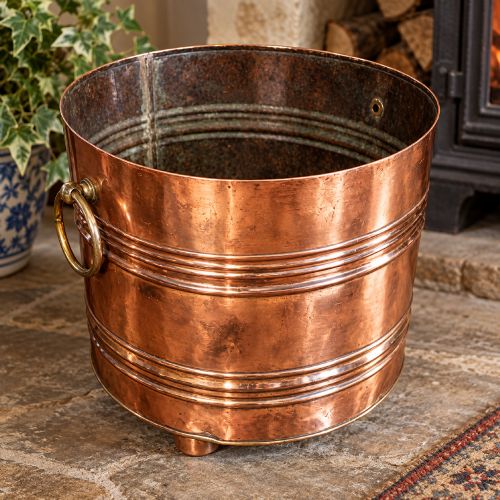
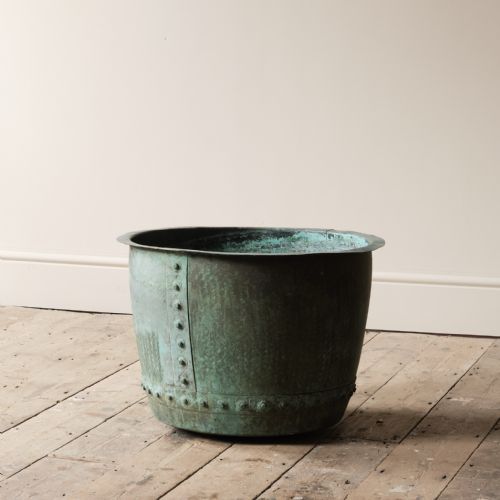
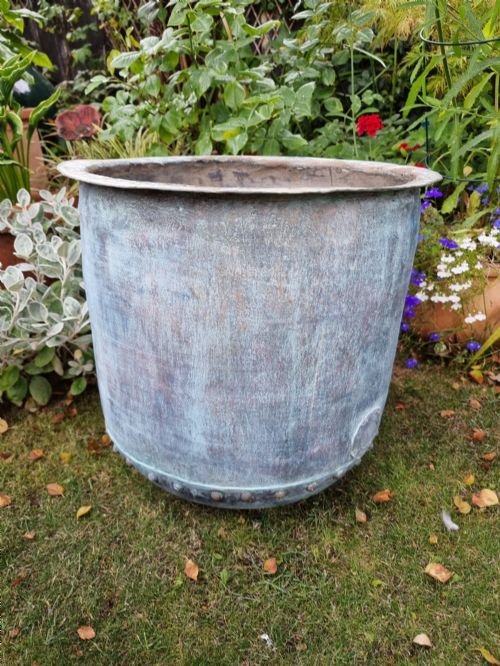
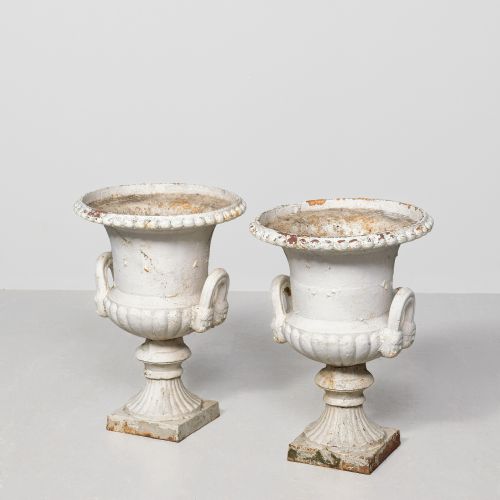
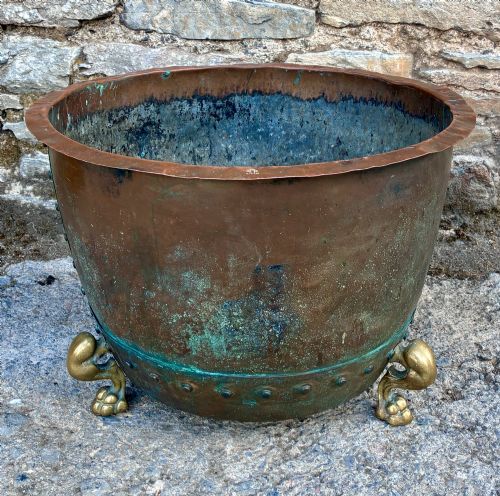
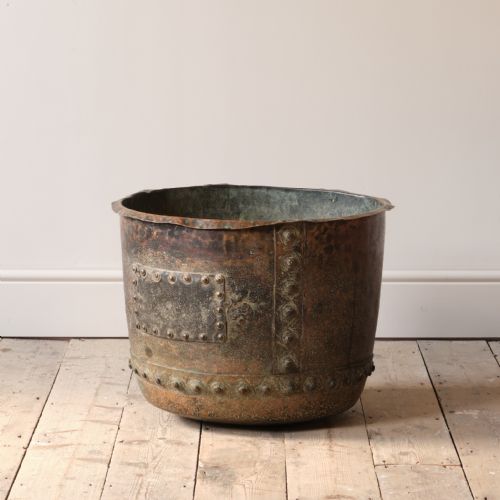
You frequently encounter nineteenth-century copper vessels, such as log bins, wash tubs, and riveted coal buckets, alongside heavy cast iron garden urns and campana vases. These objects span Georgian, Victorian, and French provincial styles.
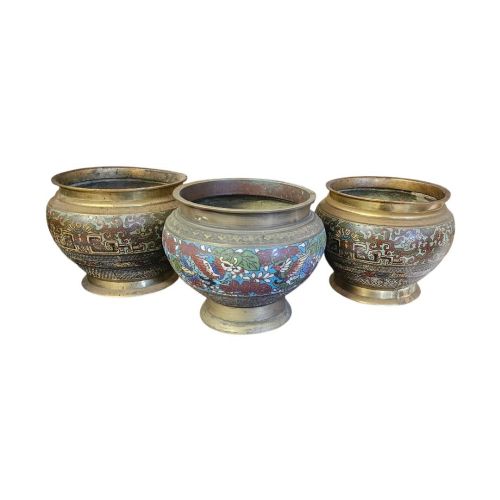
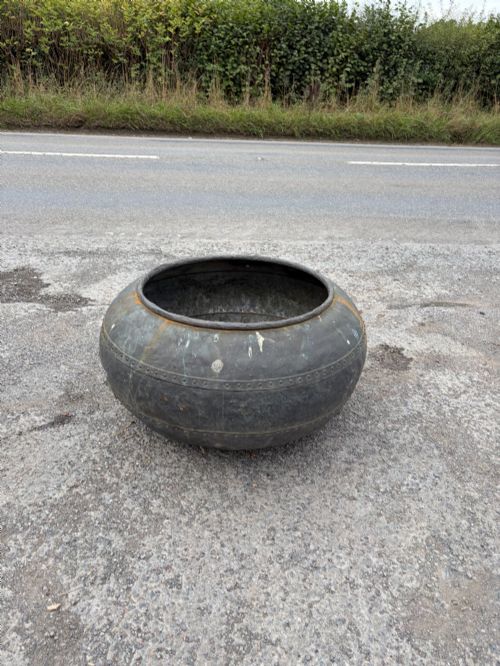
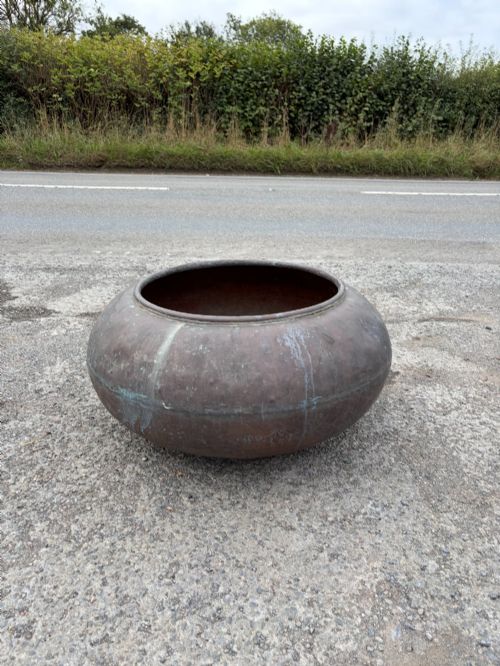
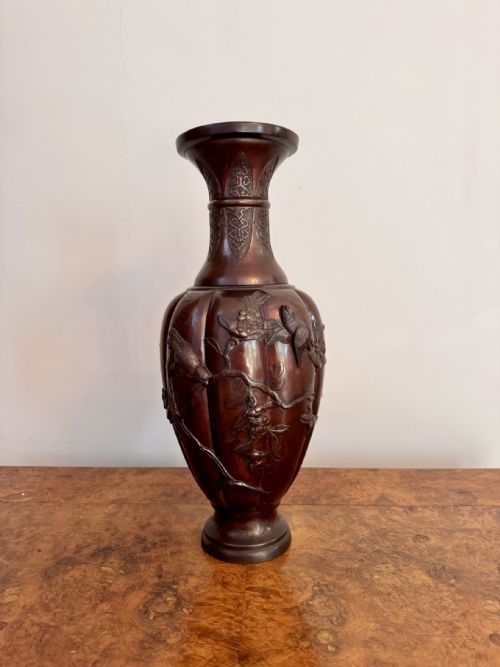
Beyond traditional planters, the listings include specialised forms like copper cheese vats, grain measures, fish kettles, and Chinese bronze bowls repurposed for modern planting. The grouping brings together utilitarian metalware from diverse workshops and periods.
Materials and Construction Techniques
The objects are primarily hammered or cast from copper, brass, and iron, utilising sheet metal joined with hand-formed rivets or heavy casting methods. Copper items display visible riveted seams and wrought iron handles, reflecting robust nineteenth-century fabrication.
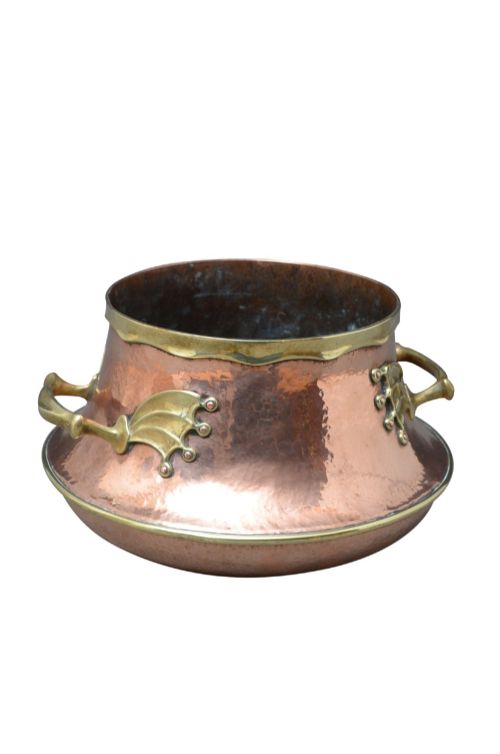
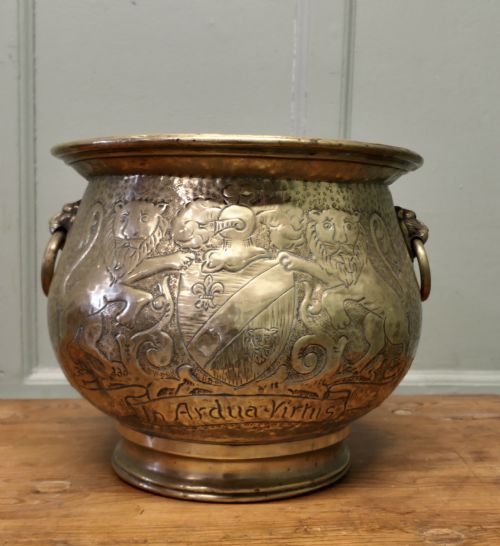
Cast iron and bronze pieces involve traditional foundry work, producing thick-walled garden urns, mortars, and campana shapes with distinct surface textures. Makers utilised brass and copper sheets beaten to shape, sometimes incorporating applied crests, shields, or engraved script.
Listings feature 19th-century copper pots, brass jardinieres, and cast iron garden urns spanning Victorian, Georgian, and French provincial styles.
Factors Distinguishing Quality
Quality rests in the integrity of the metalwork, the weight of the casting, and the honesty of the surface wear. Thicker copper walls, hand-driven rivets, and substantial wrought iron mounts separate high-grade vessels from lighter industrial containers.
The presence of natural patination, verdigris, and untouched surfaces elevates a piece above stripped or over-polished metal. Fine detailing, such as crisp armorial crests, cast inscriptions, or balanced proportions on campana urns, marks superior manufacture.
The Large Metal Planter Glossary
- Campana urn
- A bell-shaped garden vessel with a flared rim, often mounted on a pedestal base. These cast iron pieces were popular in nineteenth-century garden design.
- Jardiniere
- An ornamental pot or stand designed to hold growing plants or flowers. They appear in brass and copper, frequently featuring decorative embossing or handles.
- Verdigris
- A green patina formed naturally on copper, brass, or bronze through atmospheric weathering and oxidation. Collectors prize this surface for its visual depth.
- Patina
- The surface appearance acquired by metal through age, use, and oxidation. Good examples show undisturbed tones developed over centuries.
- Riveted
- Joined securely by metal bolts hammered flat at the ends. Hand-riveted copper seams indicate traditional nineteenth-century construction methods.
Large Metal Planter: Frequently Asked Questions
What were these metal vessels originally used for?
Many of these objects served practical domestic or agricultural functions before becoming planters. Examples include copper wash tubs, cheese vats, coal bins, and grain measures.
Other items were designed specifically for gardens, such as cast iron campana urns and bronze bowls. Their sturdy construction made them ideal for holding heavy contents and withstanding outdoor elements.
How do I date a copper or brass planter?
Dating relies on examining construction methods, such as hand-driven rivets, seam types, and tool marks on the metal sheets. Nineteenth-century pieces typically display heavier gauges of copper and distinct hand-beaten textures.
Stylistic clues like Victorian crests, Georgian proportions, or specific foundry marks also help determine the period. Comparing the surface wear and patination offers further confirmation of age.
Can I use these metal planters outdoors?
Cast iron and bronze urns are built to endure outdoor garden conditions year-round. Their heavy weight and robust metal composition resist weathering effectively.
Copper and brass vessels can also be placed outside, though they will continue to develop verdigris when exposed to moisture. Many buyers use them indoors as log bins or decorative pots to protect the metal.
How should I clean an antique metal planter?
Most collectors prefer to leave the natural patina and verdigris intact, as excessive cleaning removes the aged character of the metal. Gentle washing with warm water and mild soap removes surface dust safely.
Harsh chemical polishes should be avoided on nineteenth-century copper and brass because they strip away the historic surface. A simple wipe with a soft cloth preserves the integrity of the material.