
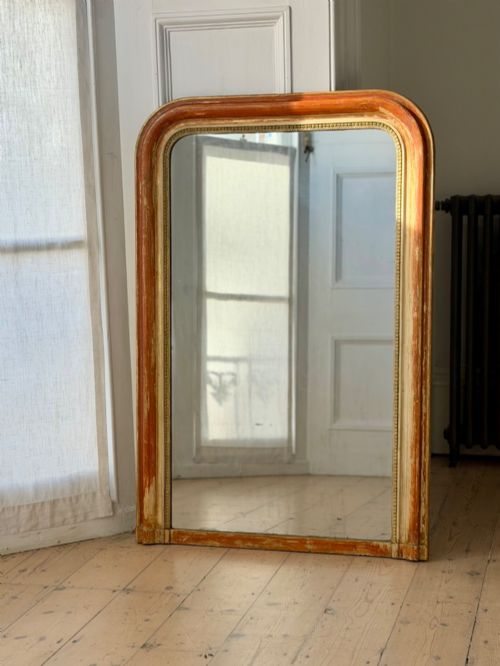
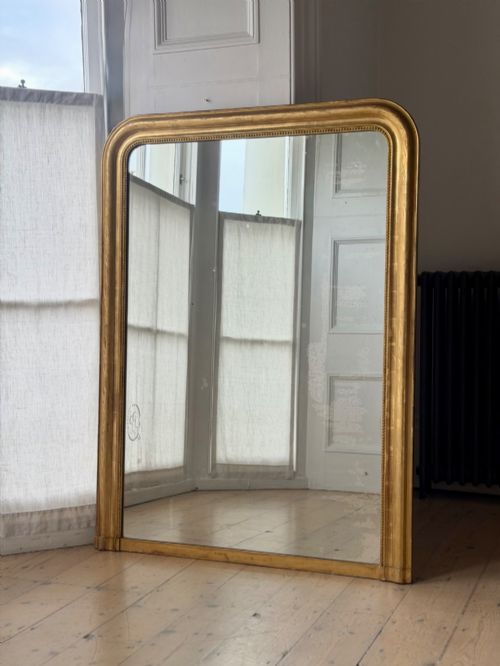
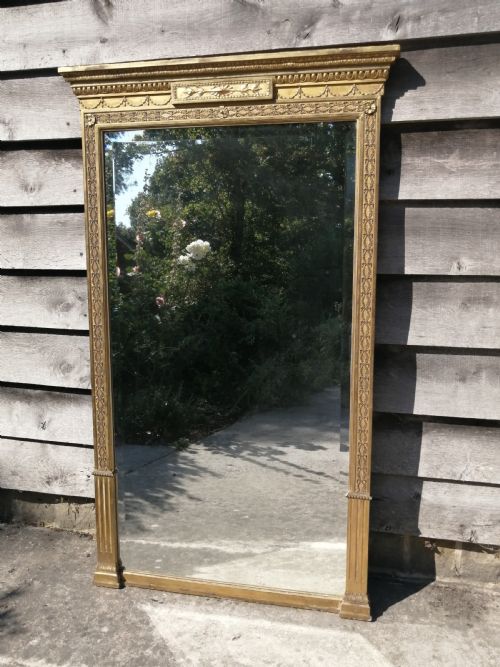
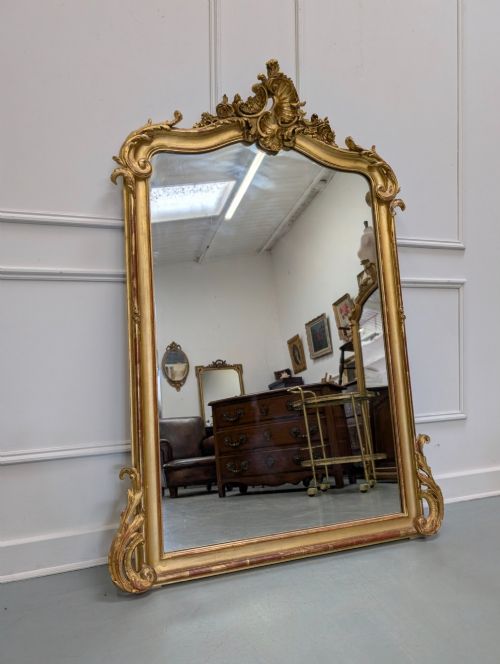

Large Gilt Overmantel Glass
A large gilt overmantel glass commands a fireplace wall, reflecting light and proportion across a reception room with undeniable historical presence.
Large Gilt Overmantel Glass
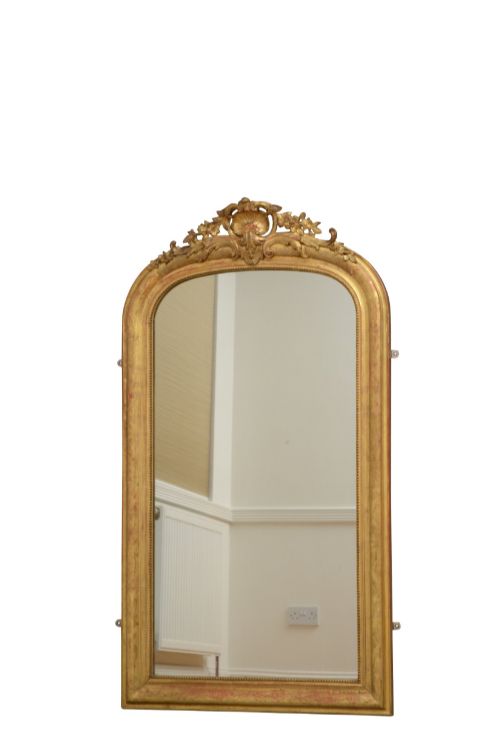
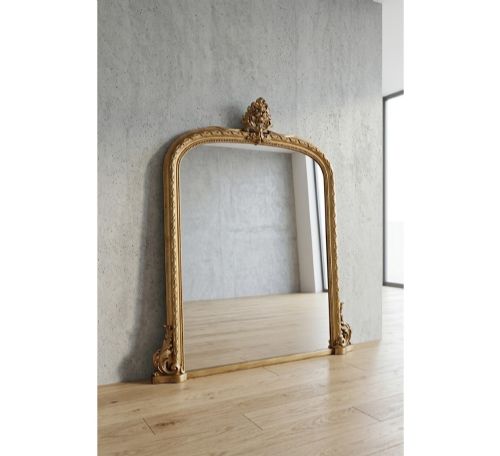
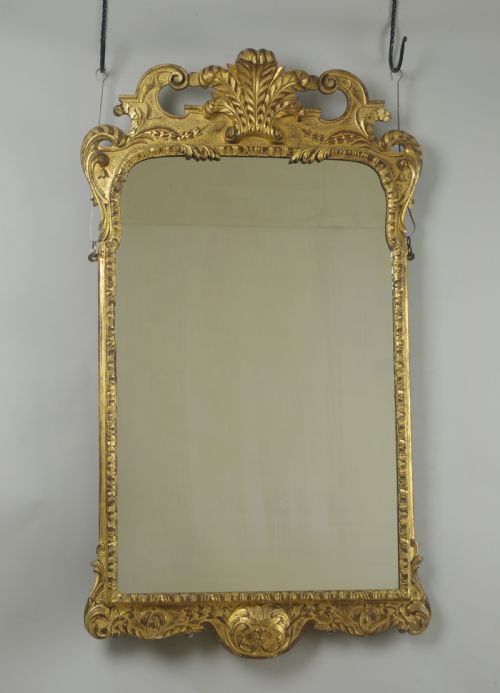
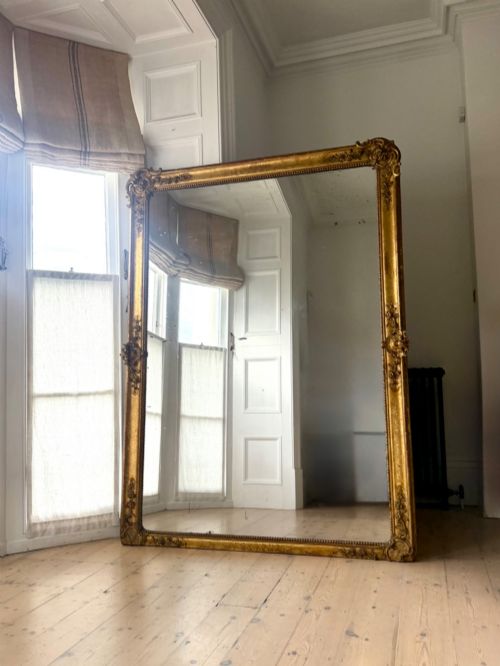
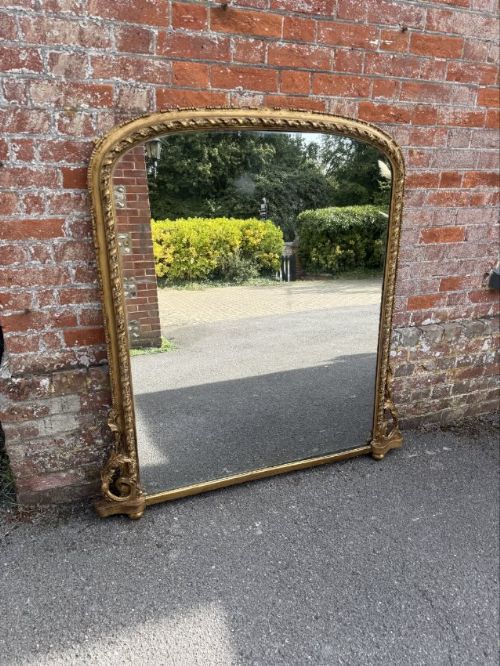
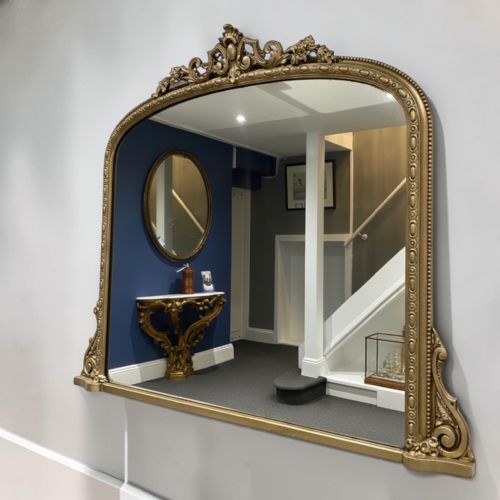
A large gilt overmantel glass serves as a principal architectural feature designed specifically to sit above a mantelpiece. These substantial looking-glasses span several decades of the eighteenth and nineteenth centuries, emerging in Regency, Victorian, and French stylistic vocabularies.
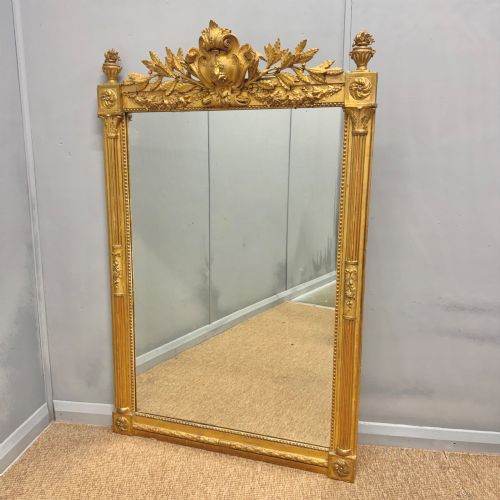
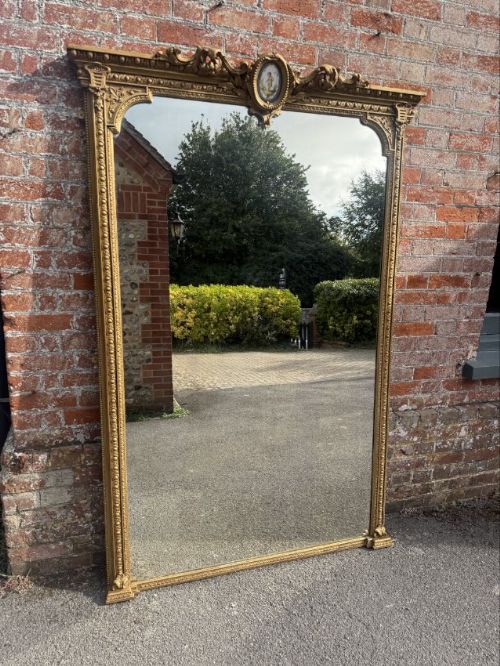
The buyer meets arched top formats, shaped top frames, and rectangular pier mirrors intended to anchor high-ceilinged rooms. English and French workshops produced these pieces using carved timber foundations shaped to reflect changing aesthetic tastes.
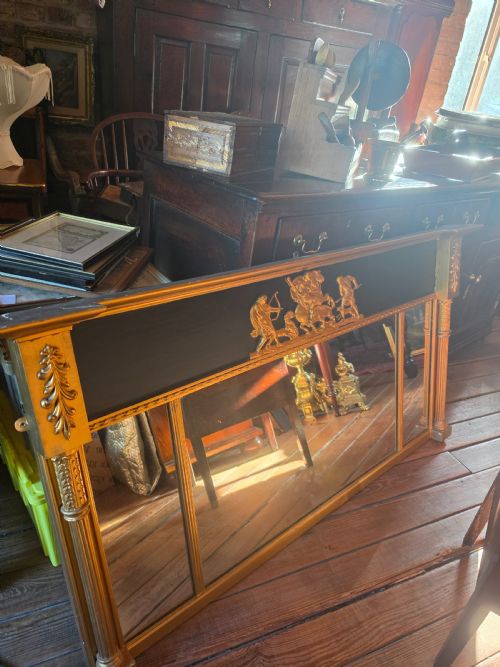
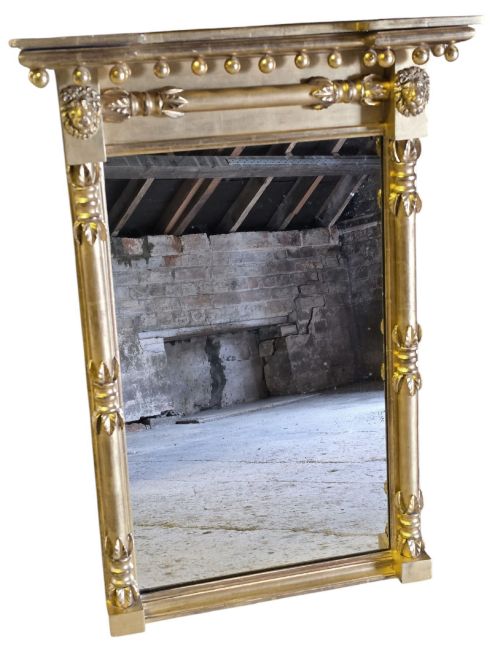
Victorian and Regency examples dominate the selection, often featuring tripartite plates or decorated cornices designed to maximise interior luminosity. Each object balances utility with grand decorative ambition, serving simultaneously as a functional mirror and a sculptural wall focal point.
Materials and Construction
Carved wood provides the primary structural framework, overlaid with gesso and composition ornament to build intricate relief details. Gilding techniques apply gold leaf or lesser metallic finishes across rope twist, ribbed, and classical motifs.
Mirror glass plates, including mercury glass variants, sit within these heavy frames, occasionally accompanied by verre eglomise panels or oil paintings. Traditional joinery secures the substantial weight of the timber and glass assembly for wall hanging or mantel placement.
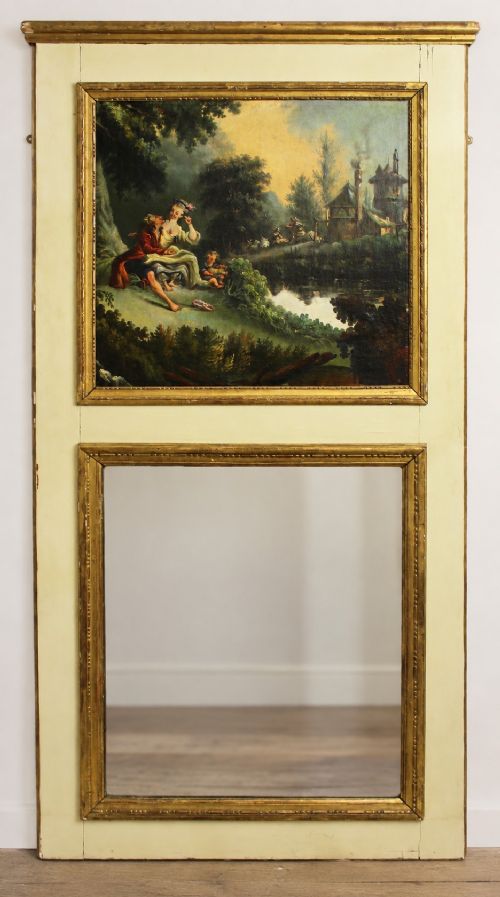
Several mirrors share wall space with pastoral oil paintings and painted ribbed frames, proving that nineteenth century rooms enjoyed a touch of pastoral romance.
Distinctions in Quality
Depth and crispness of the carved wood and gesso ornamentation separate standard production from exceptional examples. Hand-carved elements display sharper undercut details and superior definition compared to moulded composition substitutes.
Originality of the glass plate and surface gilding dictates the integrity of the piece. Surviving mercury glass with natural foxing retains historical depth, whereas replaced plates alter the visual resonance of the object.
The Large Gilt Overmantel Glass Glossary
- Gesso
- A plaster-like mixture applied to wood frames to create a smooth surface for subsequent gilding. Artisans carve intricate relief patterns directly into this hardened compound.
- Mercury glass
- A double-walled blown glass type containing a silvering mixture inserted through a pontil hole. This historical technique produces characteristic speckling known as foxing.
- Overmantel
- A mirror or painting specifically scaled to hang on the wall directly above a fireplace mantel. These pieces relate directly to the architectural proportions of the hearth below them.
- Verre eglomise
- A cold decoration technique involving the application of gold or silver leaf to glass, then etched and painted from the reverse side. It frequently appears in upper panels of Regency pier glasses.
- Composition
- A moulded mixture of whiting, resin, glue, and oil pressed into ornament strips. Workshops used this material to replicate elaborate carvings more quickly than direct hand-chiselling.
Large Gilt Overmantel Glass: Frequently Asked Questions
What is foxed glass and should I avoid it?
Foxing refers to the natural oxidation and deterioration of the backing material behind older mirror plates, creating dark spots and ethereal speckles. Collectors prize this characteristic as proof of age and authenticity rather than treating it as a defect.
Mirrors with extensive foxing offer a softer reflection that adds historic character to period interiors without obstructing the functional utility of the glass.
How do I tell a Regency mirror from a Victorian one?
Regency frames lean toward classical restraint, incorporating architectural details like reeded columns, ball-studded cornices, and verre eglomise panels. Victorian pieces tend toward heavier, exuberant carved forms including arched tops, rococo scrolls, and ornate gesso decoration.
Examining the underlying timber construction and the style of the gilt ornamentation reveals the manufacturing period of each piece.
Can these mirrors sit directly on a mantel shelf?
Many historical overmantel glasses were engineered to rest their weight directly upon the timber mantelpiece while secured to the wall with safety brackets. This placement style creates a traditional integration between the fireplace surround and the mirror frame.
Ensure the shelf depth and structural strength accommodate the base of the frame before dispensing with wall fixings.