



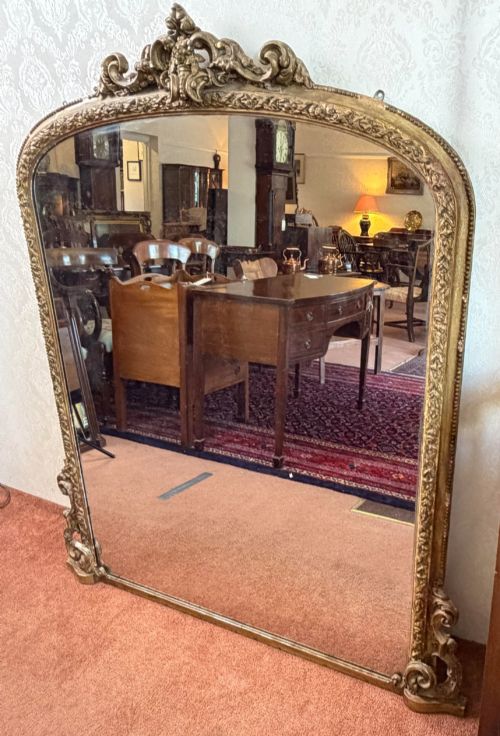
Large Gilded Fireplace Mirror
A large gilded fireplace mirror brings scale and reflected light to a room, functioning primarily as an overmantel piece designed to sit above a mantelpiece.
Large Gilded Fireplace Mirror
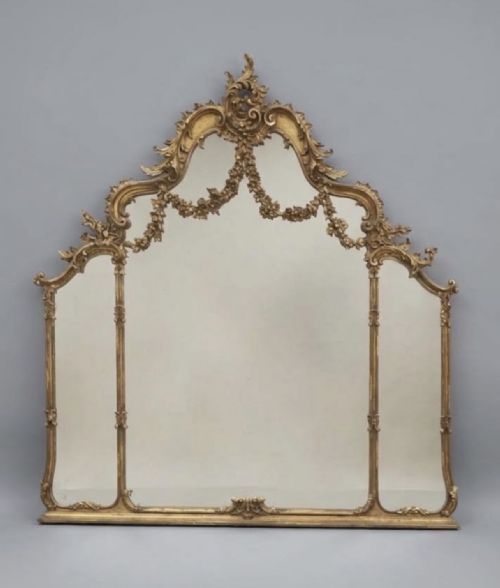
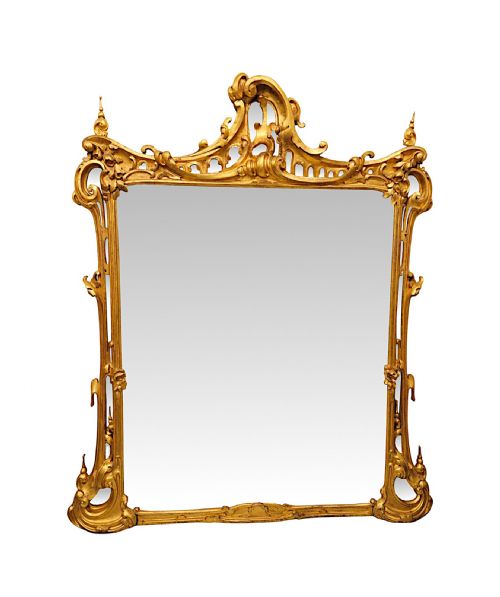
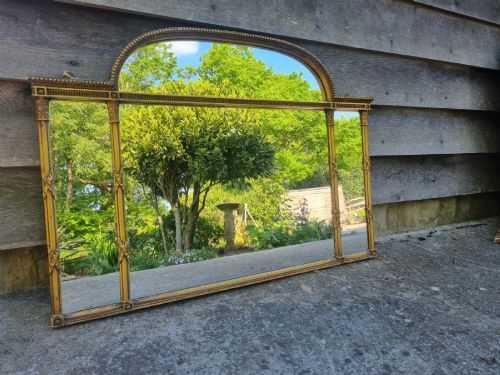
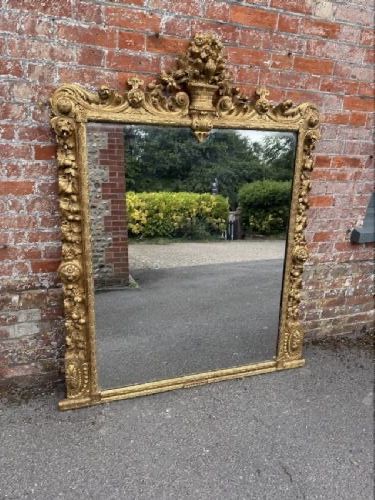
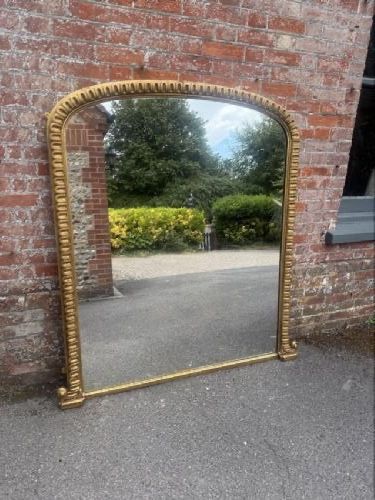
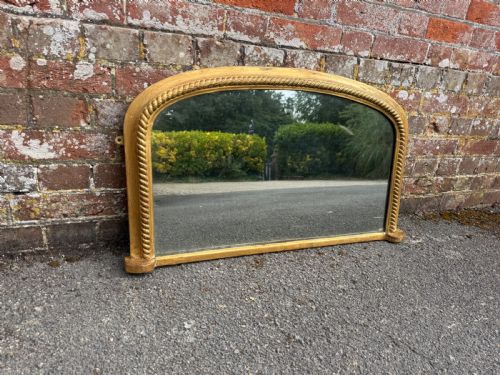
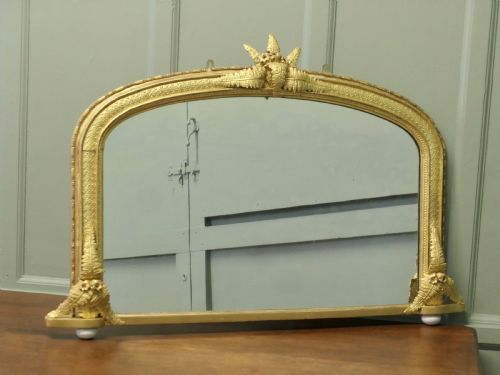
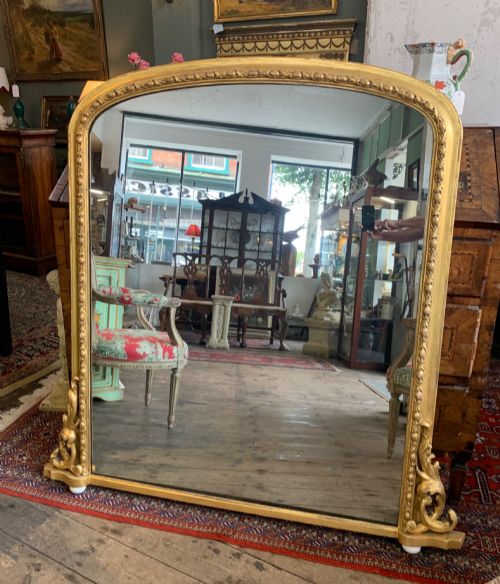
A large gilded fireplace mirror is principally encountered as an overmantel mirror designed to occupy the substantial wall space directly above a hearth. These pieces are predominantly British and French in origin, spanning the nineteenth century from the Regency era through to the late Victorian period, alongside examples from the early twentieth century.
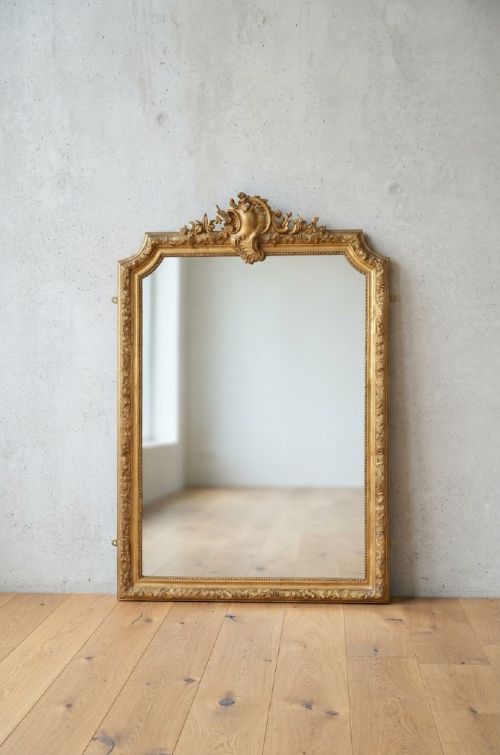
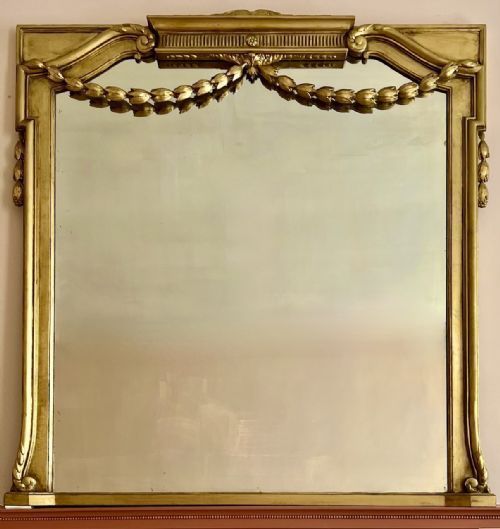
The prevailing form on this page is the overmantel mirror, frequently constructed with an arched or shaped top to echo architectural chimney breasts. Collectors also encounter rectangular wall mirrors and triple plate configurations designed for the same domestic position.
How they were made
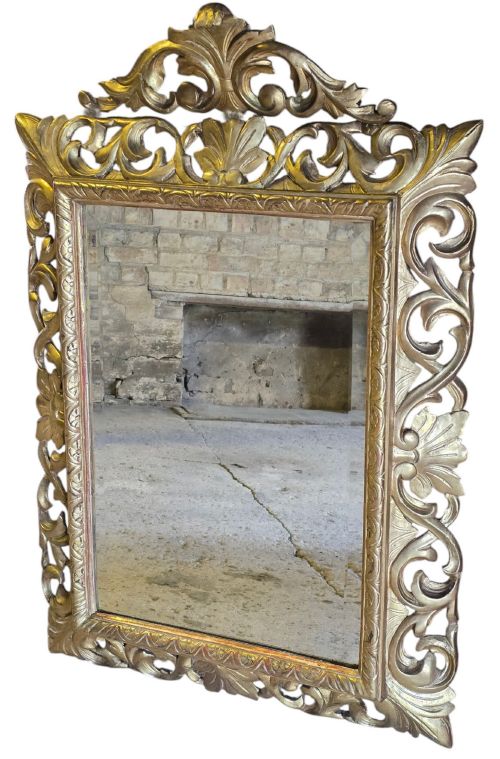
Carved wooden frames form the structural foundation of these pieces, utilising timber substrates overlaid with gesso to receive intricate decorative moulding. Artisans applied gold leaf or gilding to this prepared gesso surface to achieve the characteristic reflective metallic finish.
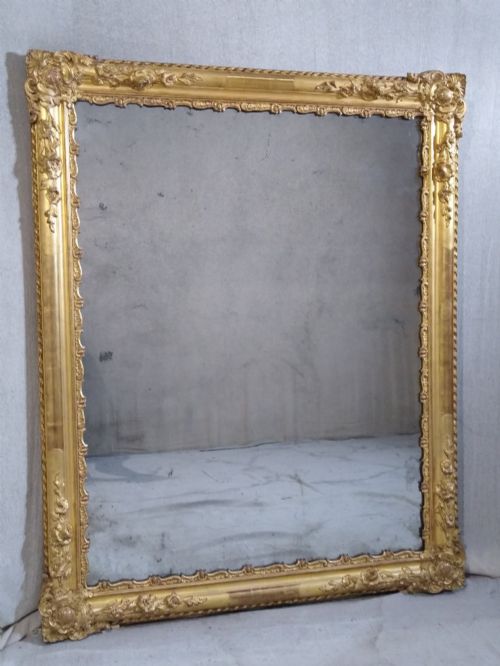
Mirrored glass plates are fitted into the timber rebates, occasionally showing period traits such as light foxing. Frame ornamentation involves carved or composition details, ranging from column framing and rope twists to elaborate rococo scrollwork.
Some nineteenth-century makers incorporated nautical rope twists into their gilt frames, bringing a touch of the high seas to the drawing room.
What varies in quality
The depth and crispness of the carved wood and gesso ornamentation dictate the calibre of the frame, distinguishing sharp hand-carved detail from softer composition mouldings. Superior examples exhibit harmonious proportions between the expansive glass plate and the surrounding gilded architectural elements.
The preservation of the original gold leaf surface significantly influences the standing of a piece, as does the integrity of the structural joints supporting heavy timber frames. Original mirror plates with authentic age characteristics hold distinct appeal compared to modern replacements.
The Large Gilded Fireplace Mirror Glossary
- Gesso
- A plaster-like mixture applied to wooden frame bases to create a smooth surface for gilding. It allows craftsmen to carve intricate relief details before applying gold leaf.
- Giltwood
- Timber that has been coated with gold leaf or metal leaf. This material defines the bright, reflective appearance characteristic of nineteenth-century frames.
- Overmantel
- A large mirror specifically manufactured to hang upon the wall directly above a fireplace mantelpiece. These pieces often feature horizontal proportions or arched tops to suit chimney breasts.
- Foxing
- Age-related spots and discolouration within the silvering of antique mirror glass. This chemical oxidation creates a speckled pattern valued by collectors for authenticity.
- Composition
- A moulded mixture of whiting, resin, oil and glue pressed into decorative shapes for frames. It provided a cost-effective alternative to deep hand-carving during the nineteenth century.
Large Gilded Fireplace Mirror: Frequently Asked Questions
Where should a large gilded fireplace mirror be hung?
These mirrors are traditionally positioned centrally above a fireplace mantelpiece, where their generous scale reflects light across the room and balances the hearth below.
They also function effectively on substantial blank walls in reception rooms, provided the wall structure safely supports the considerable weight of timber and glass.
What is foxed glass on an antique mirror?
Foxing refers to the small dark spots and mottled patches that develop on mirror plates as the backing degrades over decades. This natural oxidation process is a sign of age rather than a structural fault.
Many collectors prefer lightly foxed glass because it confirms the authenticity of the antique mirror plate.
Are these mirrors suitable for modern interiors?
The grand scale and reflective qualities of nineteenth-century overmantel mirrors allow them to anchor contemporary living spaces and amplify natural daylight.
Lean them against a wall for a relaxed aesthetic or mount them securely above a mantel to maintain traditional proportions.