
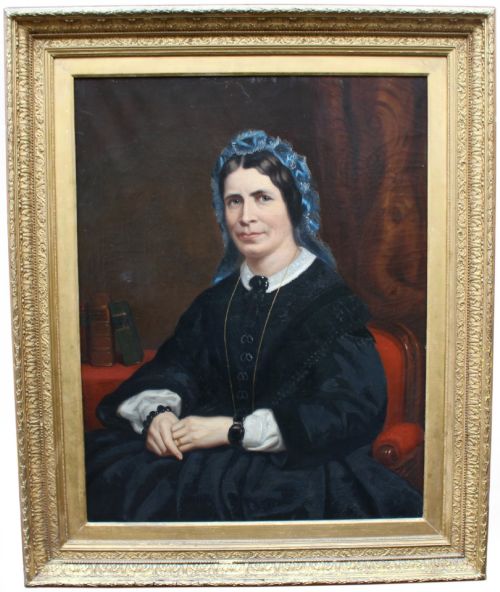
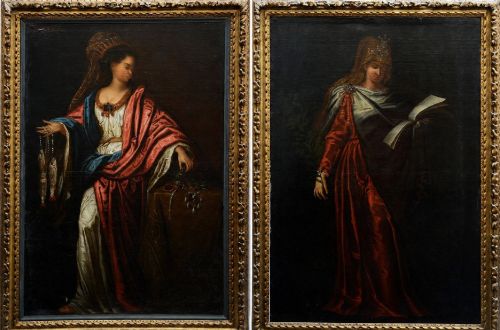
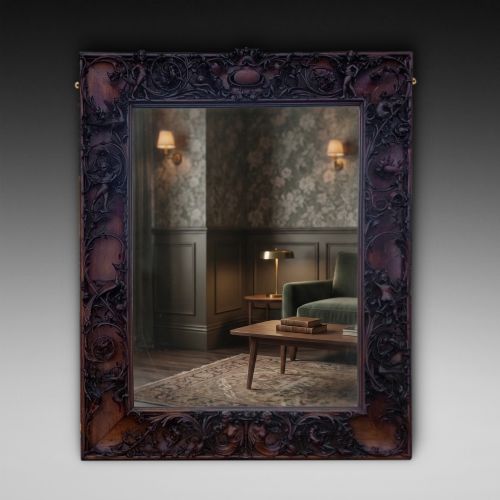
Large Framed Portrait
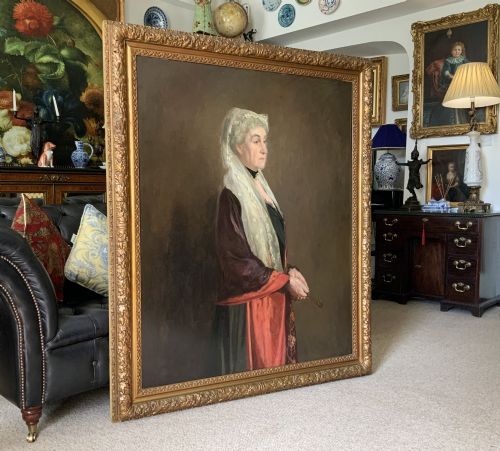
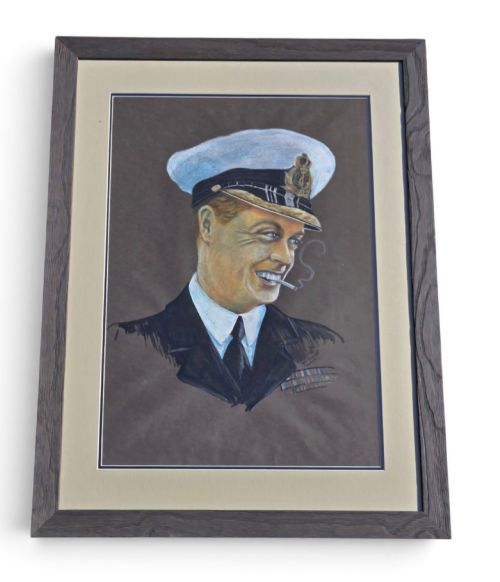
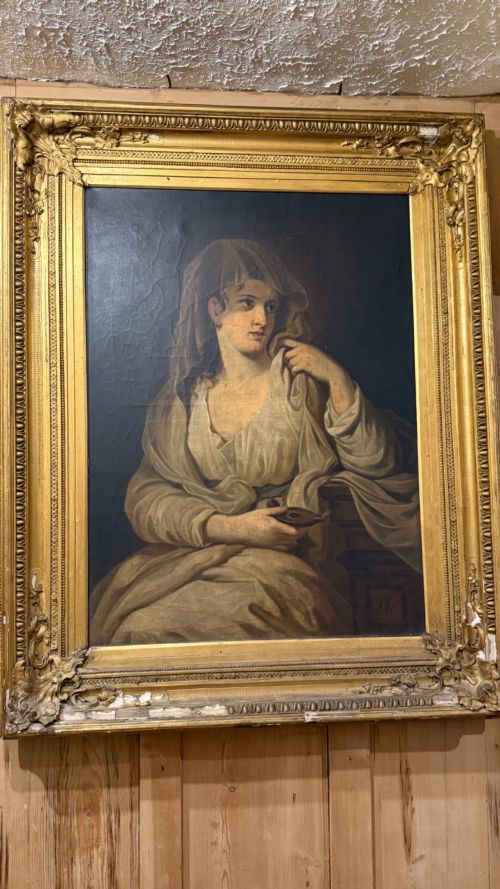
A large framed portrait brings a commanding presence to a room, carrying the weight of past centuries through oil on canvas, pastel, and carved wood.
Large Framed Portrait
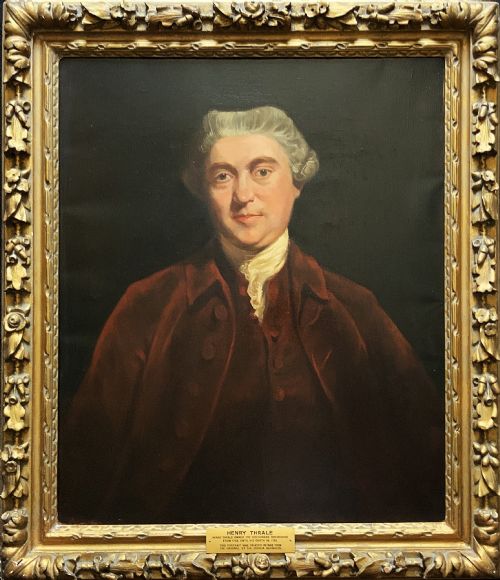
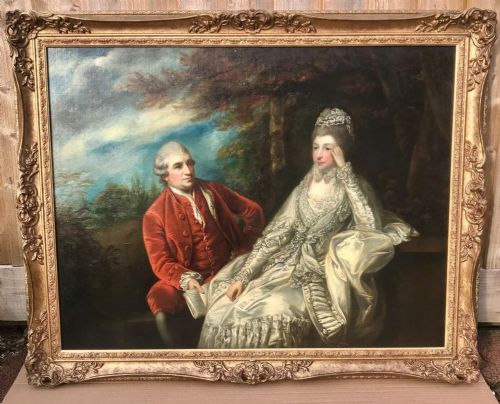
A large framed portrait serves as a dominant focal point in a domestic interior, spanning centuries of artistic output from Georgian subjects to Edwardian studies. You will frequently encounter nineteenth-century oil paintings on canvas alongside pastels and photographic frames in sterling silver.
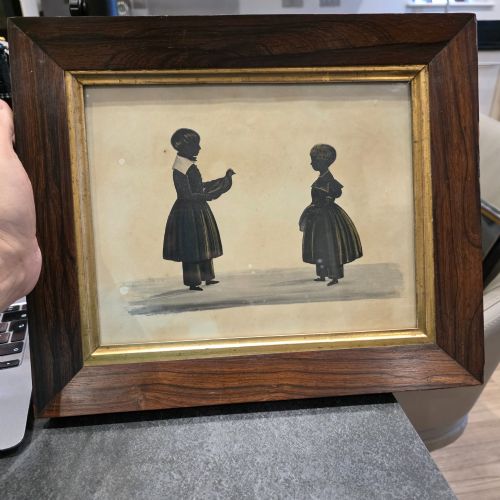
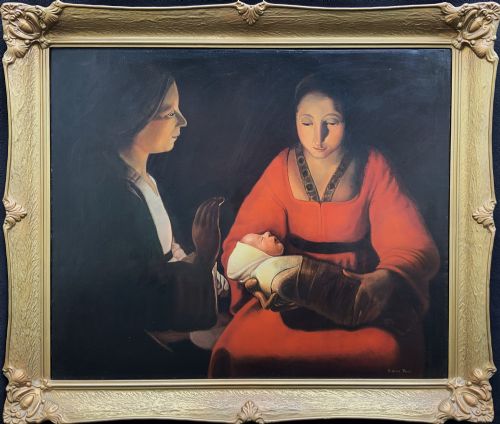
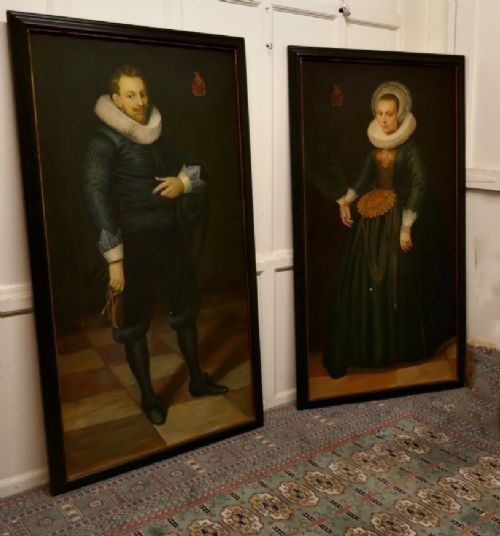
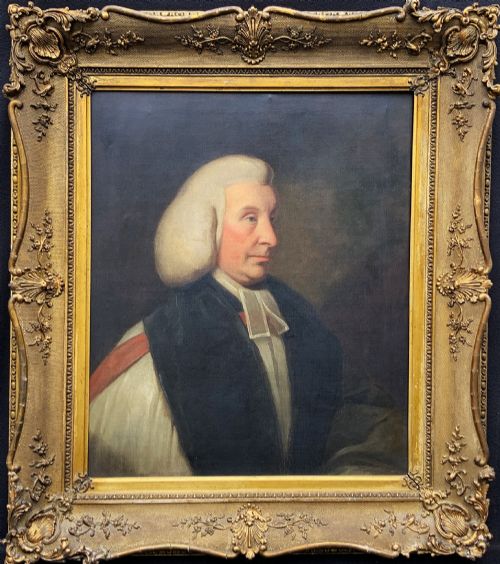
The selections on this page range from classical Dutch Old Master styles and historical militia depictions to delicate silhouettes and Chinese ancestral scrolls. These works capture likenesses of clergymen, military officers, and anonymous sitters enclosed within period surrounds.
Makers and schools represented extend from regional British artists to continental workshops, utilising various formats from oval glazed prints to monumental canvases. Each piece combines the portrait subject with the distinct craftsmanship of its enclosing border.
How they were made
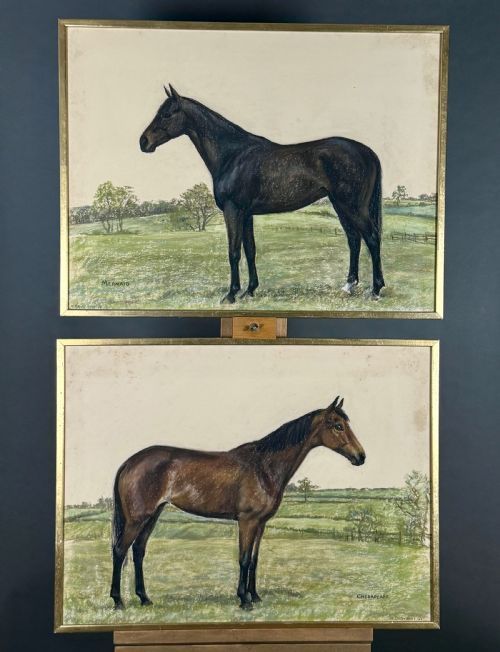
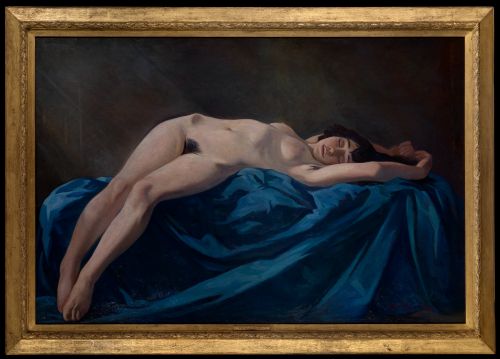
Artists painted primarily in oil upon canvas or board, occasionally employing pastel on paper or executing reverse paintings on glass. Canvases received layers of pigment applied by brush, capturing fine details of costume and expression.
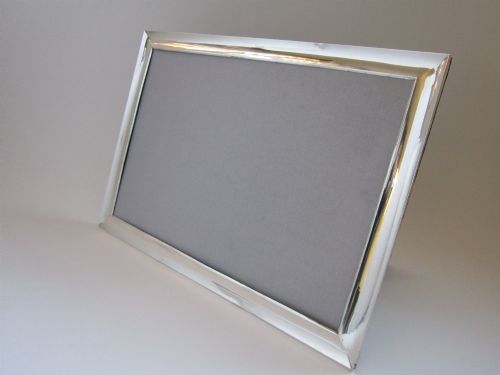
Enclosing surrounds utilised timber frames shaped from walnut or pine, often enriched with gesso mouldings and finished in gilt wood. Silversmiths constructed metal photograph frames utilising engine-turned techniques and solid sterling silver sheets.
Subjects range from solemn military officers and noble sitters to flamingos and mischievous children holding birds.
What varies in quality
The distinction between ordinary and exceptional works rests upon the precision of the brushwork and the psychological depth captured in the sitter's expression. Masterful handling of light, shadow, and anatomy elevates certain canvases far above routine studio output.
Frame construction also dictates overall merit, where deeply carved gesso ornamentation, original gilding, and substantial timber joinery demonstrate superior craftsmanship. Pieces retaining their matching period mounts and untouched surfaces command greater admiration.
Georges de La Tour·Cornelis Van Der Voort·Sir Joshua Reynolds·Eric Robertson·W.R. Waters·John Opie RA·George Watson·Harold Knight RA·Frans Hals·Godfried Schalcken·Raphael·David Orr Kerr
The Large Framed Portrait Glossary
- Giltwood
- Wood that has been coated with a thin layer of gold leaf. This technique provides a luminous, reflective border for oil paintings and mirrors.
- Gesso
- A plaster-like mixture applied to wooden frames as a base for moulding and gilding. It allows craftsmen to carve intricate relief patterns before applying gold leaf.
- Oil on Canvas
- Pigment mixed with drying oil applied to a woven fabric support. This combination offers remarkable durability and depth of colour.
- Silhouet
- A profile portrait filled in with a solid dark colour, typically cut from paper or painted. These pieces offer an intimate glimpse into historical likenesses.
- Engine-Turned
- A decorative mechanical engraving technique applied to metal surfaces such as silver frames. It produces intricate geometric patterns across the material.
Large Framed Portrait: Frequently Asked Questions
How do I hang a heavy portrait?
Heavy oil portraits require secure fixings into structural wall studs or heavy-duty masonry anchors to support the combined weight of the canvas and wooden frame. Professional picture hangers utilise two points of contact to distribute the load evenly and prevent the piece from tilting.
Ensuring the proper height places the centre of the canvas at average eye level, creating a balanced visual anchor within the room.
What lighting suits oil portraits?
Warm, indirect lighting enhances the deep pigments of oil paint without exposing the canvas to damaging ultraviolet rays. Wall-mounted picture lights or carefully angled ceiling spots illuminate the brushwork effectively.
Positioning the work away from direct sunlight prevents the pigments from fading and protects the delicate gesso on the surrounding frame.
How do I clean an old frame?
Dusting antique giltwood requires a soft, dry brush to remove particulate matter without disturbing fragile gesso mouldings or gold leaf layers. Moisture and chemical cleaners should be avoided entirely, as they strip historic finishes.
Professional conservators should handle repairs to cracked wood or flaking ornamentation to preserve the integrity of the piece.
How do I date a portrait frame?
Dating a frame involves examining the construction joints, the composition of the underlying gesso, and the style of the ornamentation. Victorian and Edwardian examples often feature machine-made elements or distinct moulding profiles compared to earlier Georgian designs.
Correlating the frame style with the period of the canvas helps confirm whether the pairing is original or a later replacement.