



Artist Studio Portrait
An artist studio portrait captures the creative workspace, offering a glimpse into painterly lives through oil on canvas and sturdy oak or ebonised wood easels.
Artist Studio Portrait
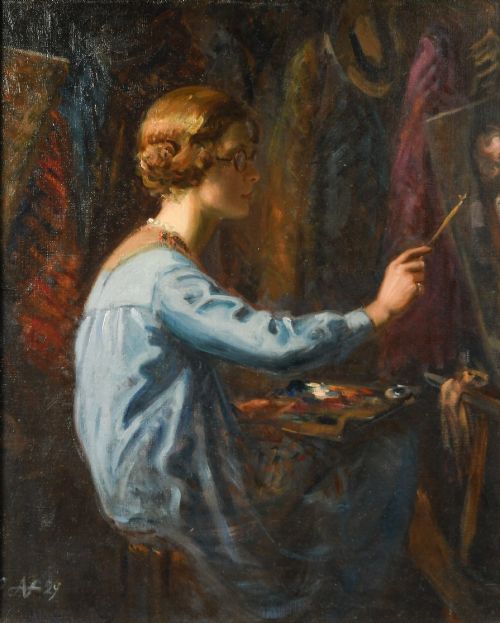
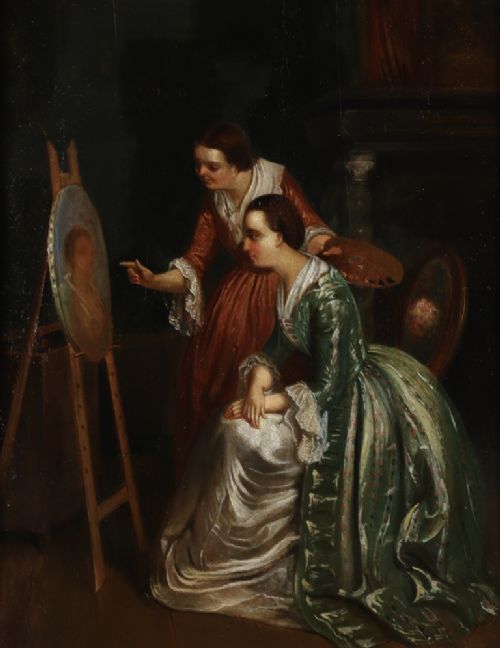
An artist studio portrait places creative figures, models, and clients directly within their workspaces, preserving the atmosphere of the working environment. These works emerge from various periods, stretching from the Victorian era through the 1920s, 1930s, and 1940s into mid-century realisms.
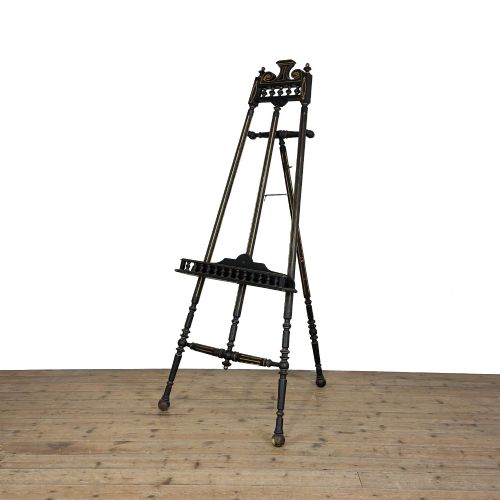
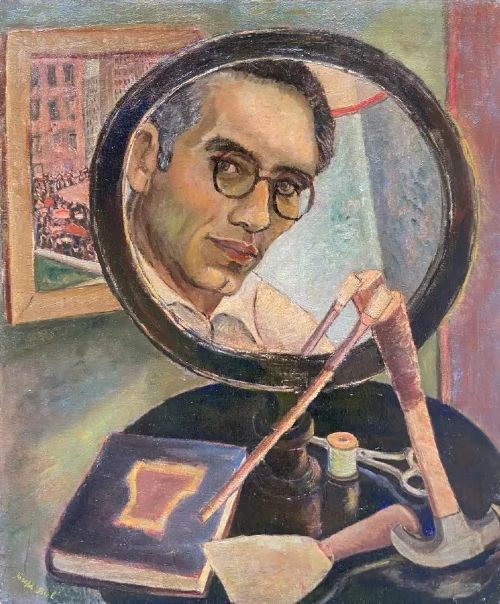
The selections span oil paintings on canvas alongside physical studio furniture like floor-standing ebonised wood and double-sided gallery easels. Buyers encounter self-portraits, depictions of models resting, and scenes capturing painters alongside clients or tools.
Styles range across Aesthetic Movement pieces, Academic Realism, Modern British, and School of Paris influences. Each representation grounds the viewer in the historical reality of European and British artistic practice.
Materials and construction
Canvases carry layers of oil paint, often housed within gilt wood frames or ebonised surrounds that reflect period framing traditions. Painters applied pigments to canvas using techniques characteristic of 19th-century fine art and post-century realism.
Support structures such as easels combine heavy oak, cast iron hardware, and brass components to bear the weight of large canvases. These functional studio items utilise durable joinery designed to withstand daily use in active painting environments.
Listings feature oil paintings and oak easels spanning the Victorian era through the 1960s.
Distinctions in quality
The sophistication of brushwork and spatial depth separates standard decorative canvases from works executed by academy-listed painters. Details in the rendering of studio tools, lighting, and human anatomy reveal the technical training behind each composition.
Physical studio furniture displays quality through the integrity of its timber, the smooth operation of winding mechanisms on double-sided easels, and the retention of original brass and cast iron fittings.
Joseph Biel·Pompeo Massani·Geoffrey Robert Russell·Arthur Eric Rowton Gill
The Artist Studio Portrait Glossary
- Ebonised wood
- Timber treated to imitate ebony, commonly utilised for Victorian frames and studio furniture to create a dark, uniform finish. This treatment provided a stark contrast against gilt elements and painted canvases.
- Aesthetic Movement
- A late 19th-century style emphasising visual beauty over narrative or moral themes. Works from this movement often incorporate refined decorative details within the studio setting.
- Double-sided gallery easel
- A heavy display stand constructed with two working faces to exhibit large artworks simultaneously. These pieces typically feature oak framing supported by brass and cast iron adjustments.
- Academic Realism
- A style governed by the rigorous standards of European art academies, focusing on precise anatomical drawing and polished brushwork. Paintings in this tradition depict studio interiors with strict fidelity to observed detail.
Artist Studio Portrait: Frequently Asked Questions
What defines an artist studio portrait?
These works depict painters, models, or clients inside creative workspaces, documenting the actual environments where art was produced.
They combine canvases from the Victorian period onwards with physical studio equipment like galleries and display easels.
How do I identify the period of a painting?
Dating relies on stylistic clues, framing materials such as gilt wood or ebonised surrounds, and the specific clothing worn by the subjects.
Paintings from the 1920s and 1930s often reflect modernist influences distinct from 19th-century academic realism.
What materials were used for studio easels?
Period easels are built primarily from heavy oak and ebonised timber designed to support large canvases securely during the painting process.
Many incorporate cast iron mechanisms and brass fixtures to allow height and angle adjustments.
Where were these studio scenes painted?
The settings reflect European and British artistic hubs, ranging from Victorian academies to Parisian locations associated with the School of Paris.
These locations mirror the actual spaces where artists lived, taught, and received clients.