


Large Extending Banqueting Table
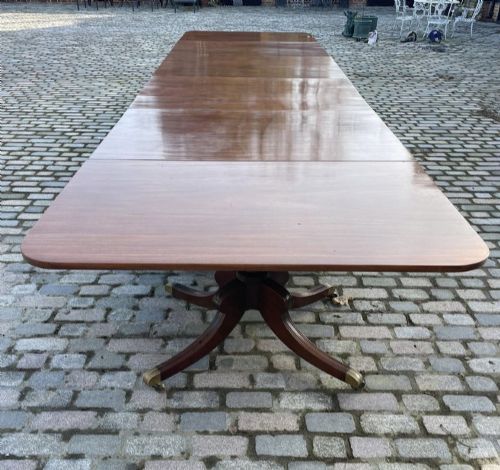
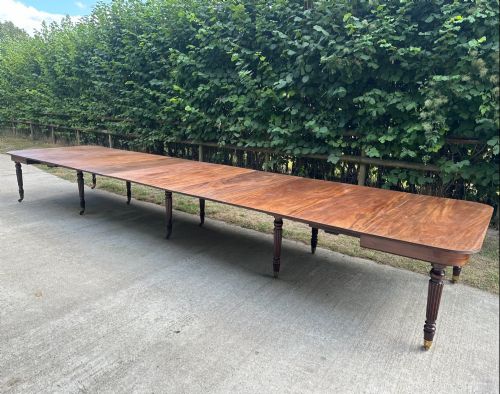
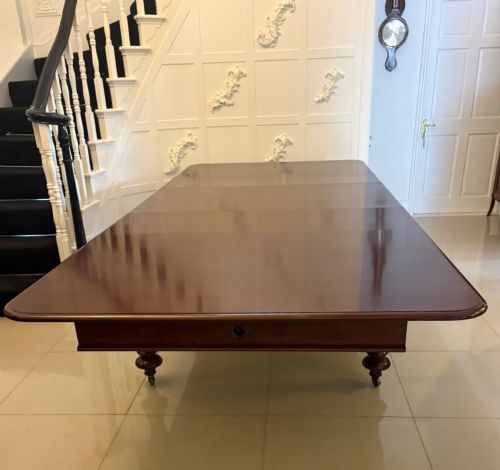
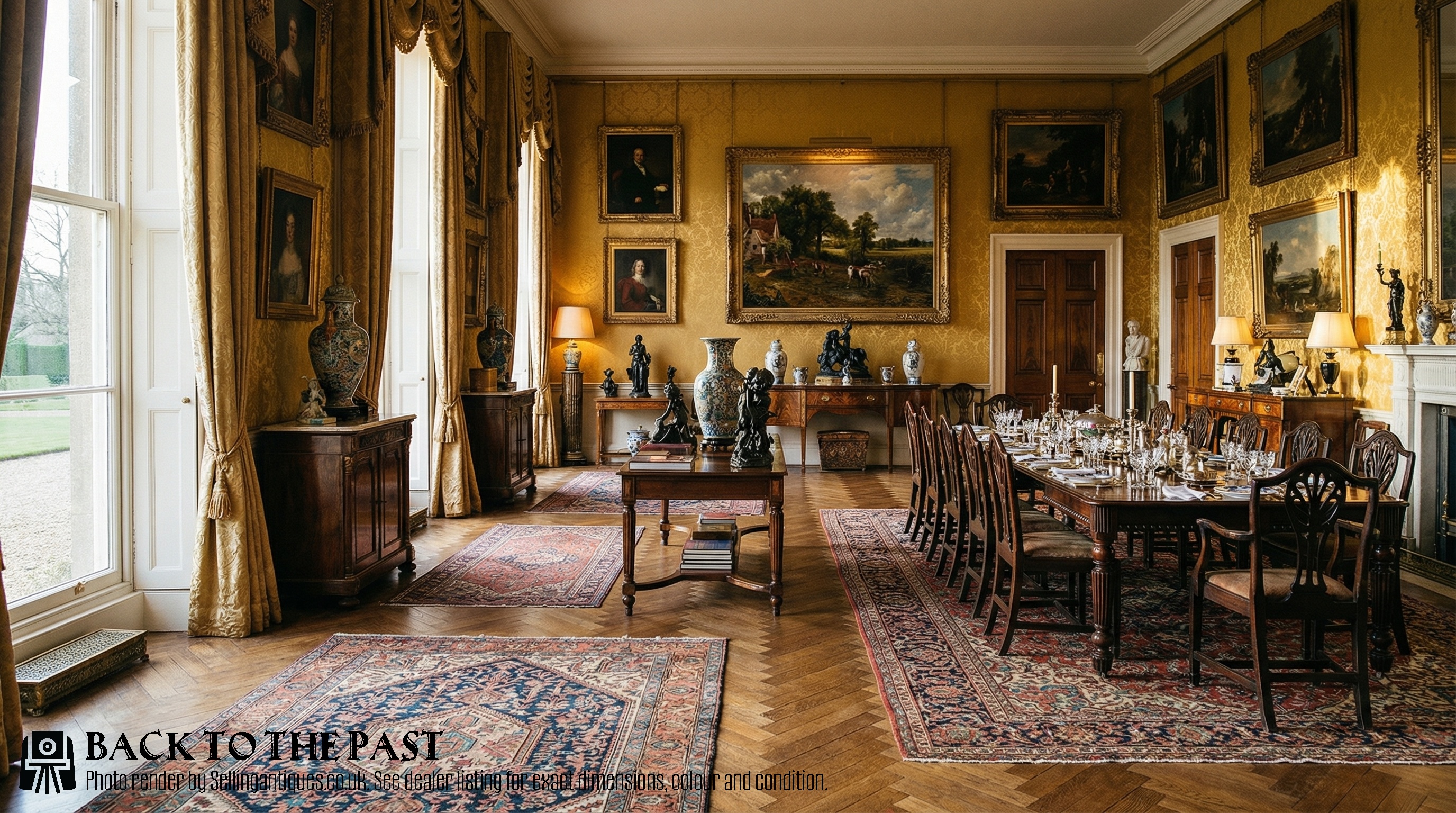
A large extending banqueting table brings scale and versatility to a dining room, seating numerous guests comfortably.
Large Extending Banqueting Table
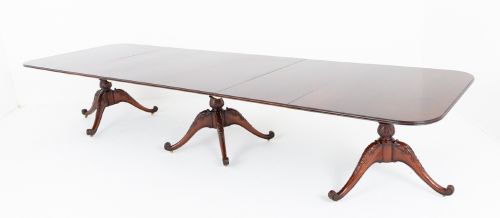
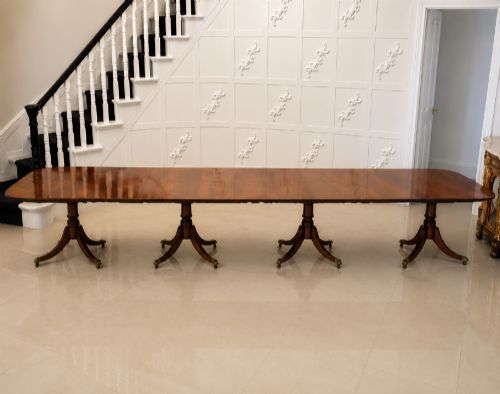
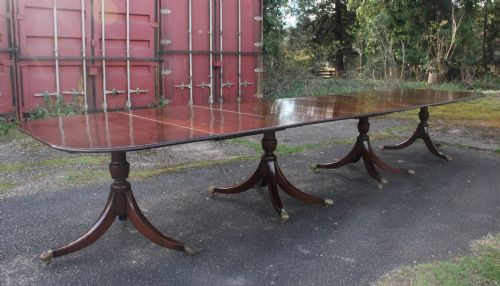
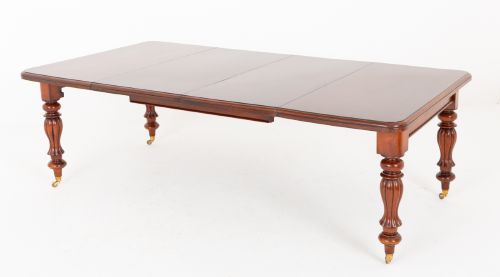
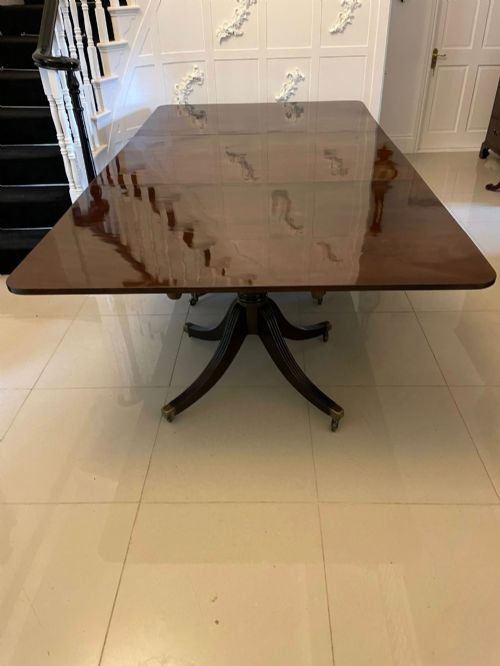
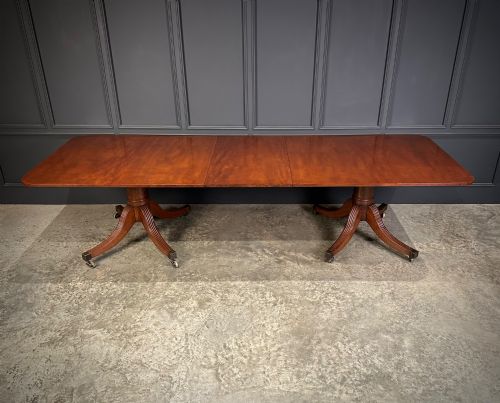
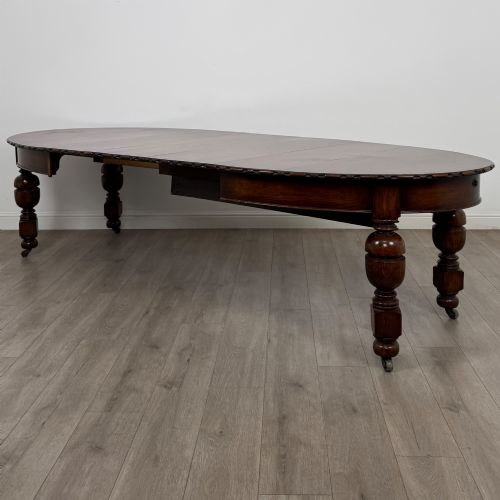
A large extending banqueting table is designed to accommodate substantial gatherings, utilising multiple pedestals and removable leaves to adjust its length. When you search for this phrase, you encounter grand dining furniture primarily from the nineteenth century, alongside later revival pieces.
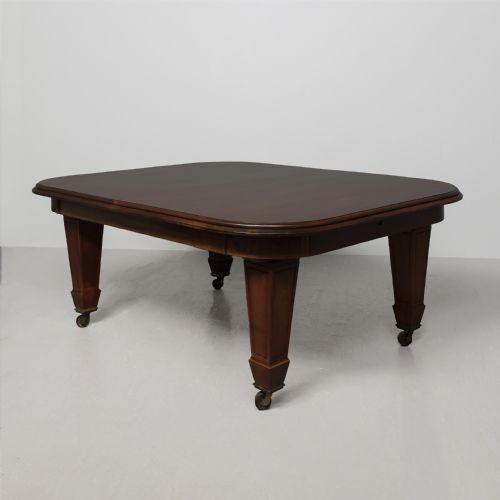
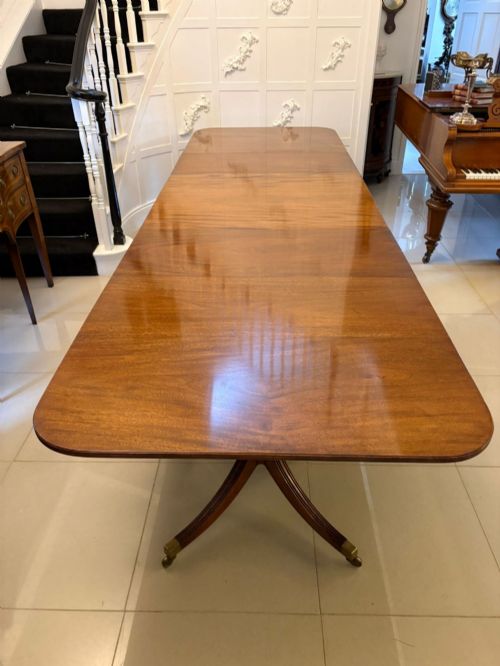
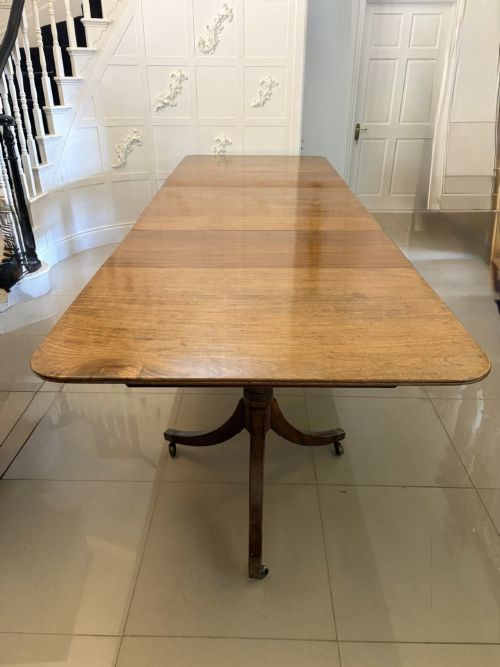
The examples on this page span Georgian, Regency, William IV, and Victorian periods, often taking the form of multi-pillar or D-end dining tables. Mahogany is the predominant timber, though oak and burr walnut also appear across various historic styles.
Materials and Construction
Cabinet makers constructed these tables predominantly using solid and figured mahogany, supported by brass mechanisms, castors, and occasionally gold leaf details. Timber selection focused on grain pattern, particularly on table tops and leaves where figured mahogany displays rich visual depth.
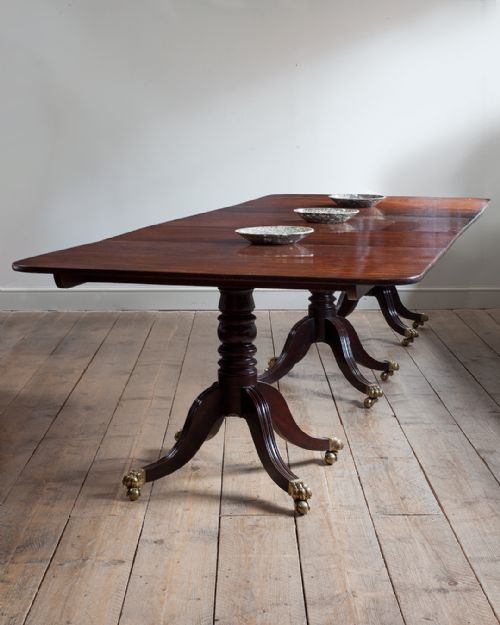
Engineering large tables required robust pillar and pedestal supports, often featuring reeded legs and brass toe castors to distribute weight and permit smooth extension. Leaves fit securely between D-ends or central sections to maintain stability across impressive lengths.
Listings feature woods such as mahogany, oak, and burr walnut across 19th-century and Edwardian periods.
Judgement of Quality
The standard of a large extending banqueting table rests upon the selection of figured timber, the precision of the pedestal joinery, and the matching of the extra leaves to the main top. Superior pieces maintain consistent grain patterns and colour across every section when fully extended.
Maker attribution and documented origin elevate certain tables, particularly those bearing the hallmarks of prominent cabinet makers like Gillows or Wylie & Lochead. Carving detail on the pillars and the original condition of the brass hardware further distinguish finer examples.
Gillows·Wylie & Lochead·William and Gibton·Robert Adam·Maple & Co·Whytock & Reid
The Large Extending Banqueting Table Glossary
- Pedestal
- A central support column, often single, twin, triple, or quadruple, that holds the weight of a large dining table top. These pillars frequently branch into reeded legs terminating in castors.
- D-End
- A table end shaped in the semi-circular outline of the letter D, which often detaches or serves as part of an extending dining arrangement.
- Extending Leaf
- A removable board inserted into the centre of a dining table to increase its overall length for large gatherings.
- Figured Mahogany
- Timber cut to reveal distinctive, decorative grain patterns such as flame or fiddleback, prized for high-status furniture.
- Reeded
- Carved with parallel, rounded projecting lines that ornament table legs and pillar columns.
Large Extending Banqueting Table: Frequently Asked Questions
How do I know how many people a table seats?
Seating capacity depends on the overall length and the presence of multiple extra leaves. Tables listed often accommodate anywhere from ten up to twenty-eight diners.
Measuring the length along with the clearance between pedestals helps determine comfortable legroom for chairs.
What is the difference between twin and triple pedestal tables?
Twin pedestal tables use two support columns beneath the top, suiting medium lengths and seating moderate numbers of guests. Triple and quadruple pedestals provide the necessary structural support for much longer banqueting configurations.
Additional pillars prevent sagging across extended timbers when all leaves are inserted.
How do I care for a mahogany dining surface?
Polishing timber with appropriate wax preserves the sheen and feeds the historic grain. Direct sunlight and sudden changes in humidity should be avoided to prevent warping.
Using heat-resistant mats protects the French polished finish from marks during dining.