






Regency Pull Out Table
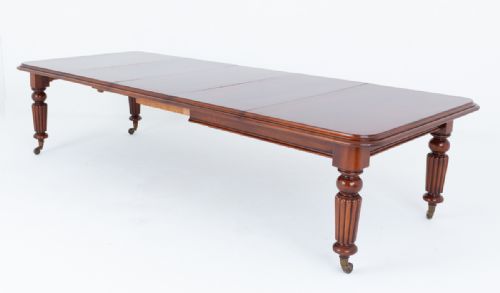
A regency pull out table delivers flexible dining space through clever mechanism, bringing early nineteenth-century craftsmanship directly into modern rooms.
Regency Pull Out Table
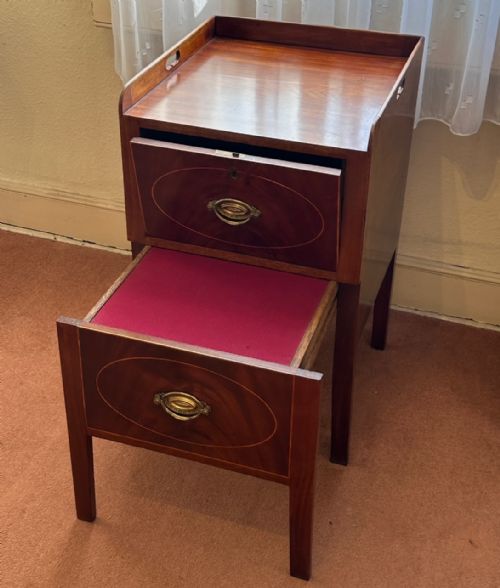
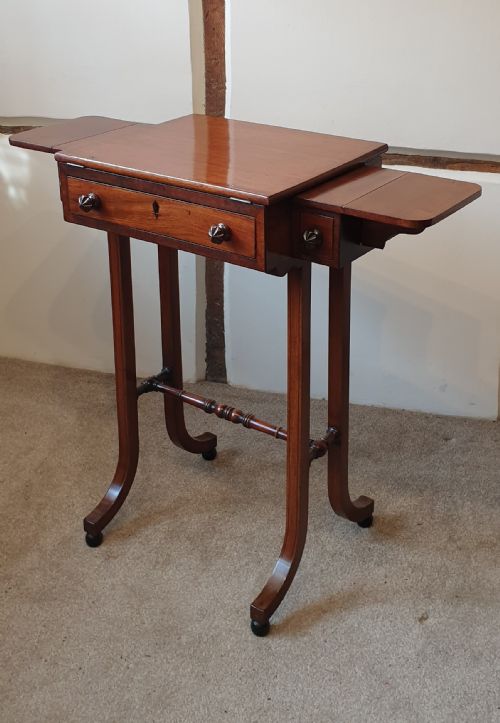
A regency pull out table brings together dining tables and occasional forms designed for flexible use. The listings here show extending dining tables alongside bedside cabinets and occasional pieces with pull-out elements.
You will most commonly meet mahogany dining tables featuring leaf systems from the nineteenth century, William IV period, and Regency eras. These pieces range from compact occasional forms to large twelve-foot dining tables.
The selection also includes smaller variants like bedside tables with pull-out steps and kettle stands. Each piece utilises traditional timbers developed for domestic utility and formal entertaining.
What varies in quality
Quality rests in the precision of the extending mechanism and the selection of timber figure across the leaves and top. Superior examples maintain smooth operation during expansion and keep colour consistency across added sections.
The refinement of turnings on the legs and the integrity of original brass castors distinguish workshop output. Maker attribution, such as work associated with Gillows, also elevates the standing of a piece.
The listings here feature mahogany as the primary material, alongside brass fittings and occasional fabric elements.
Gillows·Cope and Collinson
The Regency Pull Out Table Glossary
- Regency
- A stylistic period spanning the early nineteenth century defined by classical restraint and architectural lines. Furniture from this era often incorporates subtle brass inlay and bold mahogany surfaces.
- William IV
- A transitional design phase bridging late Regency and early Victorian aesthetics. Pieces from this era typically feature heavier proportions and robust carved supports.
- Mahogany
- A durable tropical hardwood prized for its rich reddish-brown tone and stable grain. It served as the primary material for high-end case furniture and dining tables.
- Draw-leaf
- A mechanical table design where underleaves pull out from each end to extend the surface area. This system allows quick adjustment without storing separate loose leaves.
Regency Pull Out Table: Frequently Asked Questions
How do pull out mechanisms work?
The structural frame pulls apart on wooden runners to create a gap in the centre. Extra leaves drop into this space to increase the surface length.
Brass clips or wooden pegs underneath secure the leaves together to maintain a stable dining surface.
Are these tables suitable for daily dining?
These pieces were built for robust domestic use from sturdy timbers like mahogany. Their extending frames adapt easily to family meals and larger gatherings.
Using protective pads and maintaining consistent room humidity helps preserve the polished finish over time.
How do I identify a Regency piece?
Look for architectural details, classical proportions, and clean mahogany surfaces without excessive ornamentation. Cabinetmakers of this period favoured understated elegance over heavy carving.
Hardware such as brass castors and pull mechanisms also offer clues to the manufacturing decade.
What is the difference between leaf types?
Loose leaves store separately when the table is closed and drop into the extended frame manually. Draw-leaves slide out from beneath the main top without requiring separate storage space.
Both systems achieve varied lengths depending on how many sections the table accommodates.