


Large Decorative Vase
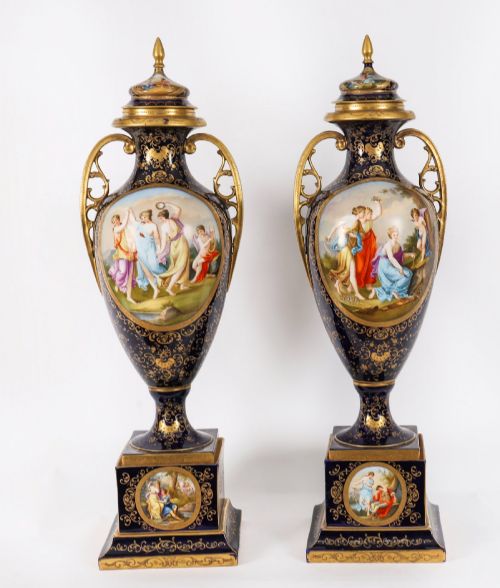
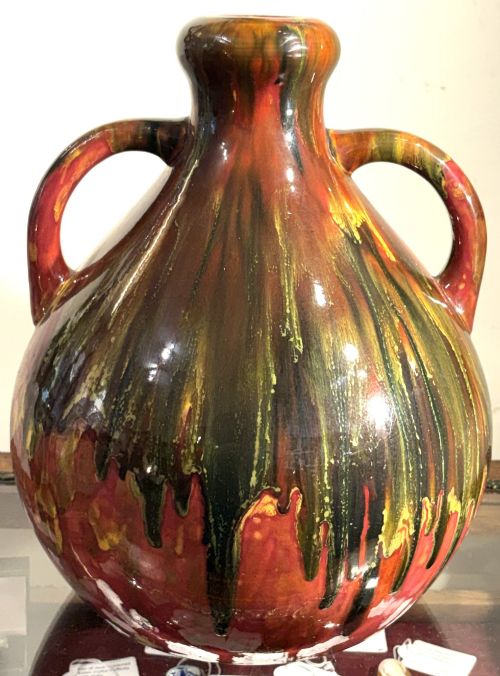
A large decorative vase commands a room, anchoring interiors with scale and craftsmanship drawn from Victorian, Meiji, and Qing periods.
Large Decorative Vase
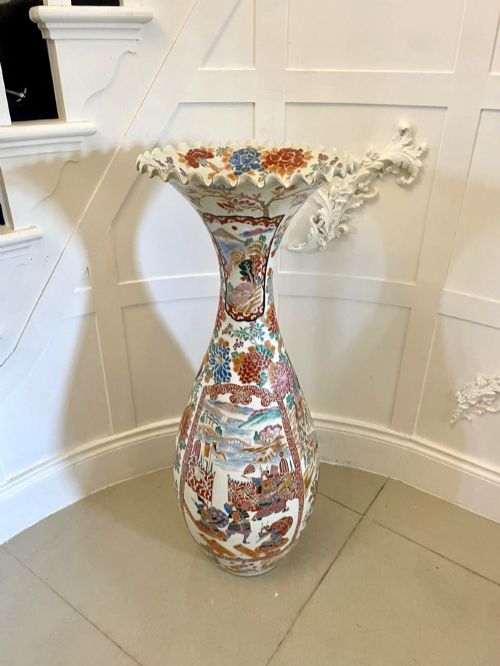
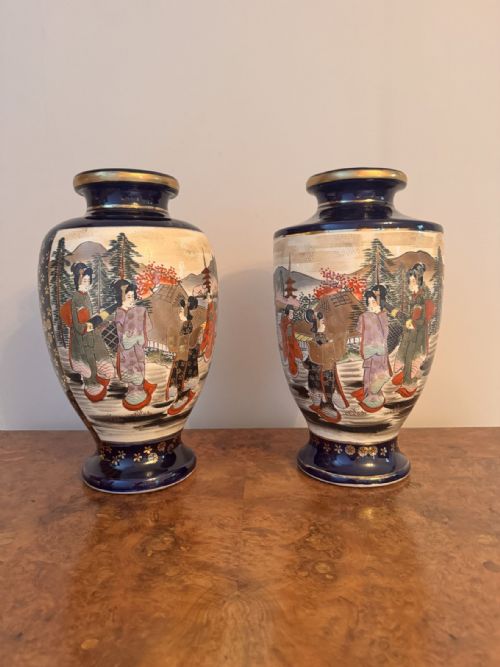
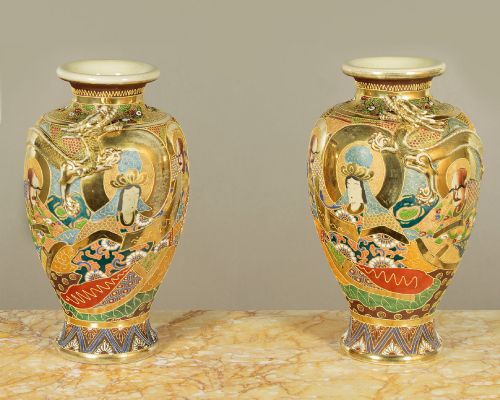
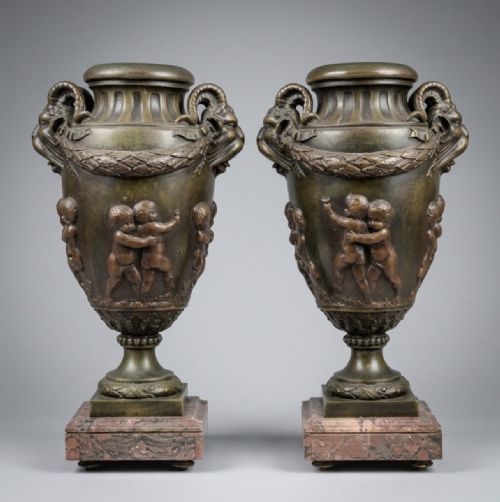
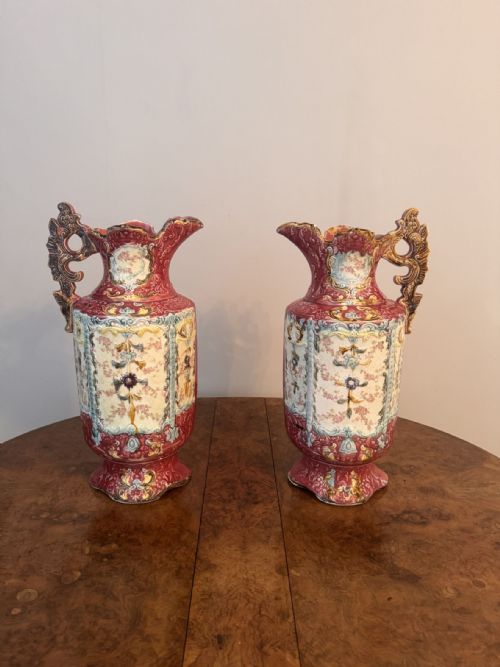
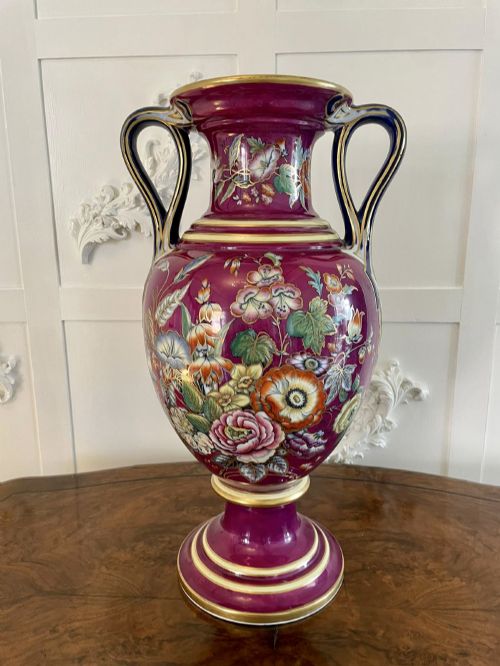
The selection ranges from towering Japanese Satsuma and Imari pieces to intricate Chinese cloisonné enamel vessels and European art glass. Floor-standing forms and paired urns appear frequently alongside converted table lamps.
Originating from diverse traditions including the Meiji period, Qing dynasty, and Victorian era, these objects display varied motifs from floral sprays to narrative figural scenes.
How they were made
Makers shaped these vessels using traditional ceramic methods, casting metals like bronze and copper alloy, or blowing glass into complex cameo layers. Earthenware and porcelain bodies received hand-painted glazes, enamels, or underglaze blue pigments before high-temperature firing.
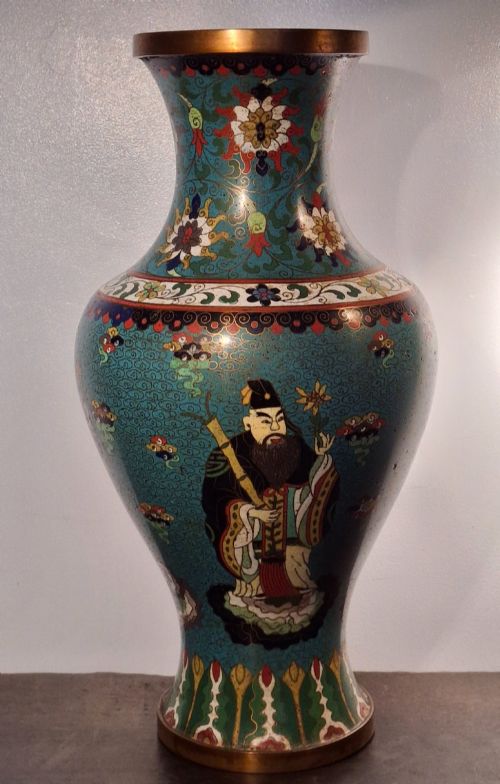
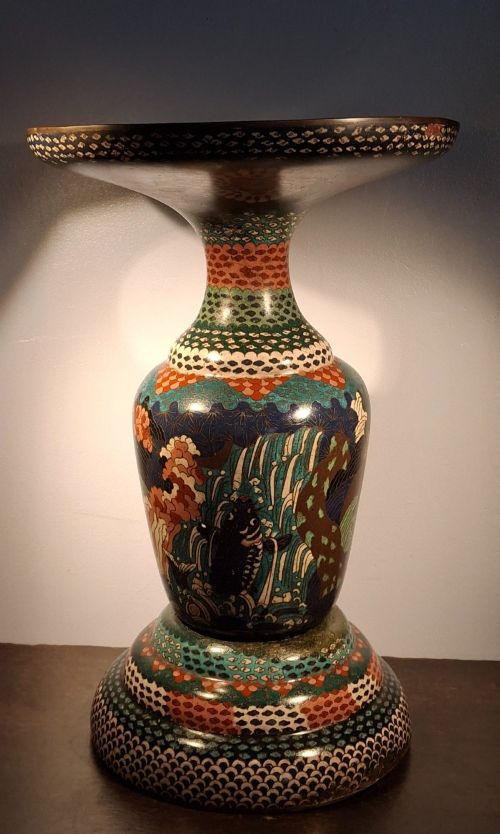
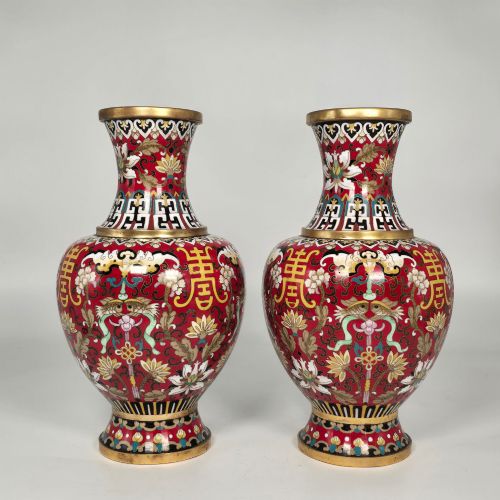
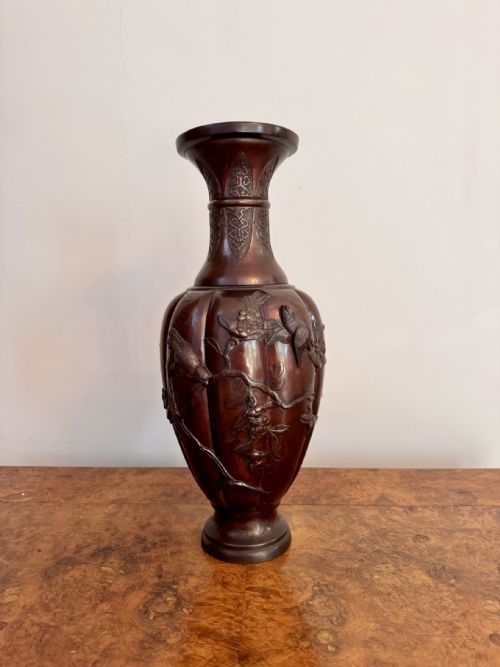
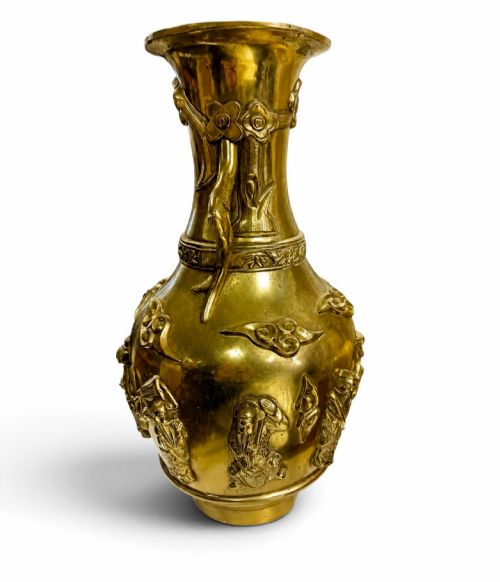
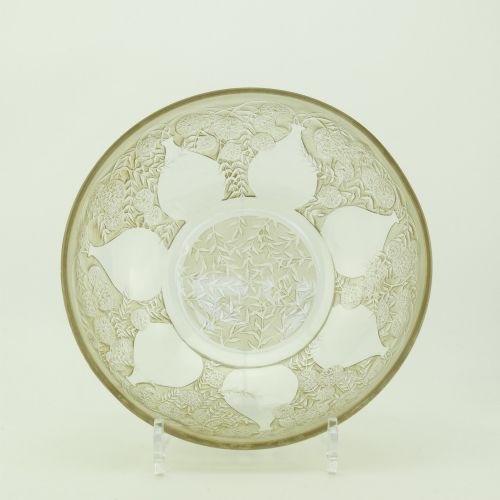
Metal vessels frequently combined copper-alloy casting with applied high-relief decoration, silver inlays, or cloisonné wirework filled with vibrant coloured enamels. Glassmakers utilised cameo techniques, acid-etching multiple layered strata to reveal intricate floral designs against contrasting backgrounds.
Large Decorative Vase Retail Price Guide 2026
Typical asking prices for large decorative vase among the pieces listed under this phrase on Sellingantiques today, from the lower quarter to the upper quarter. They describe what is for sale here now, not the wider market.
Some towering vessels stand taller than the people who collect them.
What varies in quality
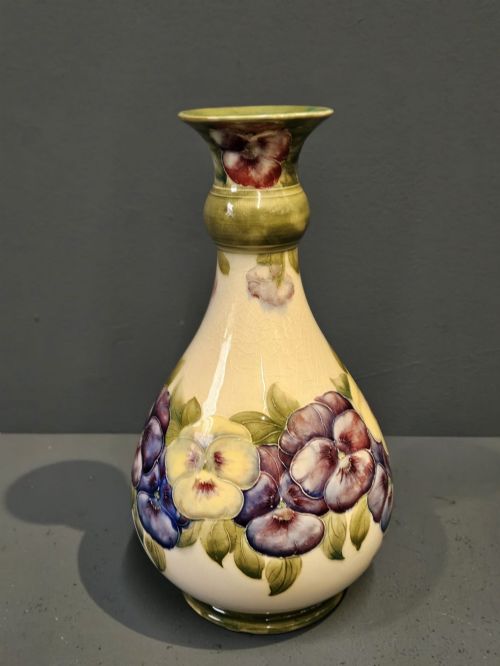
Quality rests in the crispness of the modelling, the precision of hand-painted or enamelled details, and the depth of the glaze or patina. Superior porcelain and earthenware exhibit fine throwing lines and balanced proportions without distortion from the kiln firing process.
For metalwork and cloisonné, the neatness of the wire cells and the absence of pitting in the enamel distinguish master workshops from standard production pieces. Glass quality depends on the sharpness of the cameo carving and the clarity of the crystal or coloured strata.
Rene Lalique·Thomas Webb·Burmantofts·Doulton Lambeth·Daum Nancy
The Large Decorative Vase Glossary
- Cloisonne
- A decorative metalwork technique where thin metal wires form raised barriers on a surface, creating compartments filled with enamel paste before firing.
- Satsuma
- A type of Japanese earthenware featuring a pale, ivory-coloured cracked glaze decorated with elaborate polychrome enamels and gilt highlights.
- Baluster
- An architectural form describing a vase body with a rounded lower portion tapering to a narrow neck and flared rim.
- Cameo glass
- A luxury glass vessel formed by fusing multiple layers of different coloured glass together and carving away outer layers to create a relief pattern.
- Famille rose
- A palette of opaque rose-pink enamel introduced to Chinese porcelain decoration during the Qing dynasty.
- Imari
- Japanese export porcelain decorated in underglaze blue and overglaze iron-red, green, and gold.
Large Decorative Vase: Frequently Asked Questions
How do I style a large vase at home?
Position freestanding vessels directly on the floor in hallways or empty corners where their height and silhouette remain unobstructed by furniture.
Pair matching urns on console tables or pedestals to create symmetry in formal reception rooms.
Can these vases hold water safely?
Many antique vessels, particularly those featuring intricate internal repairs, electrical conversions into lamps, or delicate earthenware bodies, suit dry display only.
Utilising liners or avoiding liquid altogether protects fragile interior glazes and historic materials from moisture damage.
What is the difference between Satsuma and Imari?
Satsuma pieces utilise a distinctive creamy earthenware body covered in a fine crackle glaze, painted predominantly with complex figural scenes and heavy gilding.
Imari wares consist of hard porcelain decorated with a strict palette of deep underglaze cobalt blue combined with iron red and gold.
How are nineteenth-century pieces dated accurately?
Examining base marks, factory stamps, and stylistic cues helps narrow down the period of production alongside material characteristics like copper-alloy composition.
Comparing glaze textures and manufacturing techniques against known factory outputs provides reliable chronological placement.