






Large Decorative Dish
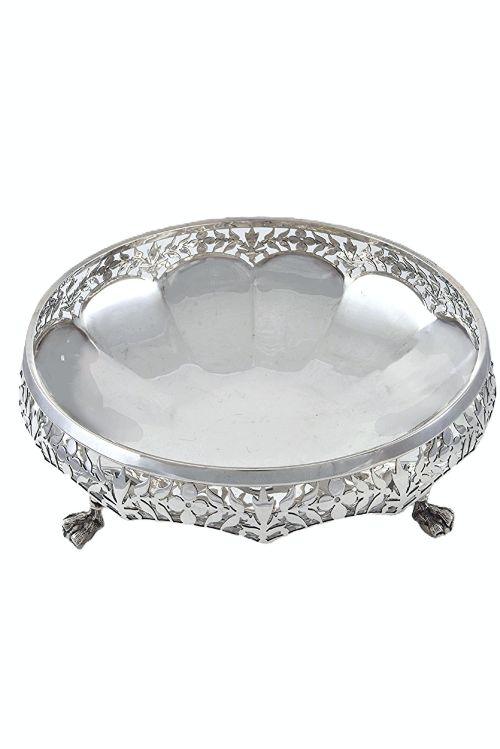
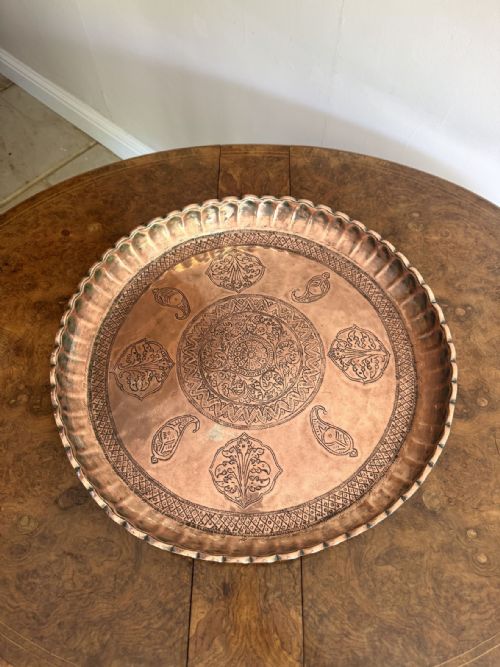
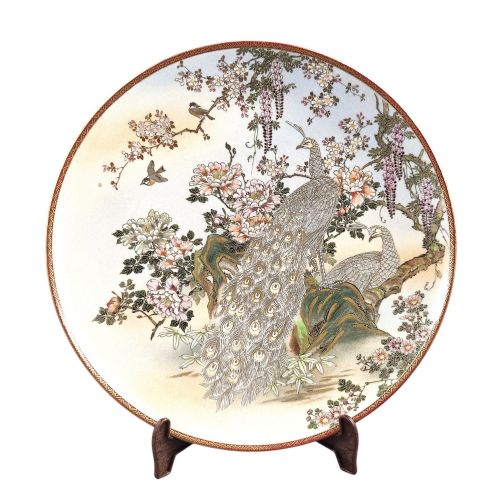
When you select a large decorative dish, you invite a commanding porcelain, brass, bronze, or ceramic statement piece into the room.
Large Decorative Dish
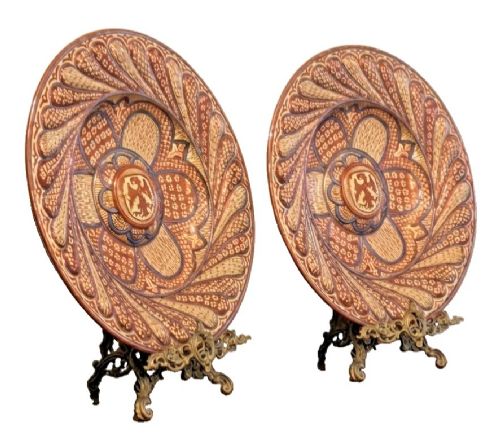
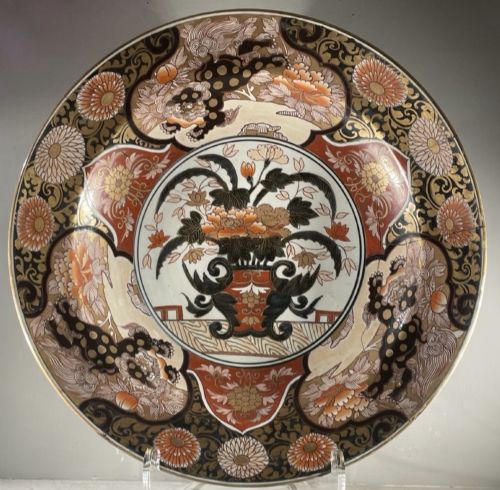
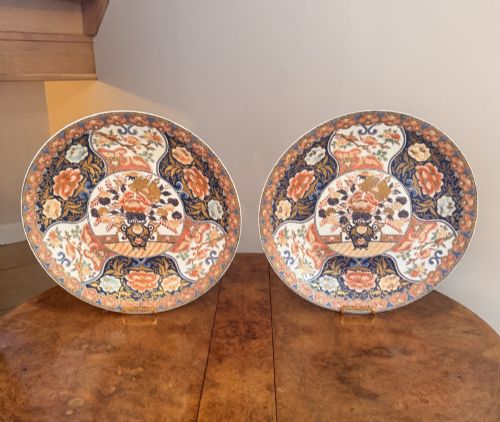
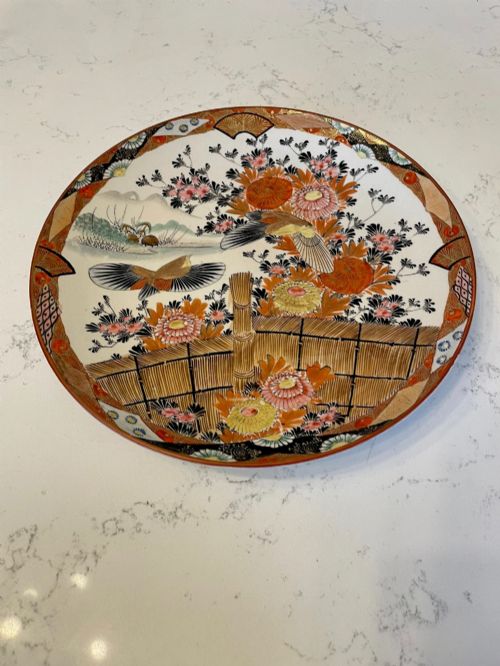
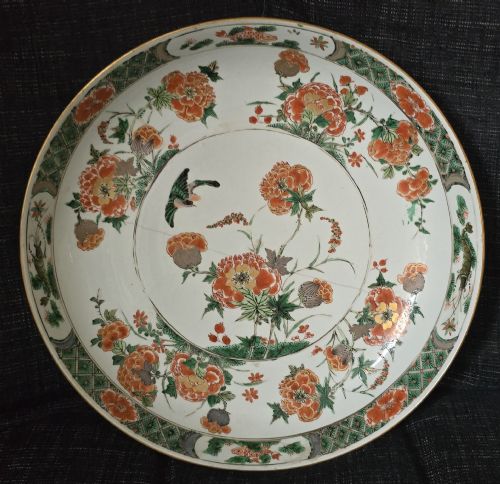
A large decorative dish encompasses substantial wall chargers, deep serving platters, and wide display bowls originating from the 18th Century, 19th Century, and early 20th Century. These substantial objects span diverse global traditions, including Japanese Imari porcelain, Chinese Famille Rose and Famille Verte, English transferware, and continental faience.
The version most frequently met on this page is the Japanese Imari charger or bowl dating around 1900, alongside Meiji period cloisonne enamel plates and European earthenware platters. Such pieces were intended for prominent display on tables, sideboards, or walls rather than for everyday dining.
How they were made
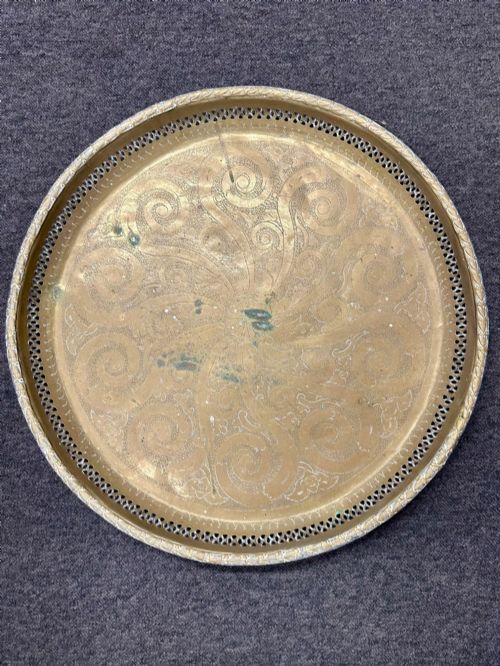
Makers shaped these large forms using traditional ceramic techniques like throwing and moulding in porcelain, earthenware, and faience, then applied underglaze blue, polychrome overglaze enamels, or tin glazes. Metal counterparts utilise beaten copper, cast brass, silver plating, and engraved brass with pierced galleries.
Cloisonne examples involved soldering delicate metal wires to a metal base to form cells, which workers then filled with enamel paste before firing and polishing. Hand-painted ceramic items required skilled brushwork using mineral pigments, often finished with gilding or gold leaf highlights.
Large Decorative Dish Retail Price Guide 2026
Typical asking prices for large decorative dish among the pieces listed under this phrase on Sellingantiques today, from the lower quarter to the upper quarter. They describe what is for sale here now, not the wider market.
Listings feature items from the 18th Century, 19th Century, and Victorian period, utilising porcelain, brass, enamel, and copper.
What varies in quality
Execution and visual depth separate standard production items from superior works, particularly in the precision of hand-painted brushwork on Japanese Imari and Chinese porcelain. Finer examples display crisp detail in multi-layered enamel designs, well-defined cloisonne wirework, and deeply chiselled engravings on brass or bronze pieces.
Substantial weight, balanced form, and careful preservation of original surface finishes indicate higher grade manufacture. Superior items often bear artist signatures or workshop marks, showing individual craftsmanship rather than mass production.
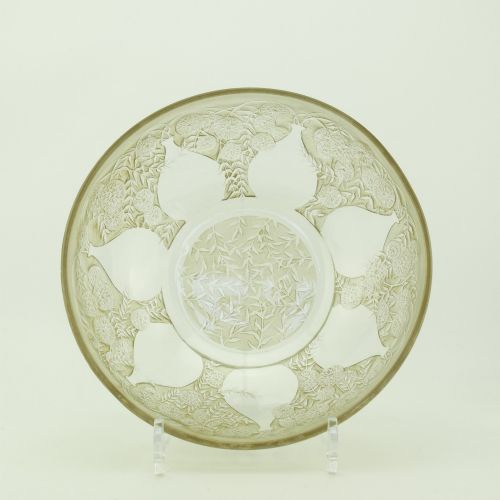
Mann Co·Rene Lalique
The Large Decorative Dish Glossary
- Charger
- A large decorative plate or dish, traditionally placed beneath other courses or hung on walls for display. These items often measure significantly wider than standard dining plates.
- Cloisonne
- A decorative metalwork technique where fine wires are soldered to a body to create compartments filled with enamel paste. Firing and grinding produce a smooth, patterned surface.
- Imari
- A style of Japanese porcelain featuring characteristic cobalt blue, iron red, and gold colour palettes. Originating from Arita, these exported wares became widely popular across Europe.
- Faience
- Tin-glazed earthenware produced in Europe, particularly associated with continental and English traditions. The opaque white glaze provides a smooth ground for painted polychrome decorations.
- Moriage
- A Japanese ceramic technique using raised slip to create textured decorative patterns on pottery. This method adds a tangible, three-dimensional relief effect to surfaces.
Large Decorative Dish: Frequently Asked Questions
How were large decorative dishes used historically?
These large vessels served primarily as display centerpieces on sideboards, dining tables, or mounted on interior walls. Wealthy households utilised them to showcase fine craftsmanship, rich materials, and artistic motifs during formal gatherings.
While some robust earthenware and porcelain chargers held food at grand banquets, most were treated as purely decorative objects. Their generous diameters allowed artisans ample space to depict elaborate historical scenes, landscapes, and mythological figures.
Where should I place a large dish in my home?
A substantial charger or bowl sits naturally as the focal point on a large dining table, entrance hall console, or low wooden chest. Wall-mounted display brackets also allow you to hang lighter metal and ceramic trays securely at eye level.
Ensure the chosen surface provides adequate depth and stability to support the wide diameter safely. Positioning the piece away from heavy foot traffic protects protruding edges and delicate surface enamels from accidental knocks.
How do I identify a Meiji period Japanese charger?
Meiji period items date between 1868 and 1912, often showcasing intricate cloisonne enamel work, Satsuma earthenware with moriage relief, or vibrant Imari porcelain patterns. Artisans during this era frequently incorporated detailed depictions of flora, fauna, and traditional figures like the Seven Lucky Gods.
Many high-quality pieces from this timeframe carry artist signatures or workshop marks stamped or painted on the reverse. Examining the weight, wirework precision, and hand-painted brush details helps distinguish genuine late nineteenth-century output.
What is the difference between faience and porcelain?
Porcelain is a hard, vitrified ceramic made from kaolin clay fired at extremely high temperatures, resulting in a dense, non-porous white body. Faience is a softer earthenware covered with an opaque tin glaze that provides a porous ceramic base beneath the decorated surface.
Visually, porcelain offers a more resonant chime when tapped and finer translucency under strong light. Faience displays a heavier, opaque structure typical of European tin-glazed pottery traditions from the eighteenth and nineteenth centuries.