
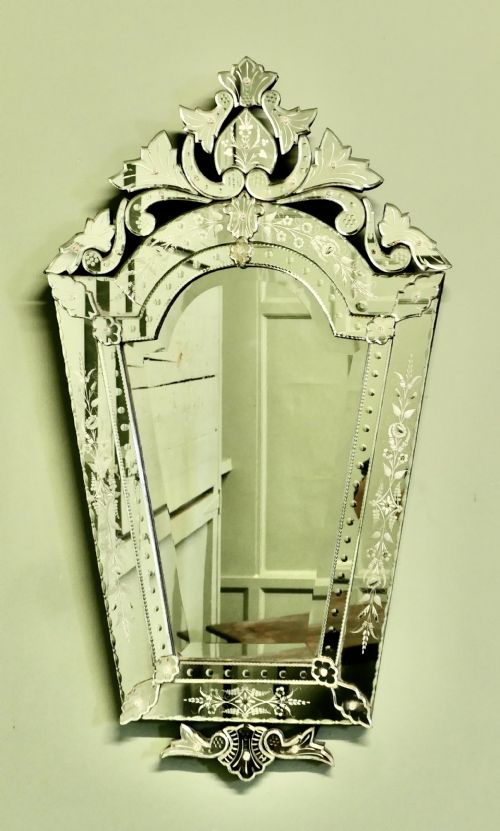
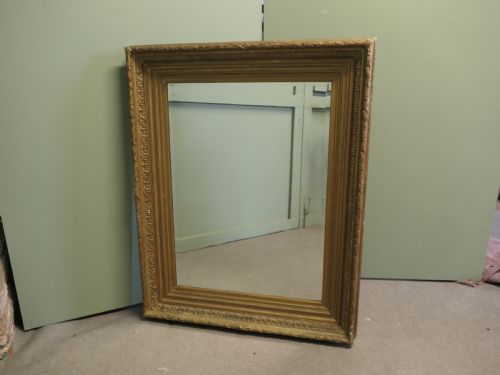


Large Decorative Accent Mirror
A large decorative accent mirror anchors a room with light and presence, drawing the eye instantly to its carved frame.
Large Decorative Accent Mirror
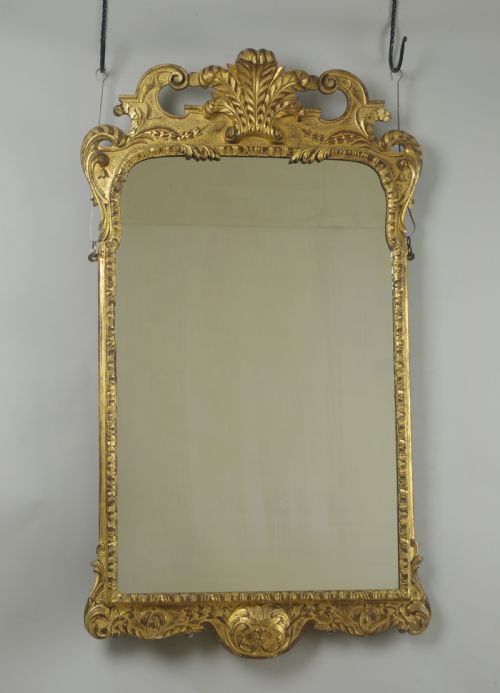
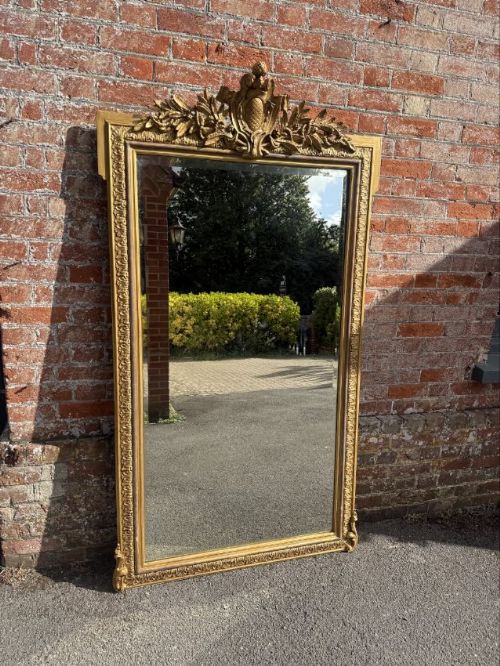
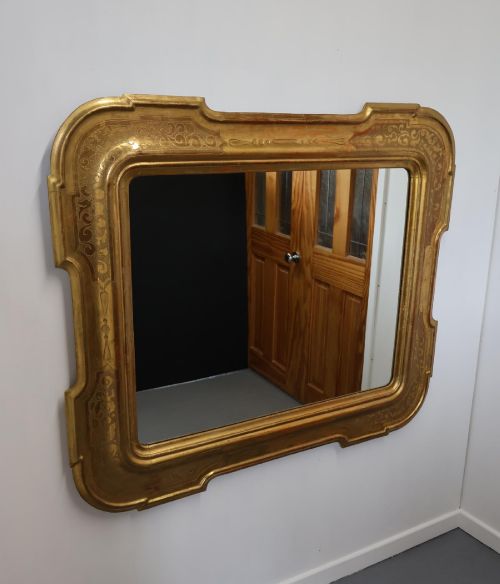
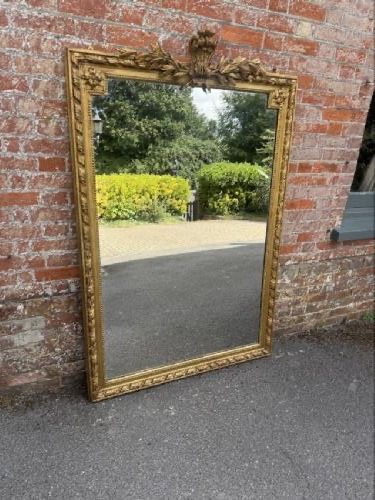
When you search for a large decorative accent mirror, you encounter wall mirrors spanning the nineteenth century up to the mid-twentieth century. These pieces serve primarily as wall mirrors and hall mirrors, designed to expand visual space and reflect light.
The selections on this page lean heavily towards nineteenth-century French and English pieces, alongside specific mid-century examples. You will find rectangular wall mirrors, trumeau mirrors, and distinct diamond wall mirrors that bring historical character into domestic spaces.
Stylistically, the range covers Victorian, Art Deco, Baroque Revival, and Rococo Revival aesthetics. Many incorporate specific motifs such as shells, rope twists, and parcel gilt highlights upon timber foundations.
How they were made
Maker construction relies on carved wood and gesso frameworks finished with gold leaf, gilt, or paint. Artisans shaped timber bases, applying gesso to build up intricate relief details before the application of gilding.
Surface treatments vary from bright giltwood and dark gilt to over-painted finishes and faux bois effects. Glass panels are set within these heavy frames, utilising traditional mirror glass appropriate to each period.
One clever piece mimics timber with faux bois paint, proving that even mirrors like to play dress-up.
What varies in quality
The standard of a piece rests upon the depth and crispness of the wood and gesso carving. Vigorous, detailed work on motifs like shells and rope twists distinguishes finer examples from simpler production.
The integrity of the original giltwood or gold leaf surface dictates much of the visual character. Deeper patination and well-preserved gilding elevate the piece above plain or heavily altered finishes.
The Large Decorative Accent Mirror Glossary
- Gesso
- A plaster-like mixture applied to wood frames to create a smooth surface for carving and gilding. This material allows for intricate relief decoration.
- Giltwood
- Timber that has been covered with thin sheets of gold leaf or gilt paint. It provides a luminous, reflective surface for the frame.
- Trumeau
- An interior architectural mirror or panel placed above a mantelpiece or between windows. These tall antique pieces often feature decorative painted or carved sections.
- Faux bois
- A technique where wood or other materials are painted to imitate the natural grain and appearance of wood. This finish adds a rustic or organic texture to the frame.
- Parcel gilt
- A decorative method where only specific portions of an object are gilded while the rest remains exposed wood or paint. This creates contrast across the carved surface.
Large Decorative Accent Mirror: Frequently Asked Questions
Are these mirrors suitable for bathrooms?
Most antique giltwood and gesso mirrors are unsuited to high-moisture environments like bathrooms. The damp atmosphere can damage the delicate gesso, wood, and original gilding.
Keep them in dry living spaces, hallways, or bedrooms where the temperature remains stable.
How do I clean an antique glass mirror?
Use a soft, dry cloth to gently remove dust from the glass and the carved frame. Avoid harsh chemical cleaners that might strip the antique gilding or paint.
Apply a mild, non-ammonia glass cleaner sparingly to the cloth rather than spraying the mirror directly.
How do I tell a Victorian mirror from an Art Deco one?
Victorian mirrors often feature ornate revival styles such as Baroque or Rococo, utilising heavy carved gesso and giltwood with motifs like shells. Art Deco pieces from later decades favour cleaner geometric lines, such as diamond shapes, with simpler framing.
Examine the overall silhouette and decorative details to identify the period aesthetic.