

Victorian Gilt Frame Mirrors
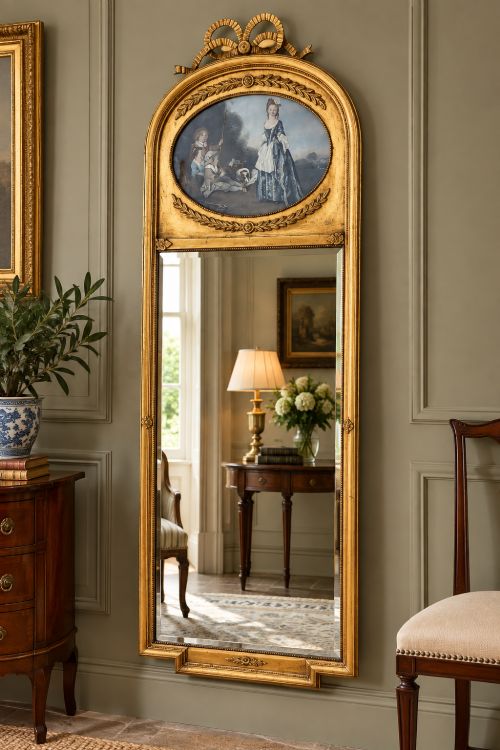
These Victorian gilt frame mirrors bring rich historical character and bright reflection to any room.
Victorian Gilt Frame Mirrors
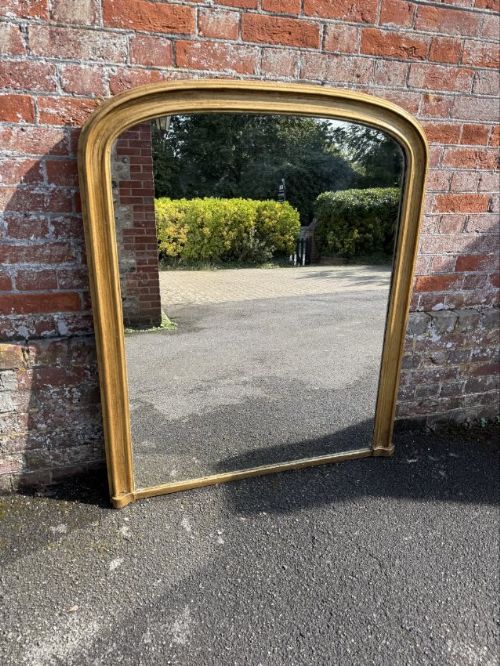
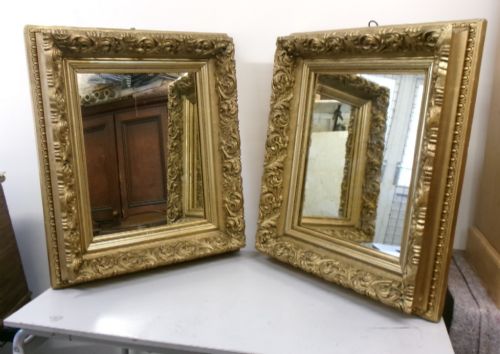
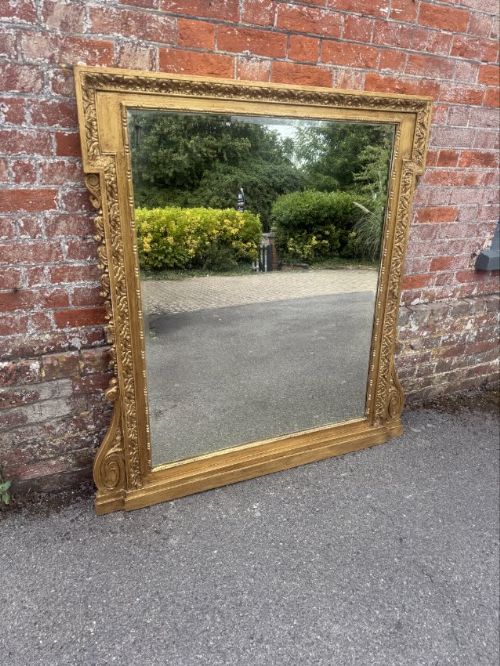
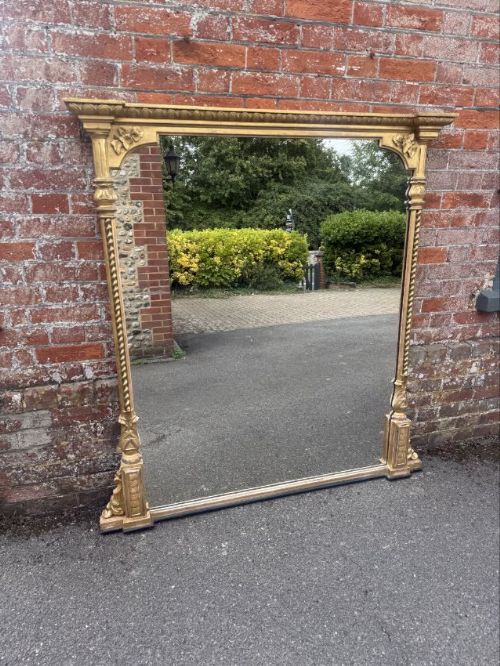
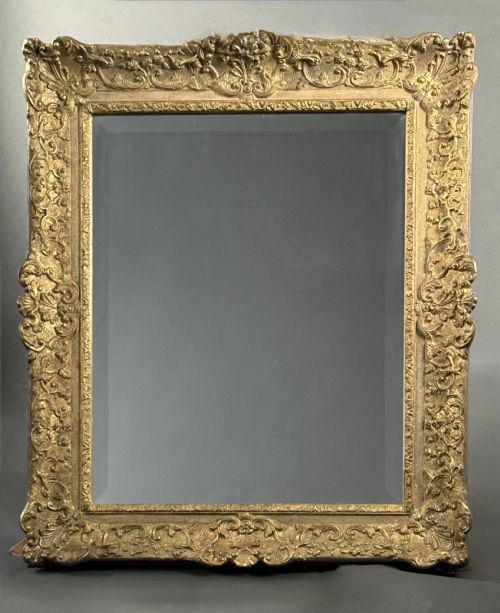
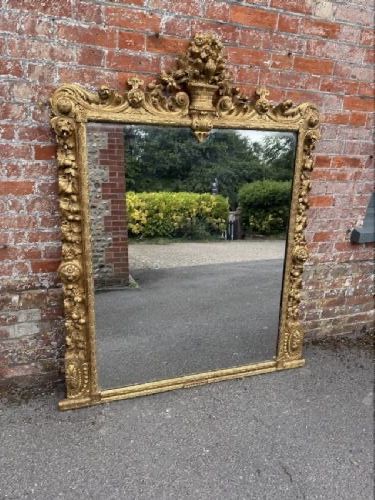
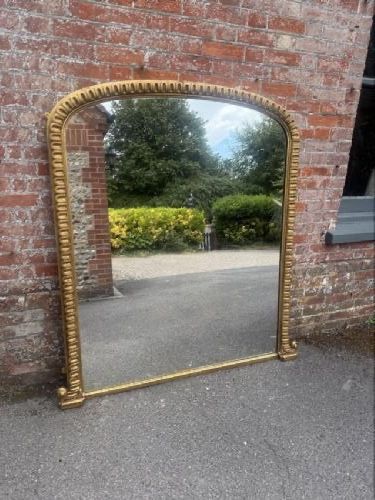
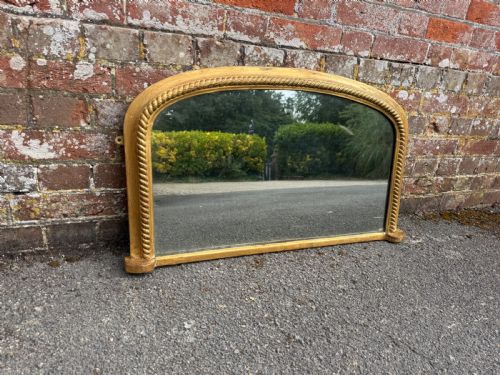
Victorian gilt frame mirrors are decorative looking glasses created during the nineteenth century, encompassing styles from early Victorian through to Rococo Revival and Florentine designs. Buyers seeking these pieces encounter substantial wall hung items alongside large architectural overmantle mirrors designed to sit above fireplaces.
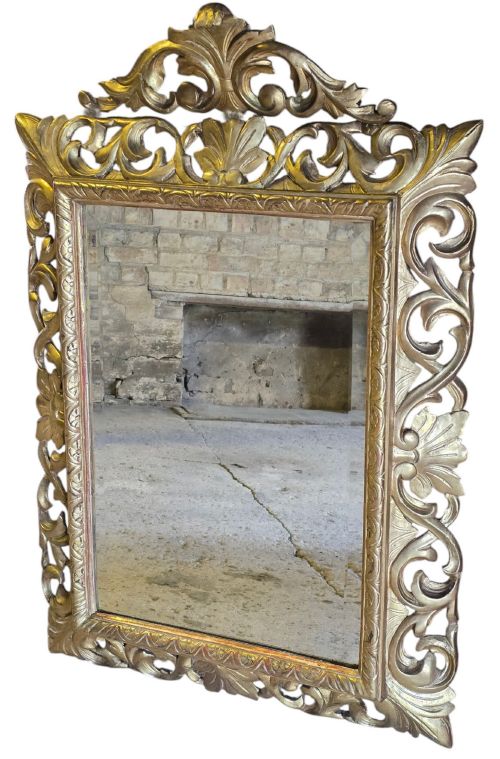
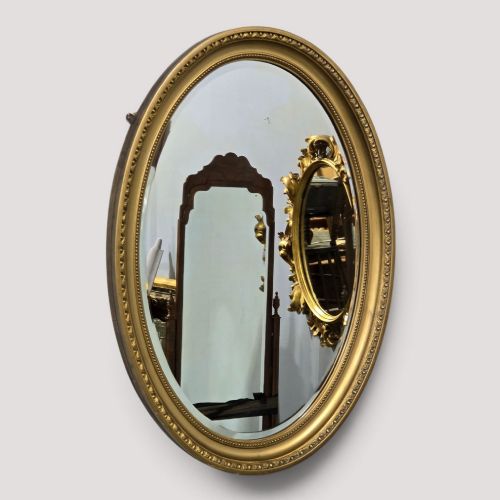
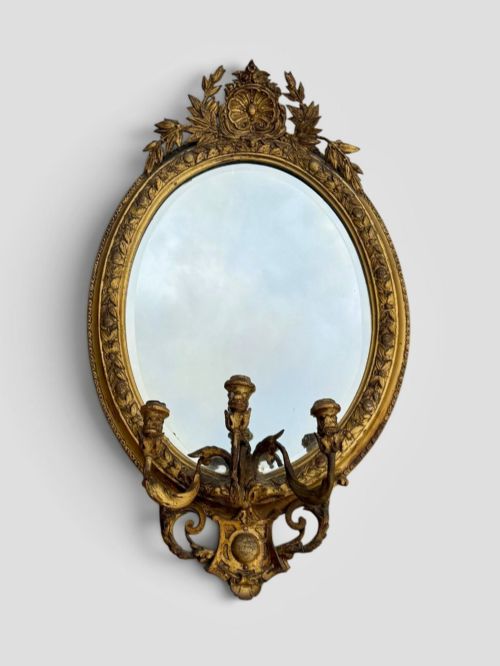
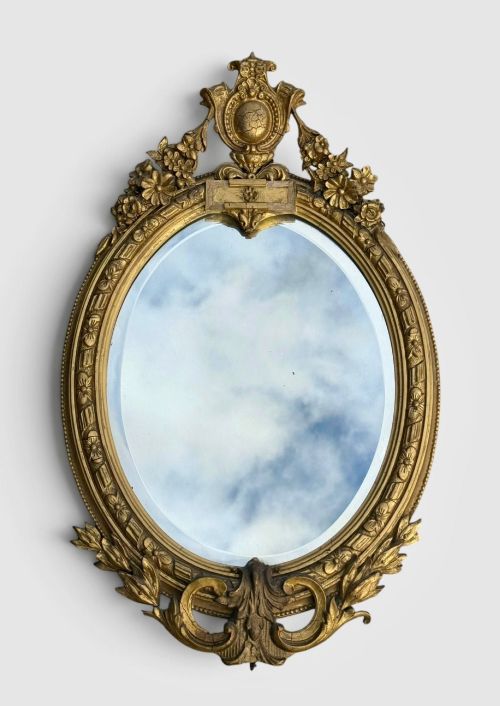
The selection ranges from oval plaster frames and deep carved timber mouldings to ornate girandoles and arched top statements. Most examples originate from English and French workshops, utilising traditional gilding techniques upon solid wood and moulded gesso bases.
How they were made
Carved wooden foundations, often formed from pine or hardwood, receive detailed surface enrichment through the application of moulded composition and gesso layers. Artisans then apply thin gold leaf or liquid gilding directly onto the prepared surface to achieve a brilliant metallic sheen.
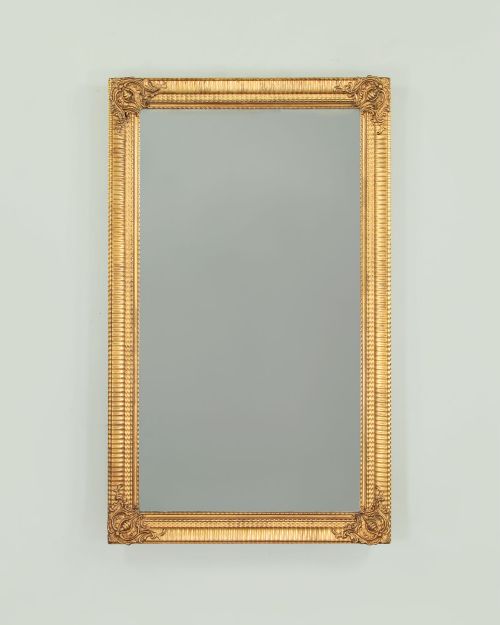
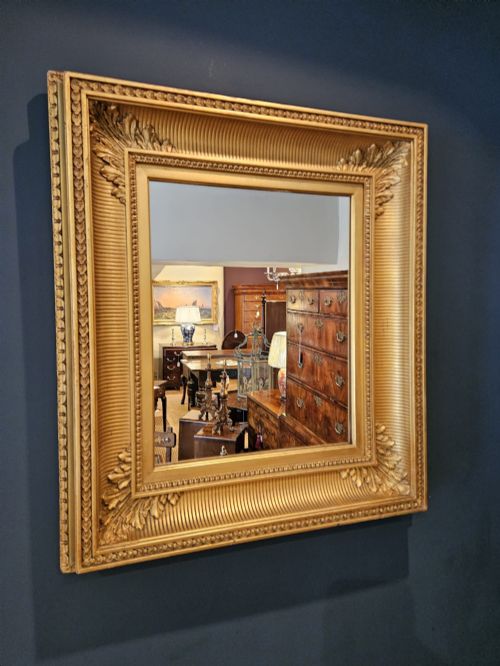
Mirror plates are traditionally silvered by hand or via early chemical processes, resulting in authentic aged characteristics such as foxing and deep reflection. Frames frequently incorporate structural elements like rope twists, acanthus leaves, and ribbed mouldings secured firmly around heavy glass.
What varies in quality
The depth and crispness of the hand carved wood work or moulded gesso relief dictate the visual impact of each piece. Superior examples display intricate detailing on acanthus leaves, crests, and swept frames without the softening that indicates repetitive casting.
The preservation of the original gold leaf and the condition of the mirror plate itself separate standard decorative items from exceptional survivals. Original foxed glass paired with intact, unblemished gilding represents the highest tier of craftsmanship.
The Victorian Gilt Frame Mirrors Glossary
- Gesso
- A plaster based mixture applied to wooden frame foundations to provide a smooth surface for gilding. Artisans carve and shape this layer to create intricate decorative reliefs before applying gold leaf.
- Giltwood
- Timber that has been coated with gold leaf or a gold coloured finish. It forms the primary structural and decorative material for high quality nineteenth century frames.
- Overmantle
- A large mirror specifically proportioned to hang on the wall directly above a fireplace mantelpiece. These pieces often feature arched or crested tops designed to draw the eye upward in a Victorian interior.
- Foxing
- The natural age related spotting and darkening that occurs within antique mirror glass as the silver backing oxidises over time. Collectors value authentic foxing as an indicator of genuine nineteenth century age.
- Girandole
- An ornate decorative wall mirror fitted with integrated candle sconces attached to the frame. The polished gilt surface reflects the candlelight to brighten dark Victorian rooms.
Victorian Gilt Frame Mirrors: Frequently Asked Questions
How do I hang a heavy overmantle mirror safely?
Due to the substantial weight of solid wood, gesso, and thick glass, these large mirrors require secure wall fixings anchored directly into masonry or substantial wall studs. Professional mirror hangers utilise heavy duty steel brackets rated for the specific weight of the frame.
Position the mirror at a height that balances the proportions of the room and reflects natural light effectively. Ensuring the weight is distributed evenly across multiple fixing points protects the antique frame from undue structural stress.
What is the difference between gesso and composition frames?
Gesso frames consist of a fluid chalk and glue mixture applied in multiple layers directly onto carved wood, allowing for fine hand smoothing and detailing. Composition, often called compo, uses a stiffer paste containing resin and whiting pressed into moulds before application to the wooden carcass.
Victorian makers frequently combined both techniques, using carved wood for the main structure and moulded composition for repetitive ornamental motifs like rope twists and acanthus leaves. Examining the sharpness of the relief helps identify the primary method used in construction.
How should I clean a Victorian gilt frame?
Maintain antique gilt surfaces by dusting gently with a soft, dry ostrich feather brush or a clean microfibre cloth. Avoid all moisture, abrasive cleaners, and chemical solvents, as these substances strip delicate gold leaf and damage underlying gesso.
Clean the glass plate separately using a minimal amount of glass cleaner applied directly to a cloth rather than the mirror itself. Preventing liquid from seeping behind the frame protects the vulnerable wooden structure and historic backing boards from moisture damage.
Can I date a mirror by its style?
Stylistic markers offer reliable clues to a mirror's creation period, with mid Victorian pieces often featuring robust architectural columns and heavy gesso ornamentation. Later nineteenth century examples frequently embrace Rococo Revival curves, sweeping crests, and naturalistic motifs like tulip or rose vine carvings.
Construction details such as the composition of the backing boards, hand cut fixings, and the manufacturing method of the glass plate help narrow down the decade. Comparing the decorative vocabulary to documented nineteenth century design patterns confirms the era of manufacture.