
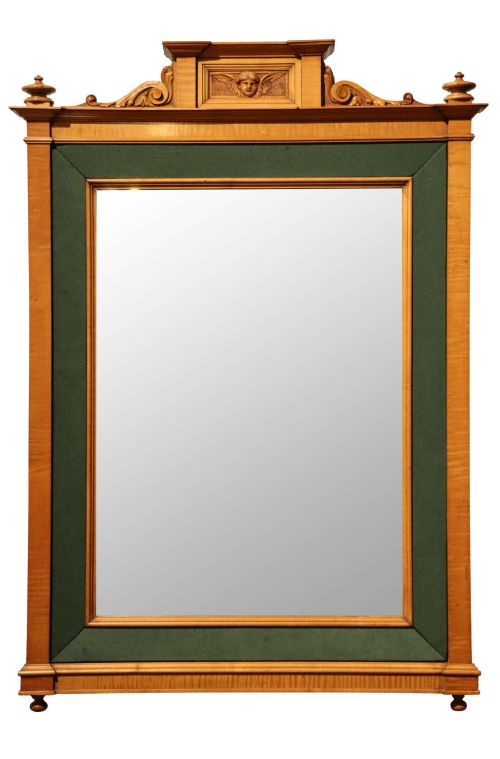
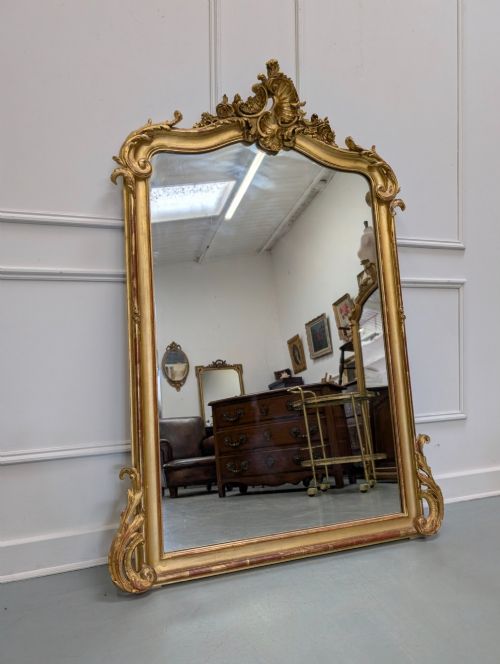
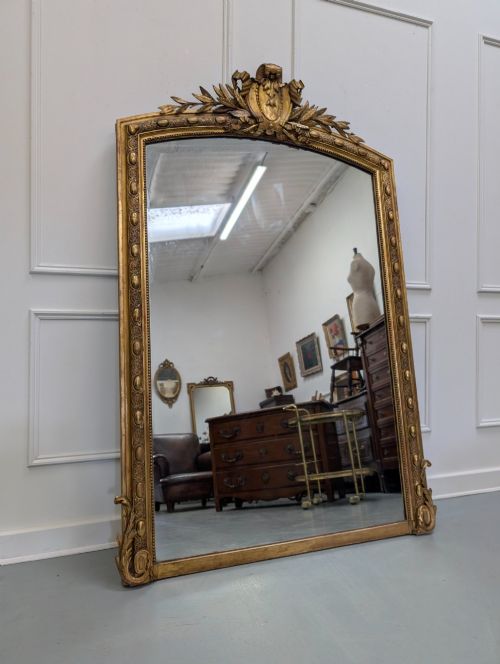
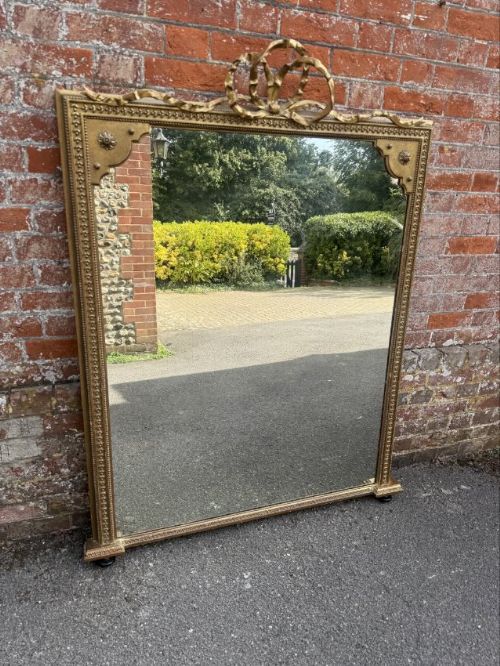
Large Crested Wall Mirror
A large crested wall mirror commands a room through height and elaborate framing, bringing light and historical depth to any interior.
Large Crested Wall Mirror
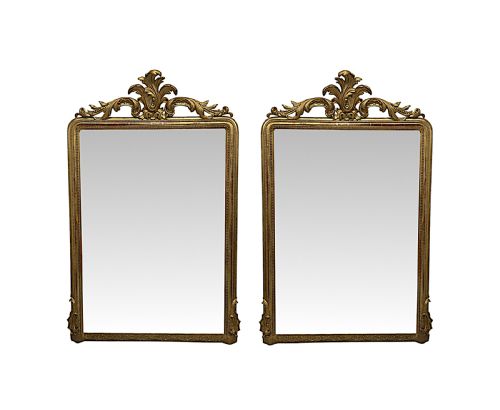
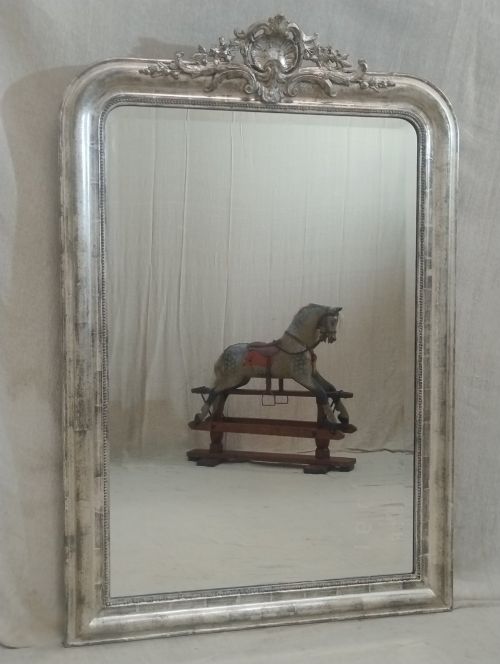
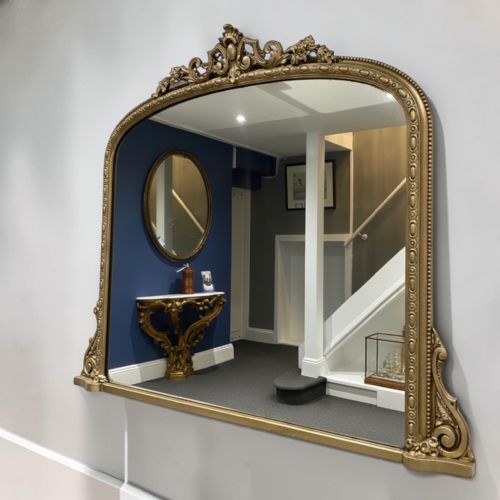
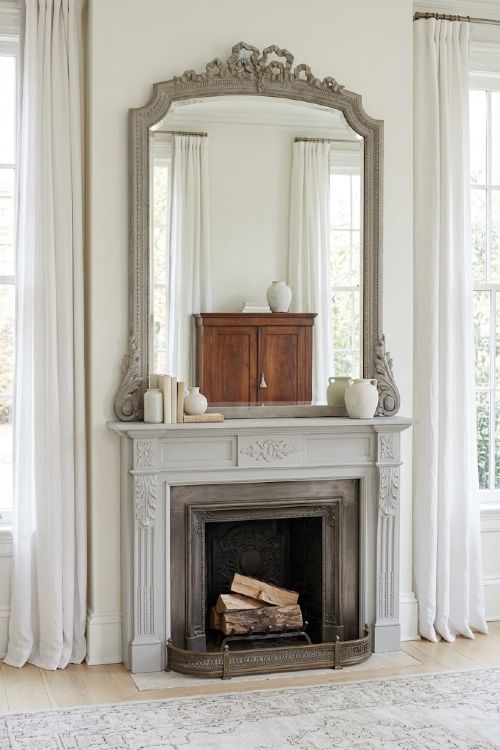
A large crested wall mirror serves as a dominant architectural element, frequently positioned above a fireplace mantel or hung as a central pier glass. These pieces span the nineteenth century, including Victorian, Regency, and Napoleon III periods, alongside French chateau and Rococo Revival styles.
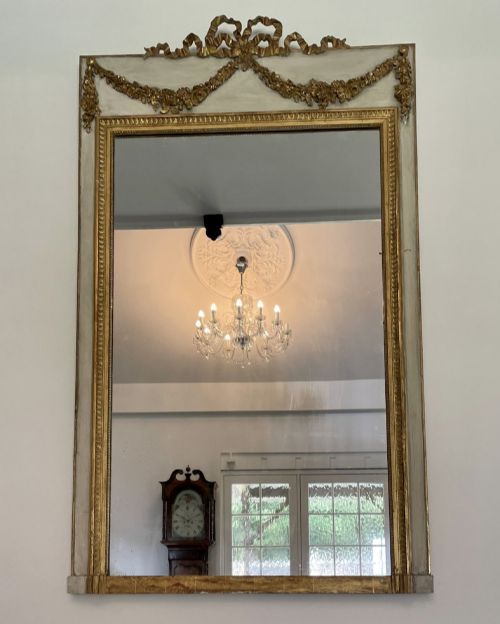
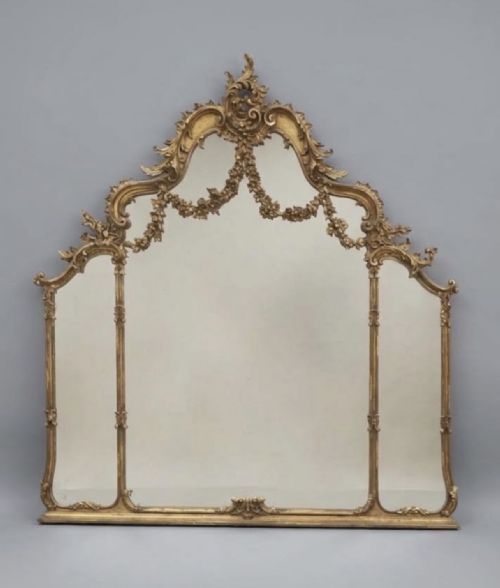
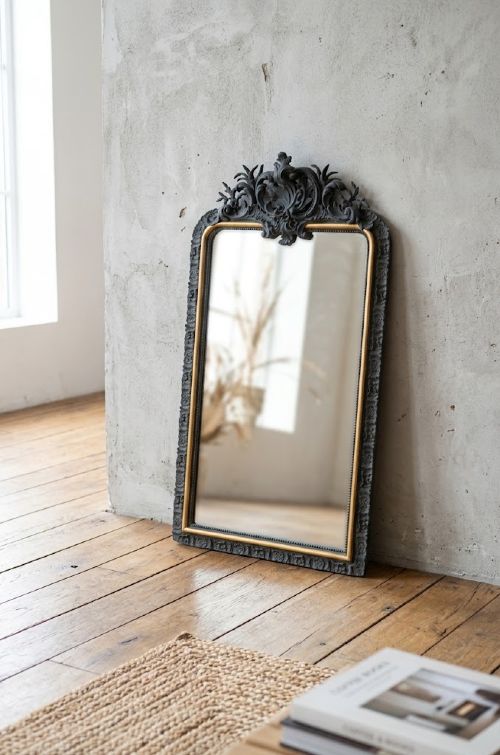
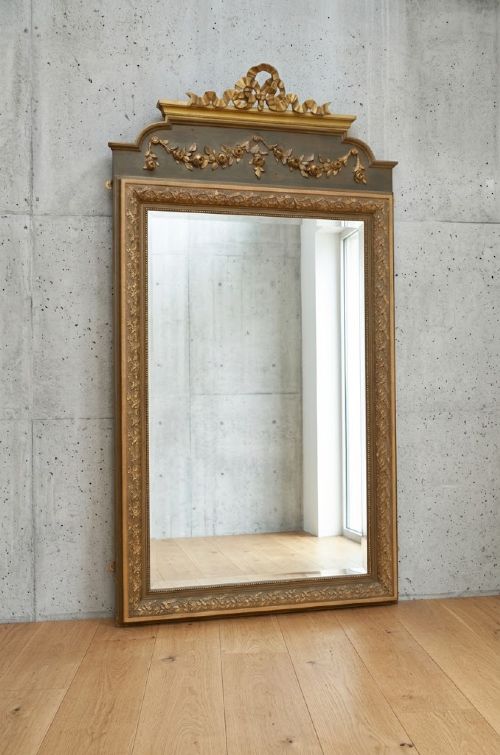
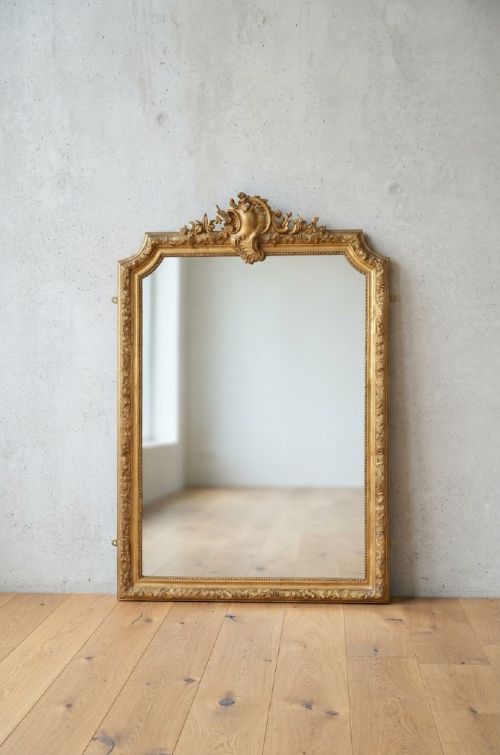
The inventory on this page consists primarily of tall overmantel mirrors and pier mirrors featuring carved crests, ranging from modest nineteenth-century examples to imposing six-foot revival pieces. Forms vary from arch-topped and rectangular frames to oval and trapezoidal formats, often incorporating giltwood, mahogany, or painted wood.
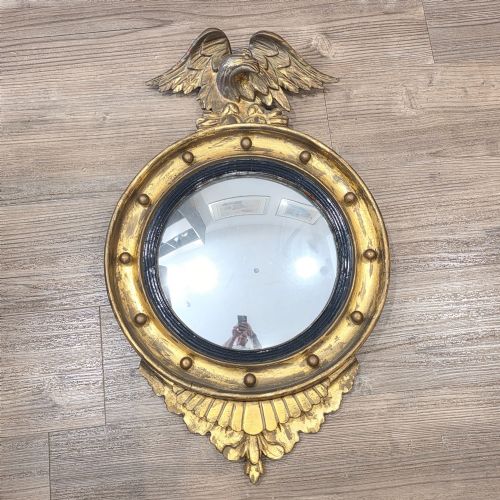
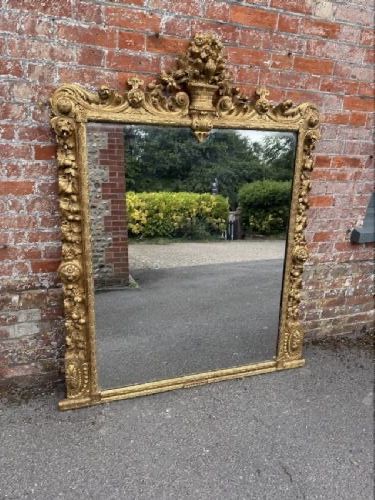
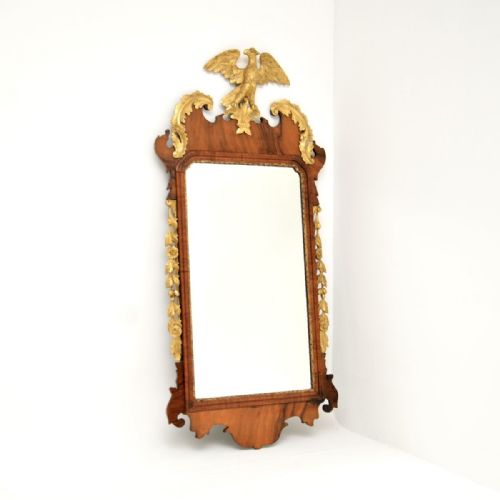
Origins divide between English workshops and continental European centres, notably French and Italian makers working in classical or revival idioms. Buyers encounter pieces surmounted by specific cresting details such as spread eagles, ribbons, urns, swags, and dragon motifs.
How they were made
Makers constructed the primary framework using timber such as mahogany, oak, or pine, upon which they applied layers of gesso to build up sculptural relief. This composition allowed artisans to carve intricate surface ornamentation, including twist frames, scrolls, and floral motifs, before finishing the wood.
Gilding was executed using gold leaf or silver-gilt applied over the prepared gesso ground, creating the reflective metallic surfaces characteristic of nineteenth-century salon mirrors. Glazing involved mirror glass, occasionally taking the form of original bevelled plates or foxed mercury glass in older specimens.
What varies in quality
The depth and crispness of the hand-carved wood and gesso ornamentation dictate the sculptural presence of the crest and frame. Superior examples demonstrate fluid relief work on complex motifs like birds, urns, and foliate scrolls without softening of the underlying detail.
The integrity of the original gilding and the authenticity of the glass plate separate standard production from finer decorative pieces. Original mercury glass or early bevelled plates with natural ageing retain more historical character than later replacements.
The Large Crested Wall Mirror Glossary
- Giltwood
- Wood that has been coated with gold leaf or gold paint. This finish creates a luminous, reflective surface that catches natural light in a room.
- Gesso
- A plaster-like mixture applied to wood frames to provide a smooth base for carving and gilding. It enables artisans to execute sharp, three-dimensional decorative details.
- Overmantel mirror
- A large mirror specifically designed to hang above a fireplace mantel. These pieces frequently match the width of the fireplace surround to anchor the room's proportions.
- Pier glass
- A tall, narrow mirror made to hang on the wall space between two windows. They maximise light reflection in domestic interiors.
- Foxed glass
- Mirror glass that shows age-related degradation, appearing as dark spots or cloudiness behind the glass plate. This condition occurs as the backing deteriorates over decades.
- Parcel-gilt
- A decorative treatment where only specific portions of a wooden object are gilded, leaving other areas of the natural wood grain visible.
Large Crested Wall Mirror: Frequently Asked Questions
Where should I hang a large crested wall mirror?
These mirrors traditionally anchor reception rooms, sitting above a fireplace mantel where their height draws the eye upward. They also function effectively as pier mirrors between windows or as statement pieces on a main hallway wall.
Ensure the wall construction supports the substantial weight of carved wood and glass before hanging. Positioning the piece opposite a window will maximise the reflection of natural light across the space.
What is the difference between an overmantel and a pier mirror?
An overmantel mirror is horizontally proportioned or tall and rectangular, engineered to sit comfortably above a fireplace mantelpiece. A pier mirror is exceptionally tall and narrow, built to fit the architectural wall space between two adjacent windows.
Both forms utilise large crested frames, but their historical placement dictated their dimensions and the orientation of their decorative carvings.
How do I care for antique giltwood frames?
Dust the carved gesso and giltwood surfaces gently with a soft, dry brush to prevent the accumulation of particles in the recessed areas. Avoid using liquid cleaners, polishes, or damp cloths, as moisture can lift the delicate gold leaf and underlying gesso.
Keep the mirror away from direct heat sources and fluctuating humidity to prevent the timber frame from warping and stressing the glass plate.