

Large Classical Urn
A large classical urn brings monumental architectural form and sculptural presence to interior spaces and gardens alike.
Large Classical Urn
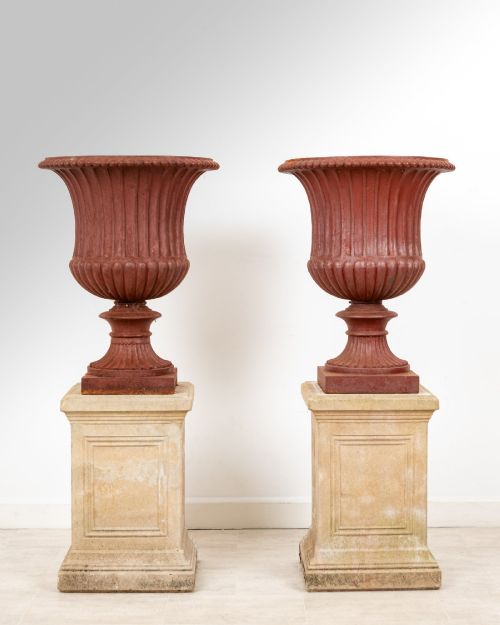
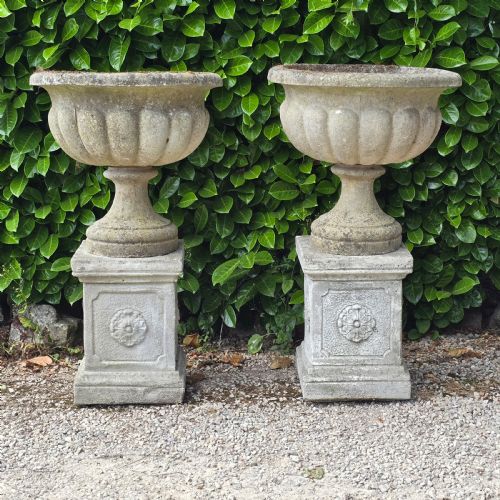
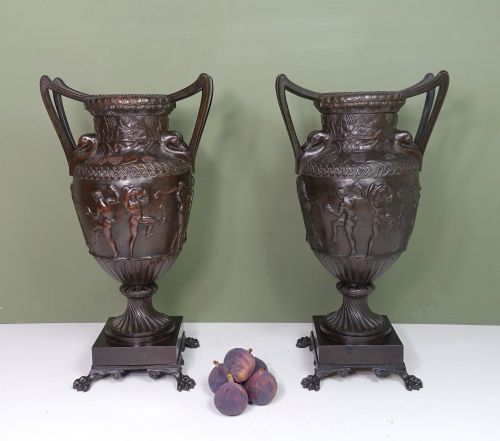
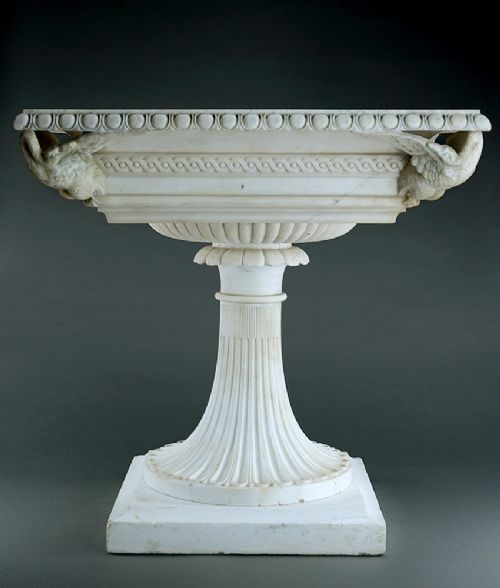
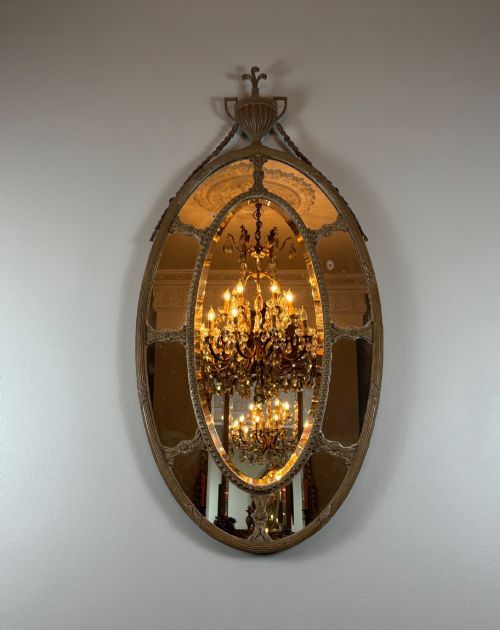
A large classical urn embodies the revived aesthetic of antiquity, taking the form of monumental vessels designed for display in grand interiors and gardens. These pieces draw directly on architectural traditions, appearing most frequently in cast iron for outdoor settings or in porcelain, bronze, and marble for interior decoration. The selection spans distinct revivals, including Neoclassical, Victorian, Adam Revival, and Grand Tour styles.
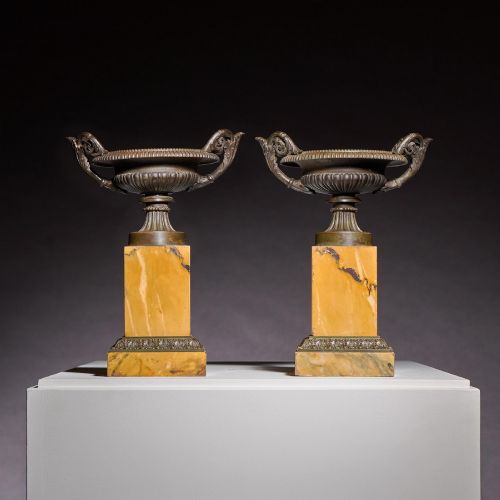
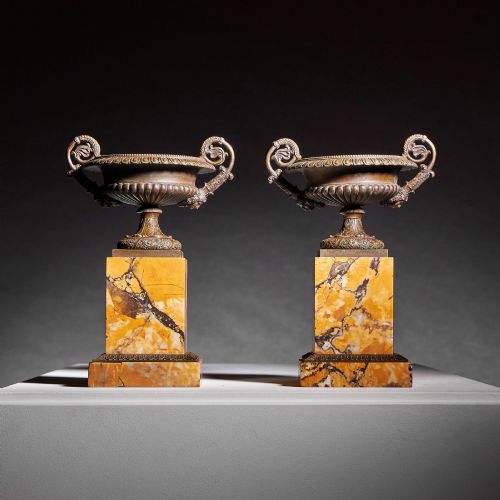
Buyers encounter heavy garden planters alongside refined decorative objects intended for mantelpieces, tables, and architectural consoles. Many examples take the specific shape of campana urns, tazzas, or lidded vases modelled after archaeological discoveries in Italy and France. These objects serve as focal points in a room or landscape, carrying centuries of stylistic evolution from the ancient world into nineteenth-century homes.
How They Were Made
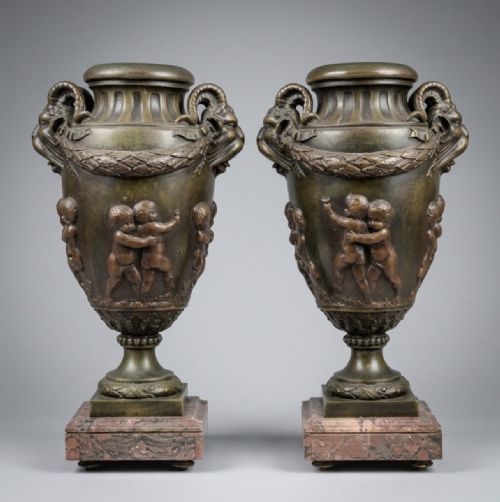
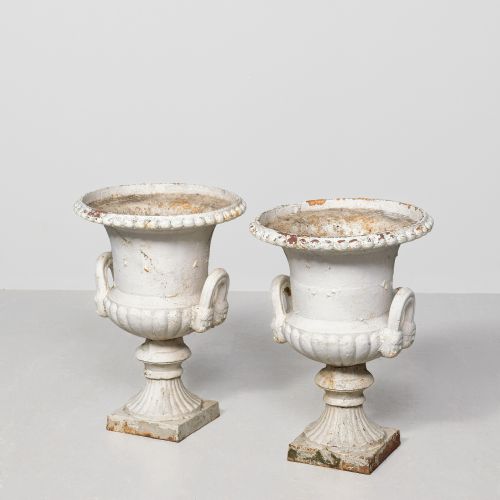
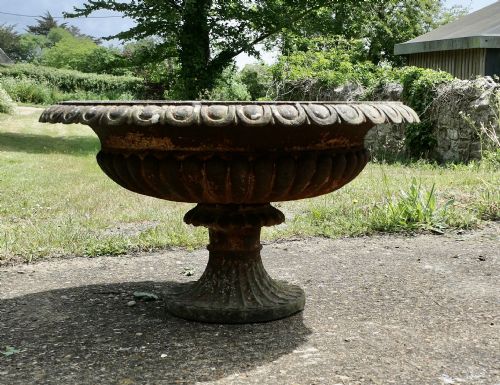
Makers utilised durable metals like cast iron and bronze, often working the latter with gilded bronze or ormolu mounts to achieve rich surface contrast. Cast iron garden vessels required sturdy moulds to capture crisp relief details such as swags, handles, and classical motifs. Bronze pieces frequently involved precision casting followed by chased finishing and patination.
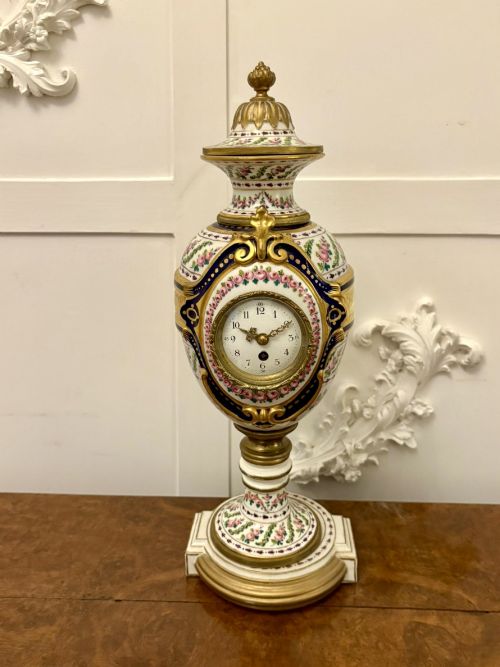
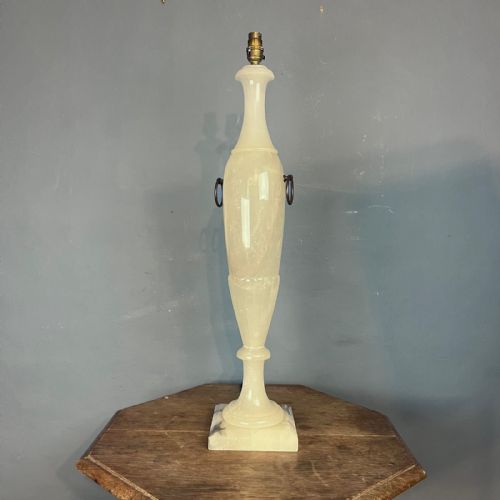
Porcelain and marble examples combined fine ceramic production with hand-painted decoration, enamel work, and sometimes gold leaf highlights. Alabaster and natural stone were turned and polished to reveal complex veining, while terracotta provided a porous, warm-toned medium suited for garden planters and jardinières.
Several heavy iron urns spent a century quietly holding geraniums before finding their way indoors.
What Varies in Quality
The sophistication of the casting or the delicacy of the hand-painted porcelain separates exceptional items from standard production. Superior bronze and iron examples exhibit sharp definition in relief ornament, clean chasing, and well-balanced proportions that mirror ancient archetypes. Inferior pieces often display softer detailing and less refined surface finishes.
Material selection and mounting also dictate standard, with genuine marble bases, heavy ormolu mounts, and complex hand-painted enamel scenes commanding greater artisanal skill. The integration of components, such as how handles attach to bodies or how porcelain meets metal mounts, reveals the underlying standard of workshop execution.
Andrew Handyside·Boschetti·Clodion
The Large Classical Urn Glossary
- Campana
- A bell-shaped vessel with a flared rim and footed base, frequently seen in cast iron garden pieces. This form derives directly from ancient Roman pottery and metalwork.
- Tazza
- A shallow saucer-shaped vessel mounted on a stem and foot, often rendered in bronze or marble. Collectors prize these for their elegant proportions and association with Grand Tour travel.
- Ormolu
- Gilded bronze mounts applied to porcelain, marble, or wood surfaces. This technique adds metallic richness and decorative contrast to ornamental urns and clocks.
- Grand Tour
- A period of cultural travel through Europe undertaken by the wealthy during the eighteenth and nineteenth centuries. Souvenirs from these journeys included small bronzes, marble models, and architectural urns.
- Jardiniere
- An ornamental pot or stand designed to hold growing plants or floral arrangements. These appear in terracotta, majolica, and cast iron across garden and interior settings.
Large Classical Urn: Frequently Asked Questions
Where were large classical urns originally displayed?
These vessels historically occupied prominent positions in formal gardens, courtyards, and grand interior reception rooms. Wealthy collectors displayed them on stone pedestals or marble mantelpieces to signal classical learning and taste.
Over time, interior versions transitioned into decorative objects placed on tables or used as the body for table lamps and mantel clocks.
How do I distinguish cast iron from bronze?
Cast iron is heavier, magnetic, and typically found on garden urns and planters that feature a dark painted or weathered surface. Bronze is non-magnetic, denser, and often finished with a warm brown or green patina.
Bronze items also tend to receive finer chased surface details because the metal accepts crisp ornamentation more readily than iron.
Can cast iron urns stay outside all year?
Cast iron garden urns are built to withstand outdoor environments, developing a weathered patina over decades of exposure. Proper drainage prevents water from collecting and freezing within the bowl during colder months.
Many examples listed today show substantial weathering from long periods spent in gardens and courtyards.