




Large Ceramic Pots
Large ceramic pots bring weight and history to interiors and gardens, spanning centuries of global potting traditions from English majolica to Japanese Imari.
Large Ceramic Pots
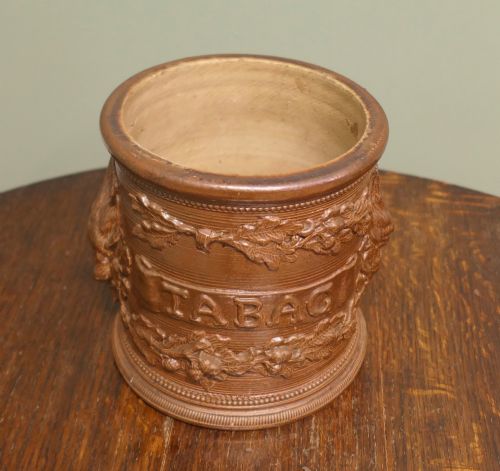
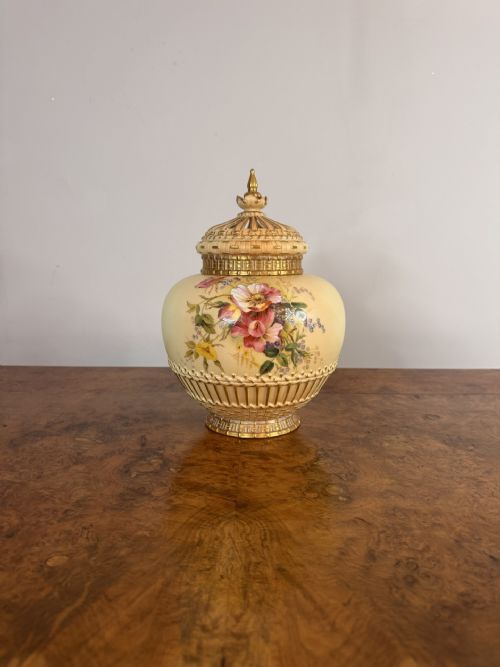
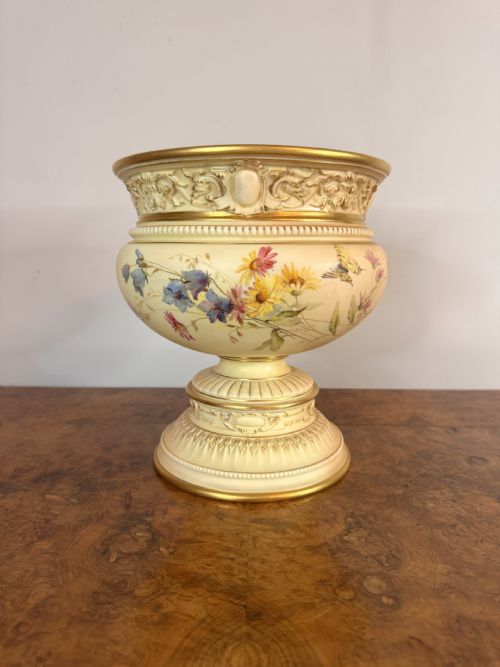
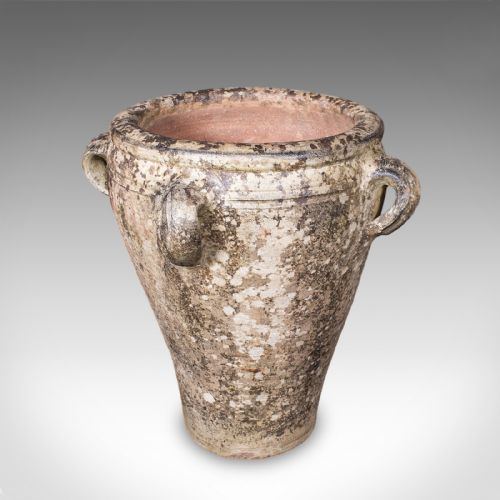
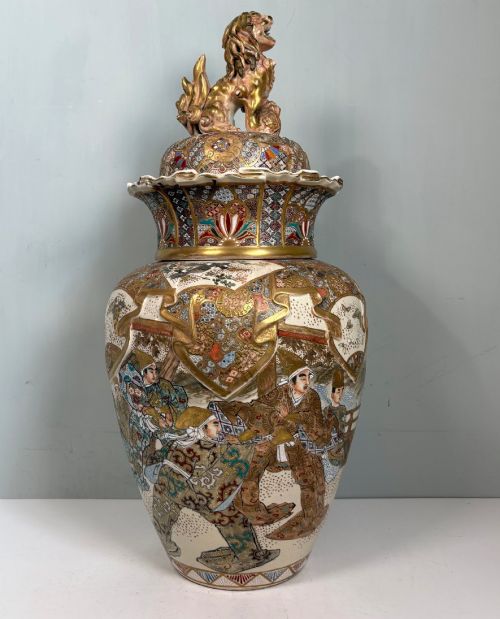
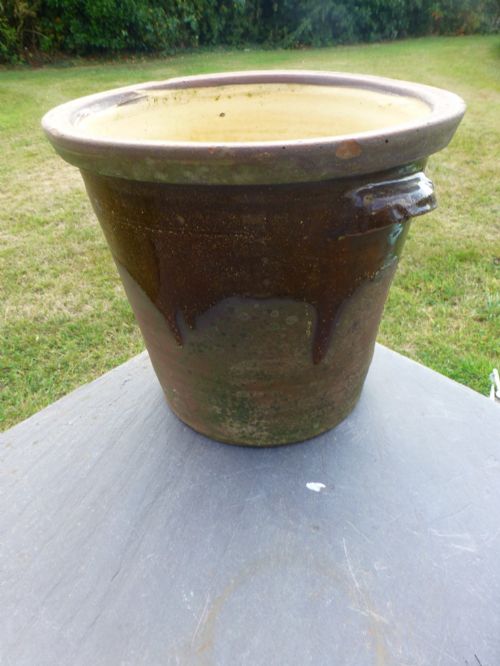
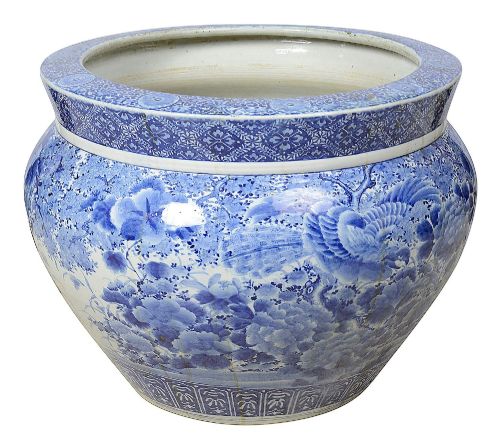
Large ceramic pots cover a broad sweep of functional and decorative vessels gathered under this phrase, moving from garden planters and garden urns to domestic apothecary jars and massive fish bowls. You will frequently meet utilitarian terracotta oil jars, rustic olive jars from the Mediterranean, and substantial Victorian garden pots alongside refined porcelain jardinieres.
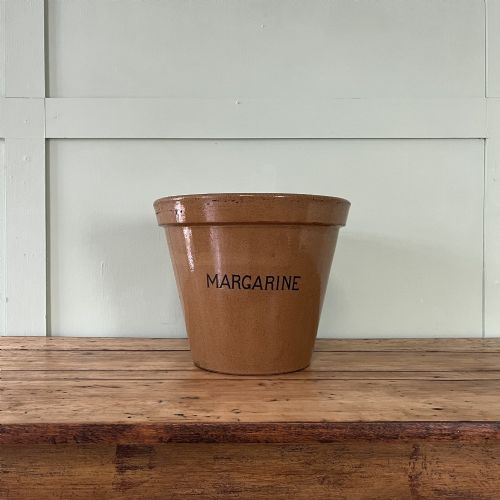
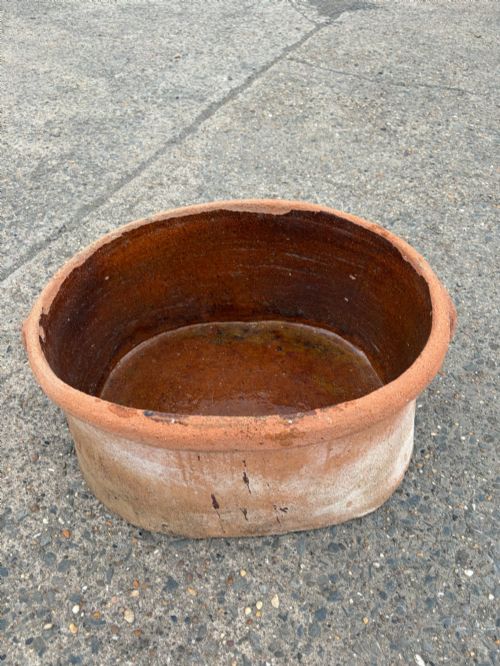
The objects originate from diverse domestic and international kilns, bringing together English terracotta, French earthenware, Italian majolica, and Asian porcelain from the eighteenth, nineteenth, and early twentieth centuries. Forms range from heavy dairy salting crocks and margarine bowls to grand ornamental jardiniere stands and decorative brush pots.
Makers and regional potteries span local British operations like Bretby Pottery and Compton Pottery through to continental factories and East Asian export wares. Buyers searching this phrase encounter vessels designed to hold plants, mature trees, oils, or water, each carrying the marks of its original domestic, agricultural, or decorative purpose.
How they were made
Potters built these substantial vessels using durable clay, terracotta, and stoneware bodies, often thrown on large wheels or shaped in heavy moulds to support the weight of the walls. Earthenware and terracotta bodies were left porous for garden use or coated with glazes to hold liquids.
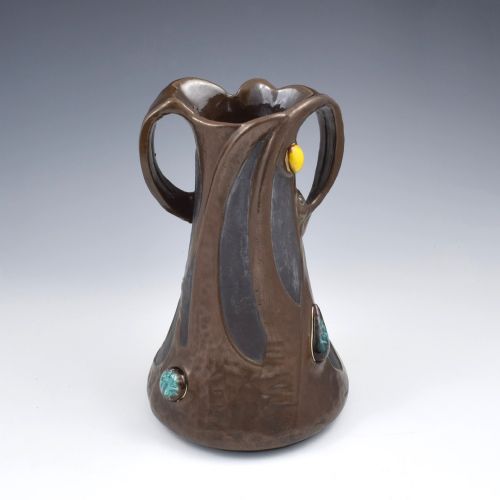
Surfaces received intricate treatments including hand-painted underglaze blue, majolica enamels, copper effect finishes, and applied jewelled cabochons. Firing took place in traditional kilns, yielding varied surface textures from weathered terracotta patina to glossy porcelain.
Large Ceramic Pots Retail Price Guide 2026
Typical asking prices for large ceramic pots among the pieces listed under this phrase on Sellingantiques today, from the lower quarter to the upper quarter. They describe what is for sale here now, not the wider market.
Listings feature items from the 18th century, 19th century, and early 20th century, utilising terracotta, earthenware, porcelain, and stoneware.
What varies in quality
Quality rests in the crispness of the moulding, the depth and execution of the hand-painting, and the integrity of the ceramic body. Pieces from established potteries display superior glaze consistency and finely balanced proportions.
Age and weathering alter the surface character, where genuine outdoor patina and stable historical wear outrank superficial damage. The balance between decorative ambition and structural robustness defines the standing of each vessel.
Royal Worcester·Bretby Pottery·Compton Pottery·Minton·Moorcroft Macintyre And Co·George Jones
The Large Ceramic Pots Glossary
- Jardiniere
- An ornamental ceramic pot designed to hold a plant or flower arrangement, often displayed on a matching stand or table. These vessels became particularly popular during the Victorian period.
- Albarello
- A type of ceramic jar used in pharmacies and apothecaries to hold dry drugs, ointments, or syrups. They typically feature an incurved waist for easy gripping.
- Majolica
- A type of earthenware decorated with opaque coloured tin glazes, known for bright hues and moulded relief decoration. English and continental potteries produced substantial jardinieres in this taste.
- Terracotta
- Unglazed or fired porous clay ranging in colour from orange-brown to red. It is widely utilised for garden urns, oil jars, and plant pots due to its breathability.
- Imari
- A style of Japanese porcelain featuring a distinct palette of underglaze blue, iron red, and gold. Large export pieces were produced for Western drawing rooms.
Large Ceramic Pots: Frequently Asked Questions
How were large ceramic pots used historically?
These vessels served diverse practical roles in homes, dairies, and gardens, functioning as storage containers for oil, olives, and dry goods, or as vessels for medicinal drugs.
Larger specimens were also cast as garden planters, fish bowls, or ornamental jardinieres designed to bring greenery inside Victorian or Edwardian spaces.
Can I leave terracotta garden pots outside in winter?
Porous terracotta and earthenware absorb moisture, which can expand and crack the ceramic body during hard frosts if left sitting directly in damp soil.
Gardeners often elevate these pots on feet and store sensitive or porous antique pieces under cover during freezing weather to preserve the material.
How do I tell an antique jardiniere from a modern reproduction?
Antique pieces show authentic age-related wear, such as crazing in the glaze, surface patination, and hand-finished details that reflect nineteenth or early twentieth-century production methods.
Examining the base, weight, and potting technique helps reveal the historical origin of the ceramic body.
What is the difference between an oil jar and a jardiniere?
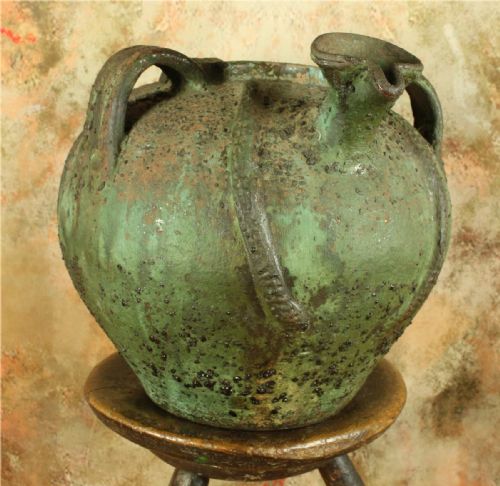
Oil jars are heavy utilitarian storage vessels, often made of terracotta with multiple handles for transporting agricultural goods like olive oil across the Mediterranean.
Jardinieres are decorative indoor vessels created specifically to house potted plants, frequently featuring painted glazes, majolica reliefs, or fine porcelain bodies.