


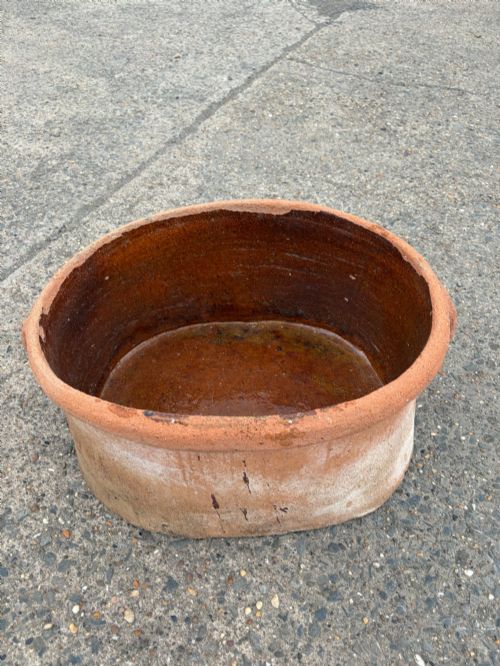
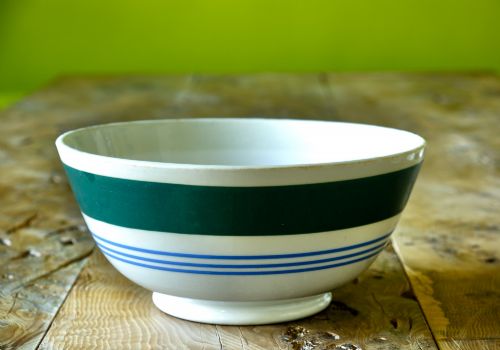


Large Ceramic Basin
A large ceramic basin offers generous capacity and substantial presence, bringing history and utility together in one weighty vessel.
Large Ceramic Basin
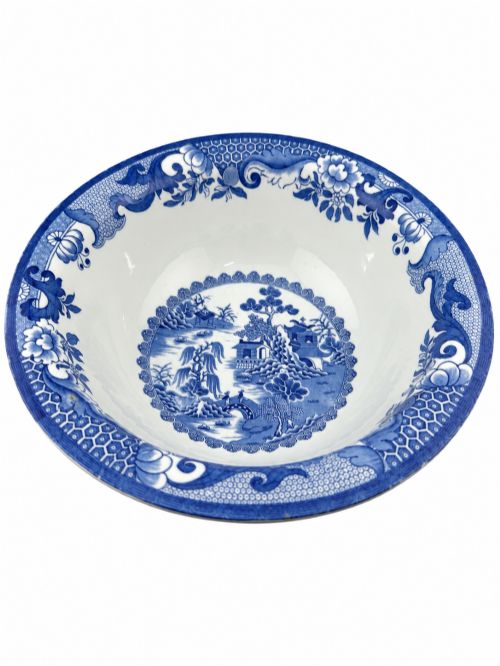
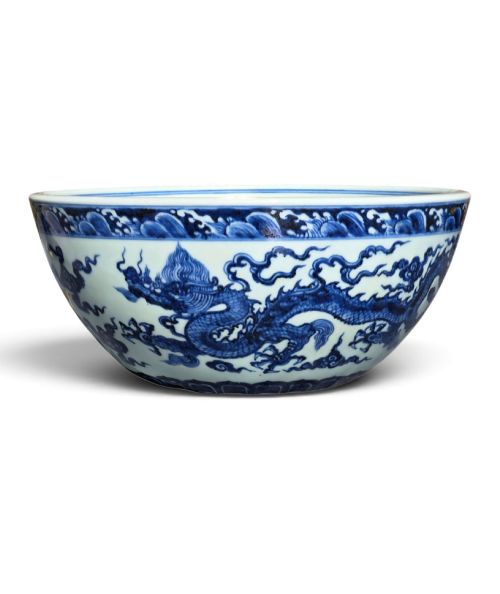
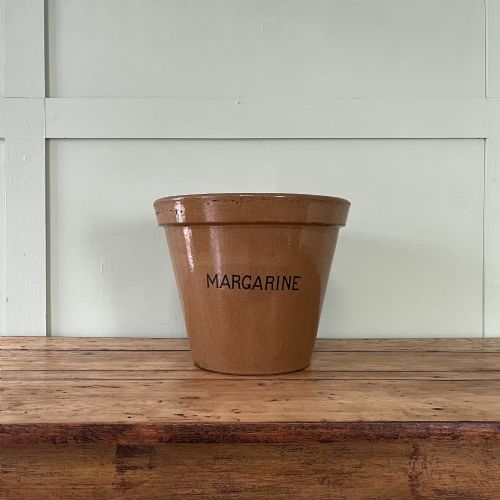
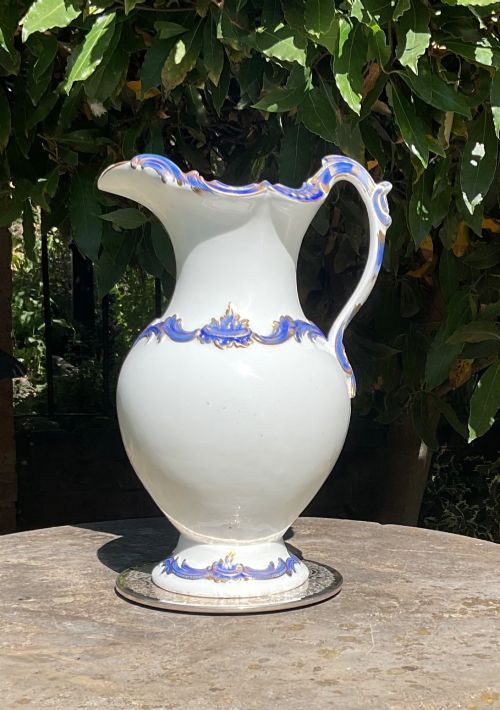
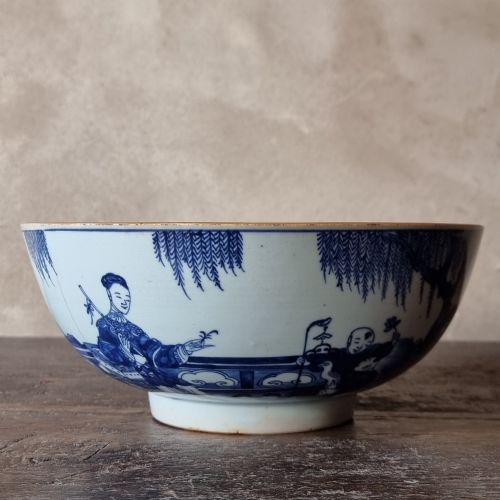
When you search for a large ceramic basin, you encounter deep vessels created for practical utility or decorative display across centuries. The selection ranges from nineteenth-century earthenware dairy bowls and terracotta pancheons to eighteenth-century Chinese porcelain punch bowls and Japanese Imari jardiniere forms.
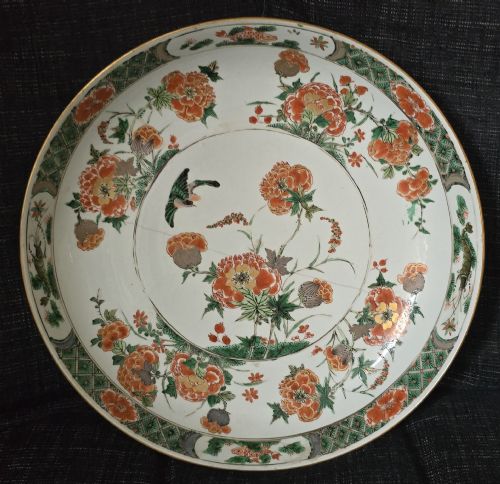
You are most likely to meet robust nineteenth-century examples intended for heavy domestic tasks, alongside colourful hand-painted export porcelain designed for grand interiors. These pieces survive in various forms, including footbaths, punch bowls, and kitchenalia.
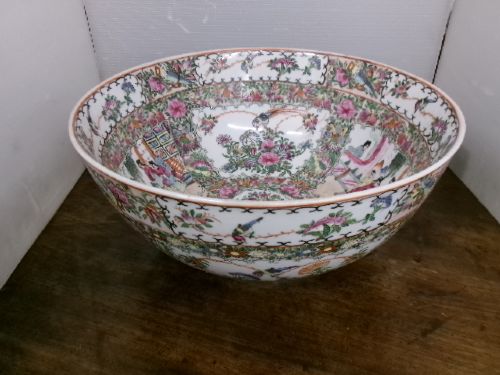
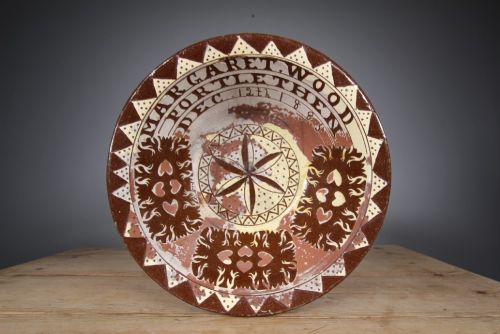
Origins stretch from English country potteries to Asian export kilns, reflecting diverse historical domestic and ceremonial uses. Each basin demonstrates the specific regional traditions of its maker, whether through simple slipware or elaborate famille rose decoration.
Materials and methods
Potters shaped these large vessels from earthenware, stoneware, terracotta, and porcelain, applying glazes to seal the porous bodies. Earthenware and terracotta pieces frequently feature interior lead or coloured glazes to hold liquids for dairy or washing purposes.
Porcelain and ironstone versions relied on high-temperature firing techniques and hand-painted cobalt blue or polychrome enamel motifs. Artisans decorated many Asian export pieces with intricate hand-painting, sometimes enhanced with gilt or gold leaf details.
Materials represented include porcelain, terracotta, earthenware, and stoneware alongside glazed and enamel finishes.
Judging quality in large basins
Quality rests in the balance of the thrown form, the stability of the heavy walls, and the crispness of any hand-painted decoration. A superior piece maintains symmetry despite the technical challenges of firing such large quantities of clay.
Surface finish distinguishes ordinary domestic utility wares from exceptional decorative pieces, particularly in the depth of the glaze and the precision of the hand-painted motifs. The clarity of underglaze blue or the vibrancy of famille rose enamels elevates the standing of the vessel.
Mann Co·Ryuzan·T G Green·Copeland·Masons
The Large Ceramic Basin Glossary
- Jardiniere
- A large ornamental pot or basin designed to hold a plant or flower arrangement. These ceramic vessels often sit on floors or sturdy stands.
- Punch bowl
- A large deep basin traditionally utilised for mixing and serving alcoholic punch at social gatherings. Eighteenth-century examples frequently feature hand-painted Chinese export decoration.
- Footbath
- An oversized ceramic basin with handles or shaped rims intended for bathing feet in Victorian households. They share heavy proportions with large dairy bowls.
- Pancheon
- A wide earthenware or terracotta basin used in traditional dairies for setting milk and rising bread. These utilitarian vessels display practical glazed interiors.
- Imari
- A style of Japanese export porcelain decorated in underglaze blue, iron red, and gilt. Pieces display intricate panelled designs originating from the Edo period.
Large Ceramic Basin: Frequently Asked Questions
What were large ceramic basins used for?
These large vessels served numerous practical roles in historical homes, from dairy work and washing to food preparation. Utilitarian earthenware bowls handled milk setting and kitchen tasks, while porcelain punch bowls presided over formal dining.
Other heavy forms like footbaths and jardiniere pots accommodated personal hygiene and indoor plant display. Their generous capacity made them indispensable before modern indoor plumbing and plastic containers.
How do I care for a heavy ceramic bowl?
Place your basin on a stable, level surface capable of supporting considerable weight, especially when filled with water or plants. Clean the ceramic gently with warm water and a mild soap, avoiding harsh abrasives that might damage historic glazes.
Take care when moving heavy terracotta or earthenware pieces to prevent chipping the rims. Protect wooden furniture underneath older pots by using appropriate waterproof saucers or pads.
How can I tell the age of a basin?
Examine the base, glaze characteristics, and potting style to determine the likely period of manufacture. Eighteenth-century Chinese export pieces display specific potting traits and hand-painted palettes distinct from Victorian utility wares.
Look for maker marks, registration stamps, or characteristic wear patterns on the underside. Subtle irregularities in the body often indicate hand-thrown methods typical of nineteenth-century country potteries.
Are these bowls waterproof for plants?
Most glazed ceramic and porcelain basins hold water successfully, making them suitable for direct planting or use as cachepots. Terracotta and unglazed earthenware bodies may remain slightly porous, allowing moisture to seep slowly through the clay.
Inspect the interior glaze coverage before filling older dairy bowls or terracotta pancheons with water. Placing a protective liner inside unglazed historical vessels prevents moisture damage to delicate surfaces.