

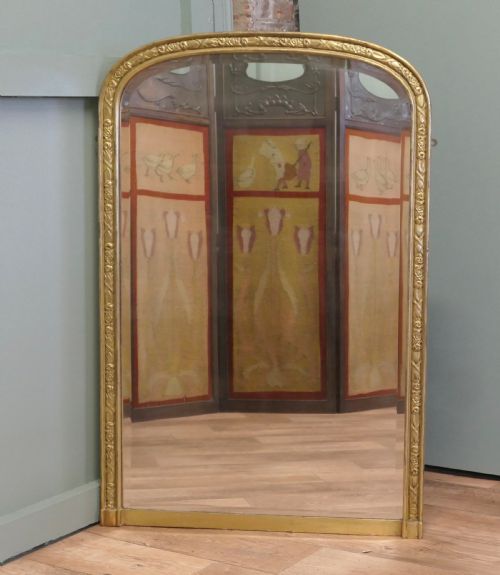
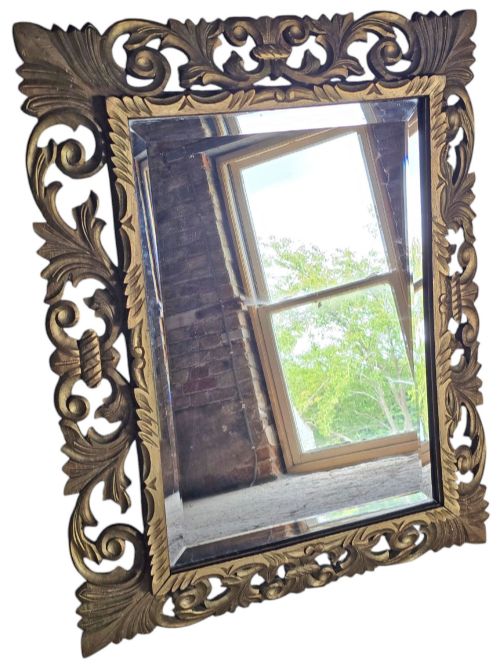
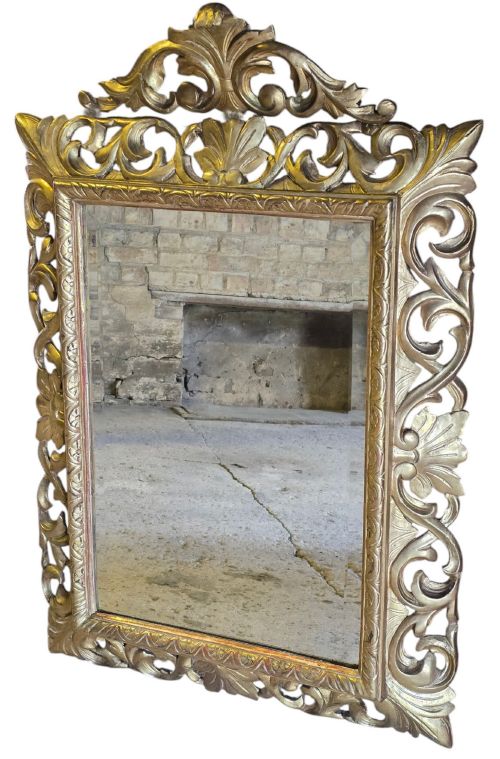
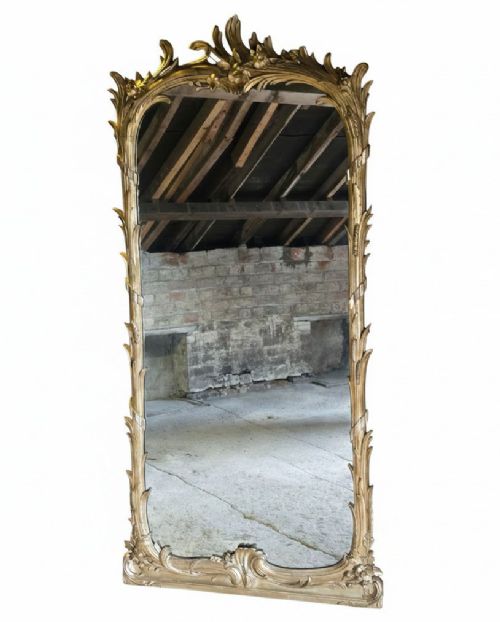
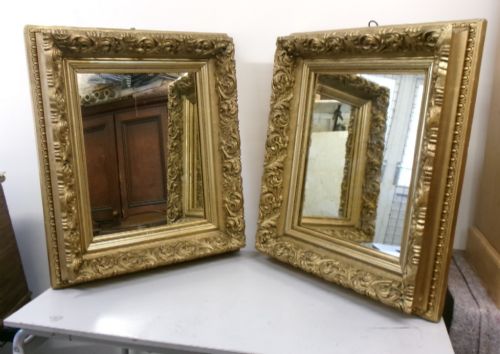


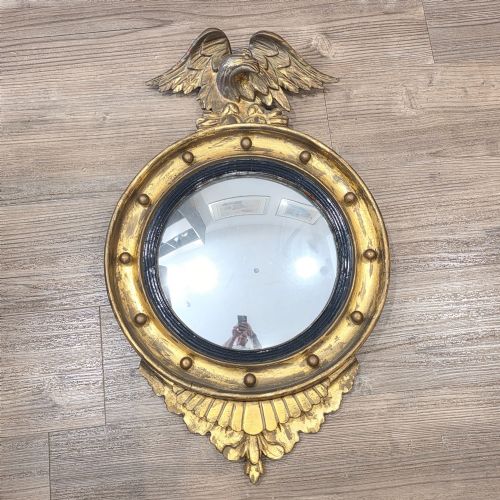
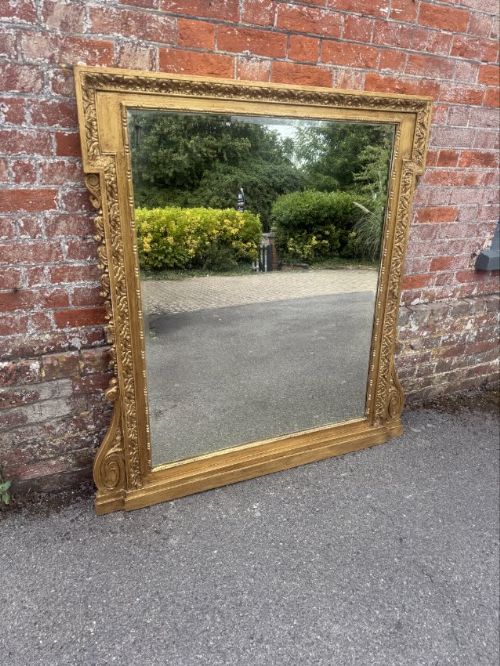
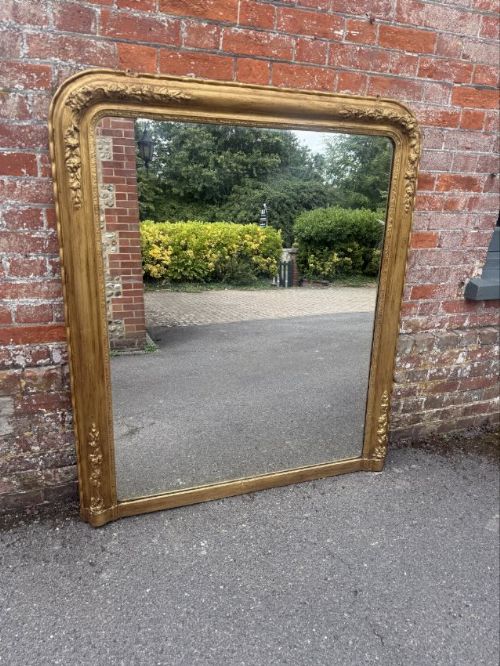
Large Carved Wall Mirror
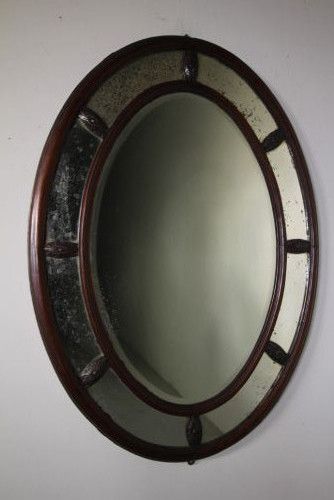
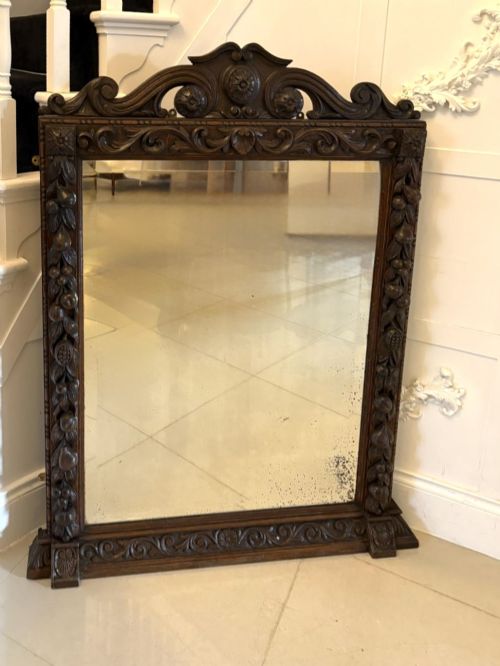
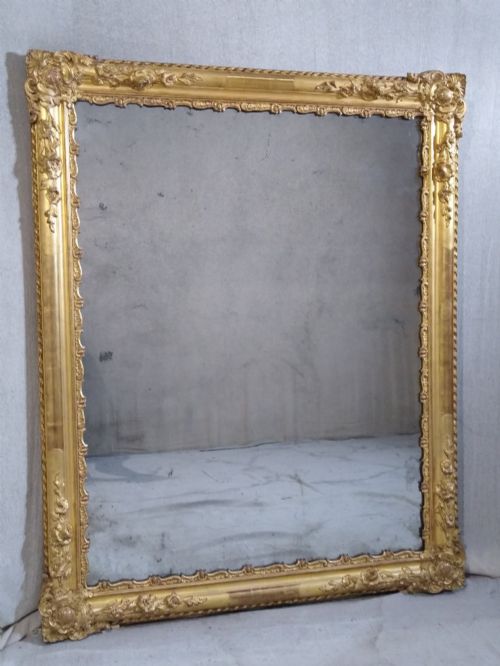
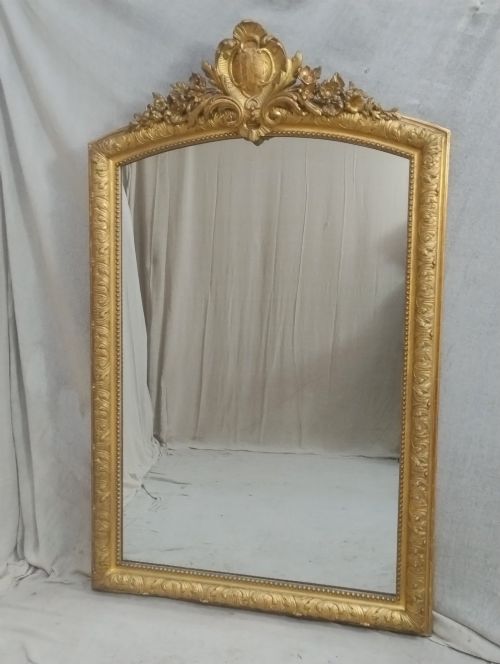
These large carved wall mirror examples bring scale and texture to a room, drawing the eye with rich framing.
Large Carved Wall Mirror
A large carved wall mirror commands attention in a room, offering both practical reflection and substantial decorative presence. When searching for a large carved wall mirror, buyers encounter formats ranging from grand overmantels to tall pier glasses.
The pieces appearing here span the nineteenth century, the Victorian era, and around nineteen hundred, alongside specific styles like Italian Rococo and French Chateau. Oak and giltwood dominate the selection, creating strong visual anchors for domestic interiors.
Overmantel mirrors feature prominently in the evidence, designed historically to sit above fireplace mantelpieces. Alternative forms include oval shapes, cushion frames, and rectangular wall-hanging formats.
Materials and Construction
Carvers shaped these frames from hardwoods such as oak, walnut, mahogany, and chestnut, as well as softer pines and giltwood. Gesso layers often provided a smooth base for subsequent gilding or paint finishes.
Glass plates, sometimes bevelled, sit within rebated frames secured by traditional joinery methods. Artisans utilised hand chisels and gouges to execute deep relief carving across the wooden mouldings.
Retail Price Guide 2026
Typical UK retail prices for large carved wall mirror, calculated from the Sellingantiques database of over a million retail prices indexed since 2003. This retail price guide relies exclusively on Sellingantiques data; no external sources or auction records are used, so the figures do not describe the wider market.
Recorded styles span French Chateau, Italian Rococo, Rococo Revival, and Chippendale style alongside vernacular country house furniture.
Defining Quality and Craftsmanship
Depth and clarity of the hand carving separate standard frames from superior examples. Crisp undercut details in giltwood or oak show the carver's confidence and control.
The harmony between the glass and the frame indicates original conception versus later assembly. Heavier, older mercury or polished glass plates reflect light differently than modern replacements.
The Large Carved Wall Mirror Glossary
- Giltwood
- Wood coated with gold leaf or metal leaf over a prepared gesso ground. This finish catches the light and adds warmth to ornate frames.
- Overmantel mirror
- A wide mirror designed specifically to hang above a fireplace mantel. These pieces often anchor the proportions of a principal reception room.
- Gesso
- A plaster mixture applied to wood frames to create a smooth surface for gilding or painting. It holds fine detail when moulded or carved.
- Pier glass
- A tall mirror intended to hang on the wall space between two windows. They reflect additional daylight into dimly lit historic rooms.
- Cushion frame
- A frame profile with a rounded, convex section resembling a pillow. This style gained popularity in northern European and later revival pieces.
Frequently Asked Questions
How do I hang a heavy mirror safely?
Large framed mirrors require secure fixings into structural wall studs or masonry rather than plaster alone. Heavy overmantels often utilise distributed weight systems or lower support brackets.
Consult a professional installer to assess the wall material before mounting timber and glass objects of substantial scale.
Where should I place an overmantel mirror?
Traditionally positioned directly above a fireplace, an overmantel mirror reflects light from opposing windows across the room. This placement balances the architectural weight of the hearth below.
Modern interiors use the same principle on empty chimney breasts or large expanses of hallway wall to increase spatial depth.
What indicates a Victorian date?
Victorian pieces frequently combine heavy oak framing with deep relief carving or extensive giltwood ornamentation. Proportions tend to be generous, catering to large nineteenth-century domestic spaces.
Construction techniques, timber types, and backboards help differentiate these pieces from later twentieth-century revival furniture.
Can these mirrors be cleaned safely?
Dust timber frames gently with a dry, soft cloth to prevent moisture damage to old gilt or paint layers. Avoid commercial sprays that might seep into joints or aged mirror foil.
Use mild glass cleaner sparingly on a cloth rather than spraying directly onto the glass surface, protecting the historic edges.