
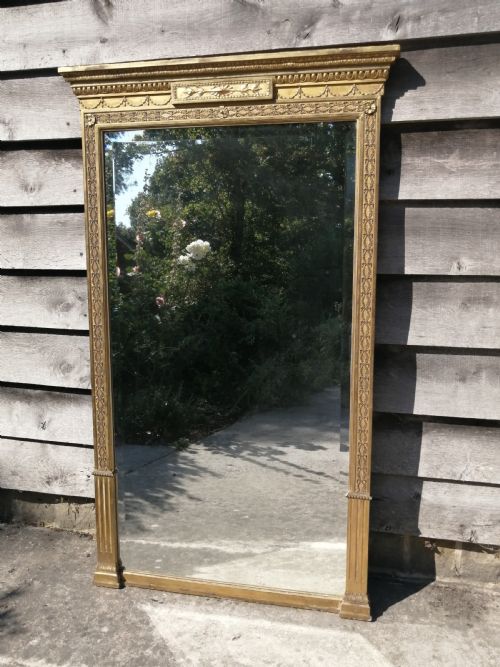
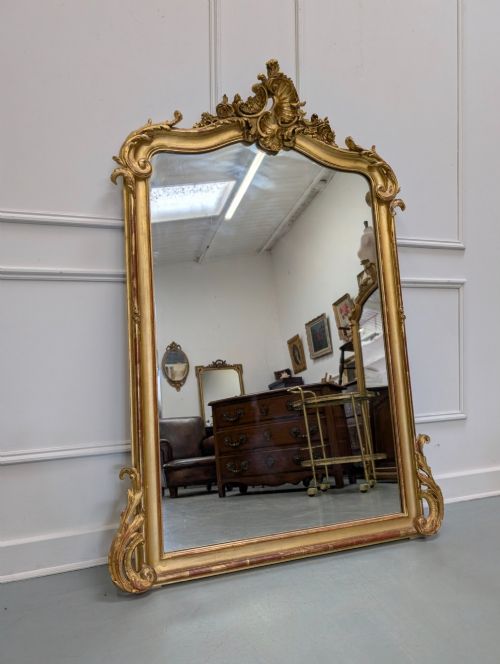
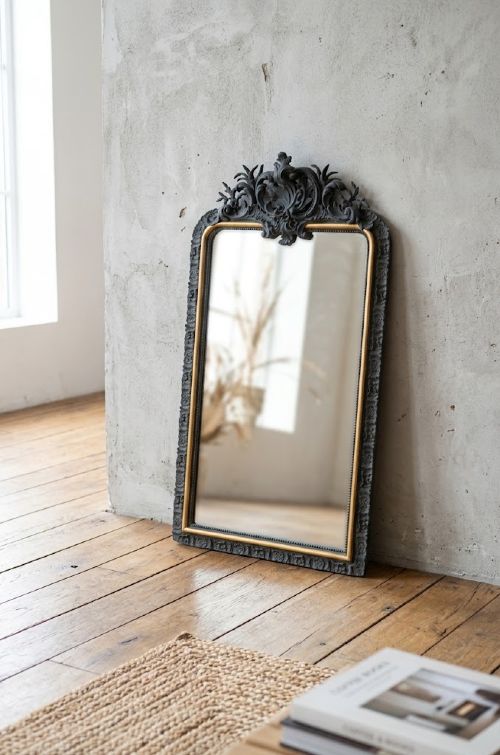
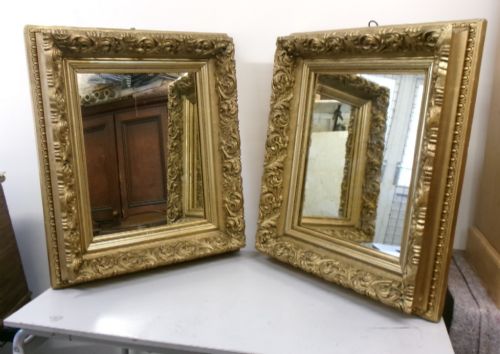

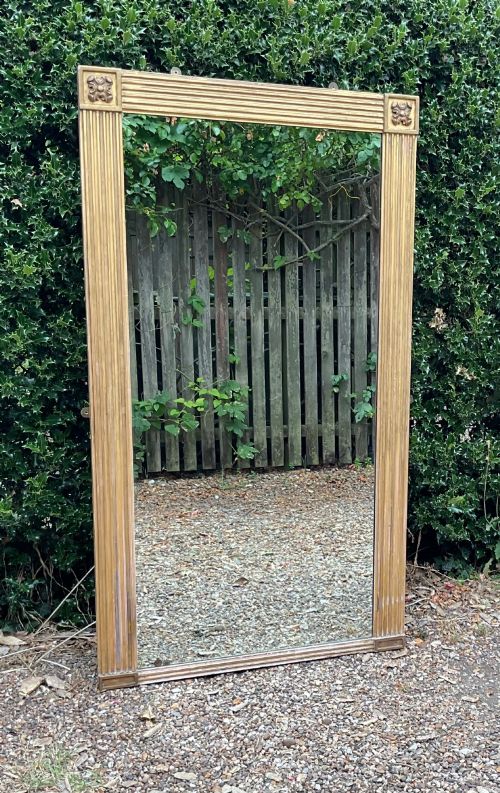

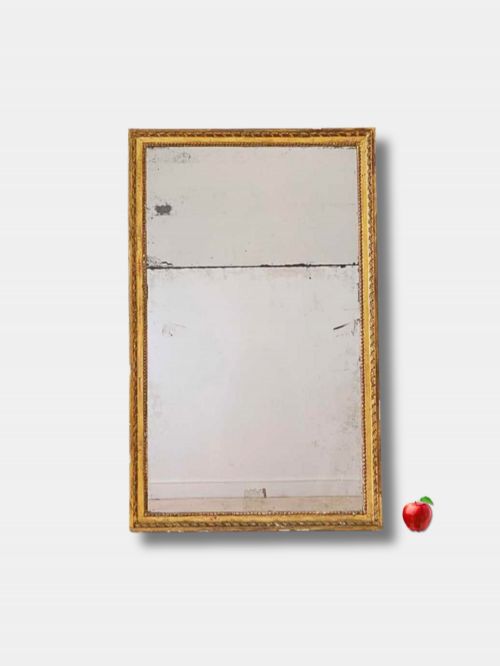
Large Carved Pier Glass
A large carved pier glass brings height and reflected light to a principal room, anchoring the wall between windows with classical presence.
Large Carved Pier Glass
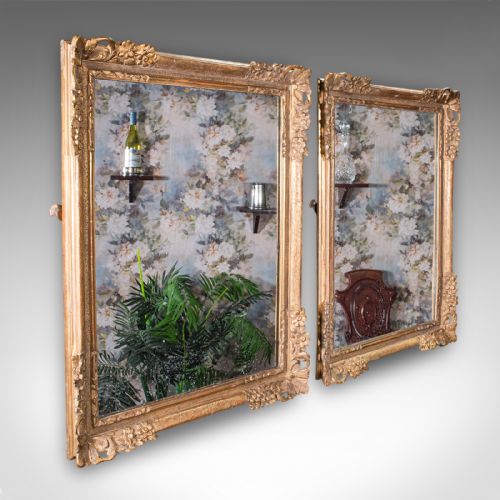
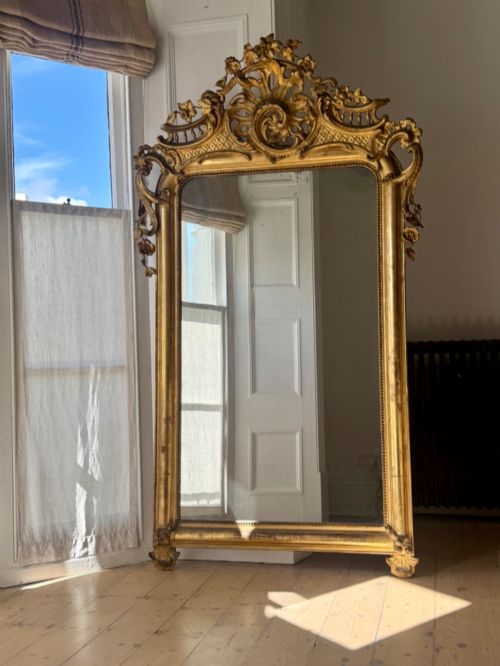
A large carved pier glass is a substantial wall mirror designed specifically to hang on the narrow pier of wall between two windows. These pieces command attention through their scale and elaborate framing, serving as architectural focal points within reception rooms and grand halls.
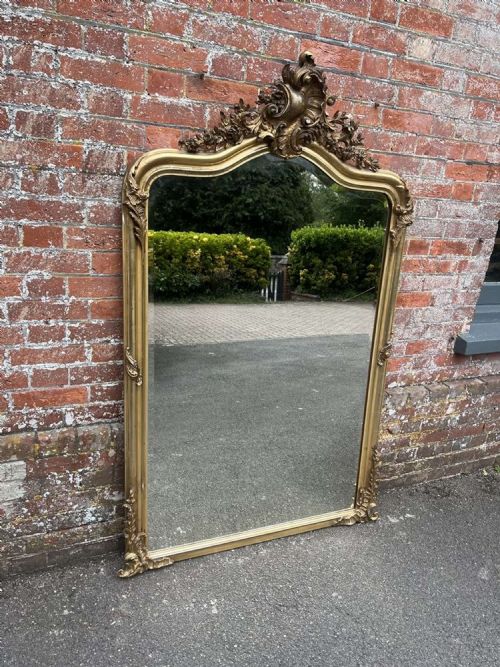
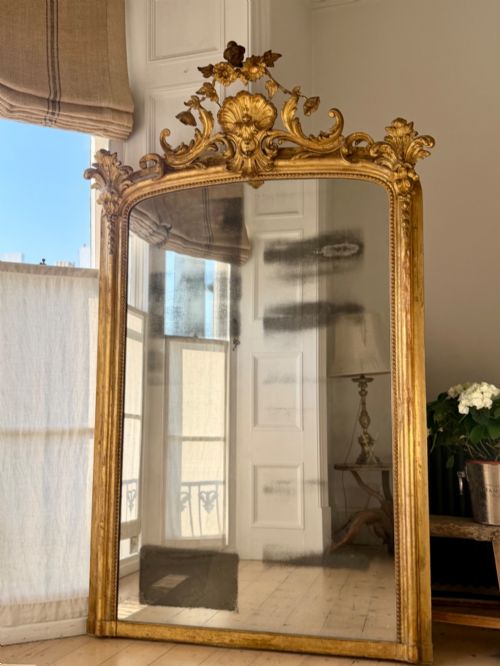
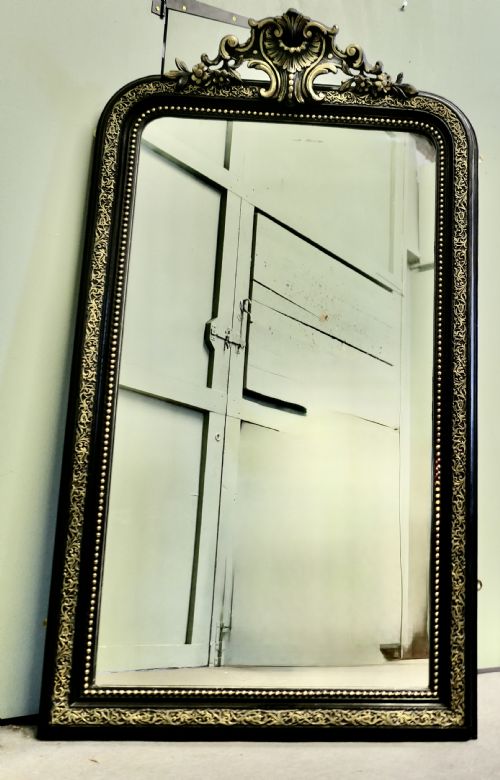
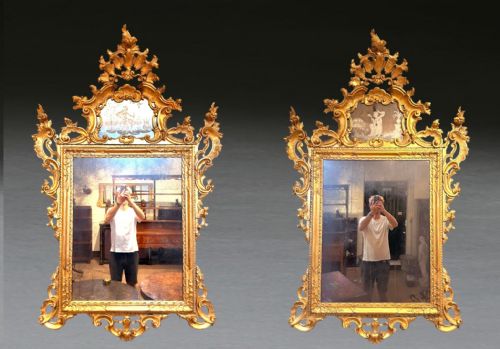
The selections available span periods from the eighteenth century through the nineteenth century, encompassing Georgian, Regency, and Victorian eras alongside continental French and Italian workshops. The most common examples meeting this search phrase are nineteenth-century giltwood pieces featuring ornate carved decoration and tall vertical proportions.
Materials and Construction
Frames are constructed from carved wood, frequently layered with gesso to build up high-relief ornamentation before being finished with gold leaf, silver gilding, or paint. Many examples incorporate composition mouldings for intricate detailing, while cabinetmakers also utilised mahogany, walnut, and parcel-gilt techniques.
The glazing typically employs original mercury glass plates, often showing characteristic foxing and age spots that reflect the historical authenticity of the piece. These heavy plates are secured within robust wooden carcasses designed to support the significant vertical weight.
Distinctions in Quality
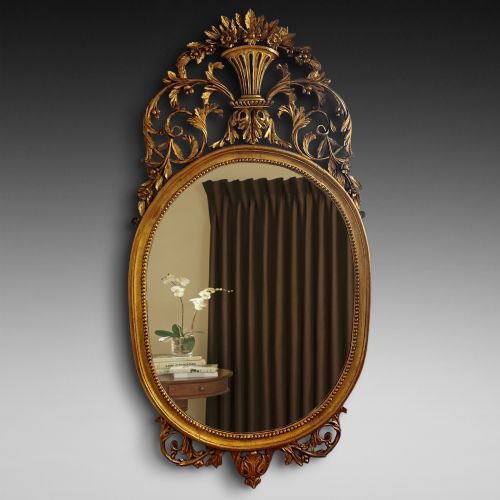
The distinction between standard examples and the finest work lies in the depth and crispness of the carved ornament. Master carvers executed foliage, scrolls, and neoclassical motifs with sharp undercut details that catch the ambient light, whereas lesser pieces rely on heavier, moulded composition ornament.
Integrity of the surface finish and the retention of the original mirror plate further divide the range. Superior items preserve their original gilding and silvered glass without extensive re-working, demonstrating the uncompromised hand of the original period workshop.
The Large Carved Pier Glass Glossary
- Pier glass
- A tall mirror intended to hang on the wall space between windows. These mirrors were often placed above low console tables.
- Giltwood
- Timber that has been coated with a thin layer of gold leaf. This finish gives the carved frames their characteristic warm metallic radiance.
- Gesso
- A plaster-like mixture applied to wood frames as a base for gilding. It allows craftsmen to carve and stamp intricate low-relief patterns.
- Mercury glass
- Mirror glass produced by applying a tin and mercury amalgam behind the glass plate. It creates a distinctive deep, mottled reflection.
- Trumeau
- A decorative wall panel containing a painted scene or mirror glass. These French fixtures integrate the mirror directly into the architectural woodwork.
Large Carved Pier Glass: Frequently Asked Questions
Where should I hang a large pier glass?
These mirrors were traditionally positioned on the wall pier between two windows to maximise daylight within a reception room. Placing them opposite a window achieves a similar effect in modern interiors by bouncing light deep into the space.
Because of their substantial weight and height, they require secure fixing directly into masonry or robust internal studwork using appropriate wall anchors.
How do I identify a Regency pier glass?
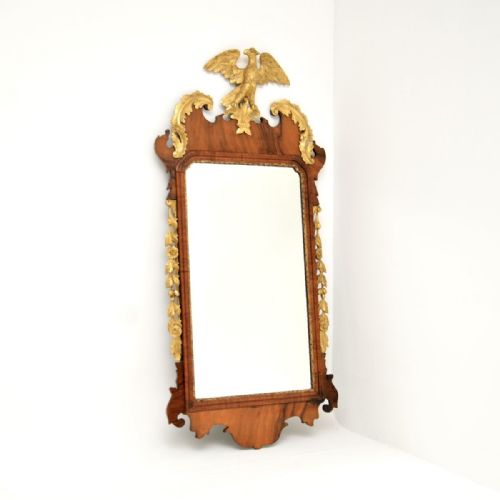
Regency examples frequently display strict classical restraint, incorporating architectural motifs such as ebonised reeded columns, ball-detail cornices, and giltwood eagles. The frames lean towards bold symmetry and architectural discipline compared to earlier rococo forms.
Checking the construction details, backboards, and the composition of the glass plate helps confirm the early nineteenth-century manufacturing period.
What causes foxing on antique mirrors?
Foxing appears as small dark spots and hazy patches within the glass plate where the backing has deteriorated over time. This oxidation process occurs naturally as atmospheric moisture interacts with the metal amalgam behind the glass.
Many collectors value genuine foxing because it proves the mirror plate is original to the period rather than a modern replacement.
Can these mirrors be cleaned safely?
Gilded surfaces require very gentle dusting with a soft, dry brush to prevent lifting the delicate gold leaf. Moisture and modern chemical cleaners will damage both old gilding and fragile gesso ornaments.
The glass plate itself can be wiped sparingly with a damp cloth, taking care to avoid any contact between liquid and the edges of the antique frame.