
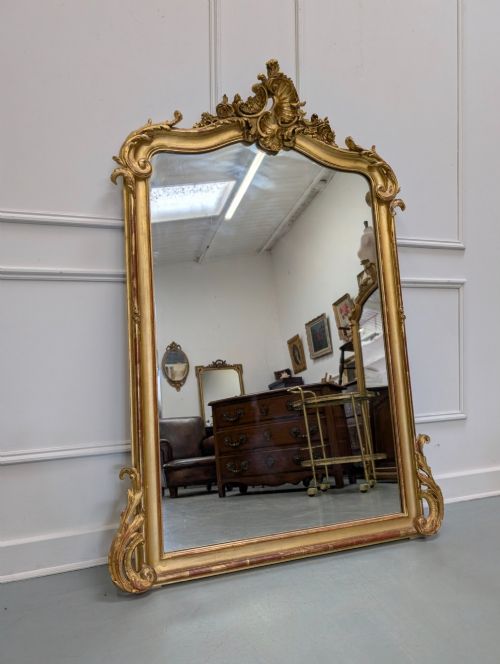
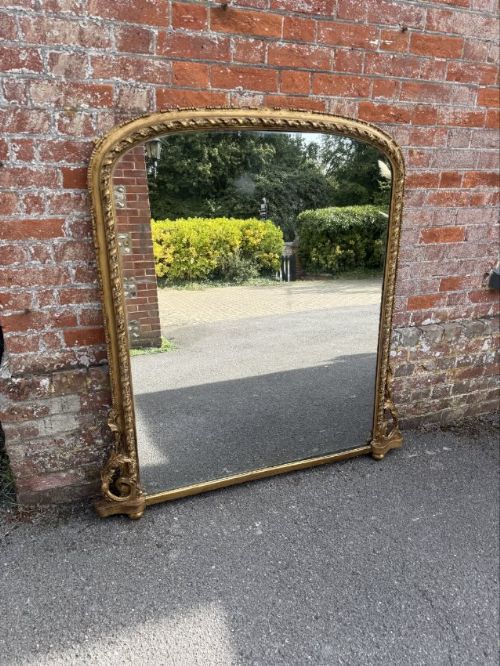
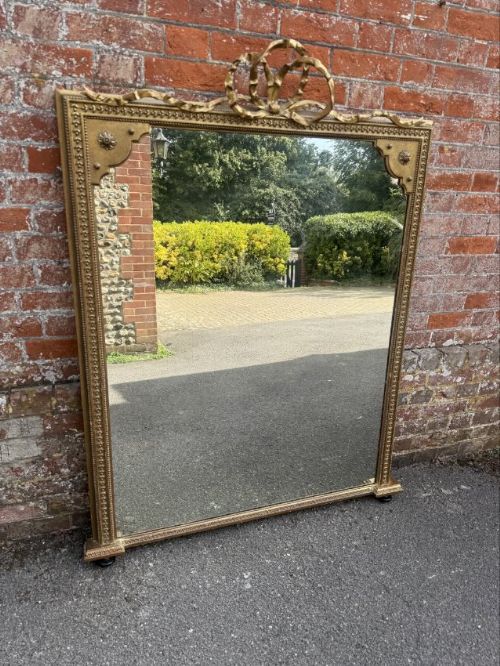
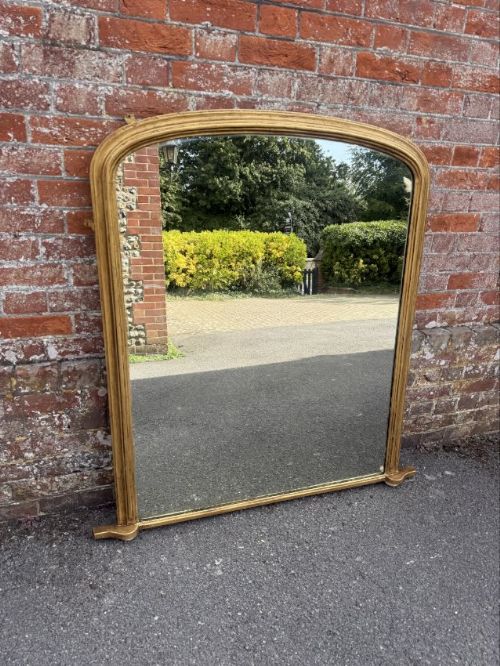
Large Carved Mirror
A large carved mirror brings monumental scale and intricate surface detail into a room, anchoring the wall with centuries of craftsmanship.
Large Carved Mirror
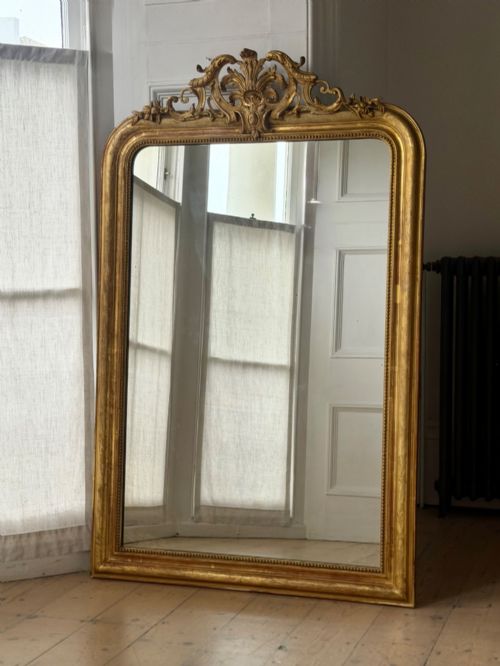
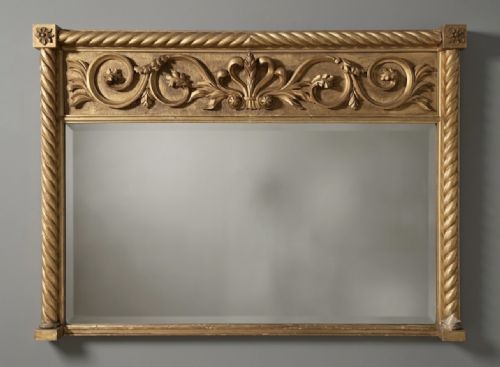
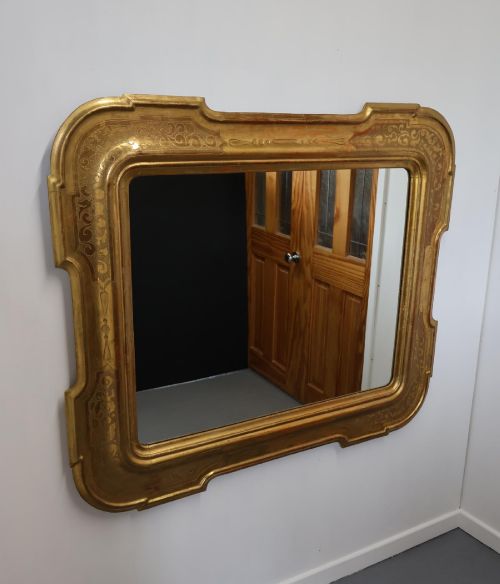
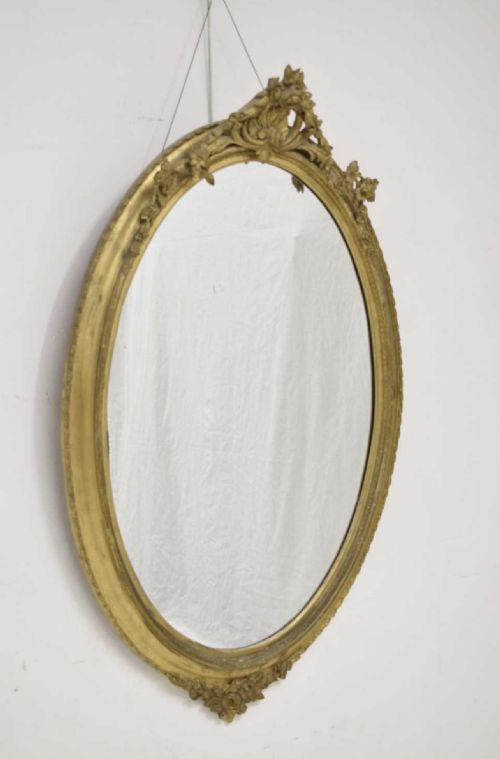
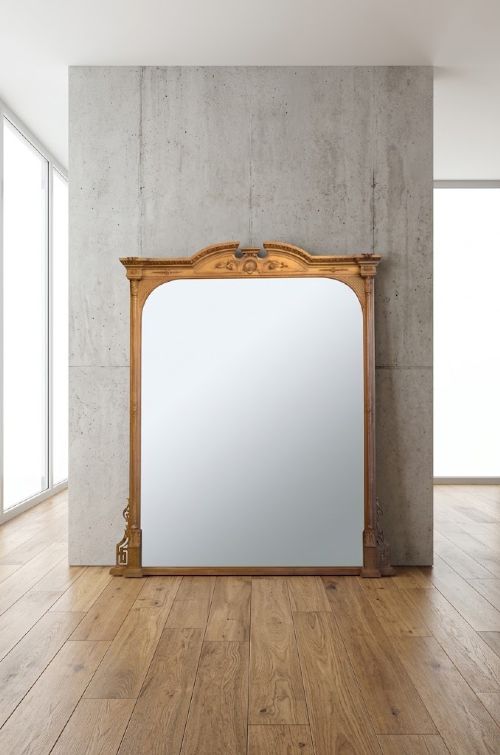
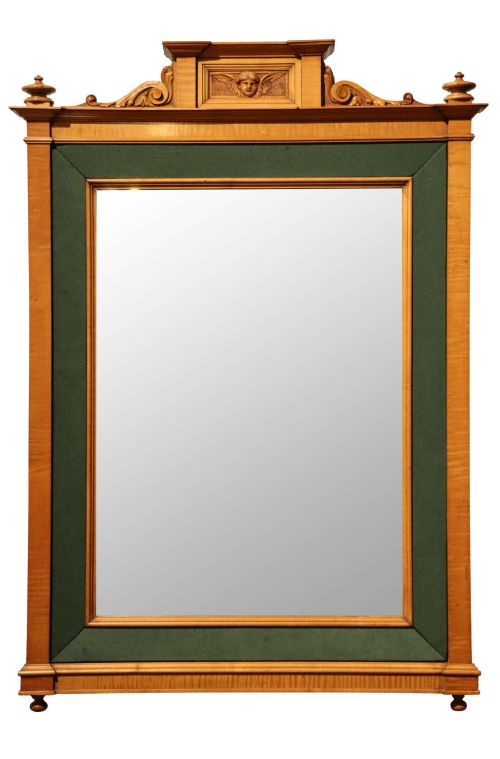
When you examine a large carved mirror on this page, you are looking at substantial wall-hanging and floor-standing statement pieces designed to command a space. These objects primarily take the form of overmantle mirrors, pier glasses, and tall leaner mirrors originating from the nineteenth century.
The versions you are most likely to encounter span English and French traditions, often featuring robust timber frames or ornate gilded plaster work. Makers constructed these mirrors to serve both functional reflection and architectural decoration in grand country houses and salons.
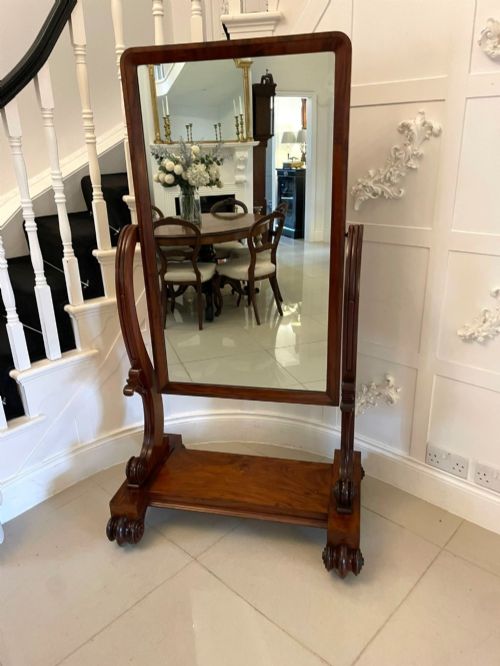
Alongside wall-mounted designs, the selection includes cheval mirrors and heavy oak or mahogany frames that reflect the diverse domestic interior styles of the Victorian and Georgian periods.
How They Were Made
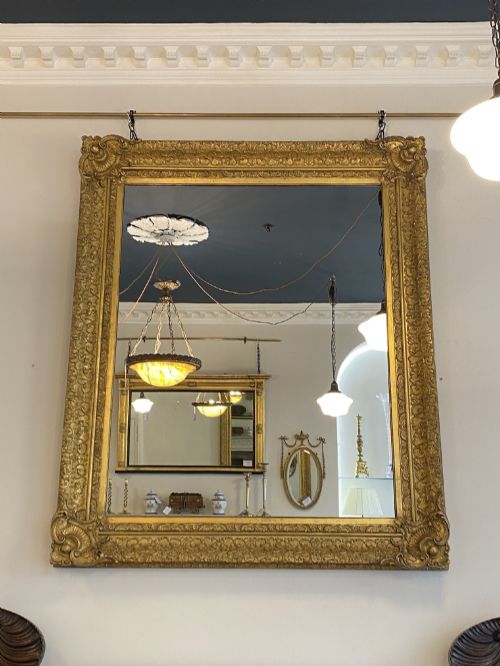
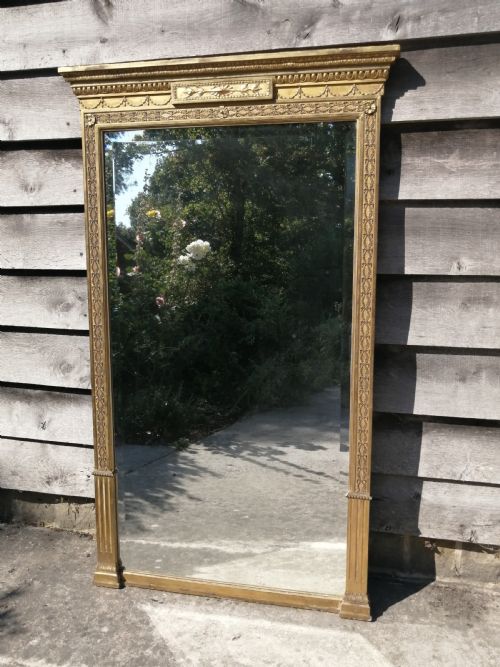
Artisans built the structural framework of these pieces using solid woods such as oak, mahogany, walnut, and pine, joined to withstand the substantial weight of thick glass plates. Many surfaces received a detailed layer of gesso, a plaster-like material applied over wood to form a smooth bed for carving or gilding.
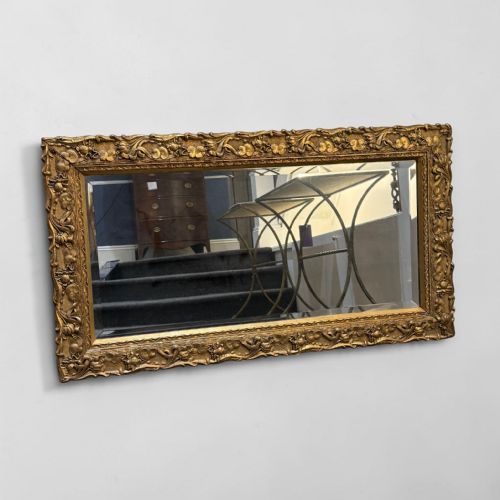
The ornamentation relied on skilled hand-carving directly into the timber or moulding the applied gesso into motifs like rope twists, ribbons, and classical scrolls. Workers then applied gold leaf or paint finishes to complete the decorative surface.
Listings feature eighteenth and nineteenth-century periods, utilising materials such as mahogany, oak, gesso, and gold leaf across wall and leaner formats.
What Varies in Quality
The standard of a large carved mirror rests upon the depth and crispness of the hand-carved detail within the wood or gesso. Superior examples display sharp, undercut ornamentation where the artisan's hand has rendered complex foliage or figures with clear definition.
Another measure of quality is the integrity of the original gilding and the preservation of the antique mirror glass itself. Pieces that retain their early mercury or silvered glass plates with natural foxing demonstrate a higher degree of original survival.
The Large Carved Mirror Glossary
- Gesso
- A prepared mixture of plaster of Paris and glue applied to wood frames to create a smooth surface for carving and gilding. This material allows for intricate relief ornamentation.
- Giltwood
- Timber that has been coated with a thin layer of gold leaf. It forms the lustrous surface seen on many nineteenth-century frames.
- Overmantle Mirror
- A large mirror specifically designed to hang above a fireplace mantelpiece. These pieces often feature arched tops to match architectural hearth recesses.
- Pier Glass
- A tall mirror traditionally hung on the narrow pier of wall between two windows. They frequently paired with console tables beneath.
- Cheval Mirror
- A freestanding mirror mounted in a frame with pivoting pins that allow the glass to tilt. They originated for full-length dressing use in bedrooms.
- Foxing
- The age-related spots and discoloration that develop within the reflective silvering of antique mirror glass. Collectors value genuine foxing as an indicator of period authenticity.
Large Carved Mirror: Frequently Asked Questions
Where should I hang an overmantle mirror?
These mirrors traditionally sit directly above a fireplace mantelpiece to reflect light and fill the vertical wall space. Their proportions balance the architectural weight of the hearth.
Ensure the wall fixings match the considerable weight of the wooden frame and glass plate.
How do I clean antique mirror glass?
Wipe the glass gently with a soft, dry cloth and avoid harsh chemical cleaners that can damage the surrounding gesso or gilding. Moisture must be kept away from the edges where the silver backing meets the frame.
Preserving the original glass includes accepting natural age marks rather than attempting to scrub them away.
What is a leaner mirror?
A leaner mirror is built on a grand scale to rest directly against the floor and wall without requiring hanging brackets. French chateau examples often utilise this format to maximise reflective surface area.
Securing the top of the frame to the wall prevents tipping while maintaining the relaxed placement.
How do I date a nineteenth-century mirror?
Dating relies on examining the construction methods of the wooden backboards, the style of the gesso motifs, and the composition of the glass. Victorian and Georgian pieces display distinct regional joinery and ornament trends.
Trade labels or maker stamps on the reverse provide definitive chronological evidence.