


English Pier Glass
An English pier glass is a tall vertical mirror designed to hang between windows, bringing light and depth into a traditional interior.
English Pier Glass
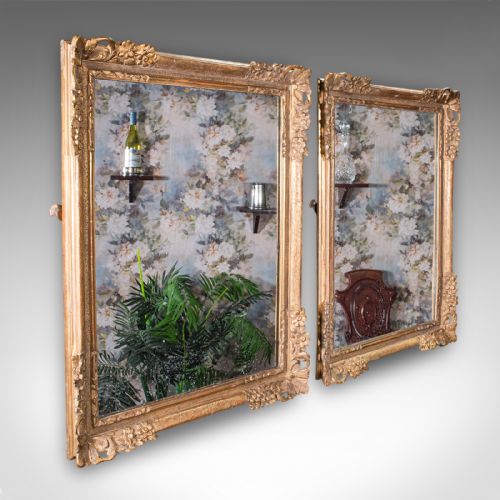
An English pier glass is a tall, narrow mirror traditionally hung on the wall space between two windows, known as the pier. The form dates back centuries, with examples appearing across the Georgian, Regency, and Victorian periods.
The pieces on this page span several distinct styles, including the elaborate curves of Rococo, the classical restraint of the Regency era, and the dark wood refinement of the Victorian period. Alongside wall-hanging mirrors, the selection includes related cabinet furniture and overmantel variants.
Regency giltwood designs and Victorian walnut pier cabinets form the core of what you will encounter here. These tall items are proportioned specifically to stand between windows or sit above low console tables.
Materials and construction
Craftsmen utilised native and imported timbers such as walnut, mahogany, and rosewood for the structural frames and cabinetry. Giltwood examples rely on a base of carved wood coated in gesso before the application of delicate gold leaf.
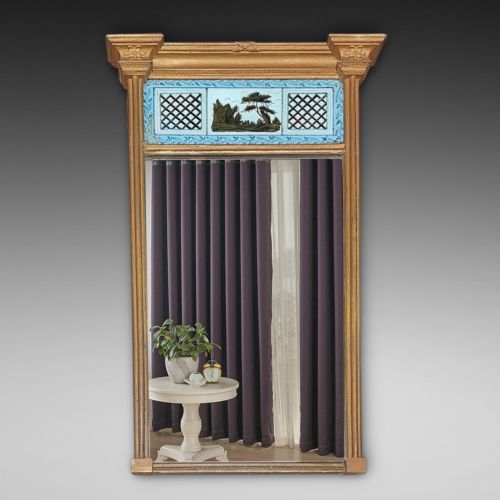
Surface decoration often incorporates verre eglomise panels, boxwood inlay, and parcel gilt highlights. Glazed display sections and silvered glass plates complete the construction of the larger cabinet forms.
Listings feature walnut, giltwood, and mahogany across Georgian, Regency, and Victorian periods.
Assessing quality and execution
The refinement of the hand-carving defines the upper tier of giltwood and gesso mirrors. Crisp, deep relief work in the wood distinguishes master craftsmanship from simpler, shallower moulding.
In cabinet pieces, the choice of figured walnut veneer and the precision of the marquetry or boxwood inlay signal superior workshops. Original glass plates with honest foxing hold greater authenticity than later replacements.
The English Pier Glass Glossary
- Pier glass
- A tall wall mirror designed specifically for the wall space between two windows. These mirrors maximise natural light in period reception rooms.
- Giltwood
- Timber that has been gilded with gold leaf over a prepared gesso ground. This technique creates a brilliant reflective surface for ornate frames.
- Verre eglomise
- A cold decoration technique where design is applied to the reverse of glass using gold or silver leaf and pigment. It frequently appears in upper mirror panels.
- Gesso
- A plaster-like mixture applied to wood frames to provide a smooth base for gilding and carving. Its thickness allows for sharp decorative details.
English Pier Glass: Frequently Asked Questions
What is an English pier glass?
An English pier glass is a tall, vertical mirror traditionally designed to hang on the narrow wall space between two windows. This placement was intended to reflect natural light deeper into the room.
Over time, the term also came to describe tall mirrors placed above console tables or mantelpieces in grand English interiors.
What is the difference between a pier glass and a pier cabinet?
A pier glass is strictly a wall mirror, whereas a pier cabinet is a piece of case furniture designed to occupy the same narrow wall space. Pier cabinets often feature glazed doors for display and flat tops.
Both forms share similar proportions to fit neatly between windows without blocking natural light.
How do I date a Regency pier mirror?
Regency pier mirrors typically display classical motifs such as verre eglomise panels, reeded columns, and giltwood frames with architectural restraint. The proportions lean towards elegant verticality.
Examining the backing boards, fixings, and the silvering on the glass plate helps confirm the early nineteenth-century origin.
Are pier mirrors fragile?
Like all antique mirrors, pier glasses require careful handling due to their antique glass plates and delicate gesso or carved frames. Wall fixings must support the full weight securely.
Routine maintenance involves gentle dusting of the giltwood or timber frame without using harsh modern cleaning chemicals.