
Large Canvas Art
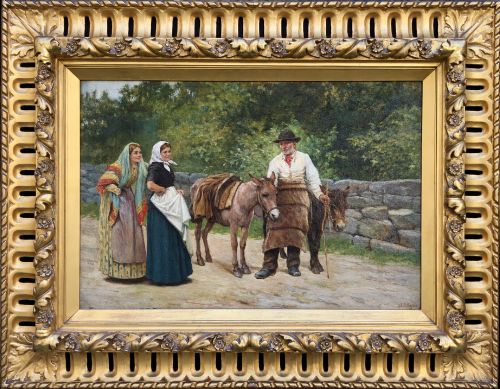
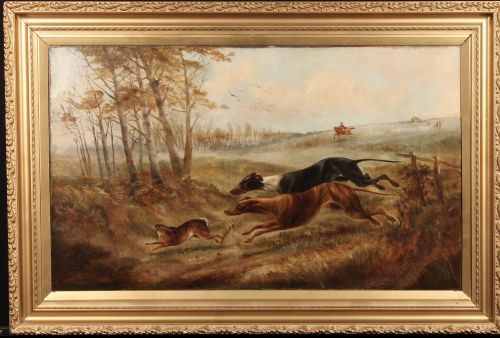
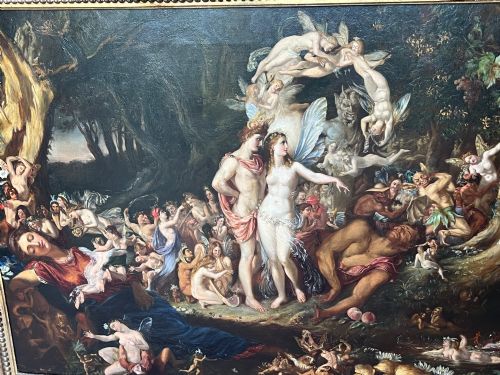
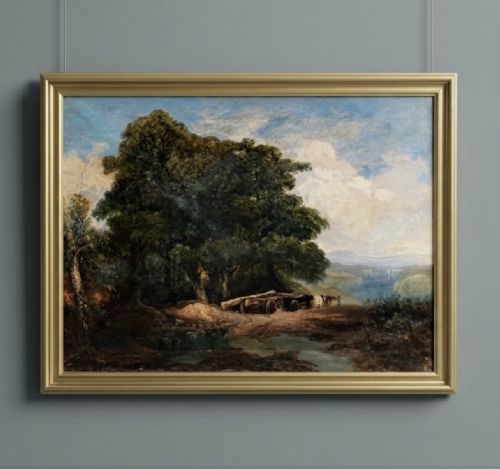
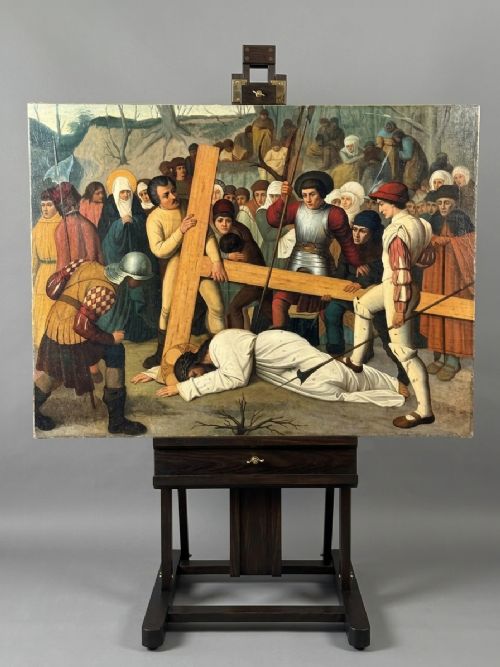
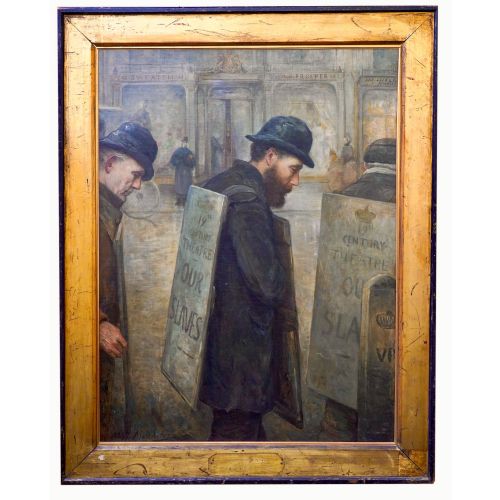
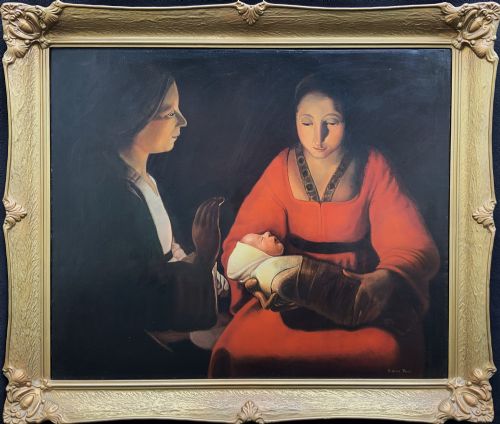
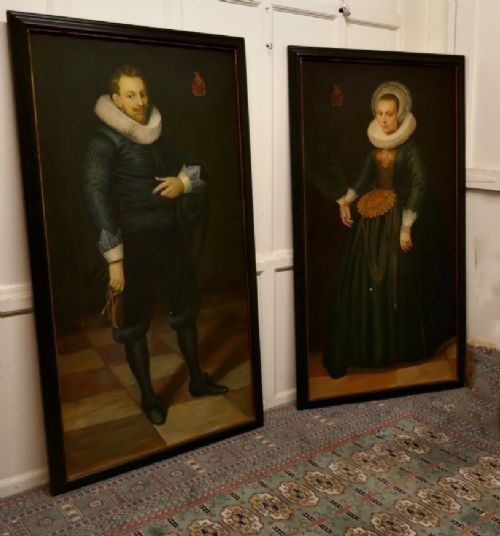
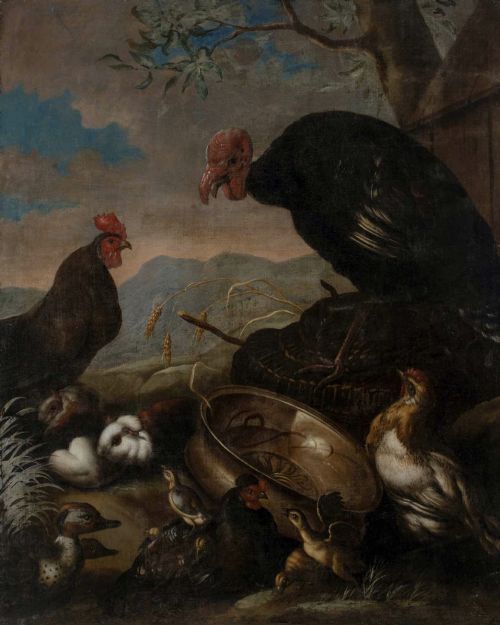
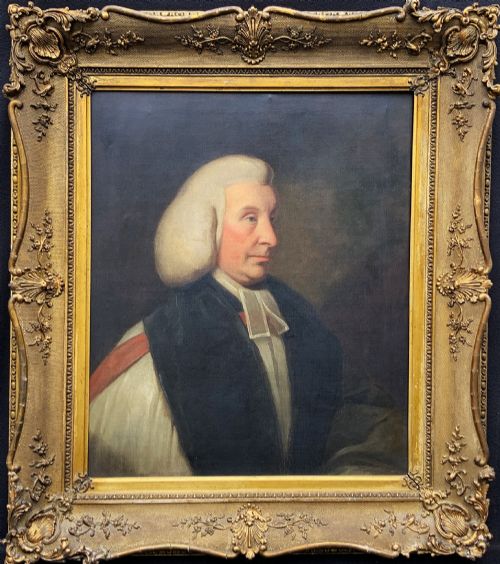
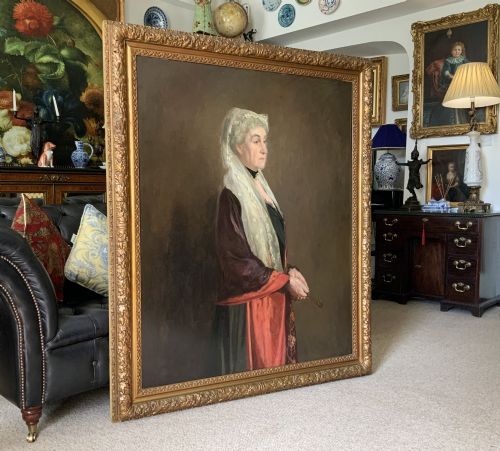
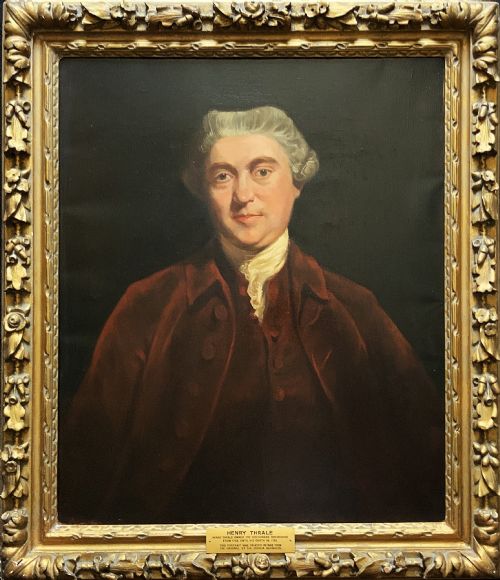
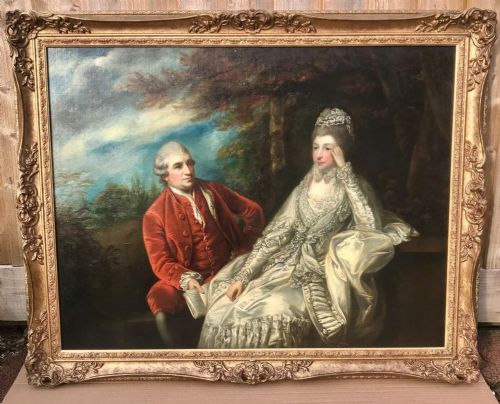
Large canvas art encompasses monumental oil paintings, portraits and landscapes spanning several centuries.
Large Canvas Art
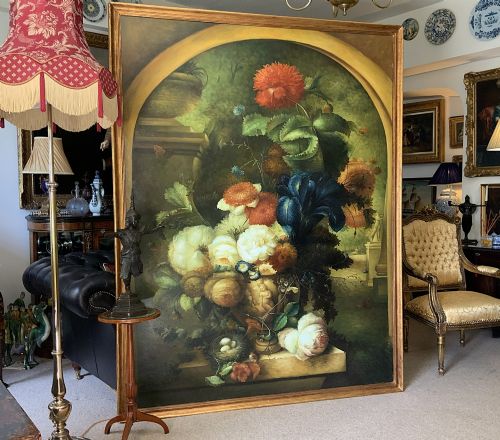
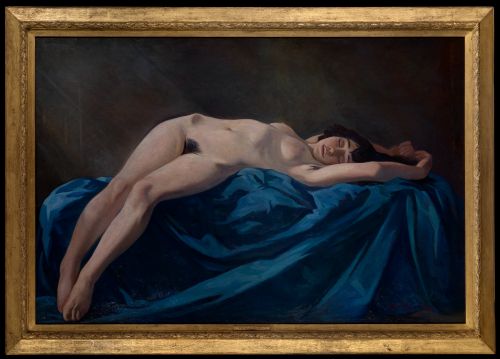
Large canvas art spans centuries of oil painting traditions, encompassing romantic landscapes, historical scenes, floral still lifes and grand portraits. When searching for large canvas art, buyers encounter monumental works created across the eighteenth, nineteenth and twentieth centuries.
The selections range from British and European academic portraits to impressionist landscapes and mid-century modern compositions. Many pieces retain their original gilt wood frames, adding substantial presence to domestic or institutional interiors.
Materials and Technique
These works are executed primarily in oil paint applied to woven canvas supports, sometimes utilising wood stretcher frames or giltwood surrounds. Artists built up compositions using layered oil mediums that allowed for deep tonal variation and durable surface textures over centuries.
Framing forms an integral part of the construction, with many antique pieces housed in swept or moulded gilt wood frames that complement the scale and period of the painted surface.
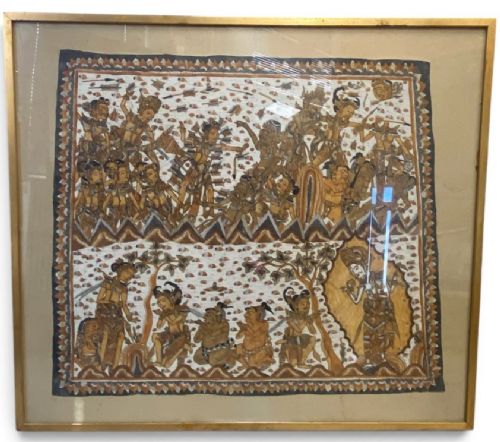
Listings feature oil paintings on canvas alongside works on textile, vinyl canvas, and board across multiple centuries.
Quality Variations
Quality in large canvas art rests upon the confidence of brushwork, the depth of anatomical or spatial understanding, and the preservation of the original paint surface. Masterworks display assured handling by listed artists or established continental schools, whereas lesser examples show stiffer execution by anonymous studio hands.
The integrity of the canvas and the retention of period-appropriate framing also influence the standing of a piece, as original components maintain the historical context of the artwork.
Richard Sebastian Bond·Joshua Reynolds·John Opie·Harold Knight·George Stubbs
The Large Canvas Art Glossary
- Canvas
- A heavy woven fabric typically made from hemp or linen that serves as a flexible support for oil paintings. It is stretched tightly over a wooden frame before painting begins.
- Giltwood
- Wood that has been coated with a thin layer of gold leaf or gold powder. This finish is frequently found on antique picture frames.
- Impressionism
- A nineteenth-century painting style characterised by relatively small, thin yet visible brush strokes and an emphasis on accurate depiction of light. Artists of this movement often captured everyday scenes and landscapes.
- Still Life
- A work of art depicting mostly inanimate subject matter, typically commonplace objects which may be either natural or man-made. Examples include floral arrangements, game, and fruit.
- Portraiture
- The practice of creating representations of a person in which the face and its expression are predominant. These works frequently record the likeness, mood and even personality of the sitter.
Large Canvas Art: Frequently Asked Questions
How do I clean large canvas art?
Dust surfaces gently using a soft, dry brush to avoid disturbing the paint layer. Avoid using water or liquid cleaners directly on aged oil paint.
Professional conservation is recommended for removing deeper grime or stabilizing craquelure on historical canvases.
What periods do these paintings cover?
The works span from seventeenth-century Dutch and Italian pieces through eighteenth-century portraits to nineteenth-century romantic landscapes and twentieth-century impressionism.
Mid-century modern and abstract works also appear alongside traditional historical and military subjects.
Are original frames included?
Many listings feature original gilt wood or swept frames that match the age and style of the central canvas. These frames often show period characteristics such as hand-carved detailing or antique gilding.
Checking individual descriptions clarifies whether a frame is period-original or a later replacement.
How were these large canvases supported?
Painters mounted heavy woven textiles onto sturdy wooden stretcher frames to maintain tension across expansive compositions. Cross-bracing is frequently found behind monumental works to prevent warping.
This structural framework supports the weight of the canvas and heavy layers of oil paint over decades.