




Large Brass Pot
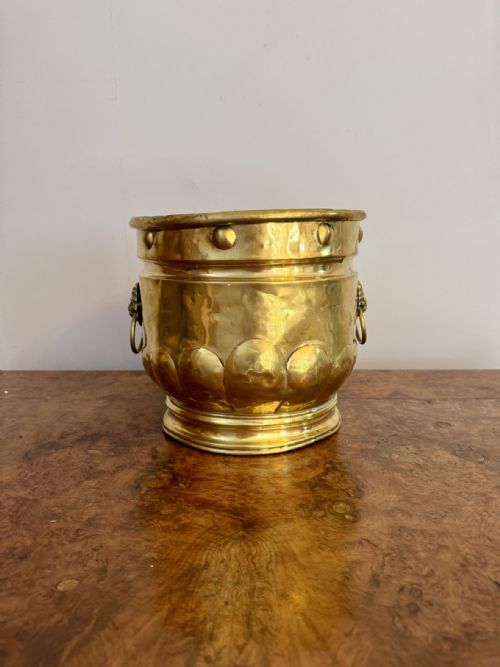
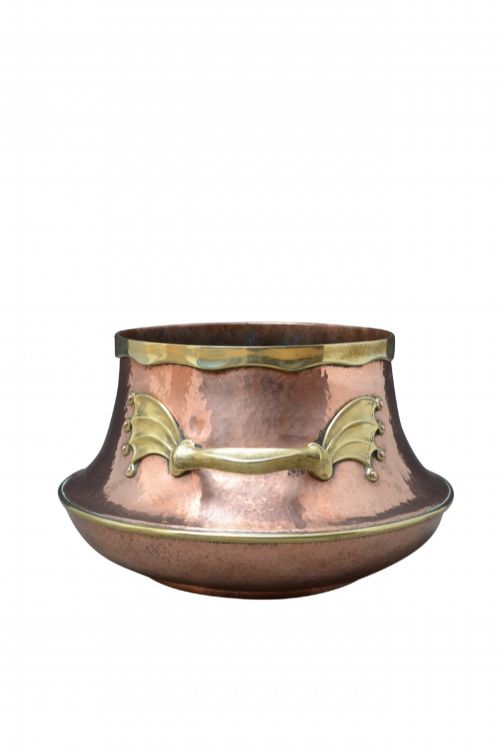
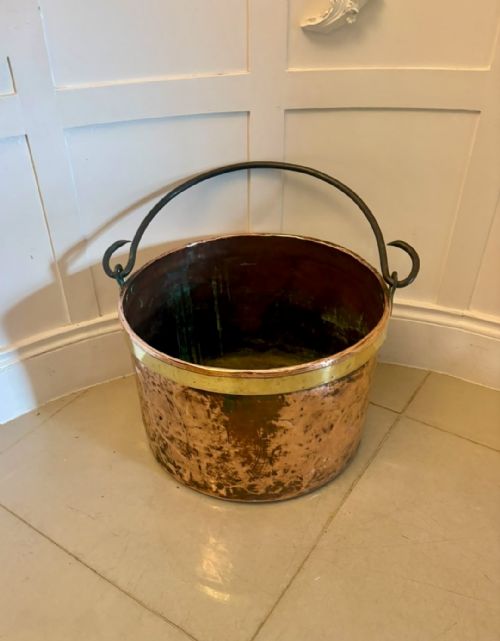
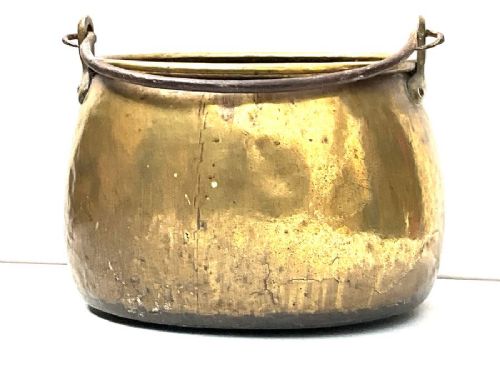
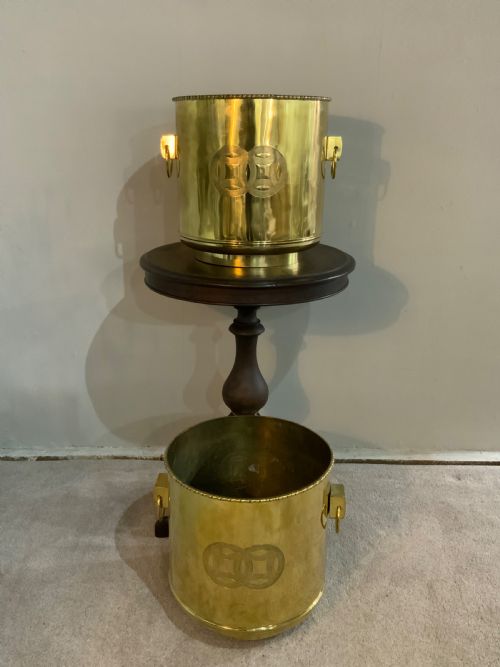
A large brass pot brings substance to a room, functioning equally well as a fireside log bucket or a heavy planter.
Large Brass Pot
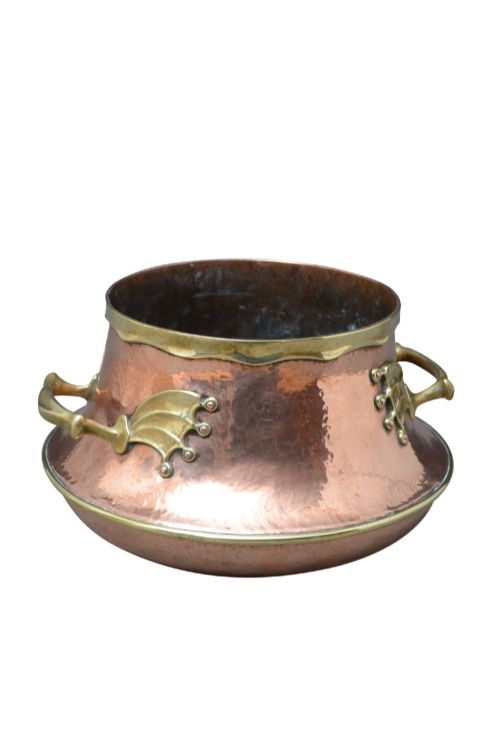
When you search for a large brass pot, you encounter domestic vessels and display pieces spanning centuries, from Georgian heavy pans to Victorian jardinieres. The pieces listed on this page range from utilitarian kitchen cookware to decorative planters and cauldrons.
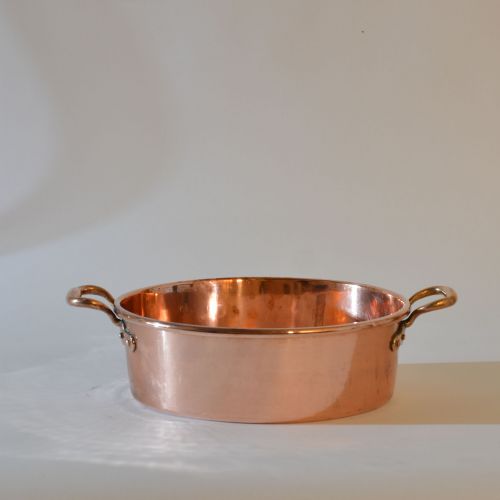
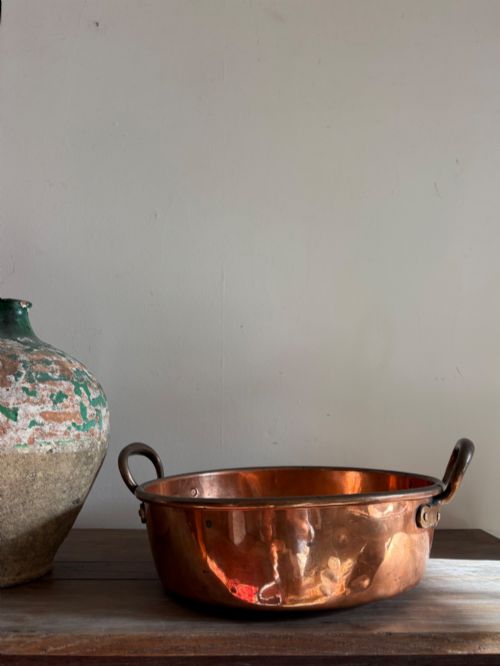
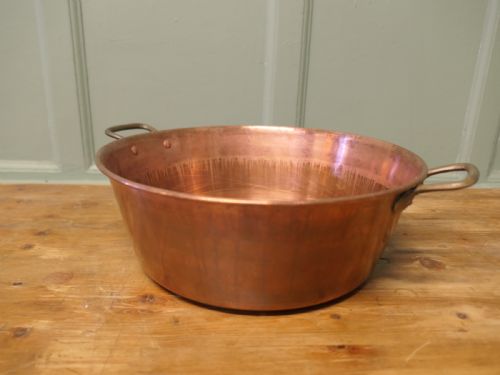
The version you are most likely to meet here is the Victorian jardiniere or the Georgian copper preserving pan, often fitted with iron or brass handles. These items derive from both British country houses and continental workshops.
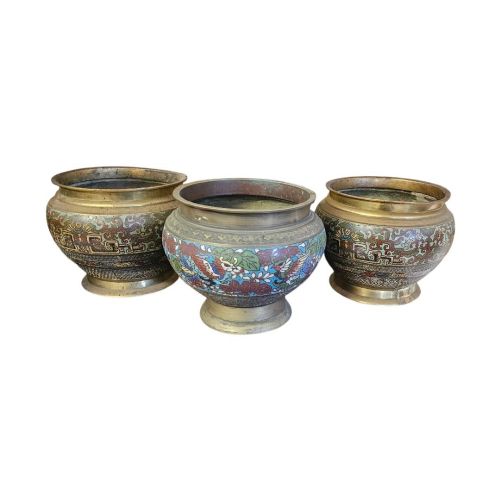
Beyond traditional British and French metalwork, the selection includes Chinese bronze vessels and Indian hand-engraved pieces. Each object carries the marks of its original household or ceremonial function.
How they were made
The construction of these vessels relies primarily on heavy gauge sheet metal, hammered and joined by hand. Many copper and brass pans utilise riveted seams alongside folded edges to ensure structural strength for heavy contents.
Makers incorporated cast bronze or brass handles, often secured with solid rivets, while wooden elements such as teak were introduced in coopered planters. Surface finishing involved polishing, hammering, or hand-engraving decorative motifs directly into the metal.
Large Brass Pot Retail Price Guide 2026
Typical asking prices for large brass pot among the pieces listed under this phrase on Sellingantiques today, from the lower quarter to the upper quarter. They describe what is for sale here now, not the wider market.
Several heavy brass saucepans spent generations simmering jam before retiring to quiet parlour corners as jardiniere pots.
What varies in quality
Quality in these heavy metal vessels rests on the thickness of the original gauge and the integrity of the construction. Substantial metal weight and clean hand-riveting distinguish superior utility items from lighter decorative copies.
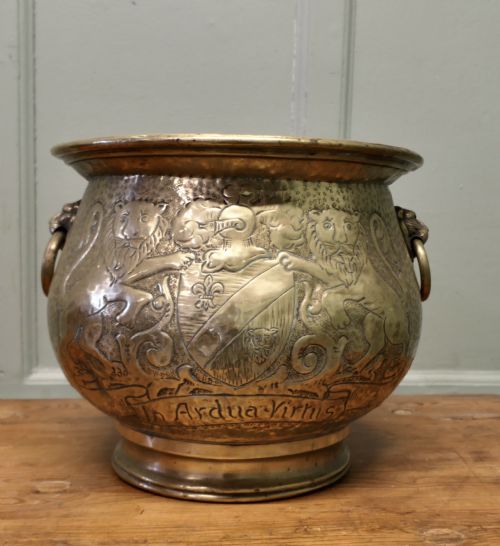
The clarity of cast details, such as crests, lion mask handles, or champlevé enamel work, defines the upper tier of the range. Original patination and the retention of matching handles or stands elevate an individual piece.
Hodges & Sons
The Large Brass Pot Glossary
- Jardiniere
- An ornamental pot or stand designed to hold a plant or flowers. These are frequently cast in brass or copper and placed on floors or tables.
- Preserve pan
- A wide, shallow cooking vessel used for boiling fruit and sugar, typically fashioned from heavy copper with strong carrying handles.
- Champlevy enamel
- A technique where troughs are dug into a metal surface and filled with vitreous enamel before firing. It appears on decorative bronze vessels.
- Coopered
- Formed of curved wooden staves bound together with metal hoops, as seen in certain Dutch planters combined with teak.
- Dinanderie
- Objects made of beaten brass or other copper alloys, often associated with decorative domestic vessels and cauldrons from various European traditions.
Large Brass Pot: Frequently Asked Questions
What were large brass pots originally used for?
These vessels served various domestic purposes, including preserving fruit, boiling water, and heating water over open hearths. Heavy pans managed bulk kitchen tasks in large households.
Over time, many utility pans transitioned into decorative roles, holding logs by the fireplace or serving as planters for large indoor flora.
How do I clean an antique brass pot?
Maintenance depends on the desired appearance, as many collectors prefer to retain the aged dark patination acquired over centuries of exposure. Gentle washing with warm soapy water removes surface dust without stripping the character.
Avoid harsh chemical abrasives that strip the historic surface layer. A soft cloth preserves the integrity of hand-hammered details and engraving.
Are these pots suitable for holding plants?
Many of these vessels function well as planters or jardinieres, provided you protect the interior or use a nursery pot inside. Metal vessels can react to constant moisture, so adding a liner prevents internal corrosion.
Teak and brass coopered planters tolerate domestic plant displays while maintaining their structural timber framing.
How can I tell a Georgian pan from a Victorian one?
Georgian pieces often display heavier hand-beaten construction with distinct handle attachments forged for open hearth cooking. Their forms prioritise utilitarian strength over ornate surface decoration.
Victorian and later examples frequently incorporate decorative casting, crests, or specific styling such as Arts and Crafts or Gothic motifs.