
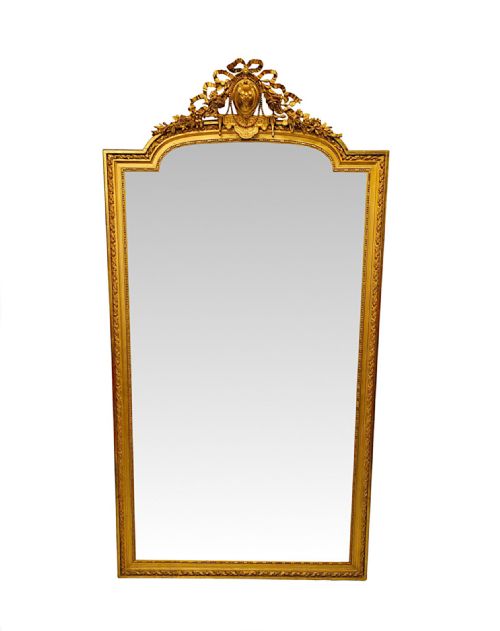
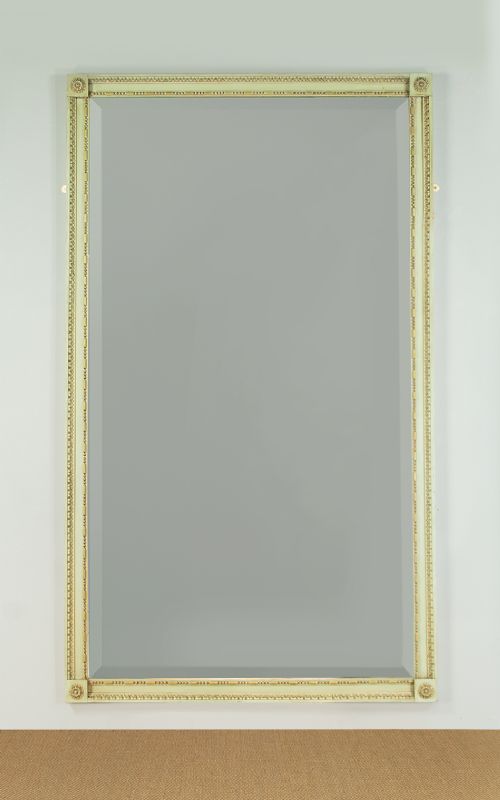
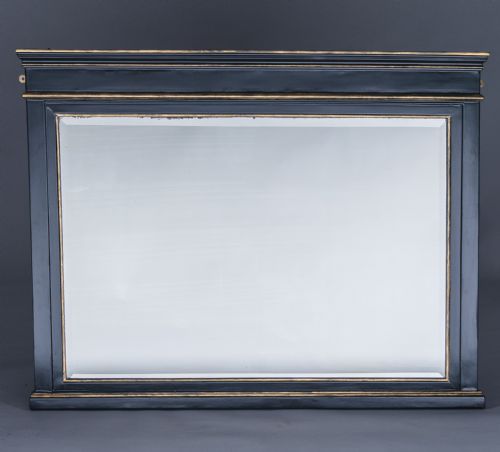
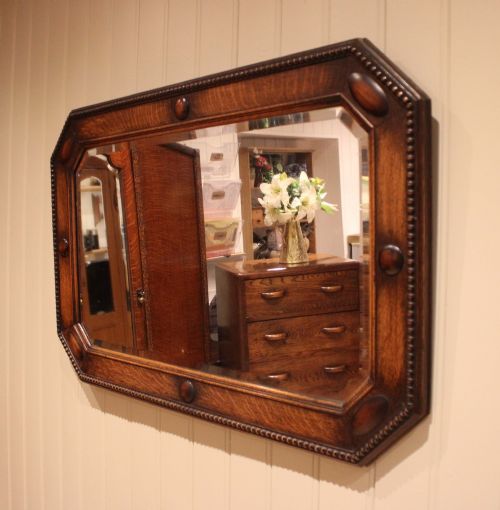




Large Bevelled Mirror
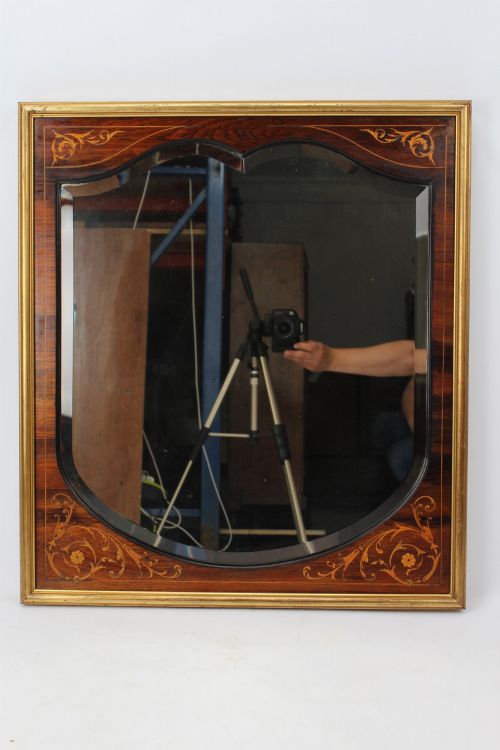
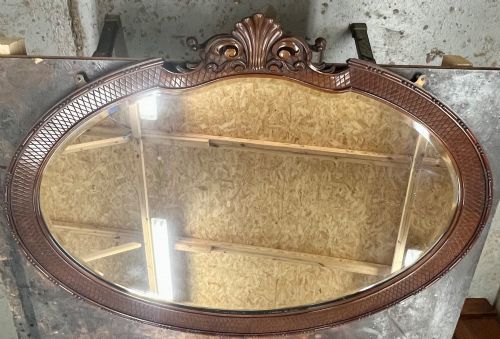
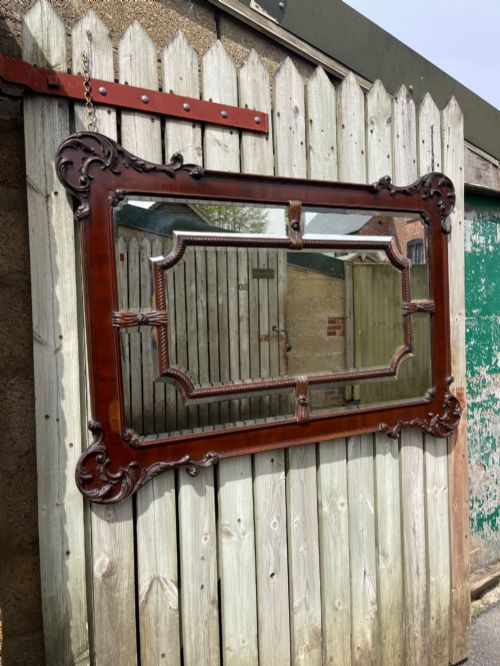
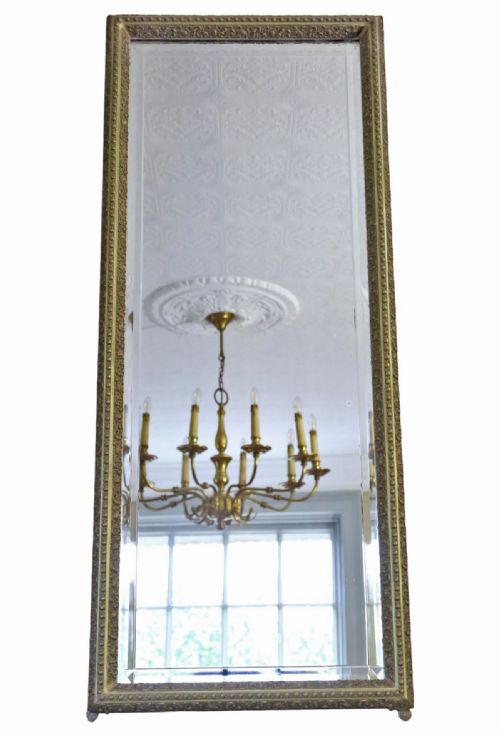
When you search for a large bevelled mirror, you uncover reflective pieces spanning the nineteenth century through the Art Deco era.
Large Bevelled Mirror
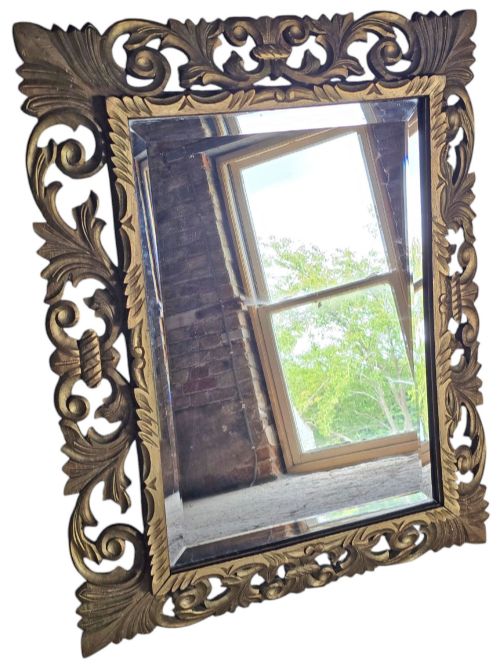
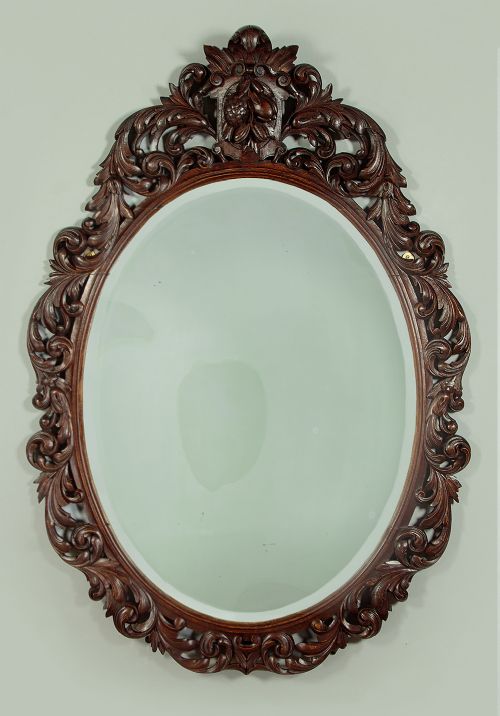
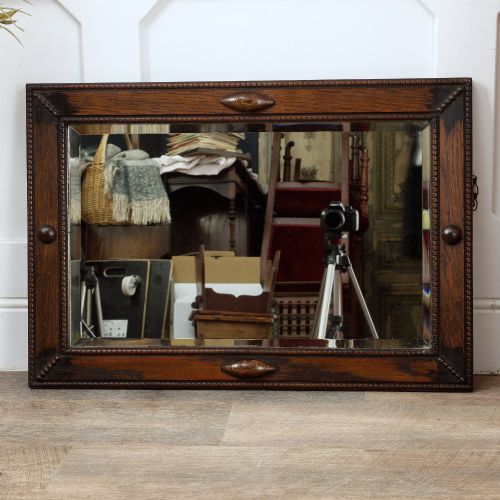
A large bevelled mirror serves primarily as a decorative focal point or practical overmantle fixture within domestic interiors. Buyers selecting a large bevelled mirror encounter diverse regional styles, ranging from ornate French giltwood frames to sturdy English oak designs.
The selection includes substantial wall-hanging panels, tall dressing mirrors, and architectural overmantle pieces. French examples frequently display carved gesso and rococo detailing, whereas British variants often rely on solid mahogany, walnut, or quarter-sawn oak timbers.
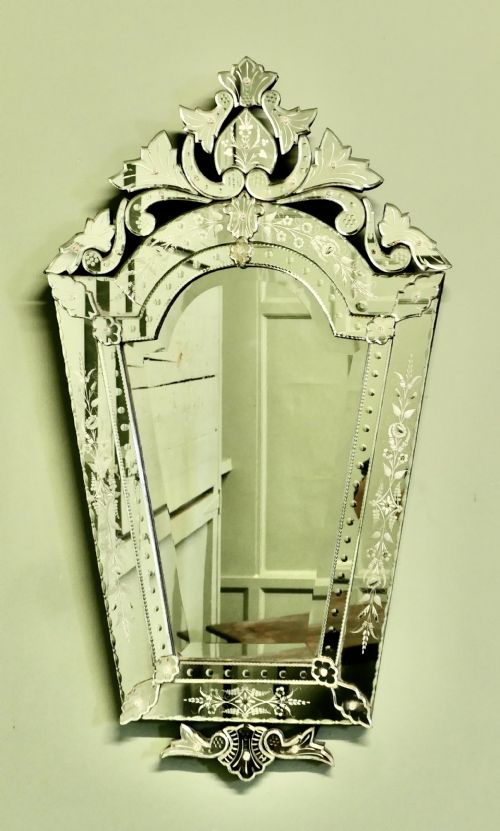
Many items date from the Victorian and Edwardian periods, supplemented by early twentieth-century Art Deco interpretations and Venetian engraved glass creations. These objects reflect changing interior aesthetics across a century of domestic design.
Materials and Construction
Makers constructed frames using traditional joinery methods, housing heavy glass plates within sturdy timbers such as oak, walnut, and mahogany. Giltwood and gesso finishes required meticulous layering of plaster over carved wood before applying gold leaf or metallic paint.
The characteristic angled edge of the glass was produced by hand-grinding and polishing the perimeters on abrasive stones. Earlier plates frequently utilised mercury silvering techniques, leaving subtle imperfections and depth within the reflective surface.
Listings feature oak, mahogany, gesso, and giltwood materials across Victorian, Edwardian, and Art Deco periods.
Assessing Craftsmanship
Quality reveals itself in the depth of hand-carved ornamentation and the crispness of the bevelled edge on the glass plate. Superior frames exhibit tight joinery, substantial timber weight, and well-preserved original gilding without excessive modern intervention.
The integrity of the original mirror plate dictates much of the value, with genuine age showing subtle foxing or atmospheric speckling beneath the glass. Secondary elements, including original wooden backs and structural fixings, indicate untouched authenticity.
The Large Bevelled Mirror Glossary
- Bevelled glass
- Glass featuring a hand-ground and polished angled perimeter that catches and refracts light. This technique adds dimensional depth to the piece.
- Overmantle mirror
- A wide looking glass designed specifically to hang on the wall directly above a fireplace mantelpiece. These often span significant horizontal lengths.
- Gesso
- A plaster-like mixture applied to wooden frames as a smooth base for subsequent gilding or painting. It allows artisans to carve intricate decorative reliefs.
- Mercury glass
- An older silvering method utilising a mercury and tin amalgam behind the glass plate. This process creates a distinctive mottled and dark reflective quality.
- Cushion frame
- A convex or rounded moulding profile that swells outward toward the edges of the mirror. This style gained popularity during the nineteenth century.
Large Bevelled Mirror: Frequently Asked Questions
How do I hang a heavy mirror safely?
Substantial antique frames require robust wall fixings anchored directly into masonry or secure internal studs. Professional mirror hangers utilise heavy-duty steel brackets distributed evenly across the frame.
Weight distribution is crucial when mounting large pieces to prevent structural strain on the original wooden joints. Ensure the hanging wire or integrated D-rings match the total mass of the glass and timber.
What is foxing on antique glass?
Foxing refers to the small brown spots and patches that develop behind the glass plate over time. This oxidation occurs as moisture interacts with the original backing materials.
Many collectors prize genuine foxing because it confirms the age and authenticity of the mirror plate. It creates a soft, hazy reflection distinct from modern manufacturing.
Are these mirrors suitable for bathrooms?
Historic frames constructed from veneered wood, gesso, or giltwood tolerate high humidity poorly. Damp environments can cause gesso to crack and gilt layers to lift from the substrate.
Dry interior spaces such as hallways, living rooms, and bedrooms preserve the materials best. Proper placement prevents irreversible damage to fragile nineteenth-century finishes.
How should I clean the glass?
Maintenance requires a soft microfiber cloth and a minimal amount of neutral glass cleaner applied to the cloth rather than directly to the surface. This prevents liquid from seeping behind the frame edge.
Harsh chemical sprays can damage aged silvering and vulnerable wooden mouldings surrounding the plate. Gentle wiping preserves both the glass and the original surrounding finish.