
Large Wooden Buffet
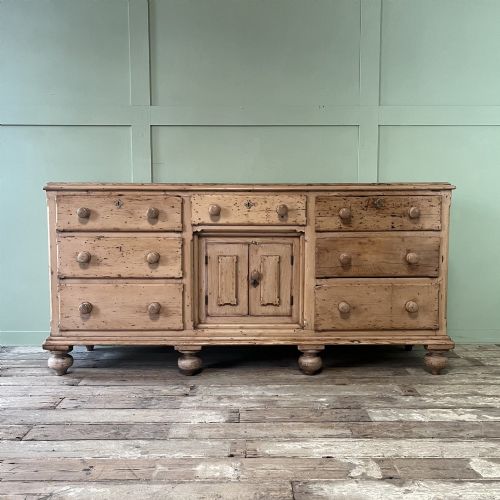
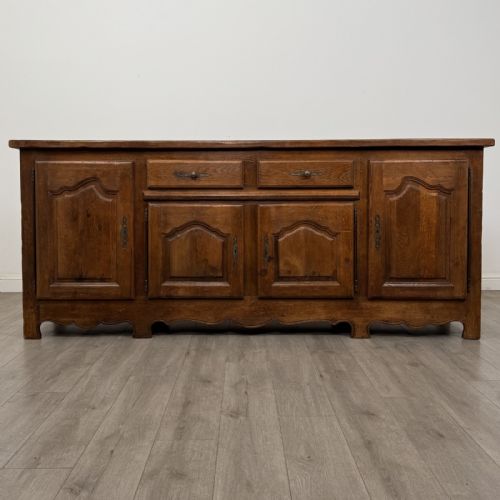
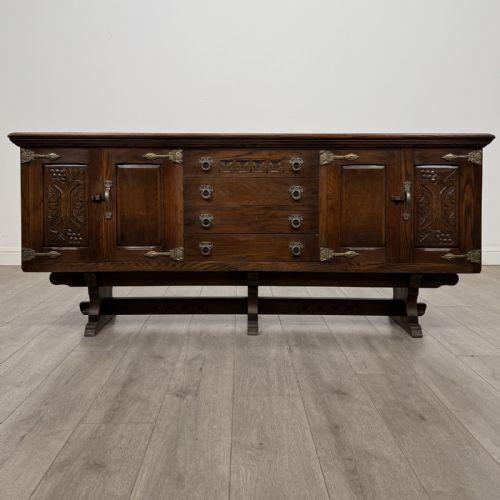
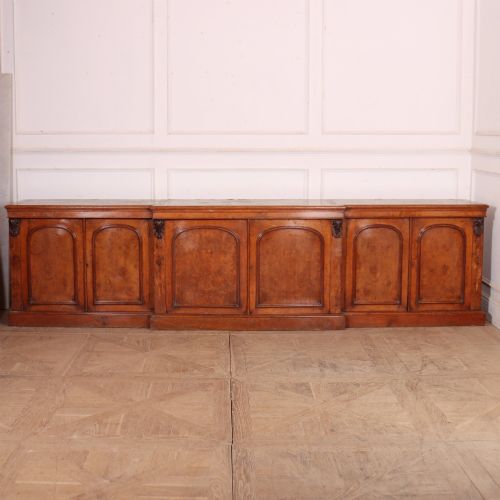
A large antique wooden buffet anchors a room with solid timbers, deep drawers, and substantial proportions handed down from centuries past.
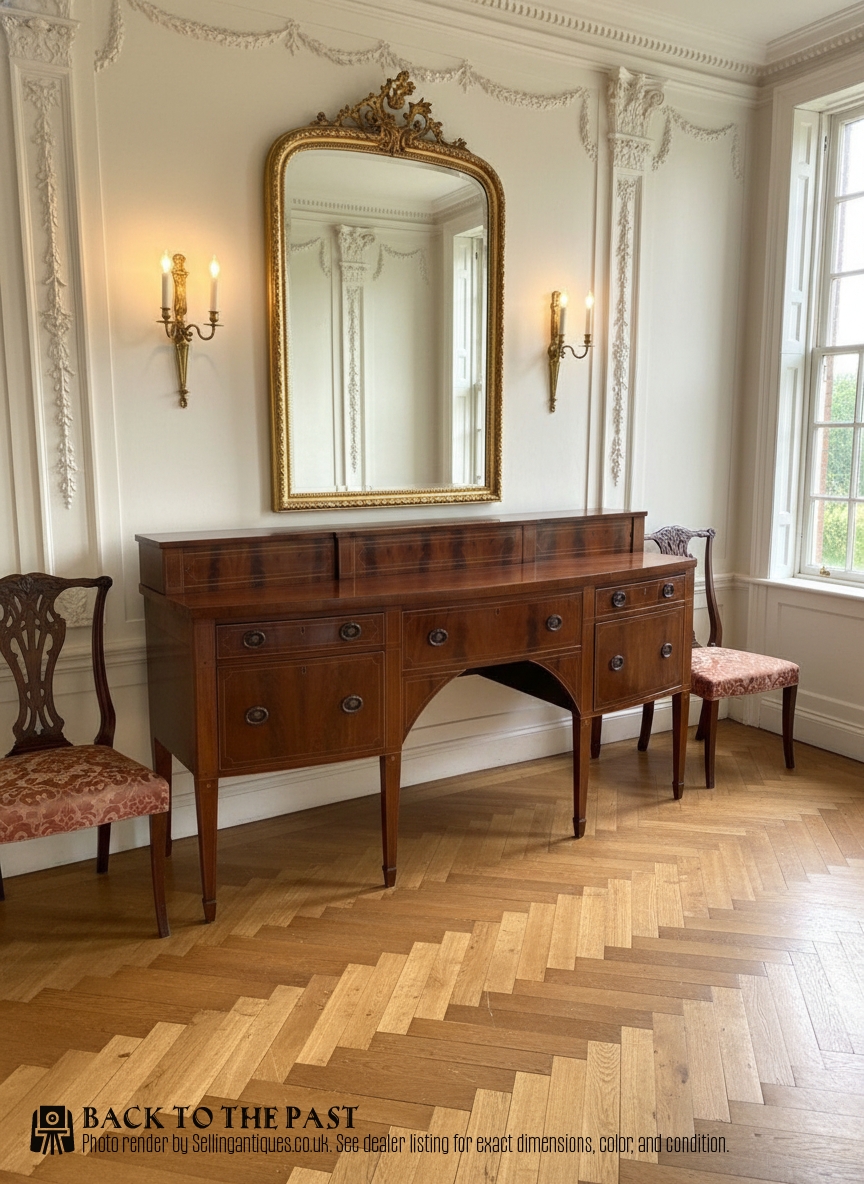
Large Wooden Buffet
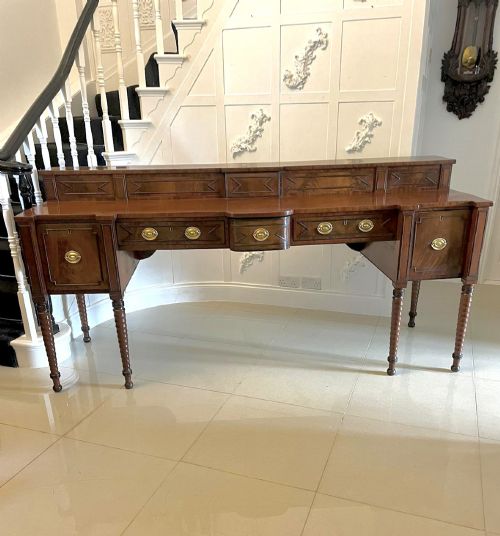
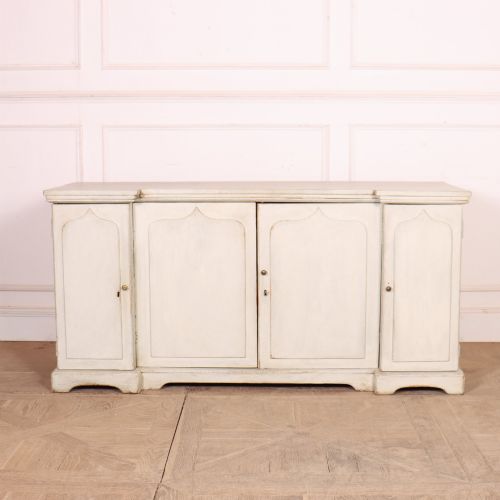
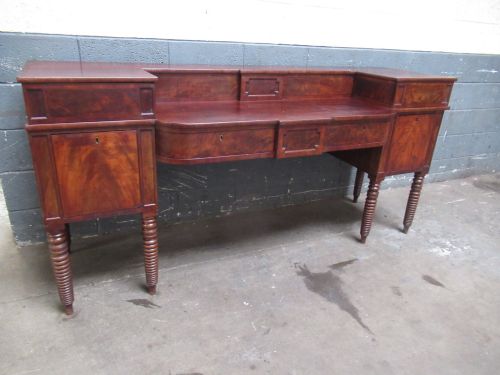
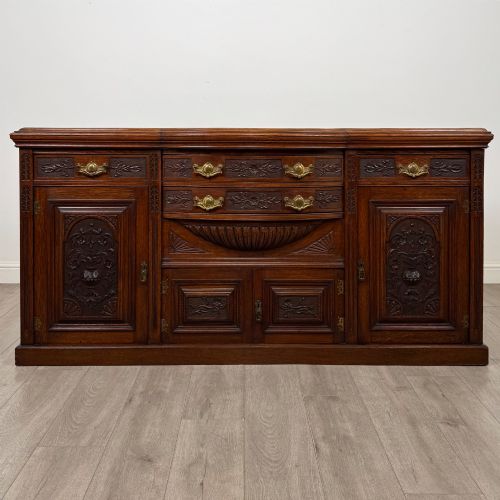
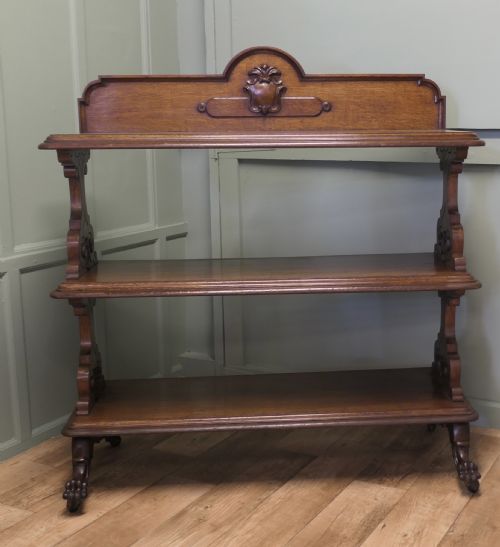
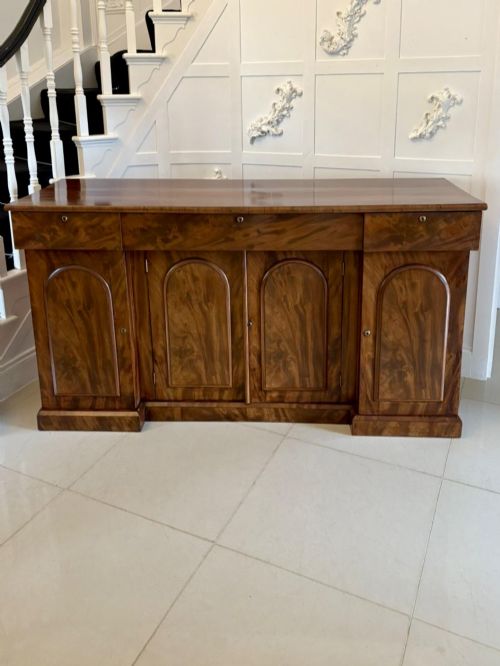
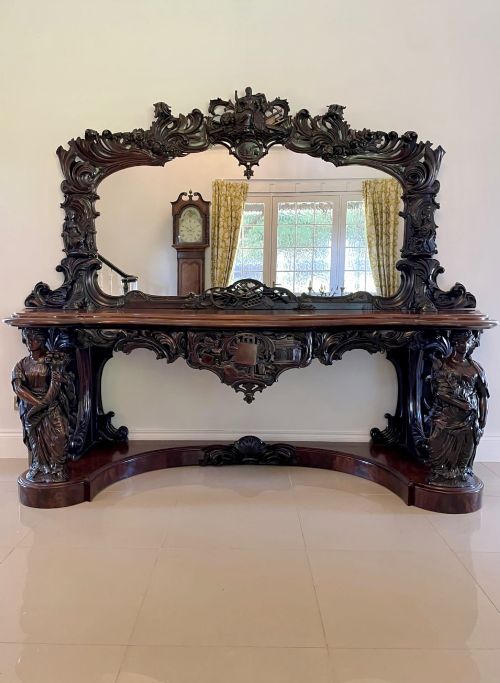
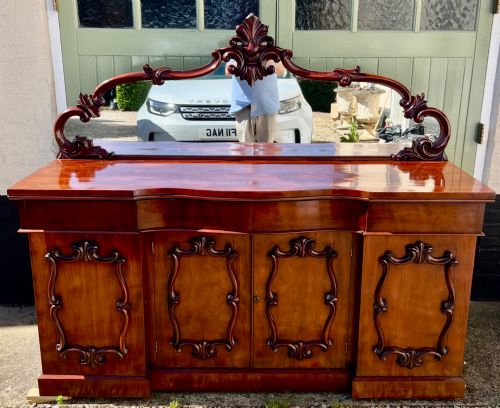
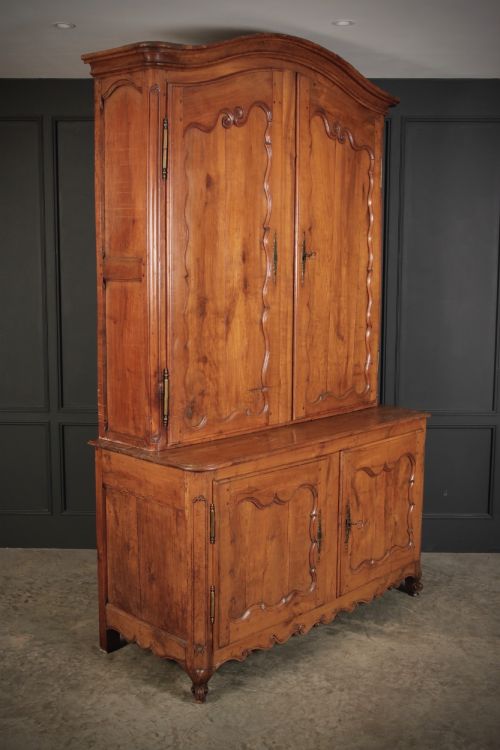
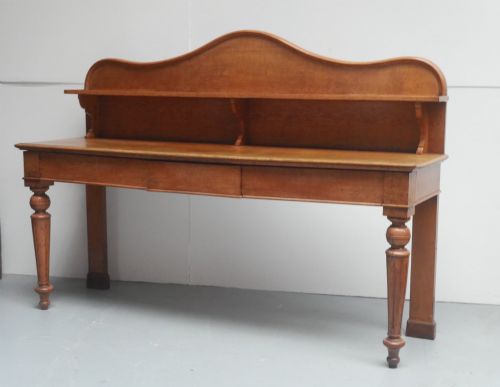
A large antique wooden buffet appears across this selection in various regional guises, spanning formal George III dining rooms and robust English country kitchens. Buyers seeking a large antique wooden buffet will encounter sturdy sideboards, breakfront dresser bases, and serving tables designed to store tableware and display silver. These pieces hail principally from the eighteenth and nineteenth centuries, taking shape as heavy pedestals, serpentine fronts, and carved oak or mahogany carcasses.
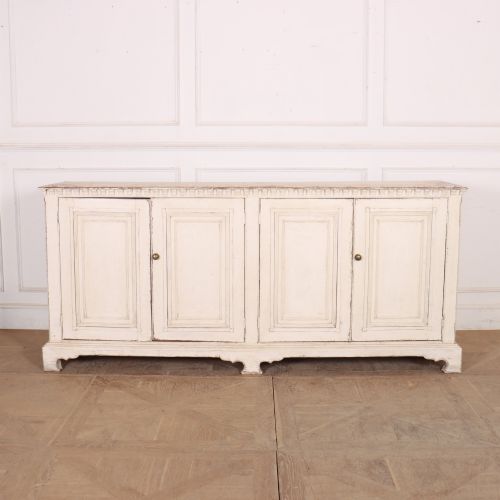
The nineteenth century yields numerous heavy mahogany and Victorian carved oak examples, whilst earlier eighteenth-century pieces favour figured timbers and restrained stringing. Italian enfilades and painted pine dresser bases also emerge within the listings, offering alternative silhouettes to standard British formats. Each piece serves the dual purpose of generous surface staging and deep enclosed storage beneath.
Materials and Technique
Cabinetmakers constructed these large servers primarily from dense hardwoods like mahogany, oak, and walnut, frequently enhancing surfaces with flame mahogany veneer or boxwood stringing. Pine and cherry wood appear in regional pieces, while brass handles, glass doors, and mother-of-pearl inlay provide contrasting detail.
Joinery techniques relied on solid frame-and-panel construction, dovetailed drawer linings, and carefully matched timber grains across broad expanses. Carvers executed robust relief work by hand on Victorian and Jacobean Revival carcasses, contrasting with the smooth bowed fronts of earlier Georgian workshops.
The listings span the eighteenth, nineteenth, and early twentieth centuries, featuring oak, mahogany, walnut, pine, and cherry timbers.
Evaluating Construction and Finish
Quality rests upon the selection of timber figures, where book-matched flame mahogany or richly figured walnut elevates a standard server into an exhibition piece. The crispness of hand-carved mouldings and the retention of original brass hardware distinguish finer workshops from simpler provincial joinery.
Structural integrity depends on the thickness of secondary timbers inside drawers and the stability of large top boards across seasonal humidity shifts. Fine execution shows in seamless drawer movement and precise boxwood stringing inlaid without gaps.
The Large Wooden Buffet Glossary
- Breakfront
- A cabinet design where the central section projects forward from the flanking wings. This architectural arrangement creates depth and visual rhythm across large dining room pieces.
- Enfilade
- A suite of rooms aligned with each other, or a long Italian sideboard designed to stand against a spacious wall. These low servers offer expansive surface area and multiple cabinet doors.
- Serpentine
- A curved front shape undulating inwards at the centre and bulging outwards at the sides. This fluid contour demands advanced woodworking skill to execute properly.
- Stringing
- Thin inlaid lines of contrasting wood used to outline drawers, borders, and panels. Boxwood stringing provides a bright linear accent against dark mahogany.
Large Wooden Buffet: Frequently Asked Questions
Where should I place a large buffet?
These substantial pieces sit best against a primary dining room wall or in a spacious hallway where their depth and length remain unobstructed. They require adequate clearance for cabinet doors to swing fully open.
Ensure the chosen wall avoids direct, harsh sunlight to protect polished mahogany and walnut surfaces from fading over time.
How do I clean wooden surfaces?
Dust the timber regularly with a soft, dry cloth to prevent grit accumulation in carved details and around drawer edges. Avoid silicone sprays that build up residue and dull the historic polish.
Apply a quality beeswax periodically to nourish the grain and maintain a natural, protective sheen across the wood.
What is the difference between a sideboard and a buffet?
The terms often overlap in antique furniture, though traditional buffets frequently include lower enclosed cupboards designed specifically for food storage. Sideboards historically leaned towards serving tables with shallower drawers and open serving spaces.
Both formats offer extensive top surfaces and deep internal compartments suited to modern dining storage needs.
How do I identify a Georgian piece?
Georgian servers display restrained classical proportions, often featuring straight or bow fronts ornamented with subtle boxwood stringing and fine mahogany veneers. These pieces rely on architectural balance rather than heavy carved relief.
Look for hand-cut dovetails and period brass drop handles that reflect eighteenth-century cabinetmaking standards.