




Large Washing Basin
A large antique washing basin brings weight, history and function to a room, whether forged in heavy copper or glazed in earthenware.
Large Washing Basin
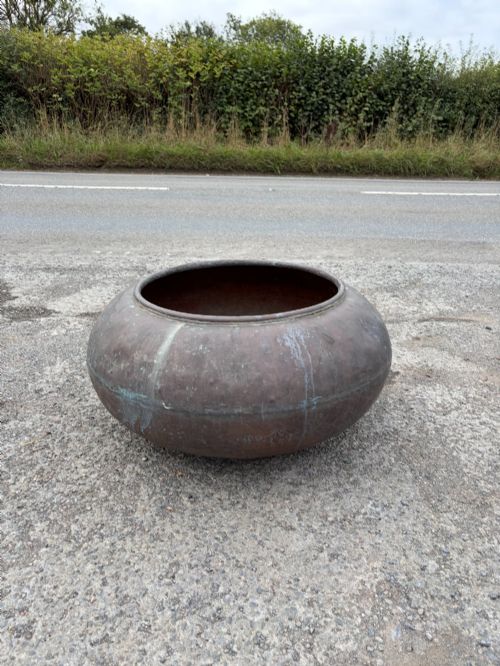
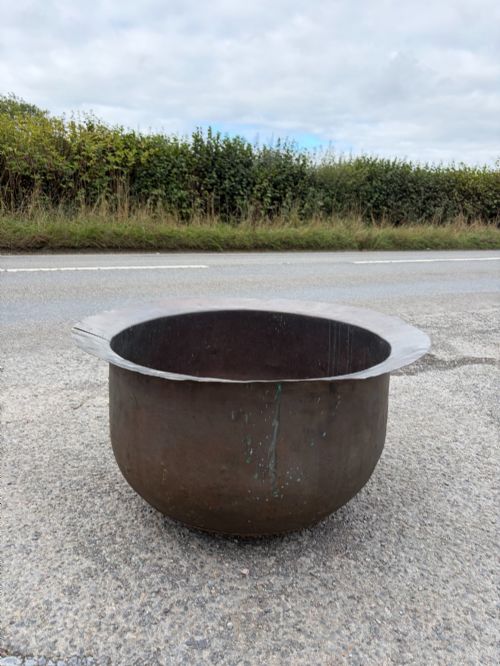
When searching for a large antique washing basin, buyers encounter a robust variety of vessels originally built for domestic labour, food preparation or personal ablutions. These items transition easily from utilitarian kitchen equipment and dairy pans to decorative planters and log bins in modern interiors.
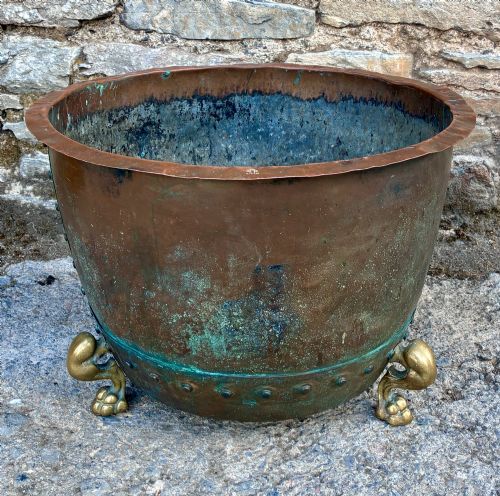
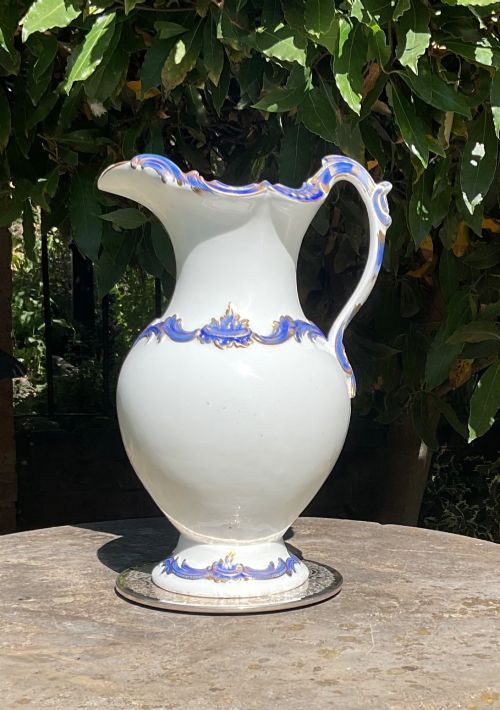
The pieces on this page span several centuries and styles, dominated by nineteenth-century copper pots, cauldrons and cream setting pans alongside earthenware tian bowls and ironstone jugs. French provincial, Victorian country and rustic farmhouse aesthetics shape the selection, reflecting utilitarian origins across Britain and continental Europe.
Materials and Construction
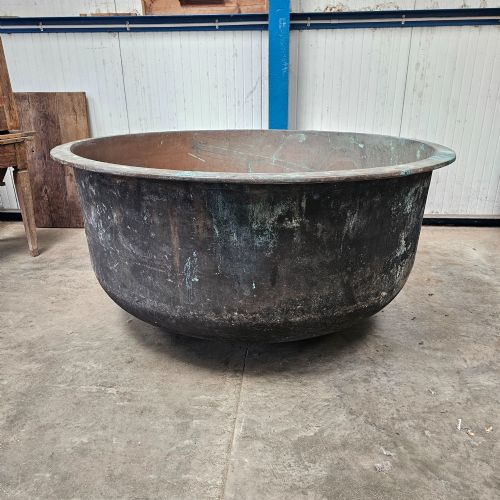
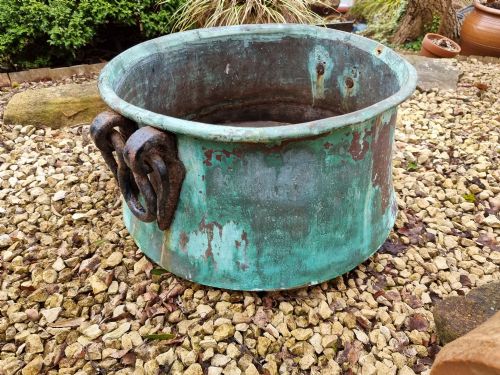
Metal vessels rely heavily on sheet copper, iron and brass, often joined by hand riveting or beaten into deep circular forms over heavy anvils. Many retain the characteristic surface textures of heavy use, including verdigris, weathered patinas and iron swing handles.
Ceramic pieces utilise earthenware, creamware and porcelain, finished with green glazes or spongeware decoration. These clay bodies are shaped for heavy kitchen and dairy tasks, requiring durable fired structures that survive centuries of daily handling.
Several heavy copper vessels spent their previous lives boiling laundry before retiring to hold firewood by the hearth.
Judging Quality and Character
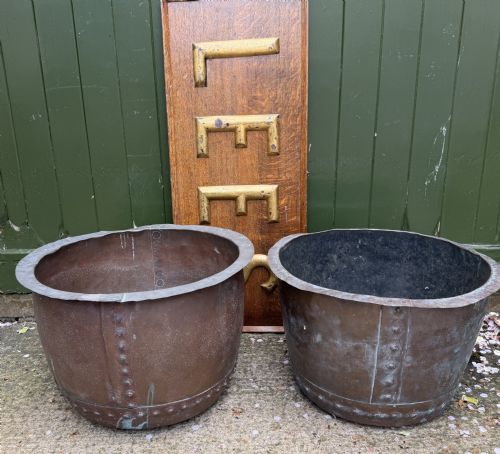
Quality rests in the integrity of the original construction, such as tight hand-riveted seams on copper cooking vessels and substantial wall thickness in cast iron or earthenware bodies. Thinner modern reproductions lack the heft and honest wear patterns accumulated through generations of active service.
Surface character defines the upper tier of these pieces, where undisturbed patinas, natural verdigris and maker stamps provide historical context. Over-polished metal or poorly repaired ceramic bodies diminish the tactile authenticity that collectors seek.
Mann & Co·Copeland
The Large Washing Basin Glossary
- Verdigris
- A green patina that forms naturally on copper, brass or bronze through atmospheric oxidation over decades. This layer protects the underlying metal and signals considerable age.
- Creamware
- A refined earthenware developed in eighteenth-century Britain, characterised by a pale yellowish-buff glaze. It gained widespread popularity for durable dairy and tableware.
- Spongeware
- A type of pottery decorated by applying pigment with a sponge or cloth to create a mottled pattern. It appears frequently on nineteenth-century domestic bowls and jugs.
- Ironstone
- A heavy, durable ceramic patented in the nineteenth century to rival Chinese porcelain. It offers high resistance to chipping and forms large sturdy basins and jugs.
- Tian bowl
- A large traditional French earthenware vessel used in rural kitchens for food preparation or washing. They often feature characteristic green glazes and generous dimensions.
Large Washing Basin: Frequently Asked Questions
What were large copper vessels originally used for?
These large copper pots and pans served heavy domestic and agricultural duties, including boiling laundry, heating water, and simmering large quantities of food over open hearths.
In rural settings, similar vessels functioned as cheese vats and cream setting pans within dairies before finding new life in modern homes.
How do I clean an antique copper basin?
Washing with warm water and mild soap removes daily dust while preserving the historic surface and darker oxidation tones.
Many collectors prefer to leave the natural verdigris and weathered patina untouched, as aggressive polishing strips away the signs of age.
Can I use an antique earthenware bowl outdoors?
Hard-fired earthenware and heavy ceramic basins withstand outdoor conditions well when used as garden planters or log bins.
However, porous bodies remain vulnerable to frost cracking during freezing winter weather if left sitting in standing water.
How can I tell a nineteenth-century copper pan from a modern reproduction?
Period pieces display hand-beaten surfaces, irregular hammer marks, and heavy dovetail or riveted seams rather than uniform machine welding.
Weight also serves as a reliable indicator, as genuine utilitarian vessels use thick gauge metal designed to endure heavy fires.