
Large Portrait
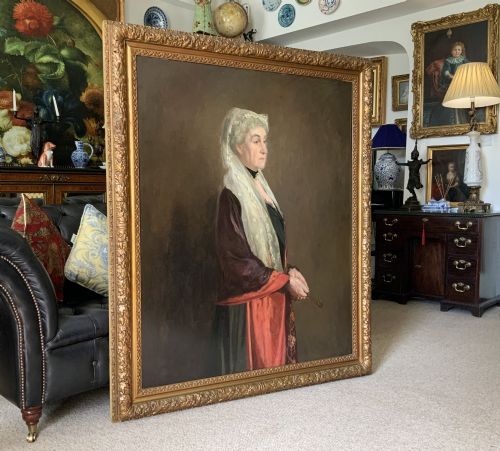
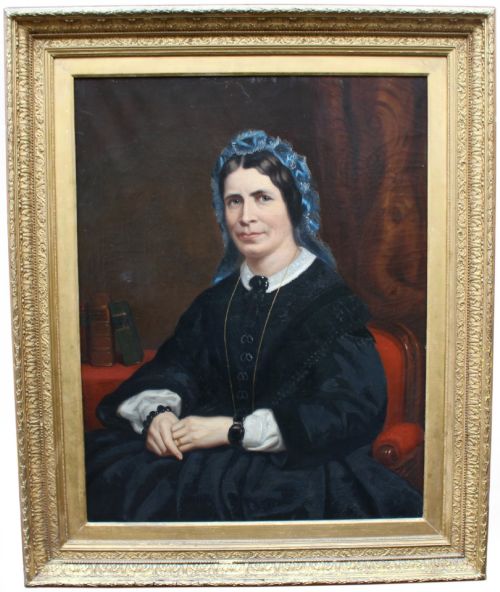
A large antique portrait brings scale and historic presence to a room, drawing the eye with painted canvas, carved stone or precious metal.
Large Portrait
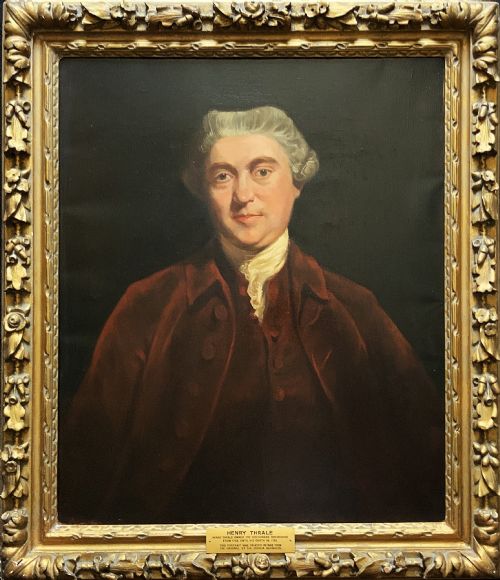
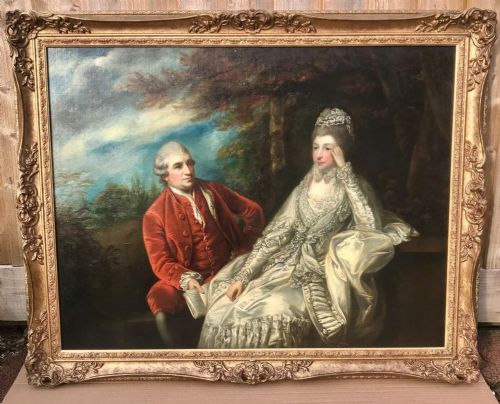
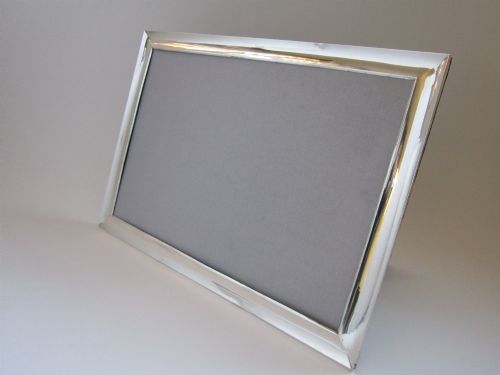
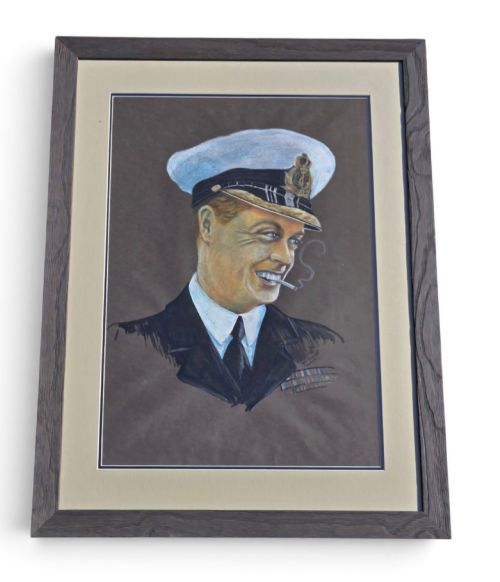
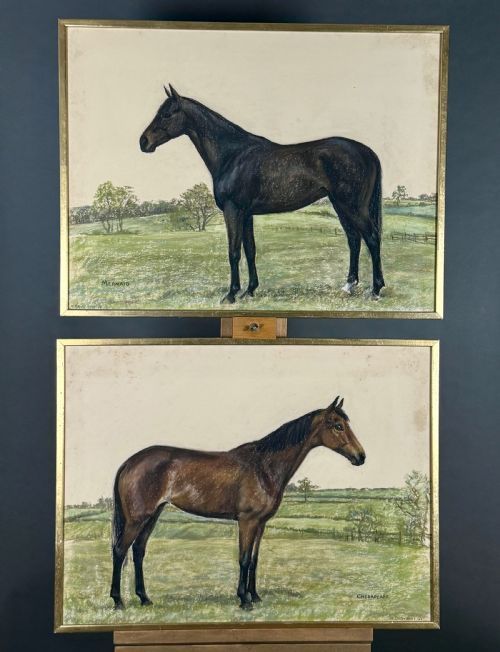
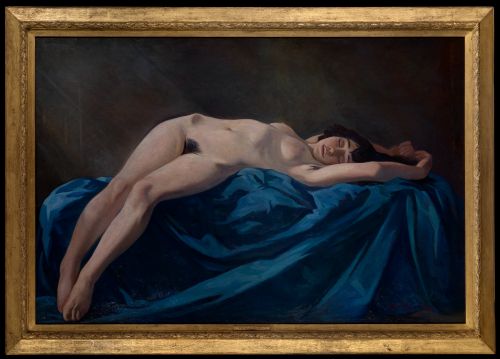
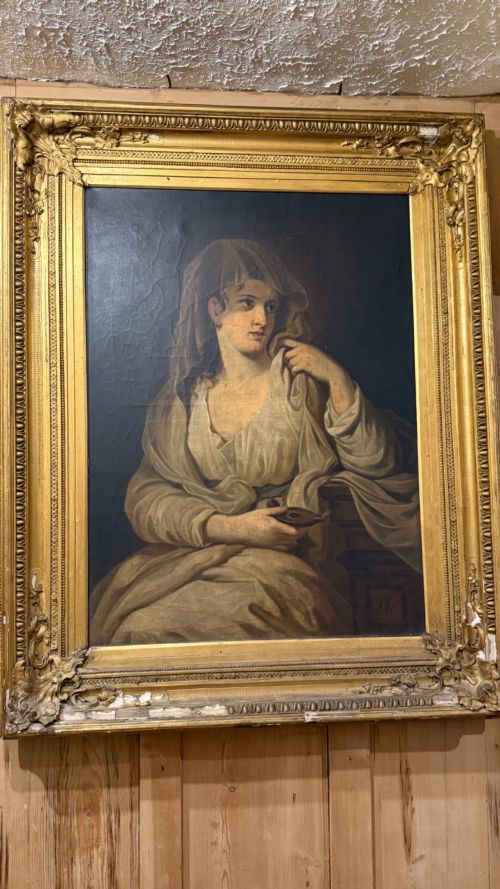
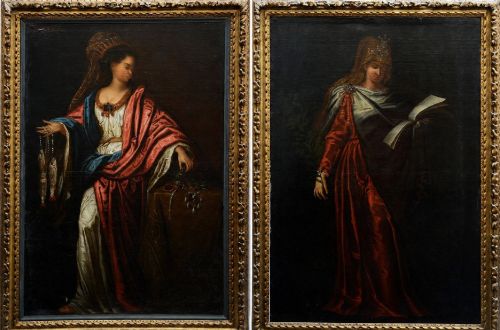
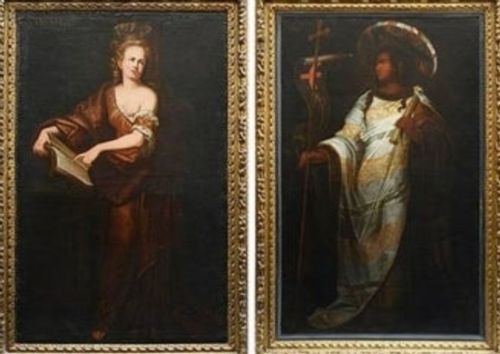
A large antique portrait encompasses significant painted canvases, sculptural busts and framed depictions of notable figures or anonymous sitters spanning multiple centuries. These works range from grand Georgian oil paintings and Victorian canvases to Edwardian pastels and sterling silver photographic frames designed to dominate a wall or mantelpiece.
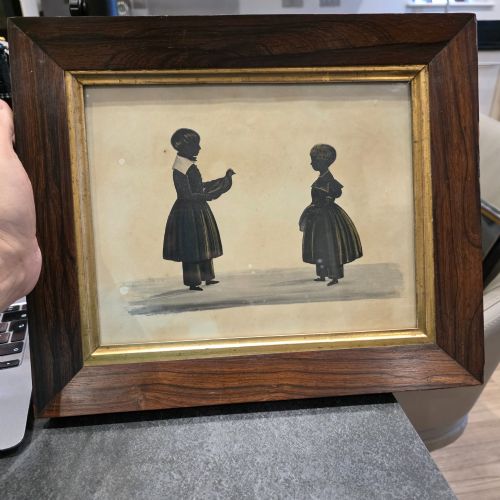
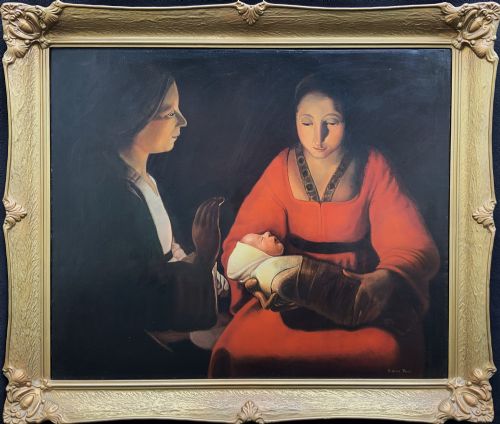
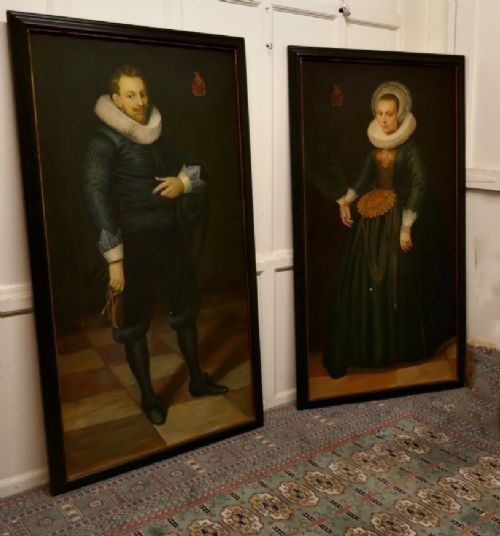
Buyers encounter diverse interpretations of the form, from direct copies after old masters to original regional school commissions and detailed silhouettes. The selection frequently includes pairs of historical militia members, classical mythological figures and intimate family studies rendered in oils, chalk or bronze.
Originating across British, French and wider European traditions, these objects reflect the changing tastes in domestic display from the eighteenth century onwards. Whether rendered as a monumental oil on canvas or a cast alabaster bust, each piece carries the distinct aesthetic concerns of its originating period.
Materials and construction methods
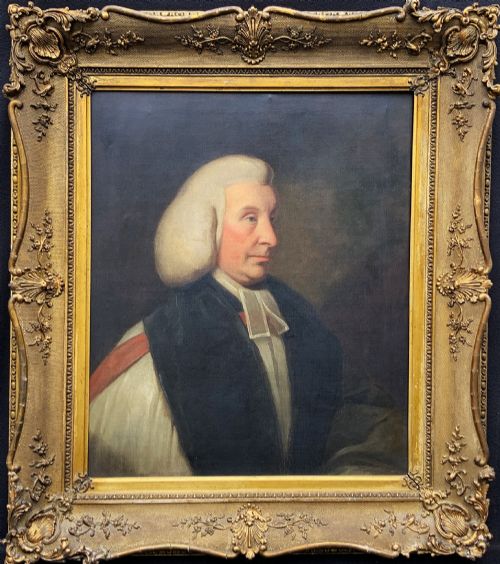
Painters applied oil and pastel onto stretched canvas or heavy paper support, frequently enclosing the finished work within heavy gilt wood and gesso frames featuring egg and dart or beaded moulding. Sculptors shaped solid alabaster, marble, bronze, plaster and carved walnut to create three-dimensional likenesses.
Metalworkers fabricated substantial picture frames and photograph housings from sterling silver, incorporating engine-turned detailing and glass viewing panes. Artisans also employed reverse painting techniques on glass and delicate silk textiles for specialised portrait formats.
Listings feature works spanning the eighteenth, nineteenth and twentieth centuries, executed in oil on canvas, pastel, carved alabaster, marble, bronze and sterling silver.
Differentiating quality across the range
Quality rests upon the confidence of the brushwork, the anatomical precision of the sitter and the depth of character captured by the artist, distinguishing skilled studio output from hurried decorative production. The psychological engagement of the subject and the subtlety of tonal gradation elevate superior examples above standard commercial portraiture.
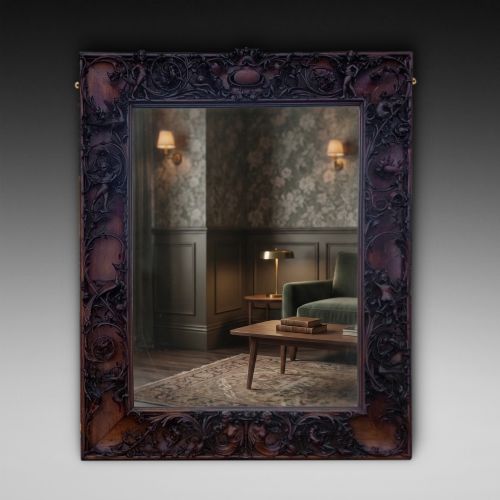
The physical housing plays a decisive role, with original period giltwood frames carved with intricate gesso ornamentation commanding greater appreciation than later replacements. The integrity of the underlying canvas support, the purity of the silver alloys in metal frames and the crispness of detail in carved stone busts further define the upper tier of pieces.
John Opie RA·Harold Knight RA·Georges de La Tour·Sir Joshua Reynolds·Frans Hals
The Large Portrait Glossary
- Gesso
- A plaster-like mixture applied to wooden frame substrates to provide a smooth surface for gilding. It accepts deep relief carving and historical tool marks.
- Silhouettes
- Profile portraits cut from black paper or painted onto card or glass. They gained immense popularity in the eighteenth and nineteenth centuries before photography.
- Pastel
- A dry medium composed of powdered pigment and a binder, worked onto paper or canvas. It yields velvety matte textures requiring protective glazing.
- Provenance
- The documented history of ownership or exhibition for an artwork. It establishes authenticity and connects the piece to historical collections.
- Old Master
- An esteemed European artist working before about eighteen hundred, or a painting produced in that tradition. Later works often copy these compositions.
Large Portrait: Frequently Asked Questions
How do I hang a heavy oil portrait safely?
Substantial oil canvases require secure wall anchors fixed directly into studwork or masonry to bear the considerable weight of the wooden stretcher and heavy gilt frame. Heavy-duty picture wire combined with strong D-rings screwed into the frame sides ensures even load distribution.
Position the centre of the canvas at standard eye level, accounting for the natural tilt imparted by the hanging cord. Adequate wall clearance prevents moisture accumulation behind the canvas in older properties.
How should I clean an antique gilt frame?
Dust gilt frames gently using a very soft, dry brush or a feather duster to dislodge particles from delicate gesso mouldings without applying lateral pressure. Avoid liquid cleaners, water and chemical solvents entirely, as moisture strips nineteenth-century water gilding and gold leaf.
Professional conservators should handle areas of active flaking or loss to stabilise the fragile plaster ground. Regular environmental climate control prevents the underlying wood from warping and cracking the gesso.
Can silver photo frames be polished safely?
Sterling silver frames benefit from gentle cleaning with a specialised non-abrasive silver cloth to remove tarnish while preserving hallmarks and structural engraving. Avoid aggressive liquid dips that strip historical patina and damage wooden or velvet backing boards.
Keep polishing agents away from glass edges and internal fabric linings to prevent staining. Frequent light wiping maintains the shine more effectively than heavy, infrequent scrubbing.
What lighting protects oil paintings from damage?
Position portraits away from direct, uninhibited sunlight and high-heat halogen spotlights to prevent the oil paint and canvas from drying, cracking and fading. Modern LED picture lights emit minimal ultraviolet radiation and heat, making them suitable for prolonged display.
Keep relative humidity stable within the room to prevent expansion and contraction cycles that stress the canvas weave. Indirect ambient lighting often reveals the subtle brushwork and tonal depth of historical oils more sympathetically.