
British Portraiture Oil Painting
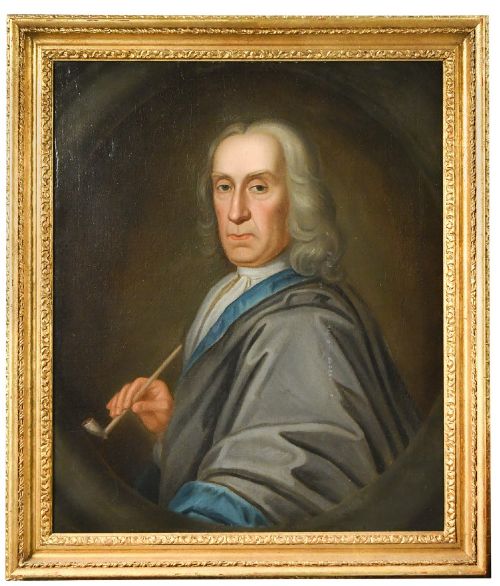
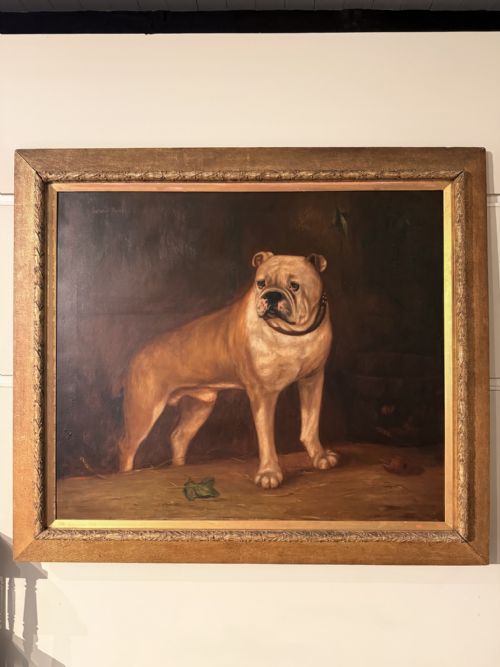
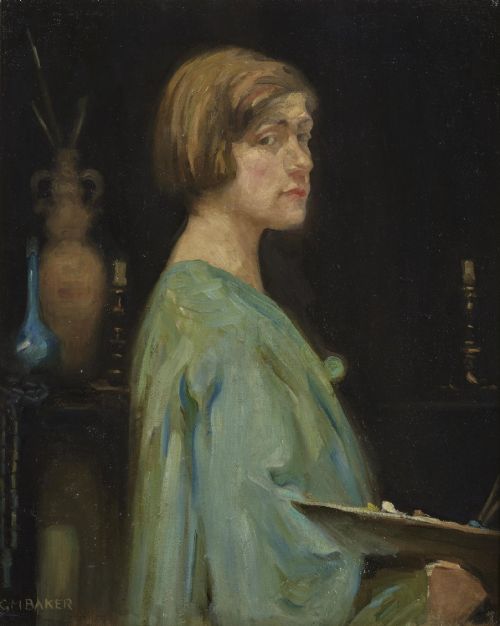
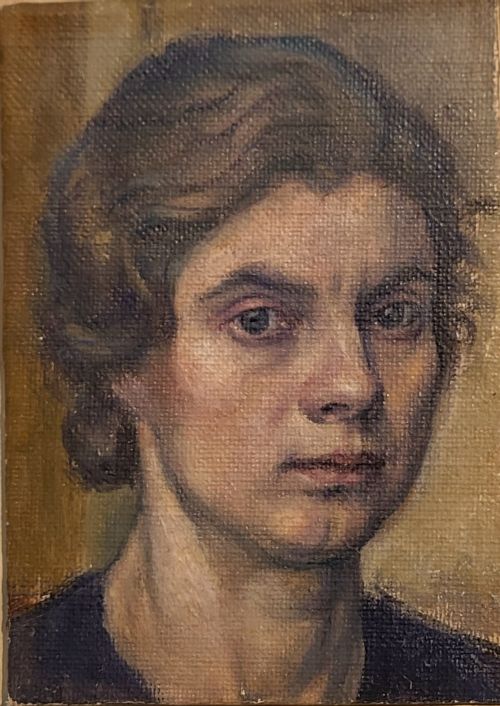
British portraiture oil painting captures centuries of faces, personalities and status across canvas and wood panels.
British Portraiture Oil Painting
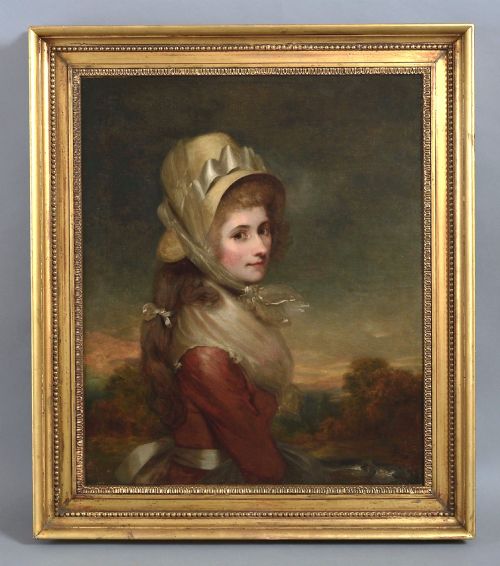
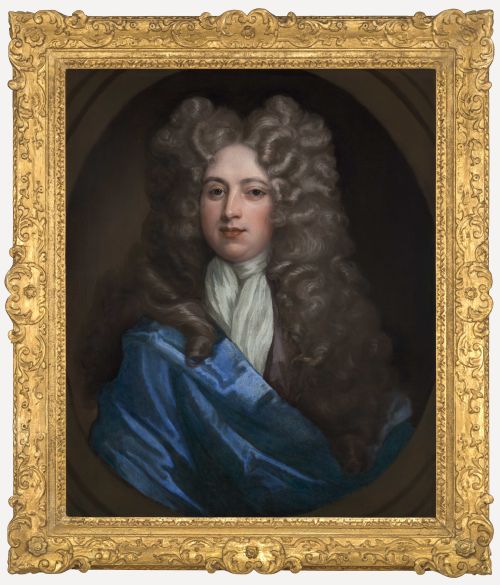
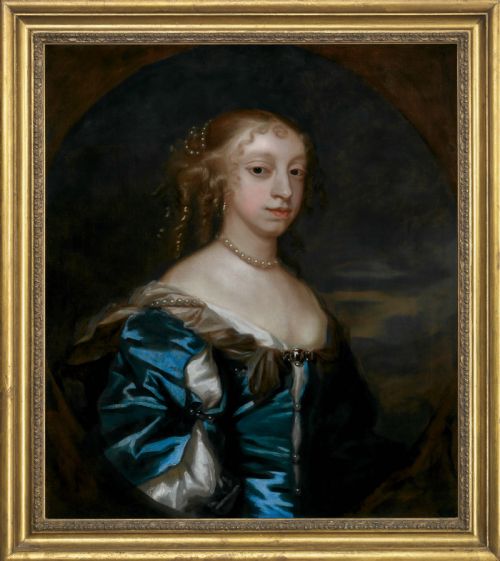
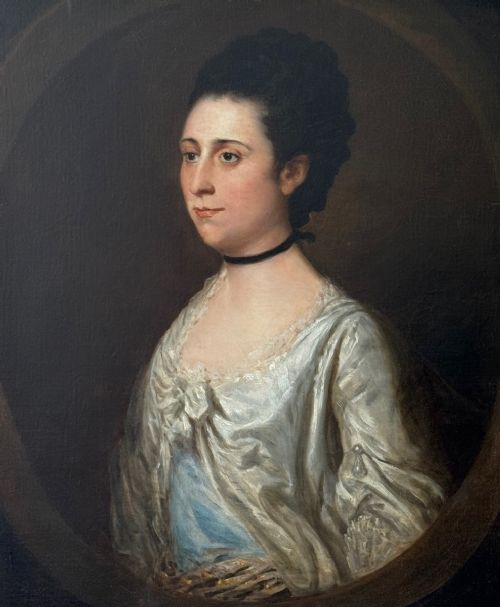
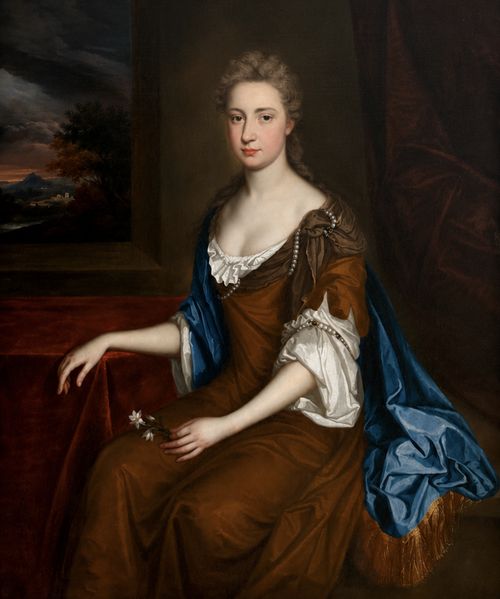
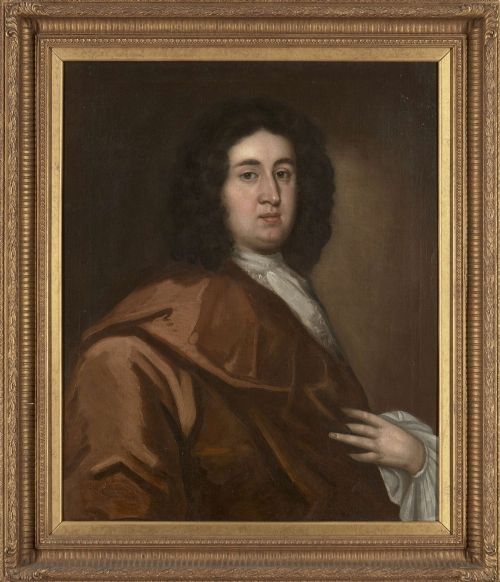
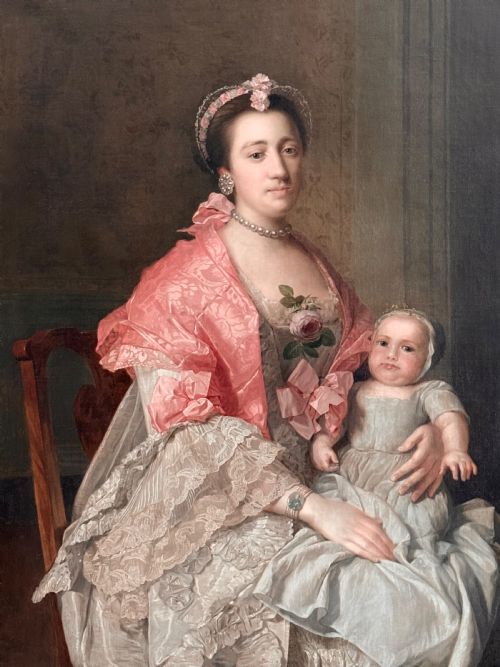
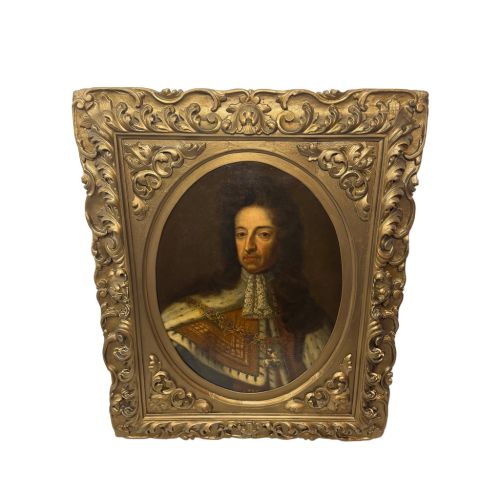
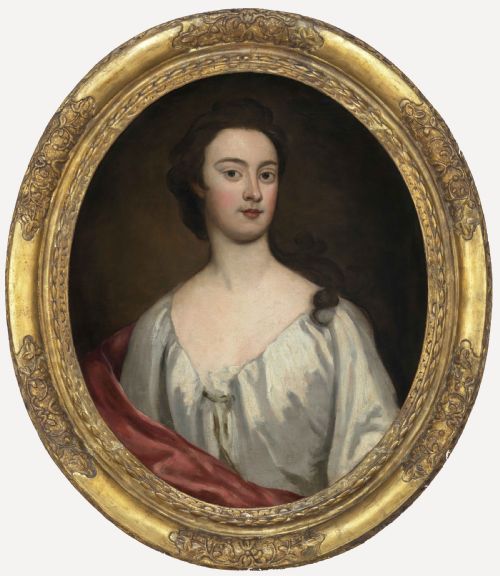
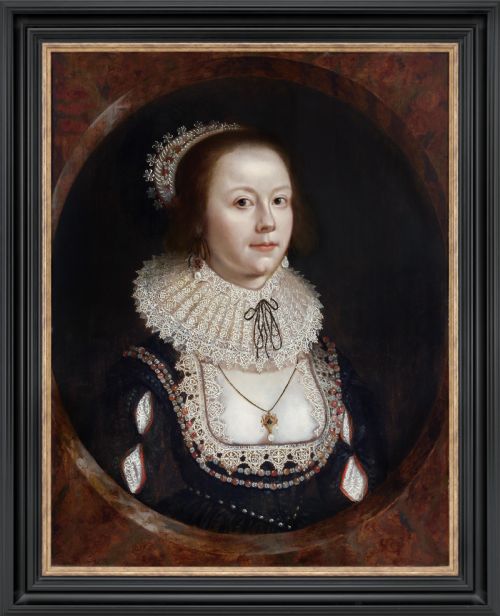
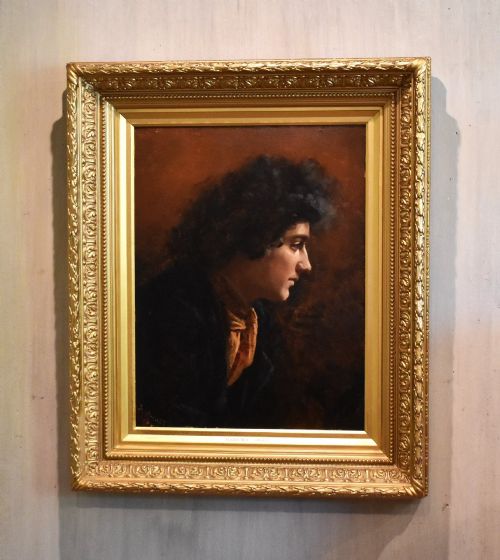
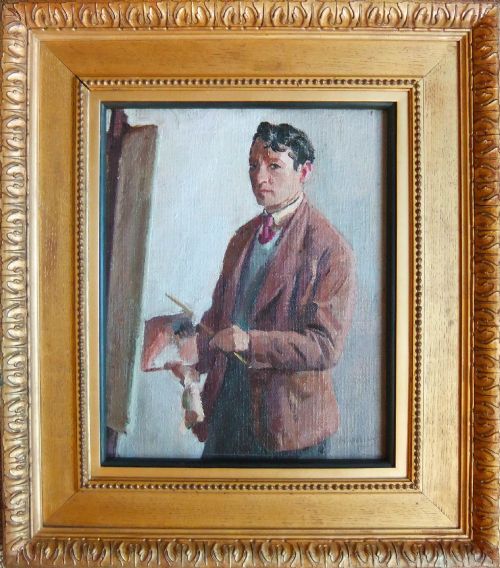
A British portraiture oil painting records the likeness of sitters ranging from aristocracy and clergy to children and self-portraits, spanning periods from the seventeenth century through the twentieth century.
Buyers encounter works originating from distinct eras including the Baroque, Georgian, Victorian, and mid-twentieth-century modern movements.
The subjects appear in various formats, from intimate head-and-shoulder studies to large canvases depicting sitters in formal attire or holding personal items.
Materials and construction
Artists painted primarily with oil paint on stretched canvas or wooden panels, utilising supportive wooden frames finished in gilt wood or giltwood.
Surviving works often retain their period framing, which complements the layered oil pigments and varnish applied by the painter or studio assistants.
Several portraits thoughtfully include family pets, preserving the likenesses of pampered spaniels alongside their dignified owners.
Judging quality and hand
The distinction between a prime studio piece and a later follower's copy rests on the confidence of the brushwork, particularly in the rendering of facial expressions, lace, and hands.
Works attributed directly to named artists or their immediate circles display superior draftsmanship and anatomical proportion compared to anonymous school pieces.
Sir Martin Archer Shee·Thomas Murray·John Closterman·Sir Allan Ramsay·Jeremiah Davison·Cornelius Johnson·Florence Small·Philip Naviasky·John Greenhill·Sir Godfrey Kneller·Robert More·Charles Sillem Lidderdale·Frank Owen Salisbury·Thomas Robson·Richard Cosway
The British Portraiture Oil Painting Glossary
- Oil on canvas
- Pigments suspended in a drying oil medium applied to a woven fabric support. This method became the standard support for portraits from the seventeenth century onward.
- Oil on panel
- Pigments applied directly to a prepared wooden board. Earlier works frequently utilise this sturdy support before canvas gained dominance.
- Giltwood
- Wood carved and covered with a thin layer of gold leaf or gold paint. These frames enclose many period paintings to enhance their visual weight.
- Circle of
- A term used when a painting originates from the workshop or immediate milieu of a master, showing close stylistic proximity without direct attribution.
- Baroque
- An artistic style prevalent in the seventeenth and early eighteenth centuries, characterised by drama, rich textiles, and deep tonal contrasts.
British Portraiture Oil Painting: Frequently Asked Questions
How do I identify the sitter in a portrait?
Sitters are often identified by contemporary inscriptions on the canvas, stretcher, or frame, detailing names, titles, or dates.
Heraldic devices, coats of arms, or specific clothing like peerage robes and military uniforms also provide vital clues for archival research.
What is the difference between an artist and their circle?
An artwork attributed directly to a named master indicates the primary hand of that painter.
Pieces assigned to the circle or studio of an artist reflect the work of assistants or contemporary followers working under similar influences.
How should I hang an oil portrait at home?
Oil paintings on canvas require stable indoor humidity and temperature away from direct sunlight and heat sources.
Ensure the wall fixings match the substantial weight of the antique wooden frames typically housing these artworks.
How can I tell the period of a painting?
Clothing styles, periwigs, lace collars, and hairstyles provide immediate chronological markers for dating a portrait.
Construction details of the canvas weave, stretcher frames, and the composition of the underlying wood panel offer further physical evidence.