





Academic Oil on Canvas
Academic oil on canvas works bring rigorous studio draftsmanship and formal historical compositions into domestic spaces.
Academic Oil on Canvas
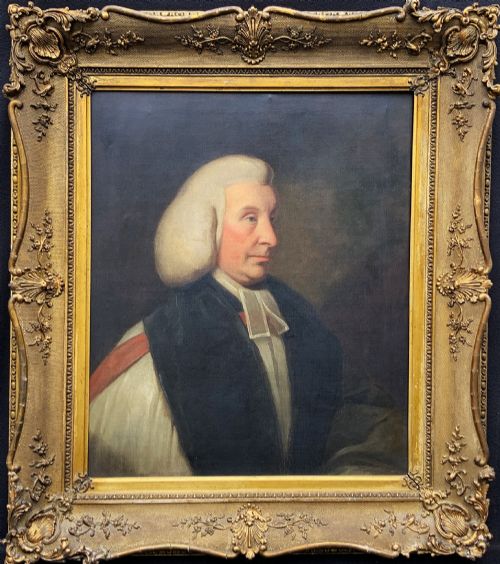
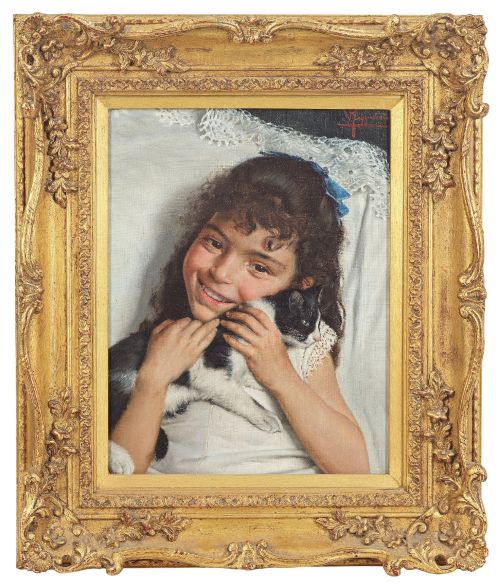
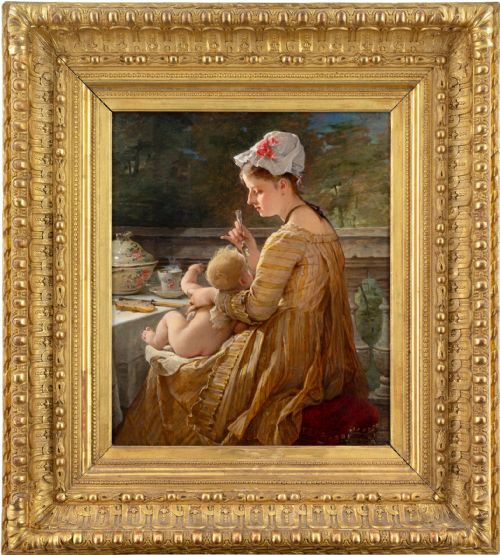
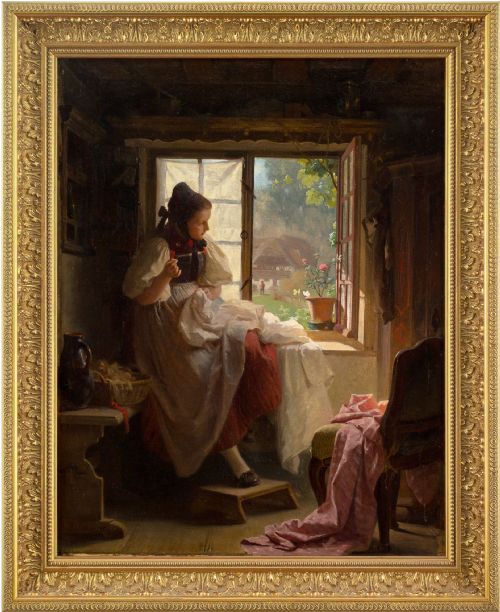
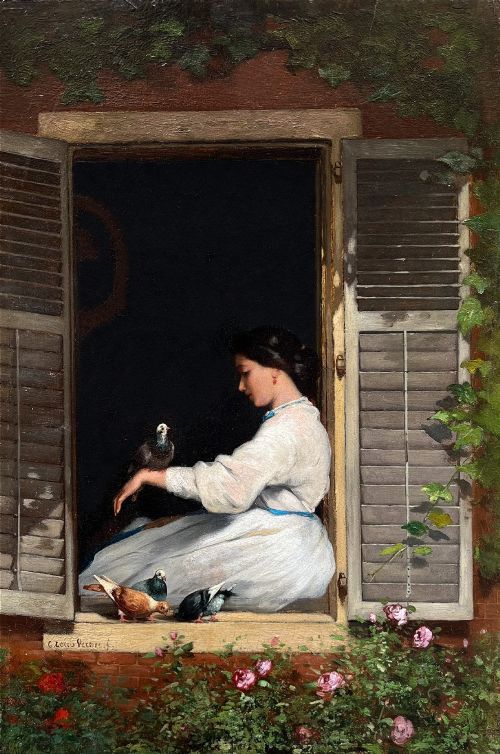
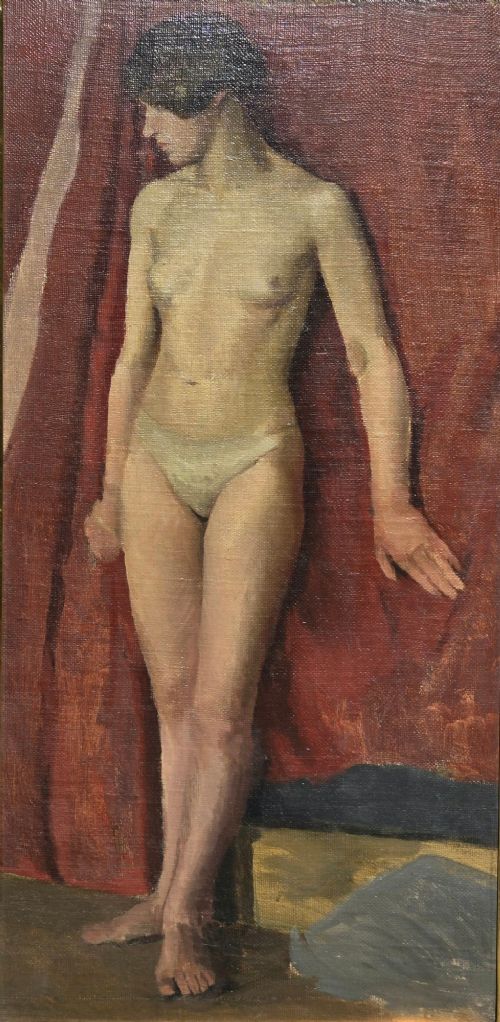
Academic oil on canvas works represent disciplined painting traditions from the eighteenth, nineteenth, and early twentieth centuries. These pieces encompass detailed portraiture, historical genre scenes, and classical figural studies produced within established European art academies.
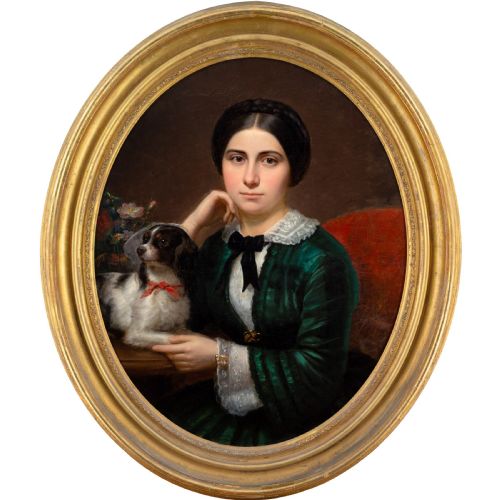
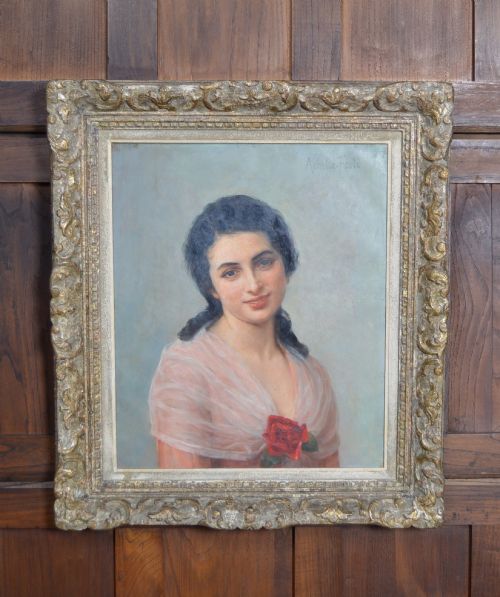
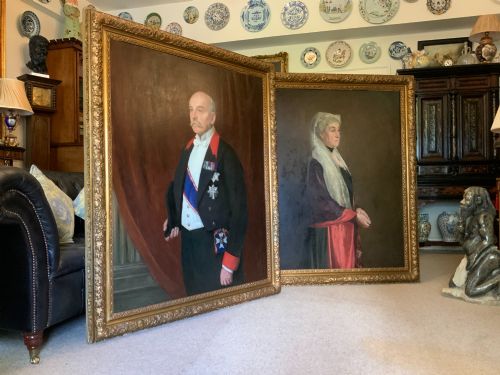
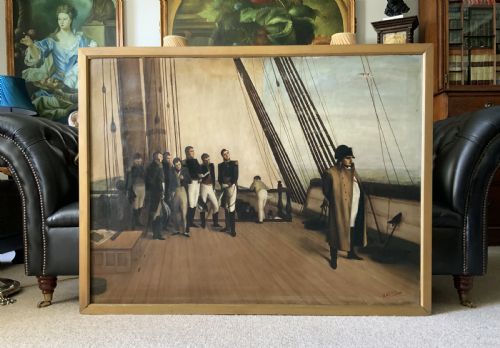
Buyers frequently encounter nineteenth-century French and British school canvases displaying meticulous brushwork and structured narratives. Portraits of gentlemen, ladies, and militia sit alongside romantic genre interiors and mythological subjects.
The selection ranges from intimate cabinet paintings to monumental historical works framed in period wood and gesso. Many examples reflect the rigorous teaching methods of institutions such as the Royal Academy and South Kensington Art School.
Materials and Studio Techniques
Painters utilised woven canvas stretched over wooden frames as the primary support for their oil media. Pigments mixed with oils were built up in thin glazes and opaque layers to achieve realistic skin tones and luminous fabric textures.
Gilt wood and gesso frames complement these canvases, often featuring ornate moulded ornamentation characteristic of the period. The combination of durable linen support and stable oil paint allowed these formal compositions to survive centuries largely intact.
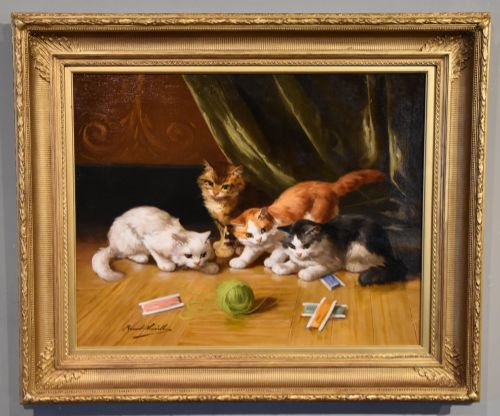
Cats, dogs, and domestic birds frequently share the canvas with their human sitters, capturing centuries of household pets posing patiently for formal portraits.
Assessing Quality and Execution
Quality in academic oil on canvas pieces rests upon the precision of anatomical drawing and the sophistication of the tonal palette. Superior hands achieve remarkable depth in drapery and lifelike expression in portraiture through controlled light and shadow.
The handling of secondary elements, such as interior backgrounds or still life components, distinguishes master academicians from lesser workshop productions. Original period frames executed in carved giltwood further elevate the historical integrity of a canvas.
Dumini Leopoldo·Vittorio Reggianini·Adelaïde Salles-Wagner·Max Kaltenmoser·Louis Charles Verwee·William Blake Richmond·Harold Knight·Alfred Arthur Brunel de Neuville·Johann Hamza·Charles Zacharie Landelle·André Charles Voillemot·Ferdinand Victor Leon Roybet·Alexandre-Louis Martin·Gabriel Puig Roda·Frederick Goodall·Lance Calkin·Alfred Holst Tourrier·Hermann Armin Kern·Frank Hyde·Thomas Couture·James Clark
The Academic Oil on Canvas Glossary
- Academic Realism
- A style of painting and sculpture produced under the influence of European academies of art, emphasising traditional techniques and classical subjects.
- Gesso
- A plaster-like mixture applied to wooden frames or canvas supports to prepare a smooth surface for painting or gilding.
- Genre Painting
- The pictorial representation in ordinary life, such as scenes of domestic interiors, card players, or market activities.
- Oil Paint
- A slow-drying paint made by combining pigments with a drying oil, most commonly linseed oil.
- Provenance
- The chronology of the ownership, custody, or location of a historical historical painting.
Academic Oil on Canvas: Frequently Asked Questions
What defines an academic oil painting?
These works follow the strict curriculum and standards set by official European art academies. They emphasise mastery of drawing, historical narratives, and classical composition.
Subjects range from formal portraiture of gentlemen and ladies to mythological scenes and detailed genre interiors.
How do I identify the period of a canvas?
Dating relies on stylistic clues, costume details, stretcher frame construction, and artist signatures. Nineteenth-century works often display specific realism or romantic traits.
Examine the canvas weave and tacking edges where possible, as older stretchers exhibit hand-cut wooden joinery.
Are these paintings supplied with frames?
Many listings include period gilt wood and gesso frames that match the era of the canvas. These decorative borders complete the presentation of nineteenth-century fine art.
Framing style often helps confirm the geographic origin of the school that produced the artwork.
How should I care for an antique canvas?
Keep oil paintings away from direct sunlight and dramatic fluctuations in room temperature and humidity. Stable environmental conditions prevent the canvas and gesso frame from cracking.
Dust the surface gently with a soft, dry brush and avoid using liquid cleaners on the paint layer.