


Large Papier Mache
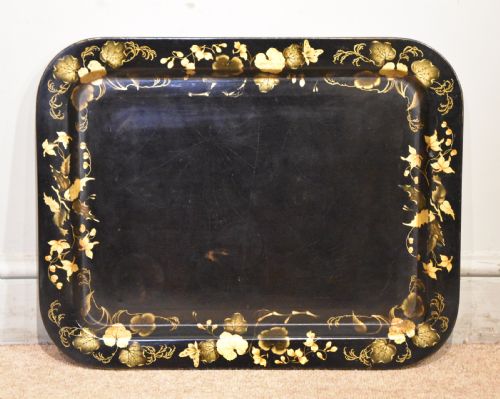
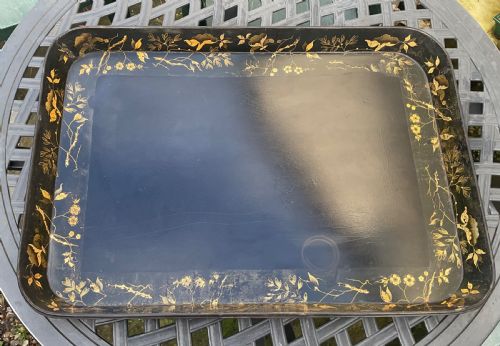
Large antique papier mache pieces are substantial, decorative objects formed from pulped paper and binder, prized for their rich surfaces.
Large Papier Mache
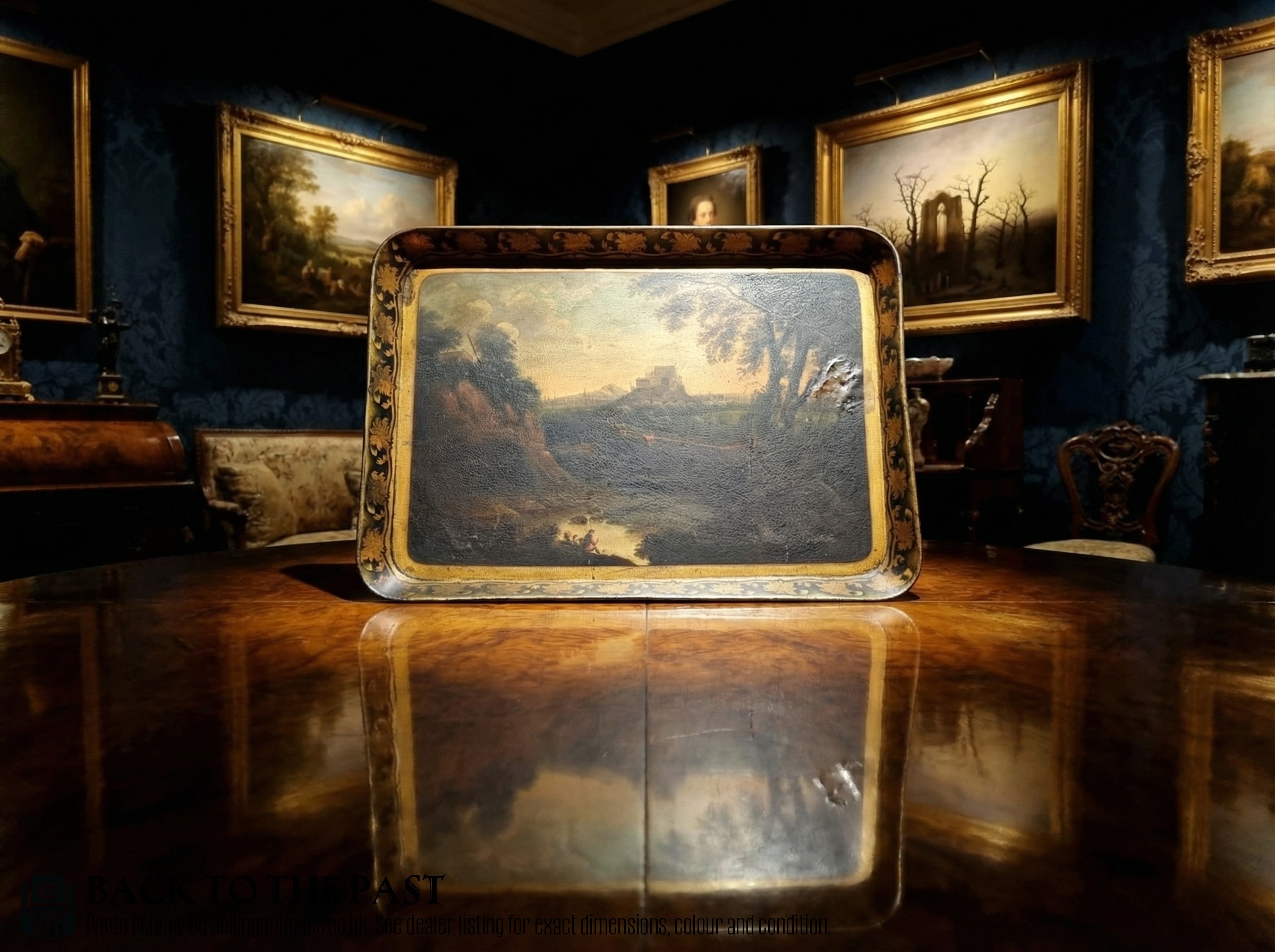
When you search for large antique papier mache, you encounter substantial serving trays, decorative bowls, dressing screens, and occasional tables originating from the Georgian, Regency, and Victorian eras. These items served functional domestic roles in affluent households, combining utility with elaborate artistic decoration.
The most common form met on this page is the large serving tray, often oval or kidney-shaped, alongside occasional tables and dressing screens. Pieces frequently feature regional aesthetic influences such as Kashmiri, Chinoiserie, and Anglo-Indian styles.
The range spans from the late eighteenth century through the Edwardian period, demonstrating diverse decorative applications. Forms encompass hanging lacquered trays, table lamps, and writing boxes alongside standard serving formats.
How they were made
Makers produced these large objects using layers of paper pulp or sheets pressed and glued together over a core before drying to a rigid state. This dense substrate provided a stable foundation capable of supporting heavy surface treatments and repeated handling.
Artisans applied layers of dark lacquer, gold leaf, and hand-painted pigments to decorate the hardened surfaces. Many examples incorporate mother-of-pearl inlay and brass elements to create shimmering textural contrast against the dark background.
Materials recorded across items include lacquer, papier-mache, gold leaf, brass, paint, and mother-of-pearl.
What varies in quality
The sophistication of the painted decoration and inlay work distinguishes standard items from exceptional examples. Fine pieces display intricate hand-painted Chinoiserie or figurative scenes alongside precise mother-of-pearl placement.
Structural integrity across large surface areas dictates the merit of trays and screens. Thicker, well-preserved paper-mache bodies resist warping better than inferior counterparts, maintaining the original form and flat planes.
Jennens and Bettridge
The Large Papier Mache Glossary
- Papier-mache
- A composite material made from paper pulp or reinforced paper sheets mixed with adhesive binder. It cures into a hard, lightweight substance suitable for moulding into large trays and boxes.
- Lacquer
- A durable resin-based varnish applied in multiple coats to create a glossy, protective finish. It serves as the primary dark ground for painted and inlaid ornamentation.
- Mother-of-pearl
- The iridescent inner layer of mollusc shells used for flat inlay decoration. Craftsmen cut thin pieces to form shimmering highlights on floral and architectural motifs.
- Chinoiserie
- European artistic style reflecting Chinese aesthetic motifs. Artisans applied these whimsical landscapes and figures extensively to Victorian and Regency pieces.
- Gilded border
- A decorative edge painted or applied using gold leaf. This framing technique accentuates the outer perimeter of trays and screens.
Large Papier Mache: Frequently Asked Questions
How do I clean large antique papier mache?
Dust surfaces gently with a dry, soft microfibre cloth to remove loose particles. Avoid using water, chemical solvents, or abrasive polishes that can damage the delicate lacquer and gold leaf.
Keep pieces away from direct sunlight and damp environments to prevent the paper substrate from warping or the painted finish from cracking over time.
Were these trays meant for actual use?
Large trays served practical functions in formal dining rooms for carrying tea services and heavy vessels. Their sturdy composite construction supported everyday domestic hospitality in period households.
Over time, many transitioned into purely decorative wall hangings or tabletop displays to preserve their intricate hand-painted artwork from wear.
How do I identify Regency papier mache?
Regency pieces often exhibit classic proportions and restrained gilded borders on deep black lacquer grounds. The decoration frequently includes classical motifs or early Chinoiserie.
Examining the underside reveals the unpainted or matte-primed paper-mache base characteristic of the early nineteenth-century manufacturing process.
What is Kashmiri papier mache?
Kashmiri examples feature vibrant, densely patterned botanical designs such as birds and foliage executed in bright pigments. These items often utilise distinct regional colour palettes differing from standard English production.
The craftsmanship reflects traditional artisan techniques developed in the Kashmir region, frequently applied to bowls and lamps.