




Large Jardiniere Stand
A large antique jardiniere stand elevates your interior foliage, combining functional pottery support with sculptural presence across global traditions.
Large Jardiniere Stand
A large antique jardiniere stand positions potted plants at height, serving both botanical and decorative roles in nineteenth and early twentieth-century interiors. These assemblies combine a vessel for planting with a dedicated pedestal or base, often designed to match or complement each other in style.
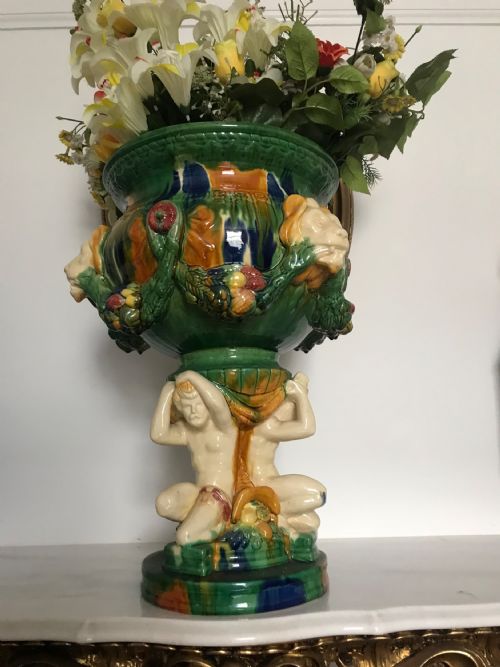
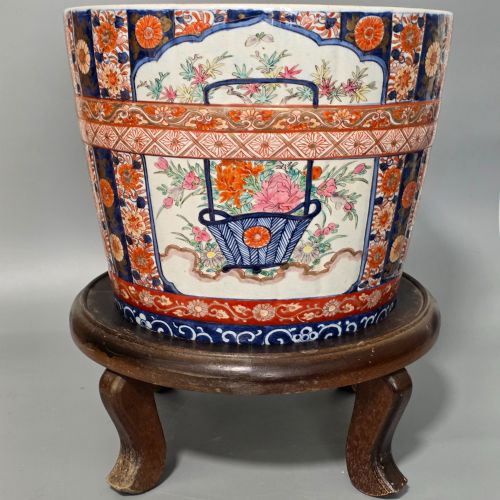
The versions you meet on this page span diverse global traditions, ranging from heavy European majolica and French satin walnut to carved Chinese padouk and Japanese Imari ceramics. Nineteenth-century examples dominate the selection, drawing upon design vocabularies like Art Nouveau, Italian Renaissance Revival, and Qing Dynasty aesthetics.
Forms vary from figural ceramic columns featuring lion head decoration to sectional bronze bodies and associated hardwood stands. Whether you encounter earthenware planters or carved wooden pedestals, each piece reflects the era's enthusiasm for indoor greenery and ornamental display.
Judging quality in jardiniere stands
Quality rests in the harmony between the planter and its stand, particularly where sets remain original rather than associated later. The crispness of carved details in wood or the depth and clarity of glazes on earthenware distinguish finer pieces from standard production.
Structural integrity matters deeply given the heavy loads these objects carried; well-balanced bases and robust joinery separate superior examples from those compromised by damp or heavy usage.
Large Jardiniere Stand Retail Price Guide 2026
Typical asking prices for large jardiniere stand among the pieces listed under this phrase on Sellingantiques today, from the lower quarter to the upper quarter. They describe what is for sale here now, not the wider market.
Listings feature nineteen-century production alongside early twentieth-century examples, spanning European earthenware and Asian hardwoods.
Minton Secessionist·Forester and Son
The Large Jardiniere Stand Glossary
- Jardiniere
- An ornamental pot or receptacle for holding flowers or plants. These vessels often sit upon fitted pedestals or matched stands.
- Majolica
- Heavy earthenware covered with an opaque tin glaze and painted with coloured enamels. This technique yields vibrant, glossy finishes seen in nineteenth-century Italian and English pieces.
- Padouk
- A heavy, durable tropical hardwood prized for its rich reddish colour and dense grain. It appears frequently in carved Chinese furniture and stands.
- Cloisonne
- An ancient technique for decorating metal object surfaces using strips of metal to form compartments filled with paste or enamel. These are then fired and polished smooth.
- Imari
- Japanese porcelain decorated in underglaze blue and overglaze red, gold, and other colours. The style became highly popular for export during the nineteenth century.
Large Jardiniere Stand: Frequently Asked Questions
What is a jardiniere stand?
A jardiniere stand is a combined furniture and decorative piece designed to elevate and display large potted plants. It typically consists of a supportive pedestal or base paired with a matching bowl or planter.
These pieces served as prominent interior ornaments in nineteenth-century homes, bringing large foliage safely off the floor while adding architectural interest to a room.
How do I date a wooden plant stand?
Dating relies on examining the timber species, tool marks, joinery methods, and the stylistic vocabulary of the carving. Nineteenth-century pieces often display hand-carved details and dense timbers like walnut or padouk.
By comparing the decorative motifs - such as Art Nouveau whiplash lines or revivalist classical details - against established period styles, you narrow down the likely decade of manufacture.
Can these stands hold real plants?
Most antique jardiniere stands were originally built to hold heavy potted plants, though dampness over decades can affect porous ceramics and unsealed wood. Many collectors now use plastic inner liners or protective saucers inside ceramic pots to prevent water damage.
Checking the interior condition helps determine whether a piece can safely accommodate live soil and watering today.
Are the planter and stand original to each other?
Some listings feature associated sets where the planter and base were paired together later in their history, while others retain their matching factory origins. Associated pieces usually show subtle variations in glaze tone, wear patterns, or timber species.
Examining how securely the planter sits on the pedestal provides clues about whether the pairing was designed together or assembled subsequently.