





Painted Chinoiserie Vessel
These painted chinoiserie vessel examples bring hand-painted narrative scenes and vibrant enamels straight into your room.
Painted Chinoiserie Vessel
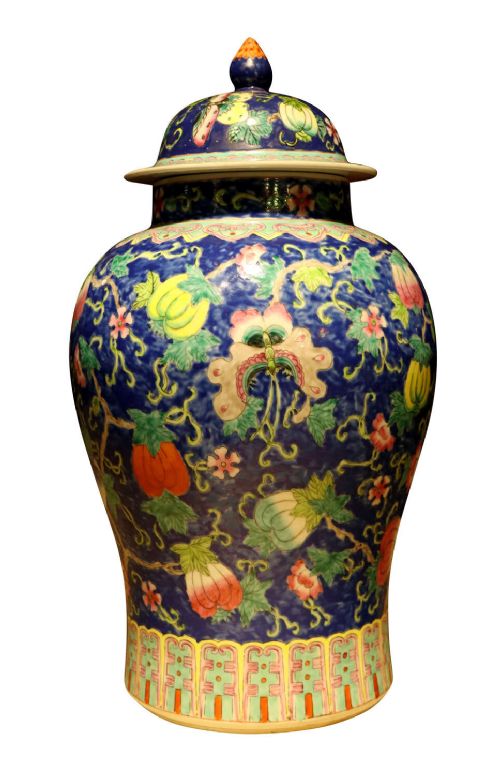
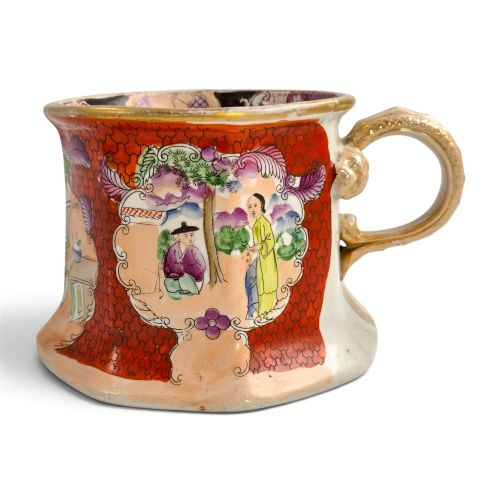
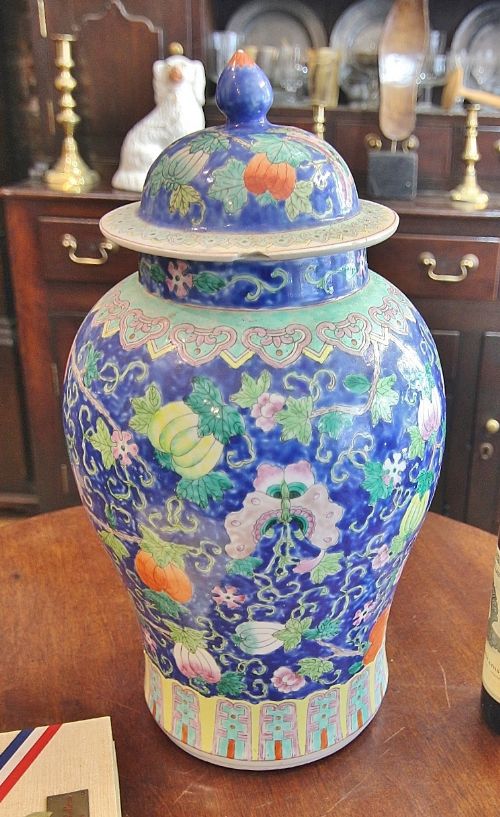
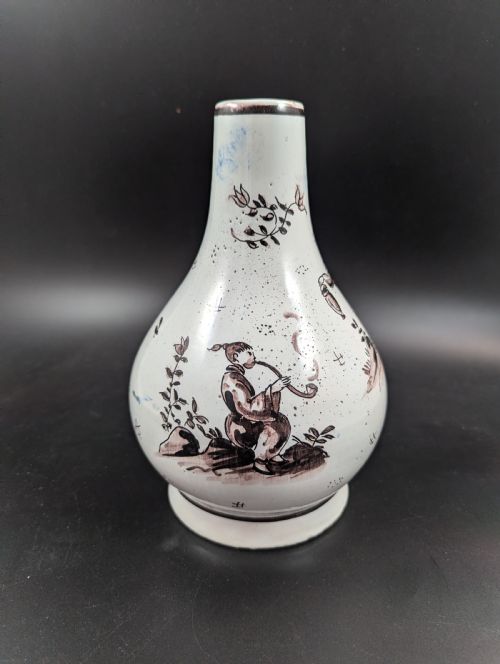
A painted chinoiserie vessel encompasses decorative ceramics, vases, jardinières, and tea caddies shaped by European interpretations of East Asian artistic traditions. The pieces appearing here span centuries of production, from mid-eighteenth-century Delft tin-glazed pottery and early nineteenth-century Regency ironstone to twentieth-century Chinese porcelain and decorative wares.
You encounter forms ranging from massive jardinieres on stands and Gu-shaped beaker vases to ginger jar lamps and delicate tea caddies. Materials move fluidly between traditional porcelain, ceramic, earthenware, and tin-glazed pottery adorned with cobalt underglaze, gilt enamel, and polychrome brushwork.
How they were made
Makers shaped these bodies from ceramic, earthenware, and porcelain before applying foundational glazes and cobalt underglaze pigments. Skilled hands then painted intricate chinoiserie motifs directly onto the surface, frequently incorporating rich enamel and gilt details.
Subsequent firing set the polychrome decoration and metallic highlights into the glaze, producing durable finishes designed to withstand daily handling and display. Some forms, such as ironstone and tin-glazed pottery, required specific kiln temperatures to achieve their characteristic opaque white or cream backgrounds.
Painted Chinoiserie Vessel Retail Price Guide 2026
Typical asking prices for painted chinoiserie vessel among the pieces listed under this phrase on Sellingantiques today, from the lower quarter to the upper quarter. They describe what is for sale here now, not the wider market.
Listings feature ceramics spanning the eighteenth century through the 1940s, utilising porcelain, earthenware, tin-glaze, and ironstone.
What varies in quality
Quality rests upon the precision of the hand-painted brushwork and the vibrancy of the enamel palette. Superior examples display crisp outlines, deliberate washes of cobalt, and finely rendered figures that elevate simple earthenware into compelling decorative art.
The sophistication of the glaze application and the crispness of the underlying ceramic form further distinguish standard production from exceptional studio output. Weight, balance, and the harmonious integration of gilt accents dictate the visual impact of each piece.
Herend·Royal Doulton·Miles Mason
The Painted Chinoiserie Vessel Glossary
- Chinoiserie
- European artistic style reflecting Chinese motifs and decorative techniques. Artisans applied whimsical landscapes and figurative scenes to ceramics and furniture.
- Cobalt Underglaze
- Pigment applied to ceramic bodies before glazing and firing. This technique produces deep blue designs that remain protected beneath a glossy finish.
- Tin-Glazed Pottery
- Earthenware coated with a tin oxide glaze to create a white opaque surface. It served as a smooth ground for painted decoration in Dutch Delftware.
- Ironstone
- Heavy durable ceramic patented in the nineteenth century. It offered a robust alternative to porcelain while accepting colourful enamels readily.
Painted Chinoiserie Vessel: Frequently Asked Questions
What is a painted chinoiserie vessel?
It is a decorative ceramic object, such as a vase, jar, or tea caddy, decorated with European-styled motifs inspired by traditional East Asian art.
These pieces use techniques like cobalt underglaze painting and enamel decoration to depict imaginary landscapes, pavilions, and figures.
How do I date a painted chinoiserie vessel?
Dating relies on examining the ceramic body, the formulation of the glaze, and the specific style of the painted decoration. Eighteenth-century pieces often show tin-glazes or soft-paste porcelain, while nineteenth- and twentieth-century examples use ironstone or modern porcelain.
Maker marks, where present, help narrow down the period of manufacture alongside the baseline characteristics of the potting technique.
Where were these vessels made?
Production spans both European potteries copying Asian styles and actual Chinese kilns producing wares for export. English factories like Miles Mason and Royal Doulton created distinct interpretations alongside Dutch Delftware potteries and continental European makers.
Imported Chinese porcelain forms also feature prominently, bridging Eastern manufacturing traditions with Western collecting tastes.
How do I style a painted chinoiserie vessel at home?
These pieces function as striking focal points on mantelpieces, sideboards, or fitted as lamps for ambient lighting. Their bright polychrome palettes and gilt enamels contrast effectively against neutral wooden furniture and dark walls.
Larger jardinieres accommodate house plants or floral arrangements, bringing height and texture to interior spaces.