
Large Framed Painting
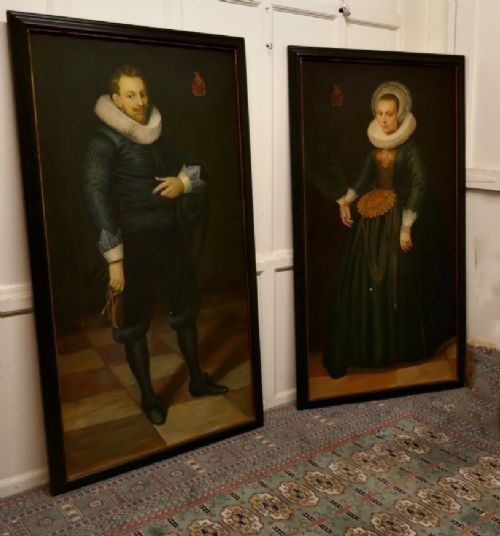
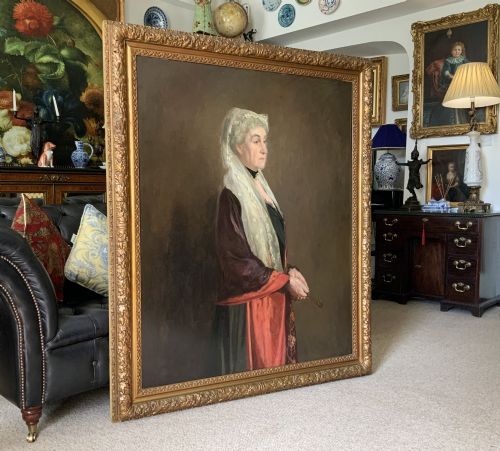
A large antique framed painting commands a room through scale, subject matter, and the rich texture of historic canvas and carved wood.
Large Framed Painting
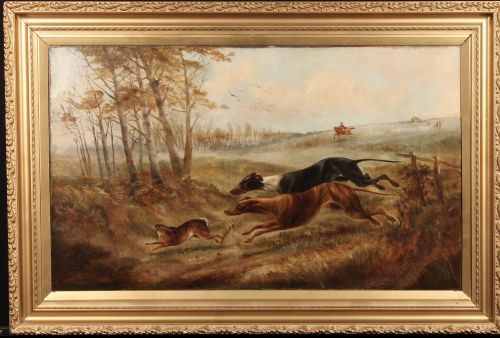
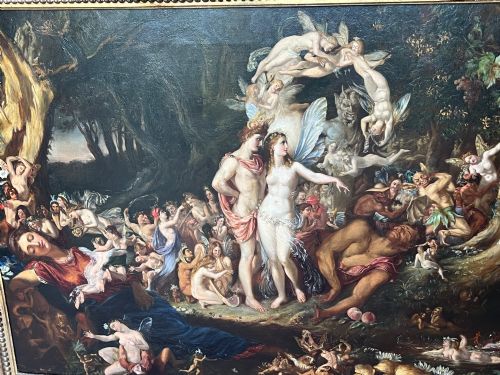
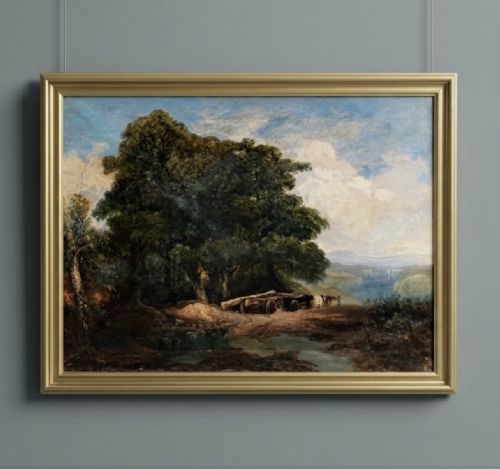
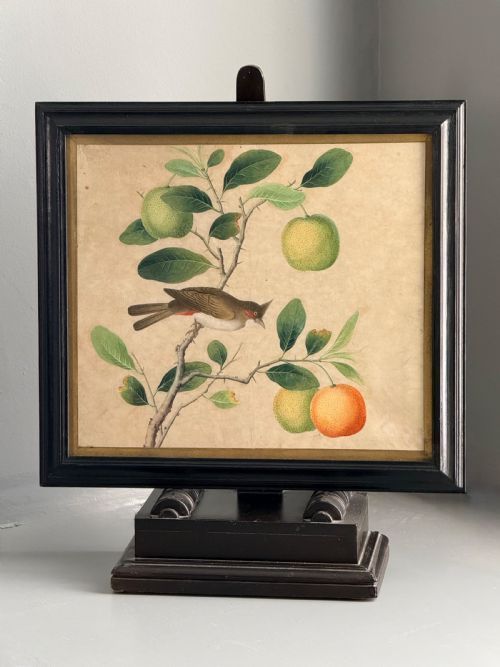
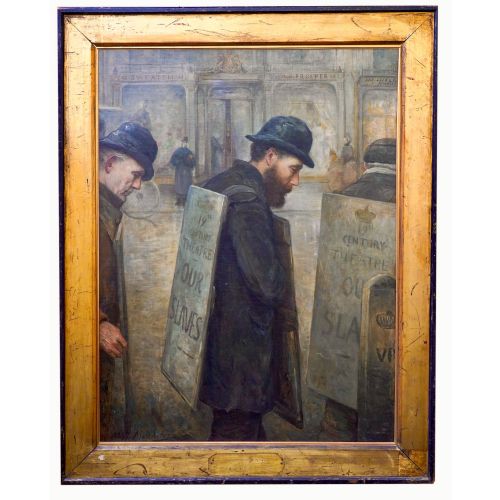
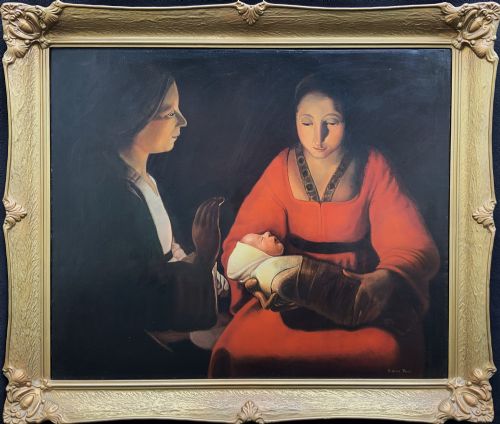
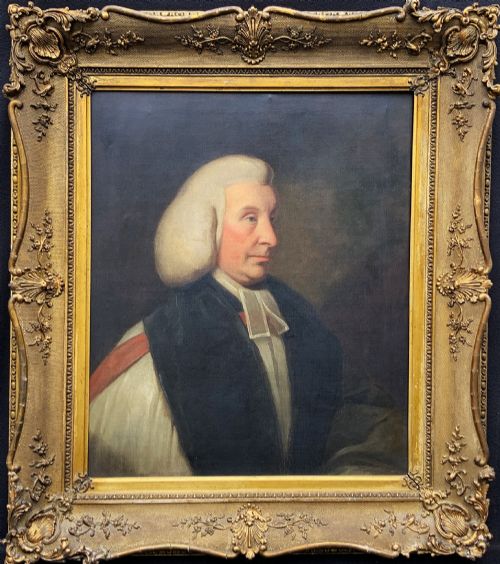
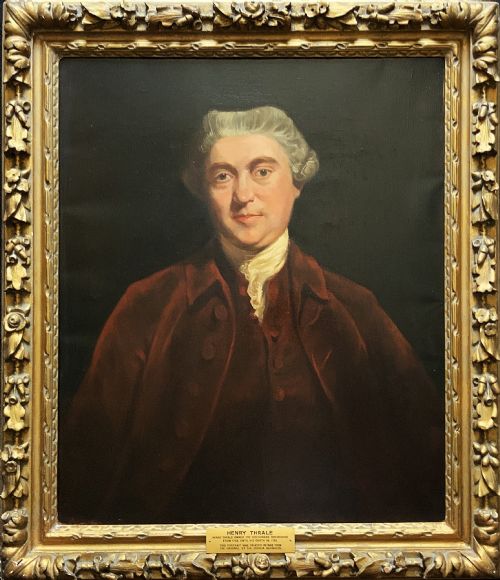
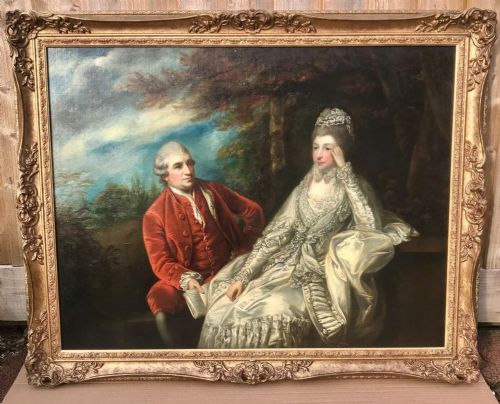
A large antique framed painting spans centuries of artistic expression, ranging from formal eighteenth-century portraits and grand mythological scenes to nineteenth-century landscapes, seascapes, and sporting works. Buyers seeking these substantial works will find oil on canvas as the dominant medium, alongside gouache on pith paper, pastels, and textiles.
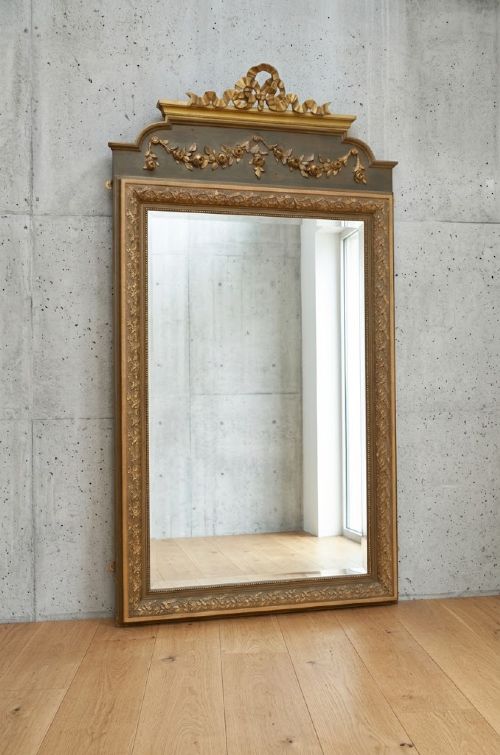
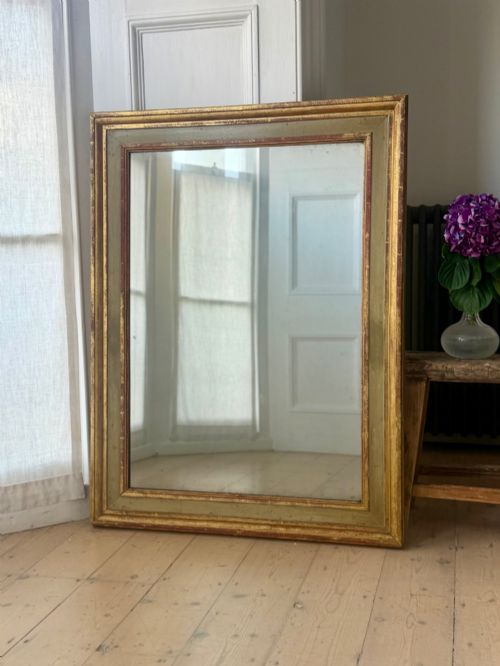
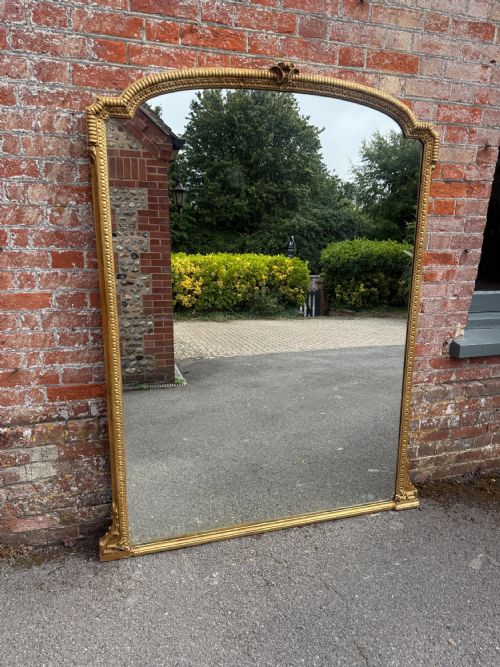
Beyond traditional canvas paintings, the selection extends to wall mirrors with integrated pastoral oil paintings, heraldic panels, and related display items like antique oak easels. This variety allows collectors to source statement pieces suited to period interiors or contrasting modern spaces.
Materials and construction
Canvas stretched over wooden frames provides the primary support for the oil paintings in this collection, accepting layers of oil paint applied with varying brushwork to build depth and texture. Alternative supports include paper, textile, and pith paper, each requiring specific handling by the artist.
Frames are constructed from timber such as oak, carved wood, and gesso, finished with gilding or paint to complement the artwork. Detail is achieved through hand-carved mouldings and ribbed profiles, whilst mirror integrations incorporate period elements like mercury glass.
Listings feature works spanning the eighteenth, nineteenth, and twentieth centuries, executed in oil on canvas, pastel, gouache, and textile.
Distinctions in quality
The calibre of a work rests upon the confidence of the brushwork, the anatomical or spatial accuracy of the composition, and the prestige of the artist's hand. Masterful portraiture and expressive landscape rendering elevate a piece far above standard decorative studio production.
The integrity and artistry of the frame play a significant role in the overall standing of the object, as original period giltwood or intricately carved surrounds matched directly to the canvas represent superior craftsmanship.
Richard Sebastian Bond·Felix Stone Moscheles·Sir Joshua Reynolds·William Powell Frith·Thomas Smythe·John Opie·Konstantin Stoitzner·James Hamilton·TB Hardy
The Large Framed Painting Glossary
- Giltwood
- Wood that has been coated with a thin layer of gold leaf or gilt powder. This finish is frequently seen on nineteenth-century and eighteenth-century picture frames and wall mirrors.
- Trumeau
- A decorative wall mirror featuring an oil painting set into the upper section of the wooden panel. These French interior fixtures combine reflective glass with pastoral or classical imagery.
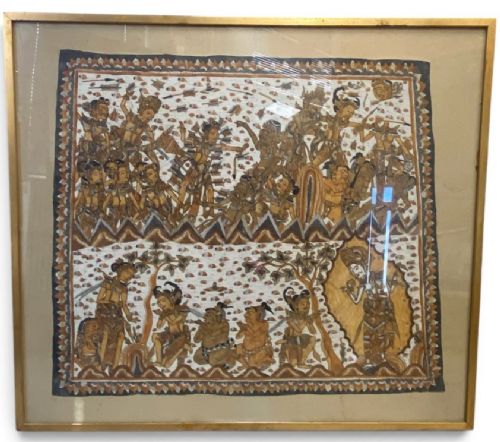
- Kamasan
- A traditional classical style of painting originating from Bali, characterised by narrative registers depicting deities and warriors. These works are typically executed on textile supports.
- Gesso
- A plaster-like mixture applied to wooden frames as a smooth base for gilding or paint. It allows artisans to carve crisp, intricate relief details before finishing.
- Old Master
- A term applied to European painters of high skill working before the nineteenth century. These works often carry strong mythological, religious, or historical subjects.
Large Framed Painting: Frequently Asked Questions
How do I hang a heavy antique painting securely?
Large canvases and substantial wooden frames require fixings anchored directly into wall studs or solid masonry rather than relying on standard plaster hooks. Professional picture hangers utilise heavy-duty wire and dual wall brackets to distribute the considerable weight safely.
Ensuring the hanging height places the centre of the canvas at eye level maintains the visual balance of the room while protecting the structural integrity of the frame over time.
How can I tell the period of a painting frame?
Examining the construction of the wooden corners, the composition of the gesso, and the ageing of the gilding reveals the manufacturing era of the surround. Period frames often show hand-carved details and craquelure that match the age of the canvas it encases.
Original pairings where the frame and artwork share consistent historic wear offer the most authentic representation of the period.
How do I care for an antique oil painting?
Dusting the canvas and frame gently with a soft, dry brush prevents particulate build-up without disturbing the pigment or fragile gesso details. Liquid cleaners and chemical solvents must be avoided, as they can permanently damage the historic varnish layers.
Professional conservators should handle any deeper cleaning or structural repairs to the canvas to preserve the longevity of the artwork.