



Large Floor Runner
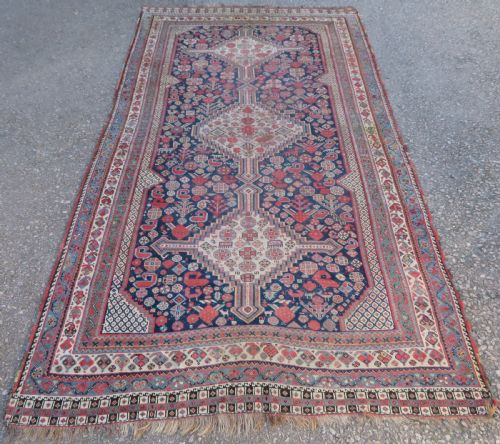
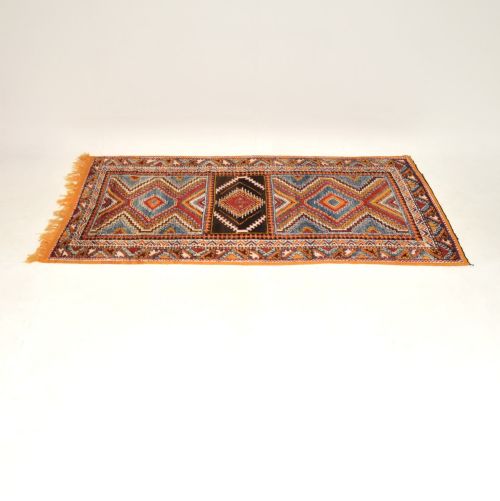
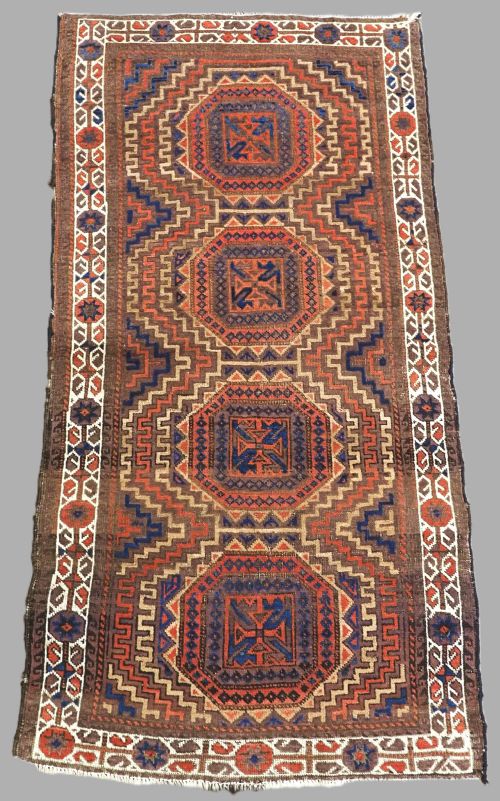
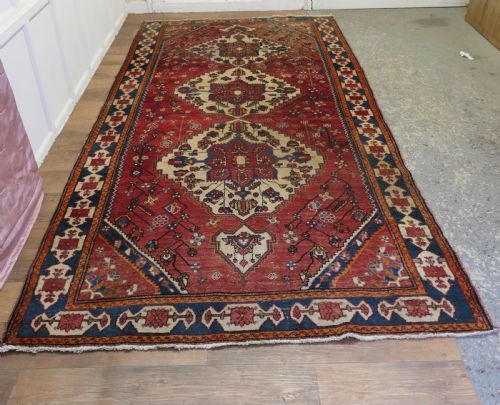
These large antique floor runner options bring historic Persian, Anatolian and Central Asian woven craft directly into spacious hallways and long rooms.
Large Floor Runner
A large antique floor runner selection brings together extended carpets and long format rugs originating from Persian, Ottoman and Central Asian traditions. Buyers seeking a large antique floor runner find room sized carpets alongside elongated gallery formats designed for substantial hallways and corridors. The pieces span production dates from the mid nineteenth century through the early twentieth century, showing traditional village and tribal weaving methods.
Most examples encountered here follow traditional Persian styles including Heriz, Serapi, Bidjar, Ushak and Hamadan designs. Tribal motifs such as large guls and tree of life patterns appear across wool and cotton foundations. These textiles range from room filling proportions down to narrow corridor formats, all sharing considerable length and historic provenance.
Materials and construction
Weavers constructed these long carpets using durable wool pile knotted onto cotton or wool foundations. Natural dyes provide the enduring colour palette found across these historic pieces, ageing with stable patination over decades of use.
Village and tribal workshops utilised hand spinning techniques to prepare the yarn before knotting each piece by hand. The resulting textile structure offers the resilience necessary for placement in high traffic domestic environments.
Large Floor Runner Retail Price Guide 2026
Typical asking prices for large floor runner among the pieces listed under this phrase on Sellingantiques today, from the lower quarter to the upper quarter. They describe what is for sale here now, not the wider market.
Current listings feature nineteenth and early twentieth century wool and cotton rugs spanning Persian, Ottoman and Central Asian tribal traditions.
Factors of distinction
Pile density and knot count separate standard village weaving from finer workshop productions like Khorossan or Ziegler carpets. Tighter knotting allows for sharper delineation of intricate geometric and floral motifs across the field.
The complexity of the natural dye palette and the integrity of the original foundation edges influence the standing of each piece. Superior examples retain full side cordings and original end finishes alongside balanced, unfaded colour distribution.
The Large Floor Runner Glossary
- Gul
- A repeating octagonal or medallion motif commonly found in Central Asian and Baluch tribal weavings. These geometric emblems often denote specific tribal lineages.
- Kelleh
- A large format rectangular carpet traditionally proportioned longer than it is wide. This size suited the specific spatial layouts of historic Persian reception rooms.
- Serapi
- A distinct sub style of Heriz carpet characterised by bold geometric medallions and spacious open fields. They originate from the Heris district in northwest Iran.
- Kilim
- A flat weave textile produced without a pile by tightly interweaving warp and weft threads. These pieces offer a lightweight alternative to knotted pile carpets.
- Warp
- The vertical threads stretched tightly on the loom that form the structural foundation of the rug. The exposed ends of these threads frequently form the fringe.
Large Floor Runner: Frequently Asked Questions
How do I choose the right size runner?
Measure your hallway or floor space carefully, leaving a border of exposed wood or stone around the perimeter of the rug. Ensure doors can swing freely over the pile thickness.
Account for furniture placement and high traffic zones so the textile rests flat without bunching under footfall.
Are these carpets suitable for hallways?
These extended formats were specifically woven for long corridors, galleries and spacious domestic passages. The durable wool construction handles regular foot traffic.
Use a quality underlay beneath the textile to prevent sliding and cushion the foundation fibres against hard stone or timber floors.
How do I care for historic wool rugs?
Vacuum the surface gently using suction only, avoiding rotating brush bars that can pull at historic wool knots. Rotate the piece periodically to ensure even wear across the length.
Address spills immediately by blotting with a clean damp cloth without rubbing, and consult a specialist textile conservator for deep cleaning.
How do I date an older carpet?
Examine the materials, structural characteristics, dye palette and stylistic motifs to establish the period of production. Natural dyes and hand spun wool typically indicate nineteenth or early twentieth century origins.
Compare specific weaving structures, such as Turkish or Persian knots, against known regional characteristics documented in textile scholarship.