


Woven Turkish Area Carpet
Woven turkish area carpet pieces bring regional Anatolian motifs and centuries of village weaving traditions directly to modern floors.
Woven Turkish Area Carpet
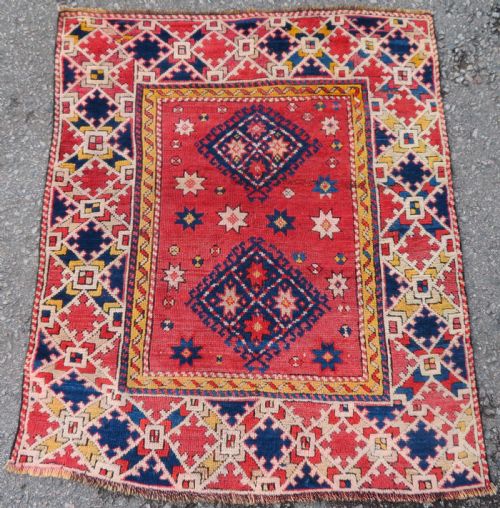
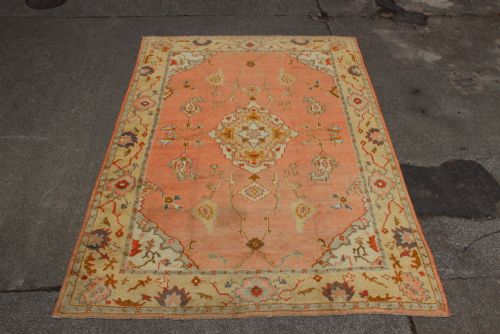
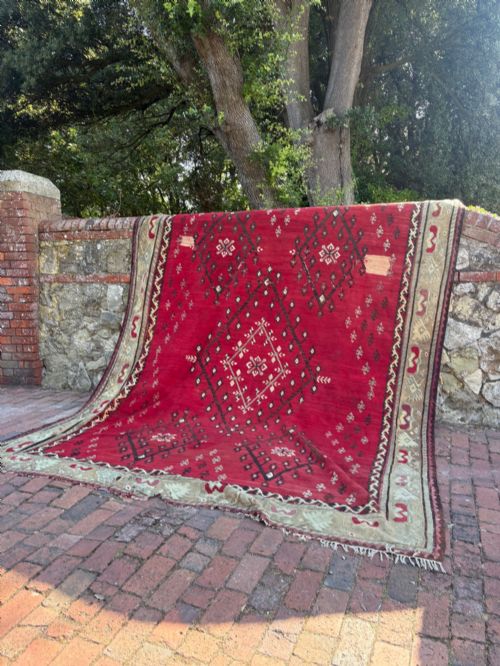
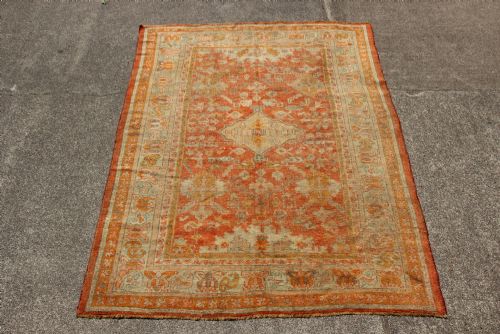
A woven turkish area carpet represents a broad category of floor coverings spanning the nineteenth and early twentieth centuries, encompassing village rugs, room-sized carpets, and flatweave kilims. The pieces seen most frequently on this page originate from Anatolian regions such as Bergama, Oushak, Kirsehir, and Konya. Collectors encounter various formats, including smaller prayer rugs, runner rugs, and large room-sized carpets carrying traditional motifs.
Village and town workshops produced these textiles across several distinct periods, with dates stretching from the mid-nineteenth century through the nineteen-thirties. Formats range from pile-woven rugs with dense wool knots to flatwoven kilims constructed without pile. Regional weaving centres developed specific design vocabularies, identifying pieces through distinct medallion layouts, border arrangements, and prayer niche designs.
Materials and construction methods
Weavers relied primarily on wool and cotton, utilising hand-spun wool for traditional pile carpets alongside mercerised cotton, art silk, and pure silk in later or more urban productions. Foundations typically consist of sturdy cotton or wool warps and wefts that support the dense pile or flatweave surface. Certain regional pieces incorporate angora wool to impart a specific texture to the surface pile.
Construction techniques divide principally between hand-knotted pile carpets and flatwoven kilims or half-kilim runners. Artisans tied individual knots around warp threads, securing rows with weft shots before trimming the pile to a uniform height. Flatweave pieces bypassed knotting entirely, instead interlocking coloured weft threads tightly over the warps to create crisp geometric patterns.
Some nineteenth-century village weavers cleverly hid tiny geometric amulets within the border fringes to ward off bad luck.
Assessing quality in regional carpets
Quality rests upon the precision of the hand-knotting or flatweaving and the stability of the foundation materials. Denser knot counts per square centimetre allow for sharper geometric or floral definition within the design layout. The integrity of the wool, whether hand-spun or standard mill-spun, dictates how the pile responds to wear over decades of use.
The sophistication of the regional design and the consistency of the natural or early synthetic dye palette distinguish superior examples. A well-balanced composition with harmonious colour transitions reflects greater competence in the workshop. Preserved original edges and secure side cords also separate structurally sound textiles from those requiring extensive intervention.
The Woven Turkish Area Carpet Glossary
- Kilim
- A flatwoven textile produced without a pile by interlocking weft threads tightly across the warp. These lighter rugs often feature sharp geometric patterns and double-sided designs.
- Prayer rug
- A small format rug featuring a distinct architectural niche, known as a mihrab, at one end. Weavers designed these pieces to direct the user toward Mecca during daily prayers.
- Warp
- The vertical foundation threads stretched tightly on the loom before weaving begins. Weft threads pass horizontally through these structural cords to bind the carpet together.
- Medallion
- A central ornamental design motif placed in the middle of the carpet field. Regional weavers utilised hexagonal, diamond, or multi-lobed medallions to anchor the composition.
- Pile
- The raised, soft surface of a carpet formed by the cut ends of knotted yarn. Height and density vary depending on whether the rug originated from a village workshop or a larger city loom.
Woven Turkish Area Carpet: Frequently Asked Questions
How do I clean an antique carpet?
Professional dusting and gentle surface cleaning preserve the natural wool fibres and dyes without causing structural damage. Avoid harsh chemical treatments and heavy immersion unless handled by a specialist familiar with antique textiles.
Regular light vacuuming without a rotating brush prevents dust accumulation within the pile. Keeping the rug away from direct, harsh sunlight protects the dyes from fading over time.
Where were these carpets made?
Production centred across various regions of Anatolia, including towns like Oushak, Bergama, Kirsehir, Konya, and Milas. Each location developed distinct aesthetic traditions and colour palettes.
Village workshops produced smaller utility rugs and prayer formats, while larger urban centres manufactured expansive room-sized carpets for broader trade.
Can I place these rugs in high traffic areas?
Sturdy wool construction and durable cotton foundations allow many traditional village rugs to withstand normal walking traffic. Placing a quality underlay beneath the carpet prevents slipping and reduces friction against the floorboards.
Delicate silk or very fine prayer rugs benefit from placement in lower-traffic zones to preserve their lighter structures. Regular rotation ensures even wear across the surface over the years.
What is the difference between a kilim and a pile rug?
Kilims are flatwoven without any raised pile, resulting in a lighter and thinner textile that functions well as a decorative hanging or summer floor covering. Pile rugs feature knotted wool or silk fibres that create a soft, plush surface with greater warmth and sound insulation.
Both types utilise similar regional motifs and wool or cotton materials, but their underlying weaving mechanics differ entirely. This structural variation changes how the textile drapes and handles daily friction.