


Vintage Anatolian Area Rug
A vintage anatolian area rug brings centuries of weaving heritage into a modern room, offering warmth and character through traditional designs.
Vintage Anatolian Area Rug
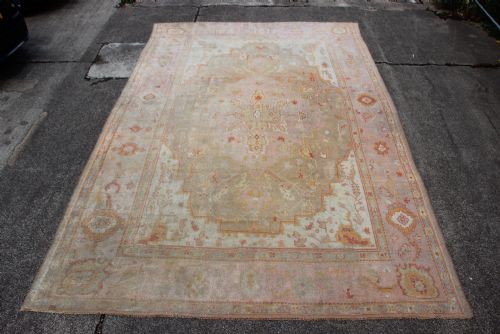
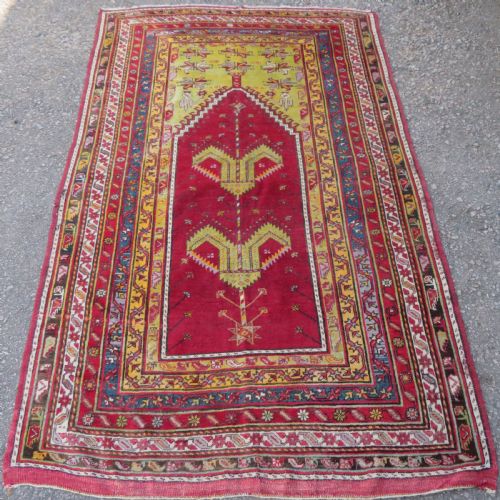
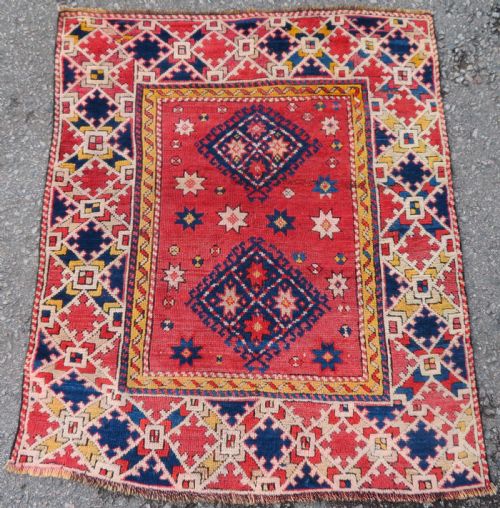
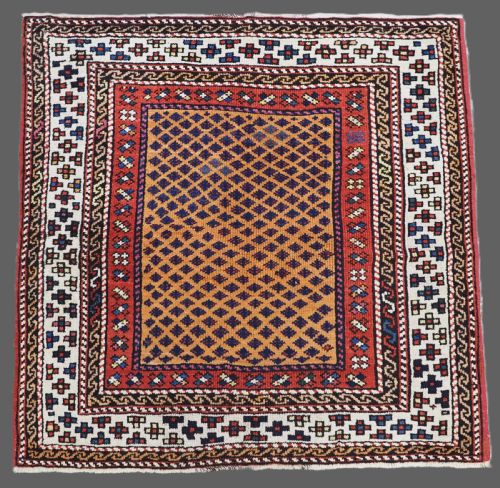
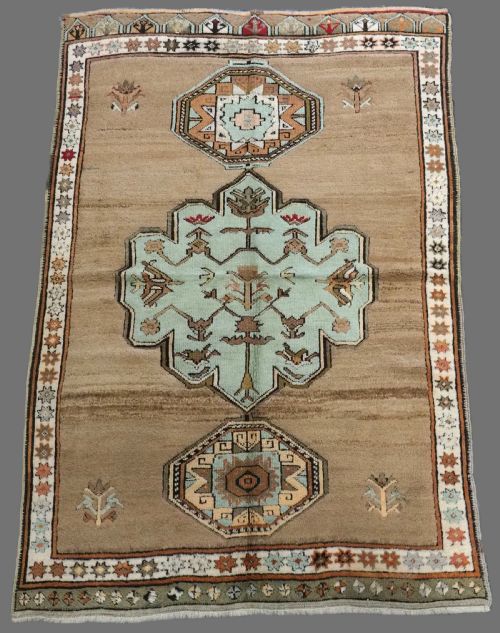
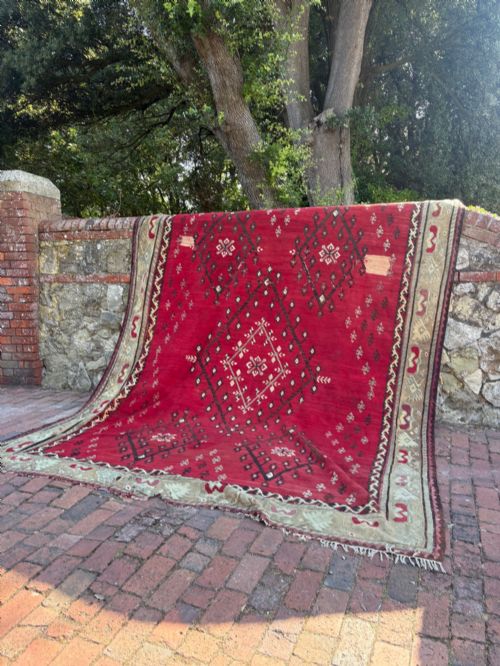
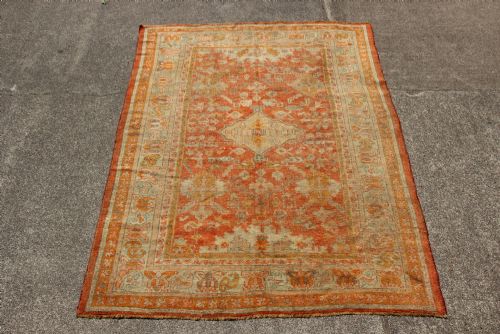
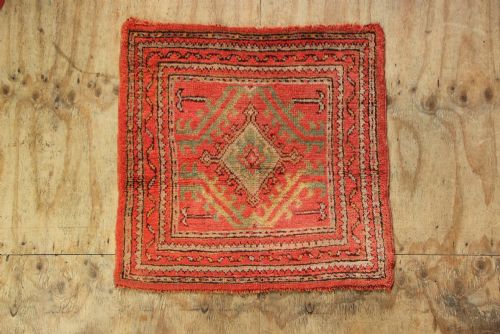
When you search for a vintage anatolian area rug, you examine woven floor coverings originating from Turkey across various periods including the nineteenth and early twentieth centuries. These pieces encompass diverse regional styles such as Oushak, Bergama, Kirsehir, and Ladik, spanning formats from small prayer rugs to large carpets and runners.
You are most likely to meet pieces produced in village workshops or nomadic contexts, alongside larger town carpets designed for formal spaces. The selection includes pile rugs woven with wool or cotton foundations, as well as flatweave kilims showing distinct tribal patterns.
The visual vocabulary ranges from geometric lattices and prayer niches to soft faded colour palettes and bold central medallions. Each rug carries the physical record of its origin, reflecting regional traditions handed down through generations of weavers.
Materials and construction methods
Makers utilised natural animal and plant fibres, predominantly wool for the pile and cotton or wool for the foundation warps and wefts. Certain pieces incorporate hand-spun wool and camel wool, yielding varied textures and subtle tonal shifts across the field.
Weavers knotted the yarn by hand onto vertical looms, employing symmetric or asymmetric knotting depending on the regional tradition. Flatweave kilims were produced without pile by tightly interweaving warp and weft threads to create flat, geometric textiles.
Listings feature pieces spanning multiple centuries, from eighteenth-century examples to early twentieth-century village productions utilising wool, cotton, silk, and camel wool.
Defining factors of quality
Quality rests on the density of the weave, the handling of the wool, and the integrity of the dyes used to colour the fibres. Finer knotting allows for crisper execution of intricate patterns, while superior wool retains a soft handle and natural lustre over decades of use.
The balance of the design and the harmony of the palette distinguish exceptional examples from simpler village work. Patina acquired through natural ageing contributes to the character of a piece when the underlying structure remains sound and stable.
The Vintage Anatolian Area Rug Glossary
- Prayer rug
- A rug featuring a mihrab or arch design indicating the direction of prayer. These formats often served devotional purposes in domestic interiors.
- Kilim
- A flatweave textile produced without pile by interlocking weft threads over warp threads. These pieces function well as lightweight floor coverings or wall hangings.
- Oushak
- A prominent weaving centre known for producing large carpets with distinctive large-scale floral motifs and soft pastel or pale colour palettes. Such carpets traditionally adorned grand Ottoman interiors.
- Medallion
- A central ornamental motif set within the field of a rug. Weavers balanced this central element against surrounding corner spandrels and borders.
- Warp
- The stationary vertical threads stretched on the loom that form the foundational skeleton of a woven rug. Fringe ends typically consist of exposed warp threads.
Vintage Anatolian Area Rug: Frequently Asked Questions
How do I clean a vintage anatolian rug?
Regular gentle vacuuming without a rotating brush roll removes surface grit before it embeds in the wool pile. Professional specialist cleaning remains essential for deep maintenance to protect natural dyes and fibres.
Avoid chemical spot treatments or immersion washing at home, as moisture mismanagement damages the foundation cotton and wool. Promptly blot liquid spills with a clean dry cloth without rubbing.
Where should I place these rugs at home?
These textiles suit low-to-medium traffic living rooms, bedrooms, and studies where foot traffic does not cause excessive physical abrasion. Pairing them with a quality rug underlay prevents slipping and cushions the foundation against hard flooring.
Keep pieces away from direct, prolonged sunlight to prevent uneven fading of natural dyes across the field. Rotating the rug every year ensures even wear patterns develop over time.
How can I tell different regional styles apart?
Regional attribution relies on examining palette choices, structural materials, border arrangements, and specific motif geometry. For instance, Oushak carpets typically display expansive floral sprays and muted tones, whereas Bergama pieces often feature bold geometric forms.
Village pieces from areas like Kirsehir or Konya carry distinct local markers in their prayer niches and secondary borders. Comparing knot density and wool quality further assists in identifying the workshop or nomadic origin.
What is the difference between a pile rug and a kilim?
Pile rugs feature vertical strands of knotted wool or silk that create a plush, tactile surface standing upright from the foundation. This structure provides warmth and depth underfoot through layered fibre.
Kilims lack this knotted pile entirely, relying instead on flat-woven weft threads passing tightly over warps. This technique yields a lightweight, reversible textile with a smooth surface profile.