


Large Bowls
Large antique bowls span centuries of domestic and decorative utility, offering profound craftsmanship in porcelain, copper, wood, and glass.
Large Bowls
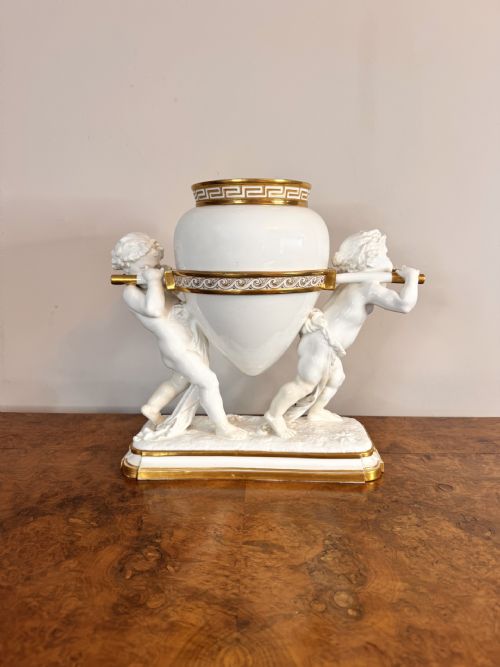
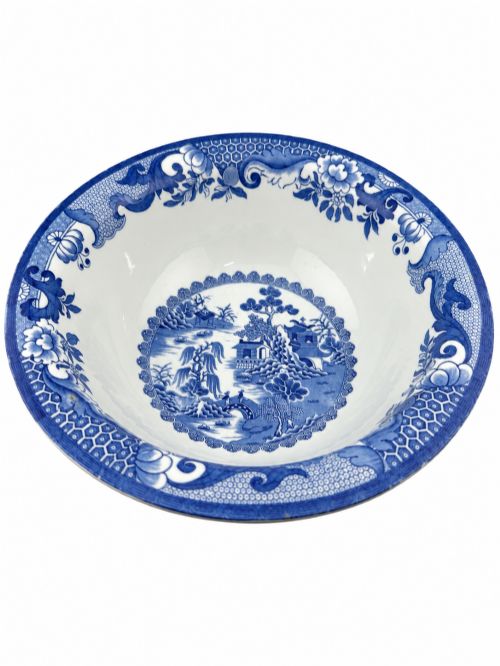
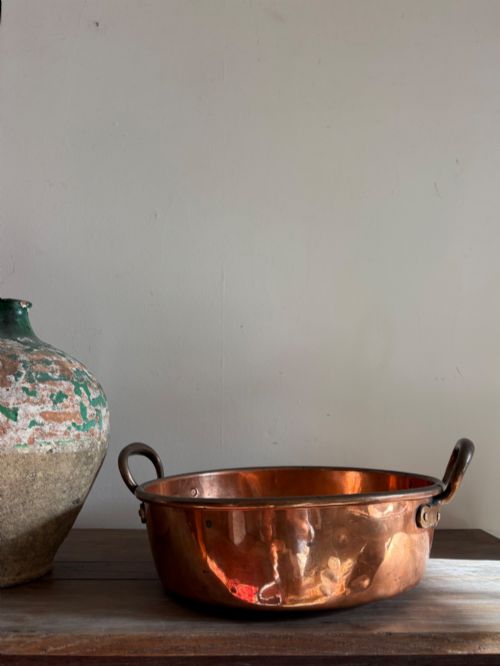
Large antique bowls encompass diverse utilitarian vessels and decorative objects originating from eighteenth-century English porcelain factories, nineteenth-century French farmhouses, and Asian export workshops. Buyers searching for large antique bowls encounter domestic kitchenware such as wooden dairy bowls, copper preserving pans, and stoneware crocks alongside ornamental porcelain jardiniere planters and bronze-mounted tazzas. The selection spans several eras, notably featuring Georgian punch bowls, Victorian ironstone basins, and Edwardian silver table centerpieces.
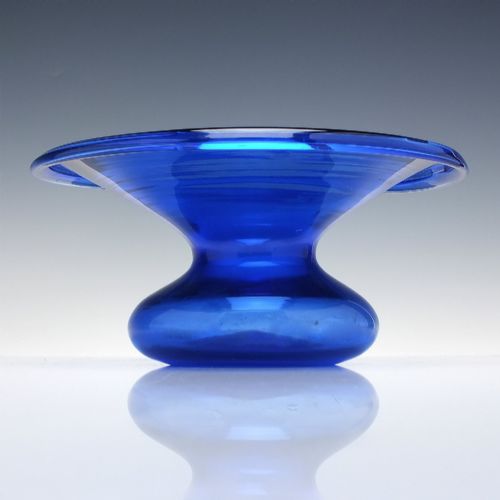
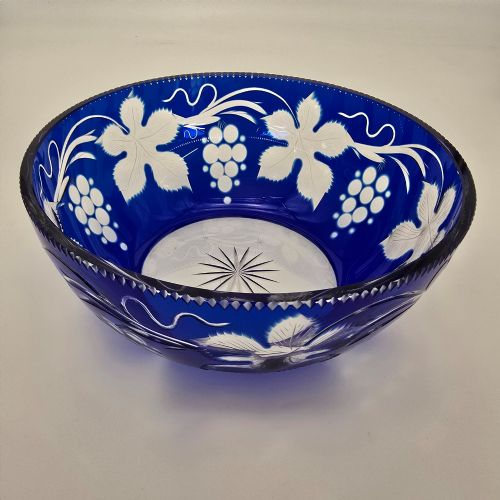
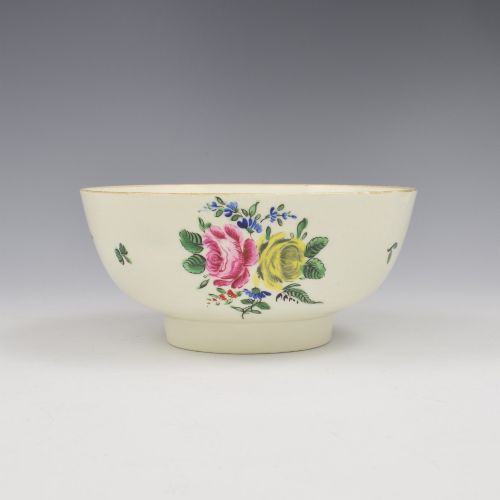
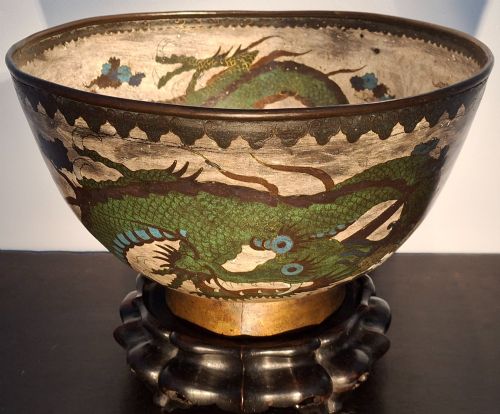
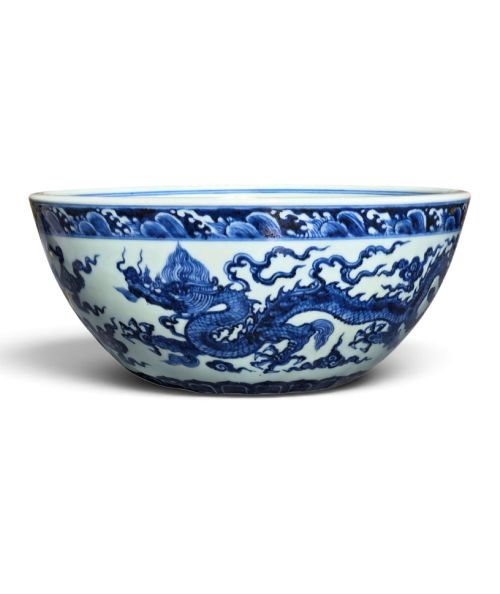
Domestic utilitarian forms dominate alongside decorative Asian porcelain and Japanese Imari tableware. Heavy ironstone wash basins and wooden dough troughs reflect practical historical functions, while cloisonne enamel dragon bowls and Chinese Canton hand-painted vessels demonstrate ceremonial and display uses. Pedestal bowls and glass centrepieces round out the range, showing how these objects served both functional storage and formal interior decoration.
Materials and Techniques
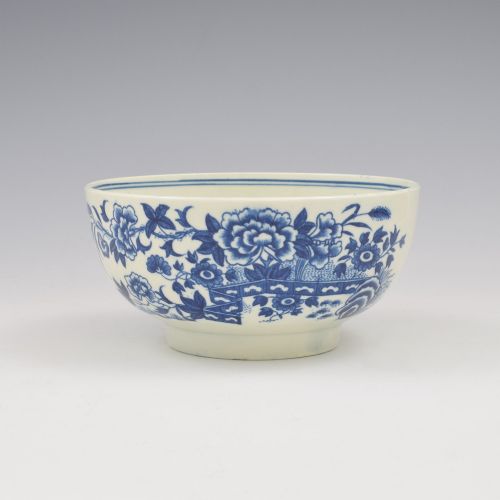
Makers utilised traditional methods across ceramic, metal, and organic mediums. Porcelain and ironstone pieces involve wheel throwing or mould pressing followed by hand painting underglaze cobalt or polychrome enamels, as seen in Worcester and Chinese export items. Copper preserving pans and brass-handled kitchen pans require heavy sheet hammering and riveted construction, designed to withstand daily heat.
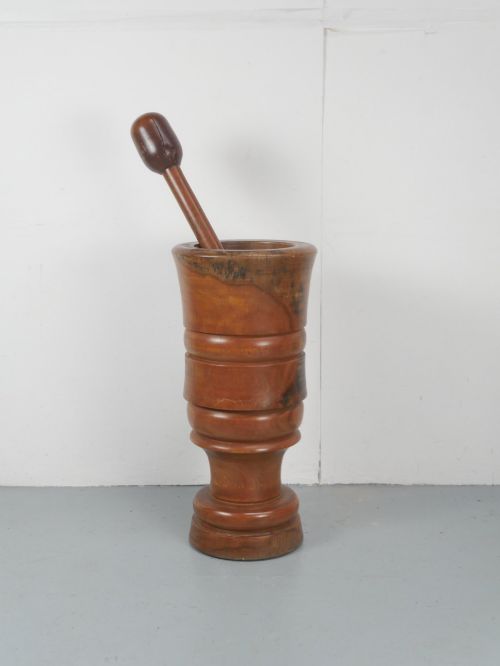
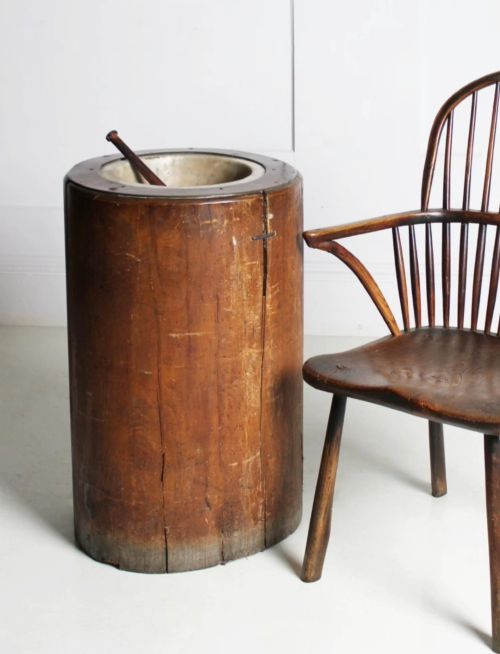
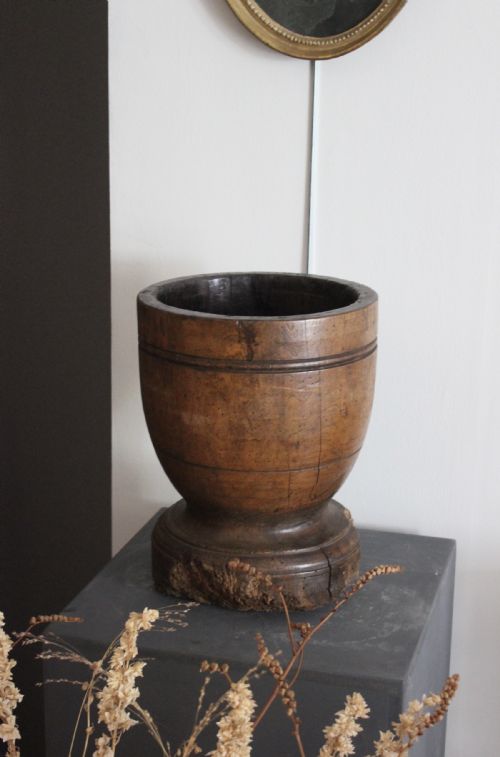
Wooden vessels such as sycamore dairy bowls and kneading troughs are turned or carved from single logs, developing rich surface patinas through sustained historical use and natural oils. Glass items employ mould-blown techniques or wheel engraving, while bronze and marble tazzas combine cast metal components with turned stone bases.
Large Bowls Retail Price Guide 2026
Typical asking prices for large bowls among the pieces listed under this phrase on Sellingantiques today, from the lower quarter to the upper quarter. They describe what is for sale here now, not the wider market.
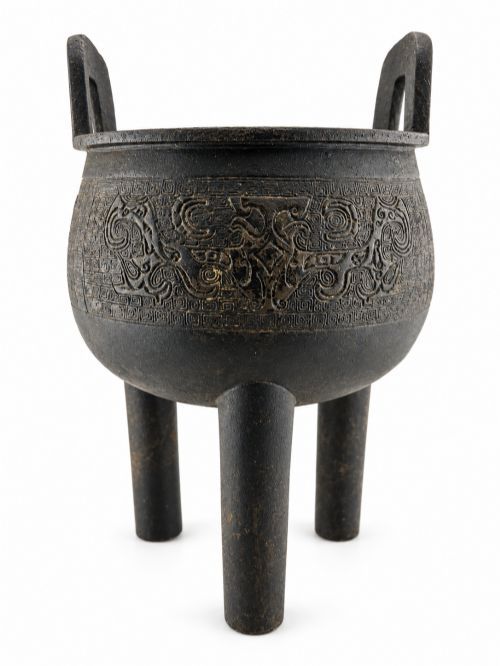
Listings include eighteenth-century Chinese bronze tripod censers and nineteenth-century French copper kitchen pans.
Assessing Quality
Quality rests upon the crispness of hand-painted detail, the integrity of the material, and the retention of original surface patinas. Fine porcelain examples exhibit precise brushwork without blurring, whilst metal vessels maintain structural gauge and honest wear rather than aggressive modern polishing. Maker marks, such as those on Kutani or Worcester ceramics, elevate an object's documentary value.
Proportion and weight dictate distinction in heavier mediums like bronze, copper, and marble. Superior cast iron and bronze mortars display sharp relief moulding on handles and outer walls, whereas lesser examples show softer casting lines from worn moulds. Wooden bowls achieve higher regard when tool marks remain visible beneath deep, untreated patination.
Nathan and Hayes·Mason·Shozo·Wu Bangzuo·Seaton Pottery·T G Green·Rene Lalique
The Large Bowls Glossary
- Slop bowl
- A large bowl used at the tea table for draining tea leaves or discarding unwanted liquid. These often form part of eighteenth-century porcelain tea services.
- Jardiniere
- An ornamental ceramic or metal pot designed to hold a living plant or flower arrangement. They frequently feature heavy relief decoration or scenic hand-painted panels.
- Tazza
- A shallow ornamental bowl raised on a pedestal foot, originating in the Renaissance and revived during the nineteenth century in bronze and marble.
- Slipware
- Pottery decorated with a thin mixture of clay and water applied before firing, producing characteristic contrasting linear or marbled patterns.
- Ironstone
- A heavy, durable type of ceramic patented in the early nineteenth century to bridge the gap between earthenware and fine porcelain.
Large Bowls: Frequently Asked Questions
What were large antique bowls used for?
Historical bowls served numerous practical roles depending on their material and origin. Copper pans preserved fruit and jams over open fires, while wooden troughs kneaded bread dough in French farmhouses.
Ceramic vessels functioned as wash basins, punch bowls, or dairy containers for skimming cream. Decorative porcelain and bronze bowls were primarily reserved for display on dining tables or mantelpieces.
How do I care for antique wooden bowls?
Wooden bowls require gentle maintenance to preserve their historic patina and prevent the timber from splitting. Clean them strictly with a damp cloth rather than submerging them in water, and avoid harsh detergents.
Periodically feeding the wood with natural food-safe oils or beeswax keeps the dry fibres nourished. Keep them away from direct heat sources and radical humidity shifts.
Are copper preserving pans safe to use?
Antique copper pans are primarily collected for display, kitchen decoration, or botanical planting rather than modern cooking. Unlined historical copper can react adversely with acidic foods during food preparation.
Those wishing to cook with them typically have the interior professionally tinned by a specialist. Otherwise, they serve well as storage containers or heavy planters.