


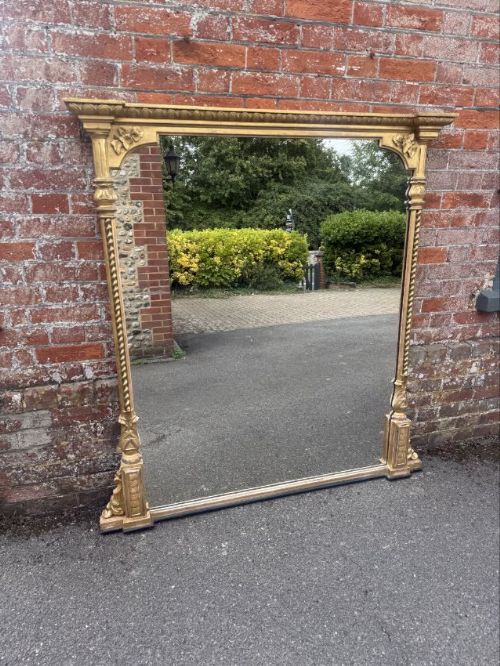
Large 19th Century Mirror
A large 19th century mirror brings scale, reflected light and architectural presence to a room, drawing the eye with gilded ornament and deep wooden frames.

Large 19th Century Mirror
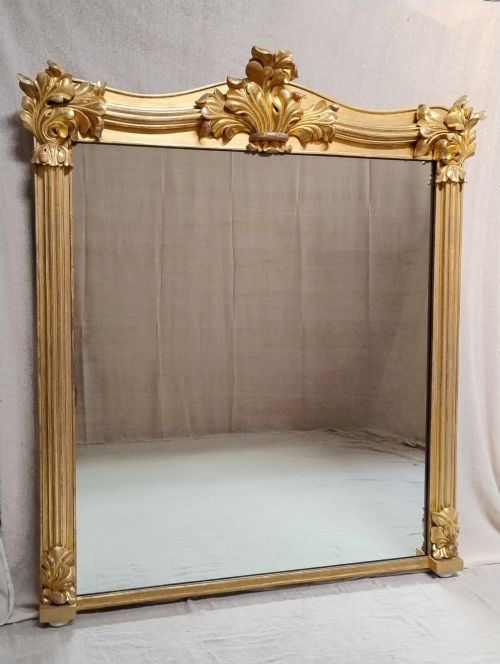
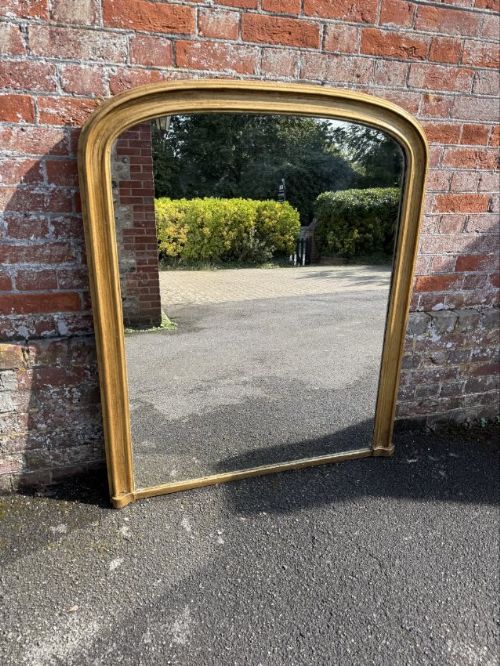
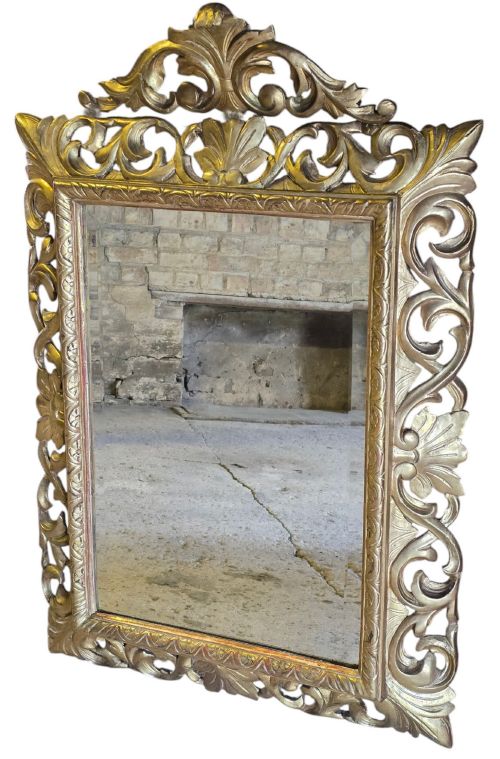
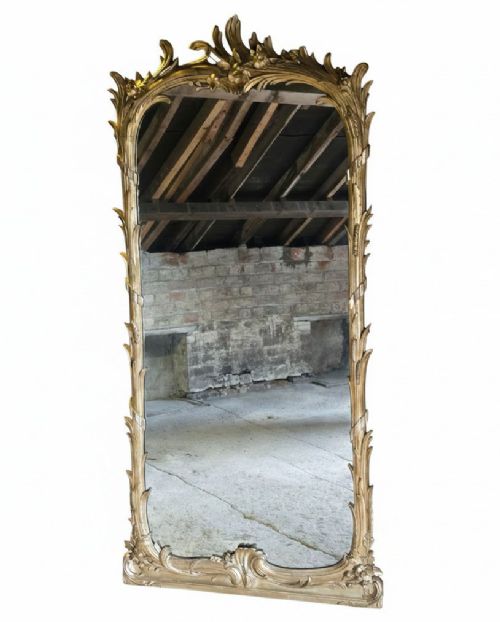
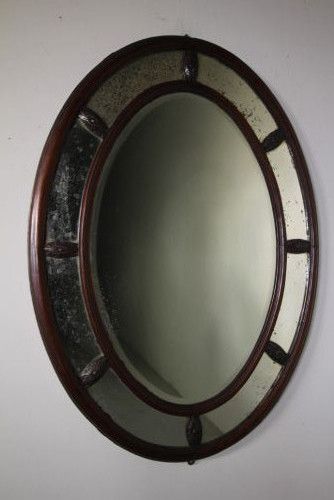
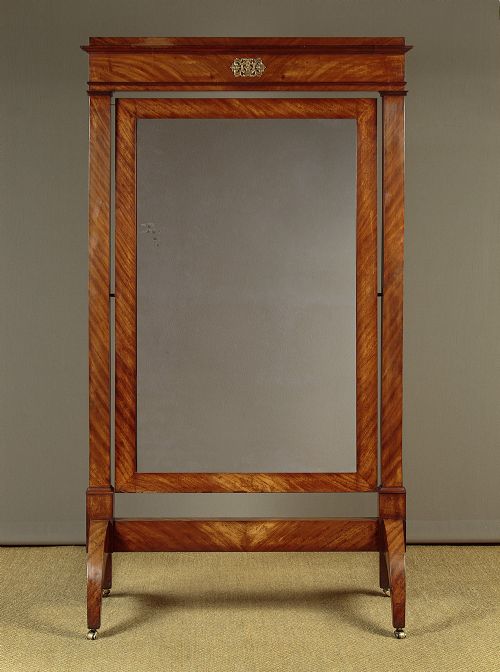
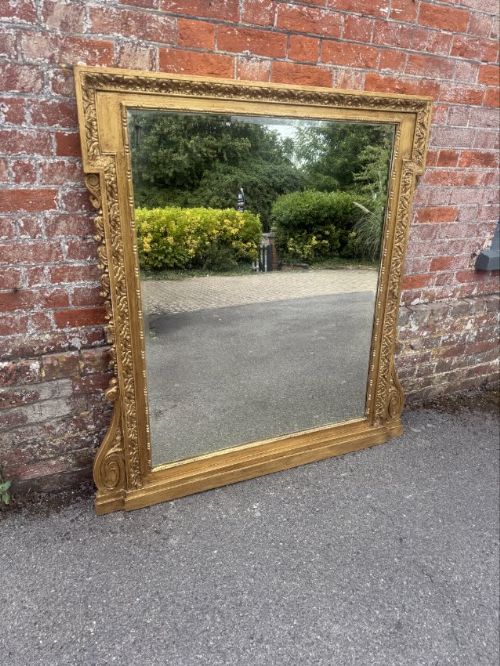
A large 19th century mirror encompasses substantial wall-hanging and floor-standing plates designed to dominate a domestic interior. Overmantel mirrors made to sit above fireplaces appear frequently, alongside tall pier mirrors, cheval frames and French Louis Philippe designs.
English country house examples share space with ornate Continental styles including French Rococo Revival, Florentine carvings and ebonised Italian frames. These objects functioned as both practical looking glasses and grand decorative statements in period homes.
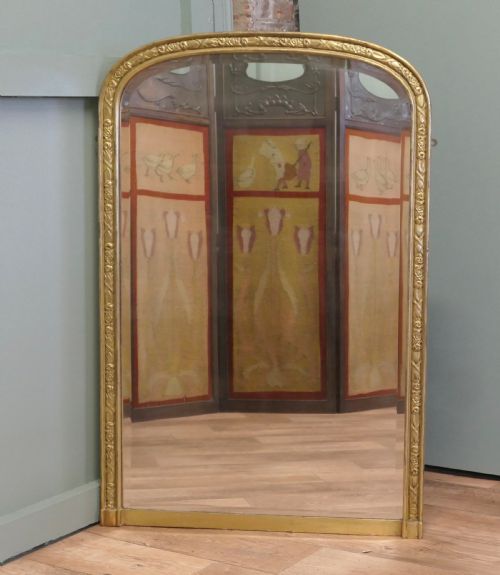
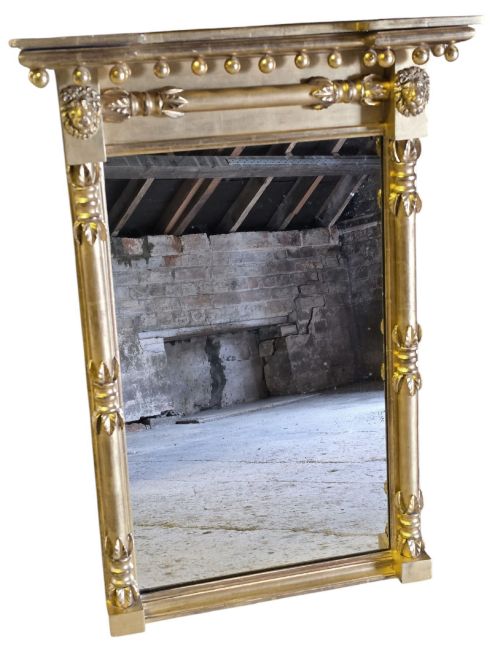
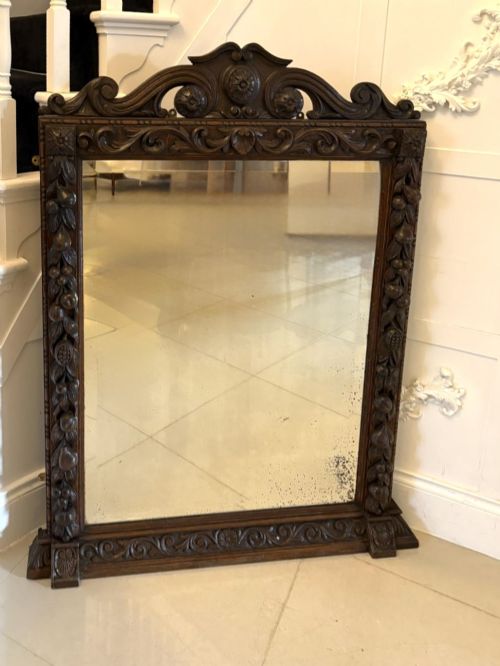
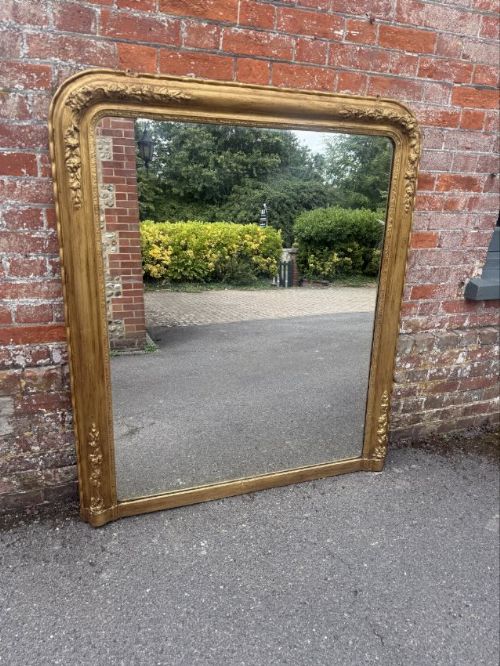
Formats range from arched top wooden panels covered in gesso to heavy mahogany standing mirrors and rectangular wall plates. The survivor types reflect the changing domestic architecture and interior fashions of the decades between eighteen-twenty and eighteen-ninety.
How They Were Made
Makers built the primary structures from timber such as pine, oak or mahogany, often applying layers of gesso to create a smooth base for ornamentation. Carved wood details and applied mouldings gave depth to the frames before finishing.
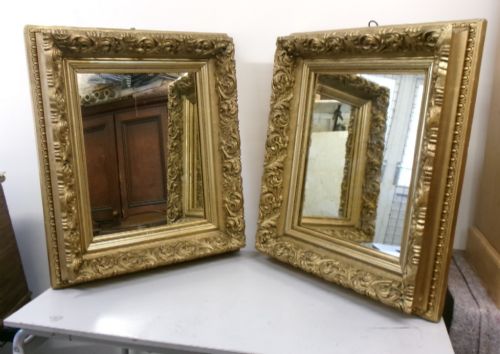
Gilding involved the application of gold leaf or gold paint over the prepared gesso and wood surfaces to achieve a bright, reflective border. Mercury glass or early silvered mirror plates were fitted into the rebates, secured at the back with wooden panels.
Listings feature periods spanning from the Georgian era through the Victorian decades, with materials including giltwood, gesso, mahogany, brass and glass.
What Varies in Quality
Depth and crispness of the carving distinguish standard frames from exceptional ones, where gesso ornaments remain sharp and undercut rather than soft and filled with paint. The integrity of the original gilding and the preservation of the antique glass plate significantly alter the character of the piece.
Construction methods reveal the standard of workshop execution, seen in tightly joined frame corners and original backing boards rather than later replacements. Balance in proportions and the survival of secondary elements like original mercury plates separate ordinary utility items from monumental statement pieces.
The Large 19th Century Mirror Glossary
- Overmantle Mirror
- A wide looking glass specifically designed to hang on the wall directly above a fireplace mantelpiece. These pieces often feature arched tops or elaborate cresting.
- Gesso
- A plaster-like mixture applied to wood frames to provide a smooth surface for gilding or painting. It is frequently moulded into relief decoration.
- Mercury Glass
- An early type of mirror plate made using a tin and mercury amalgam before the modern silver nitrate process was invented. It often displays characteristic dark foxed spots.
- Cheval Mirror
- A full-length looking glass hung in a vertical frame on pivots, allowing the plate to tilt back and forth. They stand independently on floor bases.
- Giltwood
- Timber that has been coated with a thin layer of gold leaf or metallic powder. It provides a luminous finish that catches interior candlelight or daylight.
Large 19th Century Mirror: Frequently Asked Questions
Where should I hang a large overmantle mirror?
These pieces sit naturally above a fireplace, anchored to the wall to reflect the opposite side of the room and pull light inward.
Ensure the wall fixings match the substantial weight of the timber and glass structure to support it safely.
What is foxed glass?
Foxed glass refers to the speckled, aged appearance of older mirror plates where the backing has deteriorated over time.
This natural weathering creates mottled patches behind the glass that collectors prize for authenticity.
Can these mirrors stand on the floor?
Certain large formats function as leaner mirrors designed to rest against a wall without being hung from brackets.
Floor-standing cheval versions use their own wooden frames and feet to remain upright independently.