



Landscape Art Panel
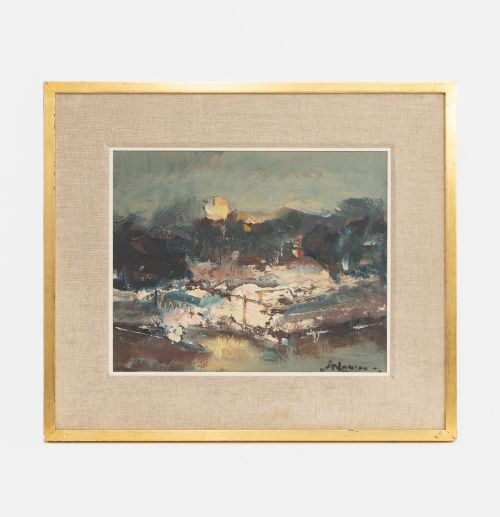
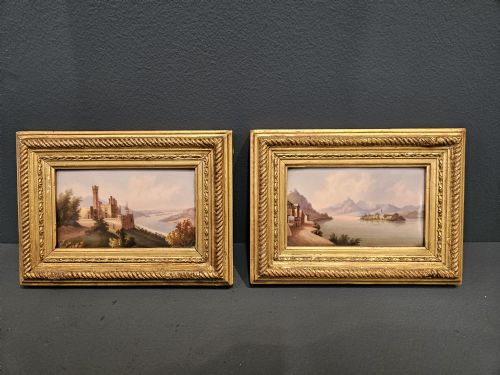
When choosing a landscape art panel, collectors acquire portable works rendered on firm supports spanning centuries of diverse creative traditions.
Landscape Art Panel
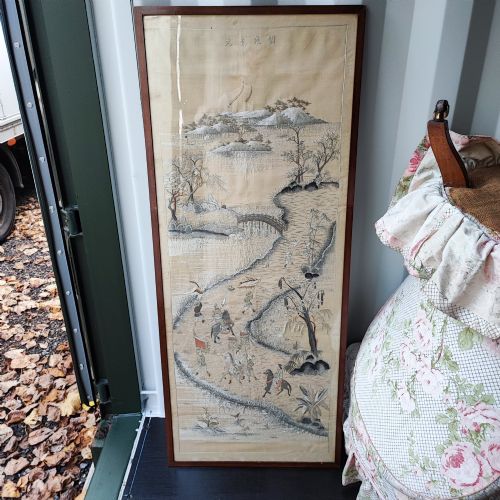
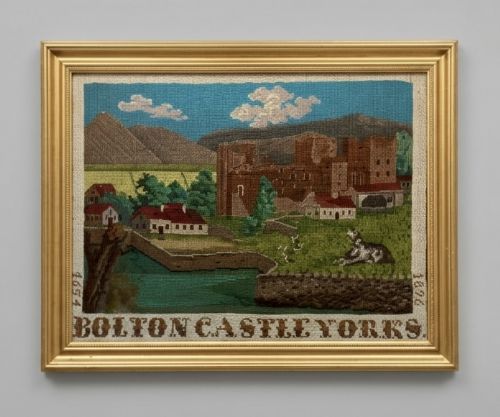
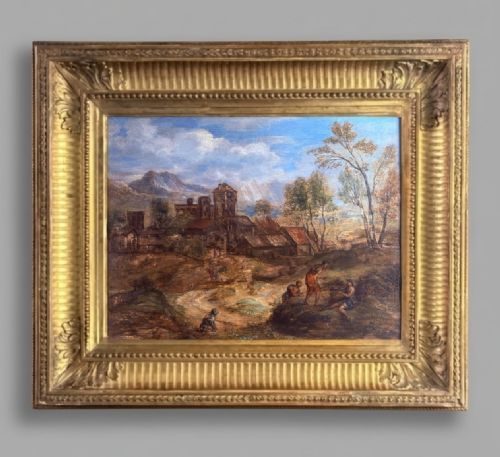
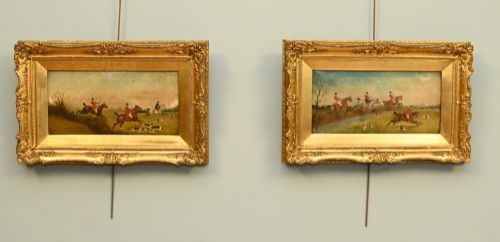
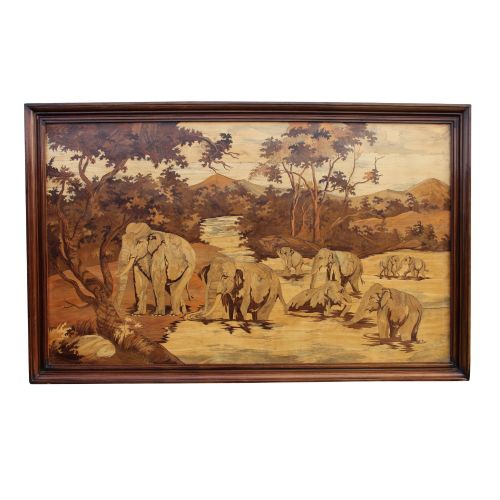
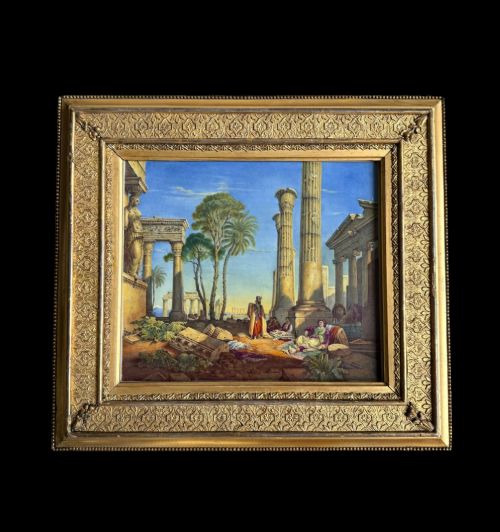
A landscape art panel comprises painted compositions, tapestries, carved stones, and needlework executed on rigid supports rather than flexible canvas. These objects capture rural, urban, and pastoral scenes across British, French, Flemish, and Asian traditions.
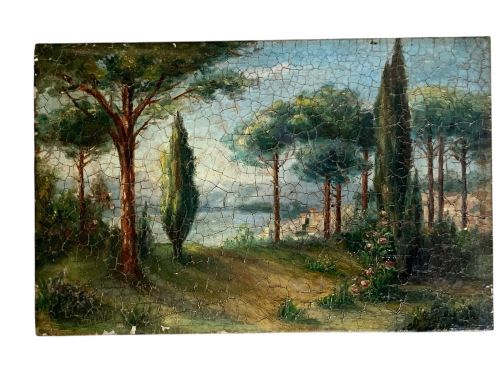
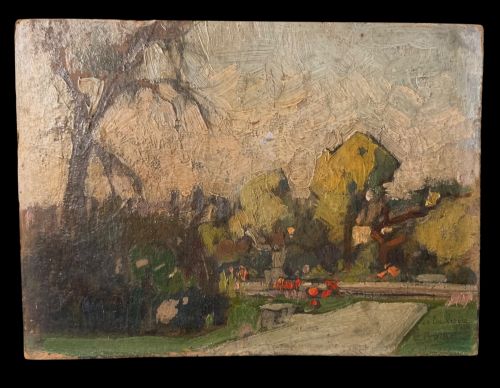
The versions most frequently met on this page include 19th-century oil paintings on wood boards, early 20th-century British and Scottish landscape panels, and 17th-century verdure tapestries.
Examples range from provincial naive folk art and intimate miniature panels to grand architectural overdoor paintings and intricate pietra dura stone inlays.
How They Were Made
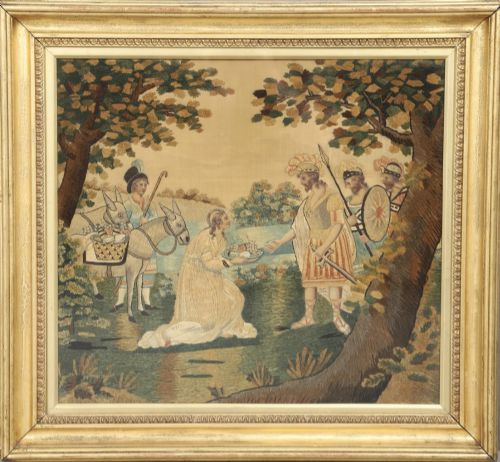
Artists and makers utilised oil paint applied directly to wood panels, oak boards, or gesso-prepared surfaces, often securing pigments with fine brushwork. Textile panels instead employed woven silk, wool, and needlework threads to construct verdure landscapes.
Sturdy wooden supports provided a stable ground that prevented the flexing associated with unstretched fabric, while carved jade and pietra dura relied on meticulous lapidary techniques to shape natural minerals into pictorial relief.
Landscape Art Panel Retail Price Guide 2026
Typical asking prices for landscape art panel among the pieces listed under this phrase on Sellingantiques today, from the lower quarter to the upper quarter. They describe what is for sale here now, not the wider market.
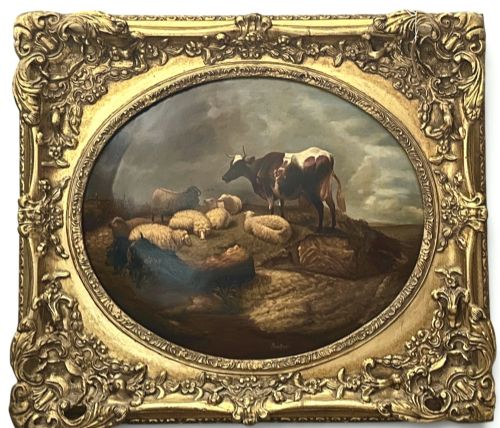
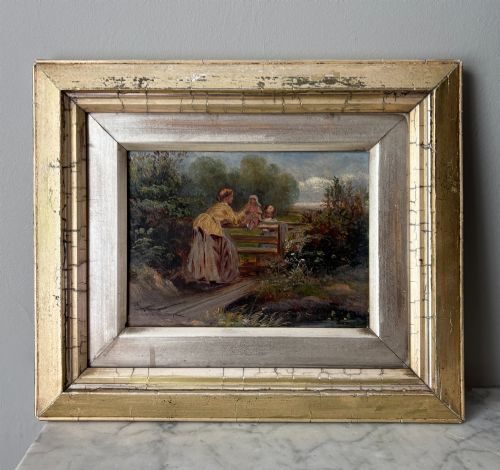
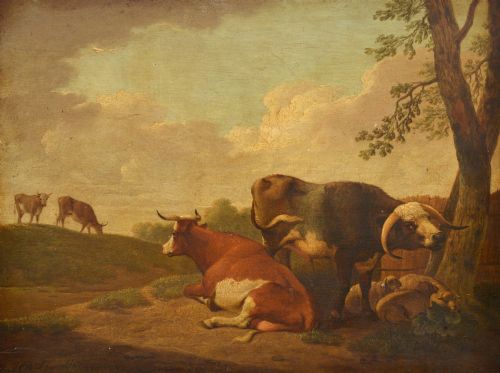
Several historical panels quietly preserve the wandering brushstrokes of sheep, cattle, and bashful bathers sharing the same pastoral view.
What Varies In Quality
Quality differentiates through the dexterity of brushwork, the depth of perspective, and the preservation of the original support material. Finer pieces demonstrate confident handling of light and shadow, particularly in foliage, water, and atmospheric skies.
The integrity of the physical panel or frame dictates long-term durability, where unwarped timber, intact gesso, and original gilding elevate the status of an antique work.
Robert Duddingstone Herdman·Tom Campbell·Hendrik Willem Schweickhardt·Paul-Élie Gernez·Pieter Cornelis Dommersen·Cornelis Van Poelenburgh
The Landscape Art Panel Glossary
- Oil on Panel
- A painting executed directly onto a wooden board rather than canvas. This traditional method offers a smooth, rigid ground that preserves fine brushwork.
- Verdure Tapestry
- A textile wall hanging depicting green, leafy landscape scenery featuring trees, plants, and frequently animals. These panels originated primarily in French and Flemish workshops.
- Pietra Dura
- An artistic technique using cut and fitted polished coloured stones to create pictorial images. Artisans assemble these mineral fragments into marble or stone bases.
- Needlework Picture
- A framed textile composition worked with yarn or thread on a fabric mesh. These pieces often replicate pastoral paintings using varied stitch densities.
- Shan Shui
- A traditional style of Chinese painting featuring natural scenery such as mountains, rivers, and waterfalls. These works are commonly rendered in ink and colour on silk.
Landscape Art Panel: Frequently Asked Questions
What is a landscape art panel?
A landscape art panel is a portable pictorial work created on a rigid support such as wood, stone, or woven textile rather than flexible fabric. These items capture natural scenery, architectural views, and pastoral figures across multiple historical periods.
Craftsmen and painters utilised diverse mediums including oil paint, carved jade, silk, and needlework to form enduring decorative works designed for wall display.
How do I hang a heavy wood panel?
Heavy wood panels require secure wall fixings anchored directly into studs or masonry rather than standard plaster plugs. Using appropriate weight-rated picture wire and heavy-duty brackets ensures the piece remains stable.
Ensure the hanging hardware on the reverse of the frame or panel matches the substantial weight of timber and glass assemblies.
How are 17th-century tapestries cleaned?
Early textile panels require professional conservation rather than domestic cleaning methods to prevent fibre degradation. Specialists gently vacuum tapestries through protective mesh screens to remove surface dust without disturbing historic threads.
Harsh detergents, water washing, and direct sunlight exposure must be strictly avoided to preserve wool and silk integrity.
Where were wood panel paintings displayed?
Historic wood panel paintings were frequently hung in domestic reception rooms, galleries, and panelled studies. Smaller cabinet paintings were intended for close inspection in private studies.
Larger decorative examples, such as overdoor panels, were integrated directly into interior architectural joinery during the Georgian and Victorian eras.