






Lalique Decorative Glass
Lalique decorative glass brings together heavy moulded forms and intricate surface patination from the early twentieth century.
Lalique Decorative Glass
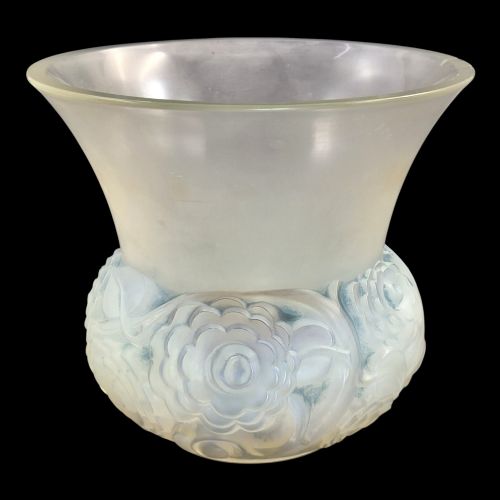
When you search for lalique decorative glass, you encounter vases, bowls, plates, and small desk accessories designed primarily during the 1910s, 1920s, and 1930s. These pieces span Art Deco, Art Nouveau, and French Neoclassical styles, capturing the shift in design taste across the early decades of the twentieth century. The most common forms on this page are vessels and decorative dishes featuring distinct floral, animal, or figurative motifs.
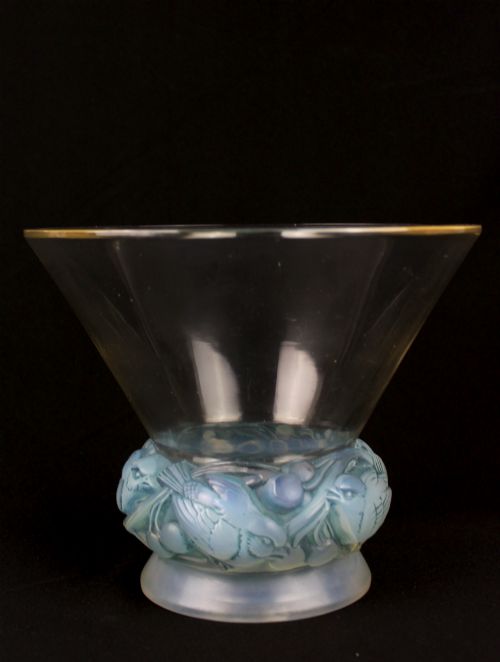
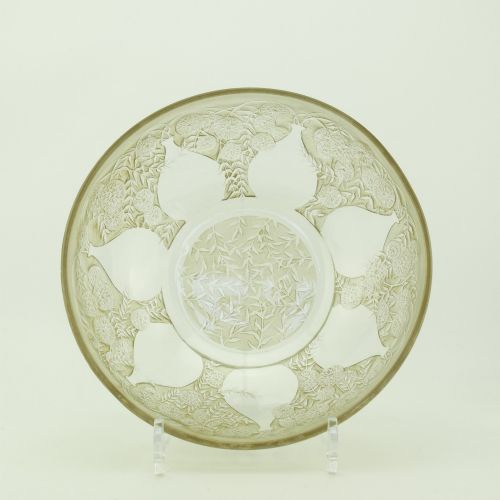
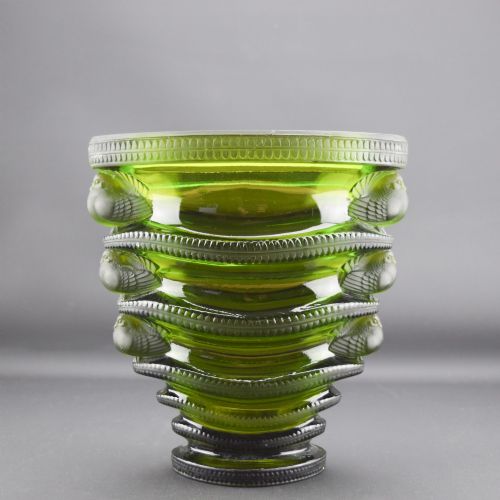
Vases and decorative bowls dominate the selection, often carrying specific named models like the Saint-Marc, Oeillets, or Poissons. Alongside these larger vessels, the inventory holds smaller functional items including candlesticks, cachets, trinket boxes, and stationary blotters. Each category demonstrates the versatility of glass as both a sculptural medium and a functional object during the interwar period.
The periods represented stretch from Edwardian productions through to later twentieth-century interpretations, showing continuity in moulding techniques. Works span simple clear crystal items to complex opalescent creations that react to changing light. Collectors encounter both utilitarian tableware and purely decorative display pieces originating from French workshops.
How they were made
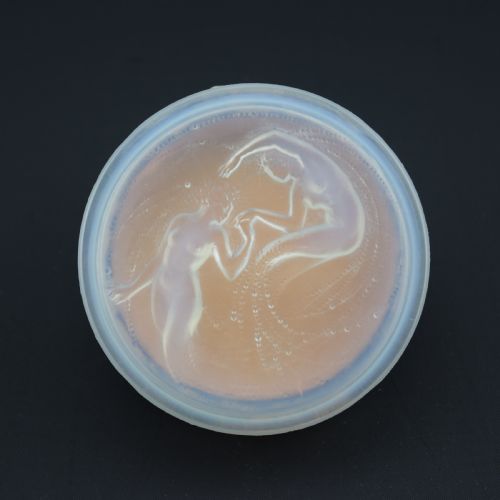
Moulded glass and press-moulded glass form the structural foundation of these objects, allowing complex reliefs to be cast with consistent detail. Molten material is forced into intricate metal or glass moulds to shape high-relief motifs such as birds, fish, flowers, and classical figures. This technique enables mass production of sculptural surfaces while maintaining sharp definition across every individual piece.
Opalescent glass and frosted glass treatments create the signature translucent quality characteristic of these works, frequently enhanced by sepia stain or contrasting clear glass. The interplay between milky opalescence and transparent areas highlights the depth of the moulded design. Artisans manipulate cooling rates and chemical additives within the glass batch to achieve these optical effects.
Lalique Decorative Glass Retail Price Guide 2026
Typical asking prices for lalique decorative glass among the pieces listed under this phrase on Sellingantiques today, from the lower quarter to the upper quarter. They describe what is for sale here now, not the wider market.
Materials recorded include clear glass, crystal, opalescent glass, frosted glass, and press-moulded glass.
What varies in quality
The crispness of the moulded relief and the depth of the opalescent effect define the visual standard of each object. Stronger contrast between the milky highlights and the clear or tinted background areas shows superior control during the cooling and chemical treatment stages. Softer contours or blurred surface details indicate a worn mould or a less successful firing.
The presence of secondary surface treatments, such as sepia staining or enamel highlights, introduces another layer of distinction. Pieces where these applied pigments remain intact retain their original tonal contrast and graphic clarity. The overall heaviness and presence of the crystal further distinguish substantial table bowls from lighter domestic wares.
René Lalique
The Lalique Decorative Glass Glossary
- Opalescent Glass
- Glass that displays a milky, bluish-white appearance in reflected light while appearing yellowish or amber in transmitted light. This optical property is achieved through specific chemical additions during melting.
- Frosted Glass
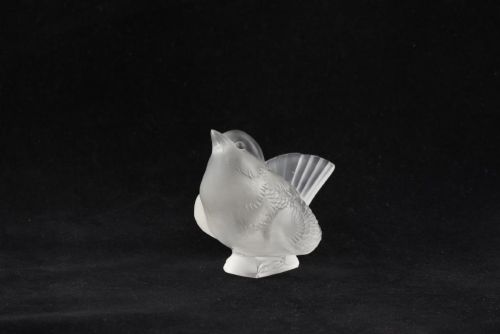
- Glass with a textured, matte surface created by acid-etching or sandblasting. It diffuses light and emphasises the sculptural relief of the design.
- Press-Moulded Glass
- Glass formed by pressing molten material into a metal or ceramic mould using a plunger. This process allows for sharp external patterns and high-relief decoration.
- Sepia Stain
- A brownish pigment applied to the recessed portions of a glass design to create contrast and depth. It accentuates the fine lines of moulded motifs.
- Cachet
- A small desk seal or stamp carved with initials or an emblem, often featuring a decorative glass handle. These items served functional roles in personal correspondence during the early twentieth century.
Lalique Decorative Glass: Frequently Asked Questions
What are lalique decorative glass pieces?
These items are moulded glass objects created primarily in France during the early twentieth century, spanning vases, bowls, plates, and desk accessories.
They combine sculptural forms with distinctive surface finishes like opalescence, frosting, and staining.
How were these glass items used?
Many served as decorative vessels for flowers or fruit, while others functioned as dining plates, salvers, and lighting components.
Smaller objects fulfilled desk duties, acting as paperweights, cachets, and blotters for daily correspondence.
How do I live with lalique decorative glass?
Display these pieces in locations with dynamic lighting to fully appreciate the opalescent properties and frosted surface contrasts.
Keep them away from direct edges and heavy traffic areas due to the substantial weight and delicate nature of moulded crystal.
How do I tell periods apart?
Early pieces from the 1910s often incorporate Edwardian and Art Nouveau sensibilities with naturalistic motifs and sepia stains.
Items from the 1920s and 1930s lean into Art Deco geometry, symmetrical floral arrangements, and bold opalescent bowls.