


Lakai Embroidered Panel
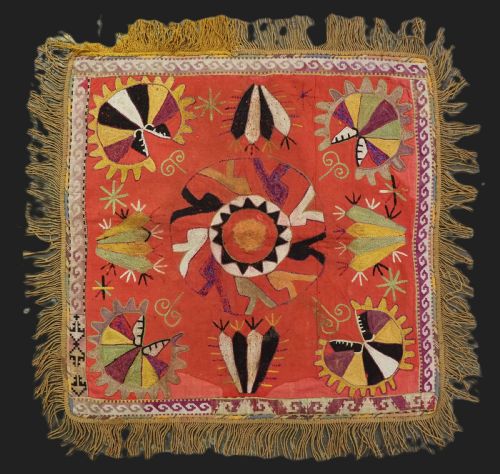
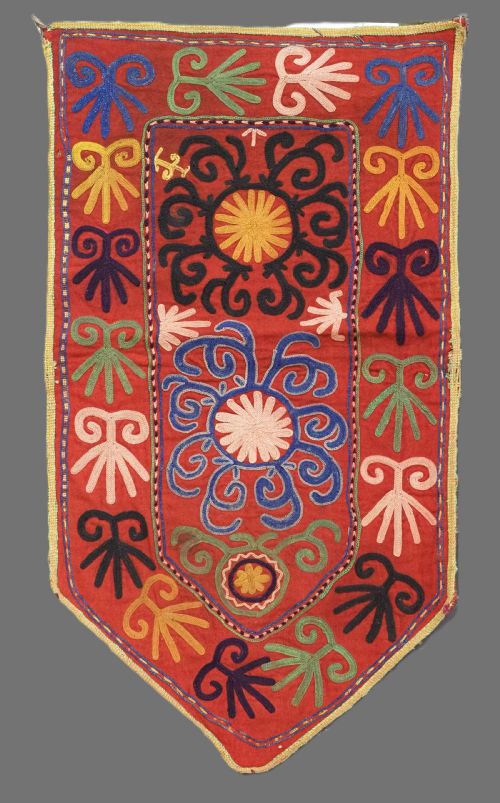
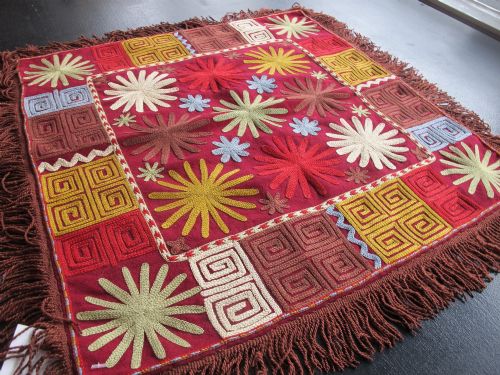
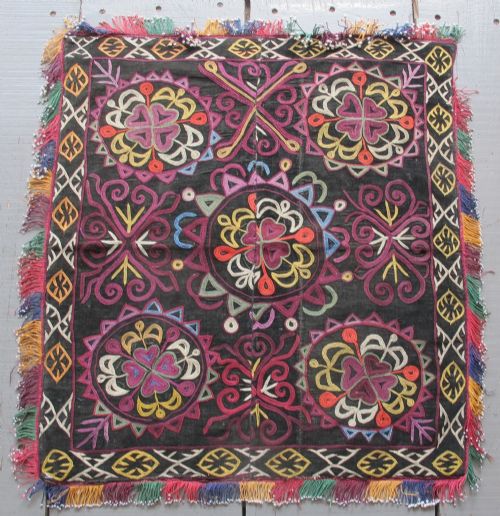
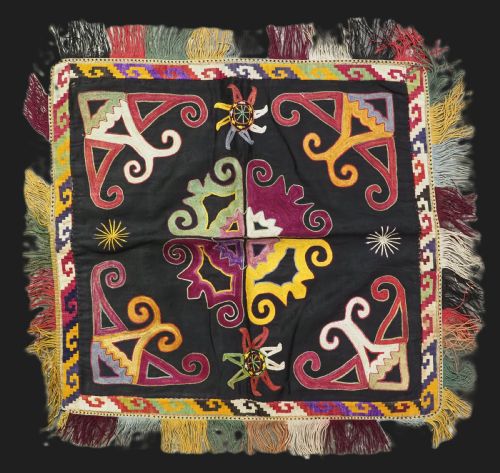
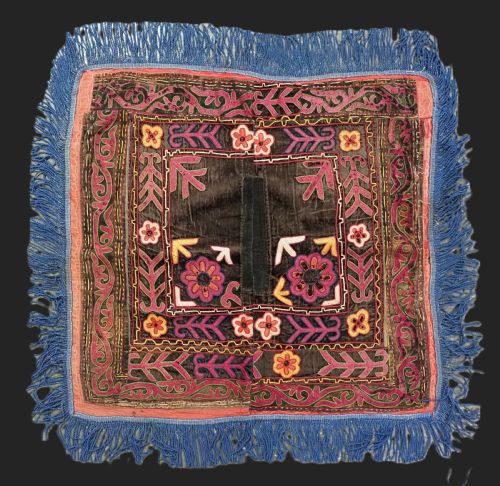
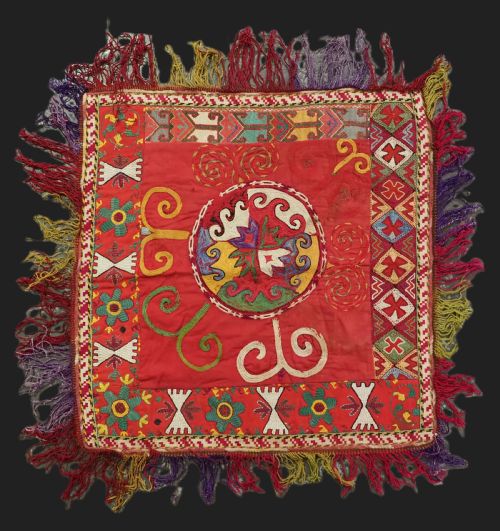
These lakai embroidered panel examples are vibrant Central Asian textiles created for domestic and ceremonial use, sought after for their bold geometric motifs and rich colour.
Lakai Embroidered Panel
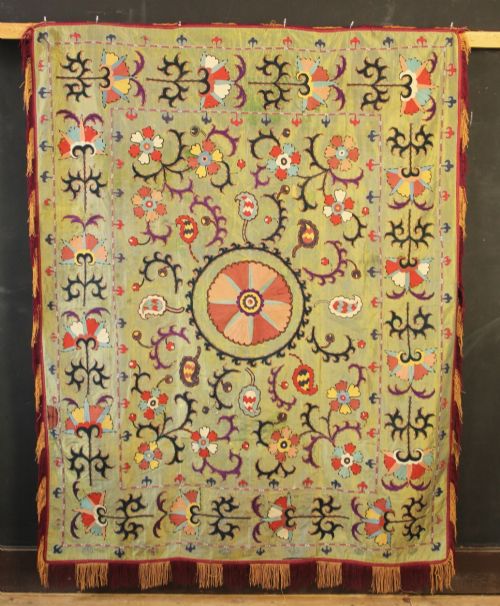
A lakai embroidered panel represents the textile artistry of the Lakai tribe originating from Central Asia and Uzbekistan. These works include wall hangings, dowry embroideries, mirror covers, and horse or saddle covers produced across the late nineteenth and early twentieth centuries.
Buyers will most frequently encounterilgich dowry embroideries and nim suzani wall hangings created to decorate nomadic and traditional interiors. The forms range from small amulet textiles to larger decorative panels displaying distinct tribal aesthetics.
How they were made
These textiles rely primarily on silk and cotton foundations worked with dense embroidery threads, sometimes incorporating velvet and glass beads for texture. Artisans utilised intricate stitching techniques to build complex geometric and figurative patterns across the fabric surface.
The materials reflect traditional regional production methods from centres such as Shakrisabz within Uzbekistan. Natural fibre selection and skilled needlework ensure structural integrity alongside decorative impact.
Nomadic makers stitched protective amulets and saddle covers to ensure good fortune on the road, turning everyday equestrian gear into brilliant displays of needlework.
What varies in quality
The distinction between tiers rests upon the complexity of the design layout and the precision of the needlework. Pieces displaying exceptionally balanced geometric compositions and harmonious dye palettes command greater attention from collectors.
Condition of the base fabrics and vibrancy of the surviving silk threads also dictate overall desirability. Greater density in the embroidery work generally indicates higher execution skill within the tradition.
The Lakai Embroidered Panel Glossary
- Ilgich
- A traditional embroidered hanging created as part of a dowry within Central Asian communities. These textiles frequently served as wall decorations inside domestic spaces.
- Nim Suzani
- A smaller or half-scale embroidered wall hanging produced in Uzbekistan. The format provides a compact canvas for traditional tribal motifs.
- Suzani
- A type of embroidered textile panel originating from Central Asia, usually worked in silk on a cotton or linen ground. These large panels formed essential elements of traditional household furnishings.
Lakai Embroidered Panel: Frequently Asked Questions
How should I hang a textile panel?
Mount the textile using a padded sleeve or conservation-grade Velcro attached gently to the reverse fabric. This distributes the weight evenly across the entire upper edge.
Avoid direct sunlight and strong artificial light sources to protect the natural silk threads from fading over time.
Where did these embroideries originate?
These pieces originate from Central Asia, specifically associated with the Lakai tribe and regions such as Shakrisabz in Uzbekistan. They reflect nomadic and regional craft traditions developed over generations.
The materials and iconography tie directly to the cultural practices and domestic life of these communities during the nineteenth and early twentieth centuries.
What materials are used in these panels?
The primary components consist of silk embroidery threads worked onto cotton or sometimes velvet foundations. Glass beads occasionally appear as decorative accents on specific forms like ceremonial covers.
Natural dyes provide the varied colour palette seen across the surviving historical examples from this tradition.
How do I date a lakai panel?
Dating relies on stylistic analysis, material wear, and structural characteristics typical of late nineteenth and early twentieth-century production. Comparisons with documented tribal pieces help establish approximate periods.
Subtle shifts in colour combinations and motif complexity often point toward specific decades within the broader era of creation.