
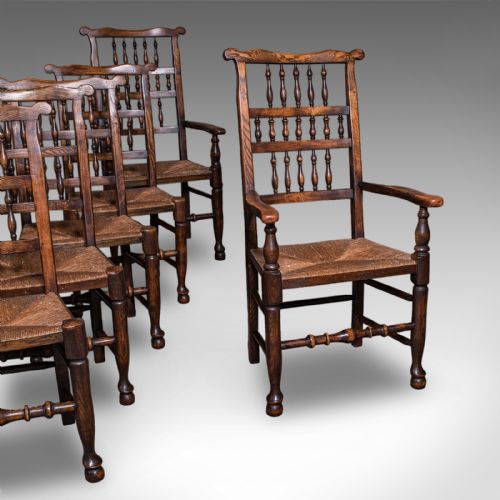
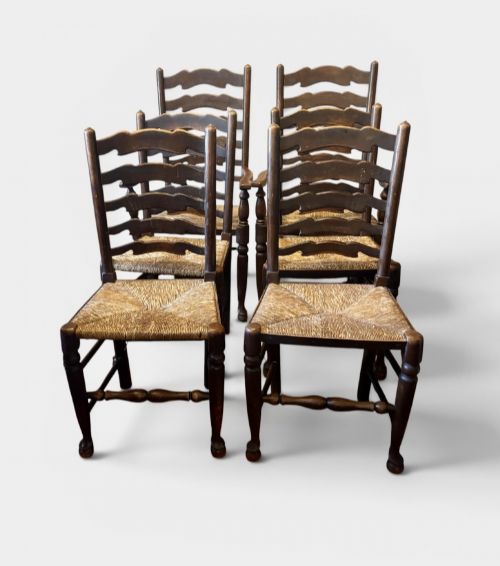


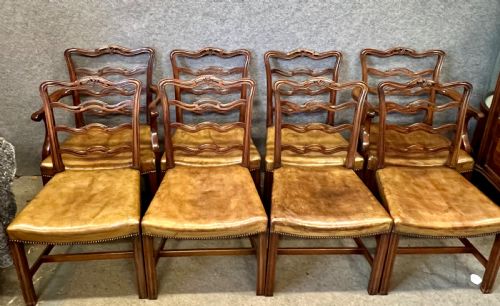


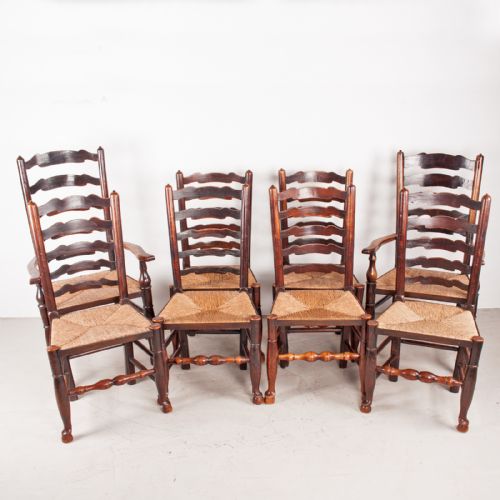
Ladderback Dining Chairs Set
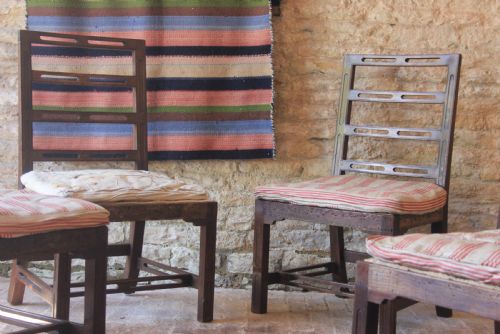
A ladderback dining chairs set brings substantial country character and practical seating to the room through horizontal rails and woven rush.
Ladderback Dining Chairs Set
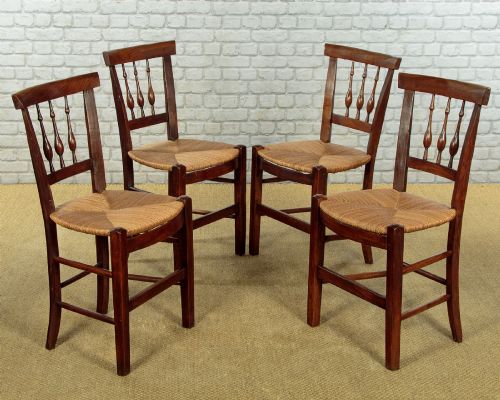
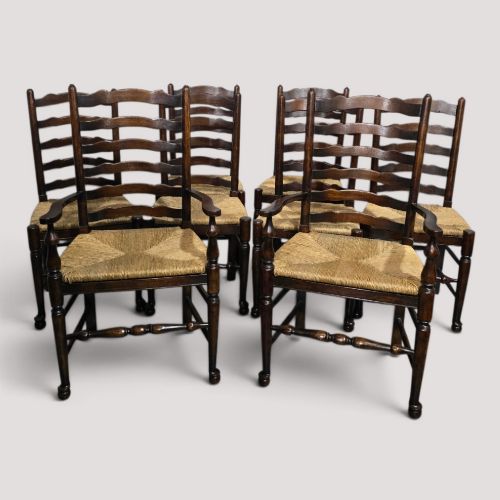
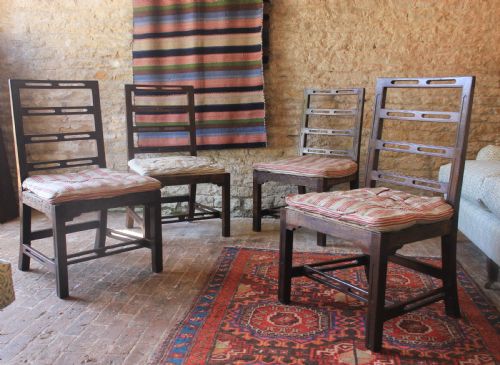
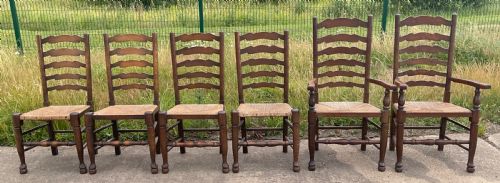
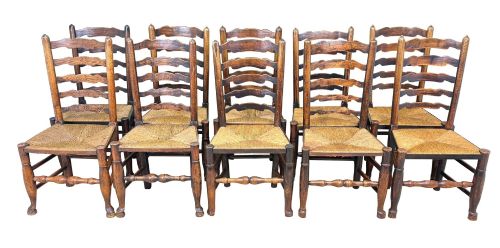
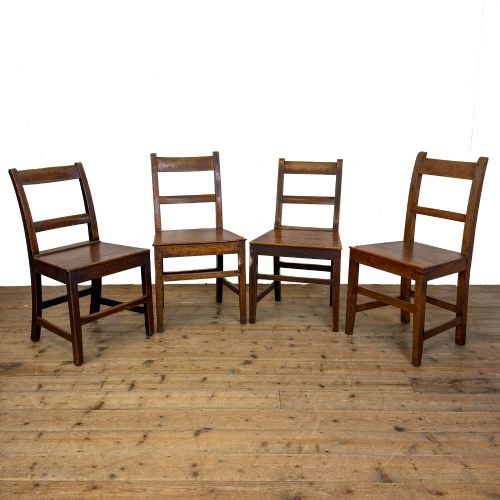
A ladderback dining chairs set comprises matching seating united by horizontal slats across the backrest, known as rails or rungs. The form has roots in vernacular rural furniture, designed for utility and strength in farmhouse and provincial settings.
Buyers encountering this phrase will find groups ranging from four to twelve chairs, frequently assembled from regional timbers like oak and elm. Many examples span the eighteenth and nineteenth centuries, alongside revival pieces produced into the nineteen-thirties.
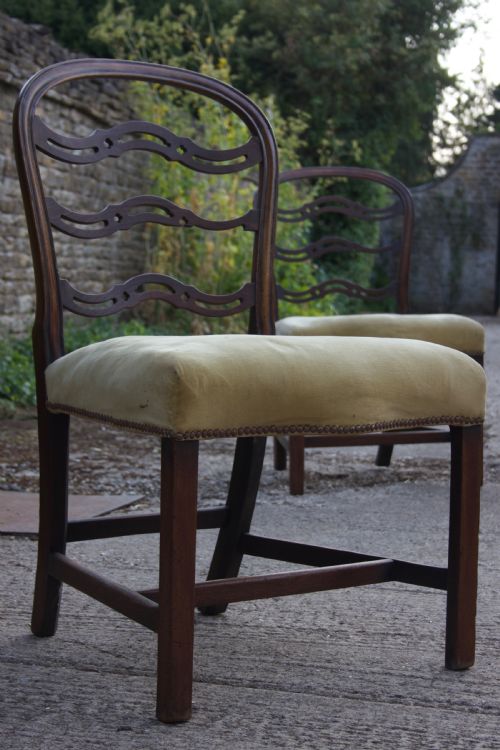
Country regional variants, such as Lancashire or Welsh designs, sit alongside formal mahogany iterations influenced by Chippendale aesthetics. These groups often include carver armchairs alongside side chairs to complete a dining arrangement.
Materials and construction
Makers utilised native hardwoods for the frames, combining sturdy oak or ash uprights with turned beech or elm components. Timber selection dictated the structural integrity, with dense woods supporting slender turned legs and stretchers.
Seats were traditionally woven from natural rush, seagrass, or straw, wrapped tightly around internal frame rails to create a durable, springy surface. Alternatively, some formal sets incorporated drop-in seats upholstered in leather or fabric.
Joinery relied on mortise and tenon joints secured with wooden pegs, while turned details on posts and spindles were shaped on pole lathes. Regional workshops applied these time-tested methods to ensure daily resilience.
Listings feature oak, elm, ash, and beech frames paired with traditional hand-woven rush seats across eighteenth and nineteenth-century periods.
Evaluating the standard
Quality rests in the matching uniformity across a large group, as many sets were expanded or assembled from harlequin collections over time. A true matched suite demonstrates consistent timber grain, uniform slat profiles, and identical turning patterns on every leg.
The precision of the rush weaving and the tightness of the frame joints distinguish fine provincial work from utilitarian seating. Superior examples retain original components without excessive timber replacement in the stretchers and back posts.
Proportion and the subtle curvature of the horizontal back slats dictate the refinement of the design. Sharply shaped wavy rails and well-balanced rake in the back legs separate exceptional country pieces from basic production.
Edward Gardener·Macclesfield·Heals
The Ladderback Dining Chairs Set Glossary
- Carver
- An armchair designed with armrests, traditionally placed at the head of a dining table to match side chairs.
- Rush
- A marshland plant material twisted into cords and hand-woven to form durable, textured seat pads.
- Stretcher
- A horizontal reinforcing rail connecting the legs of a chair to provide structural stability.
- Harlequin set
- A collection of chairs sharing similar styles and periods that were gathered together rather than made as a single batch.
- Spindle
- A thin, turned wooden rod used vertically in chair backs or underframes for support and decoration.
Ladderback Dining Chairs Set: Frequently Asked Questions
How do I care for rush seats?
Keep rush seating away from excessive moisture and direct heat sources to prevent the natural fibres from becoming brittle.
Apply a light application of beeswax occasionally to nourish the cord and maintain flexibility.
What is a harlequin set?
A harlequin set is a collection of chairs that share matching styles, timbers, and periods but were assembled together over time.
This historical practice allowed households to gather larger dining arrangements when matching original batches was difficult.
Are these chairs comfortable for daily use?
The woven rush provides a resilient, supportive pad that yields slightly under weight for natural seating comfort.
Upright ladder backs encourage good posture during meals, though added squab cushions are often used for extended sitting.
How do I spot an eighteenth-century set?
Early sets display hand- turned components with slight irregularities, pegged mortise joints, and deep patination on the native timbers.
Inspect the wear patterns on the foot stretchers and the construction methods inside the seat frame to confirm age.