
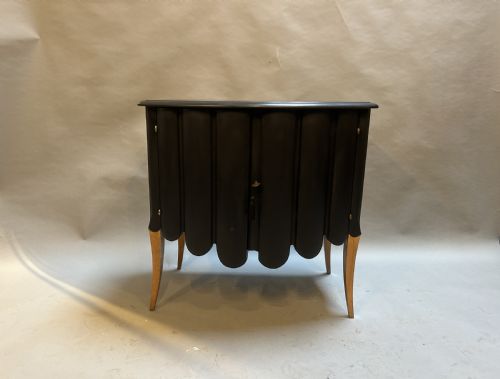


Lacquered Wooden Sideboards
These lacquered wooden sideboards combine bold surface finishes with practical storage, offering a striking focal point for a room.
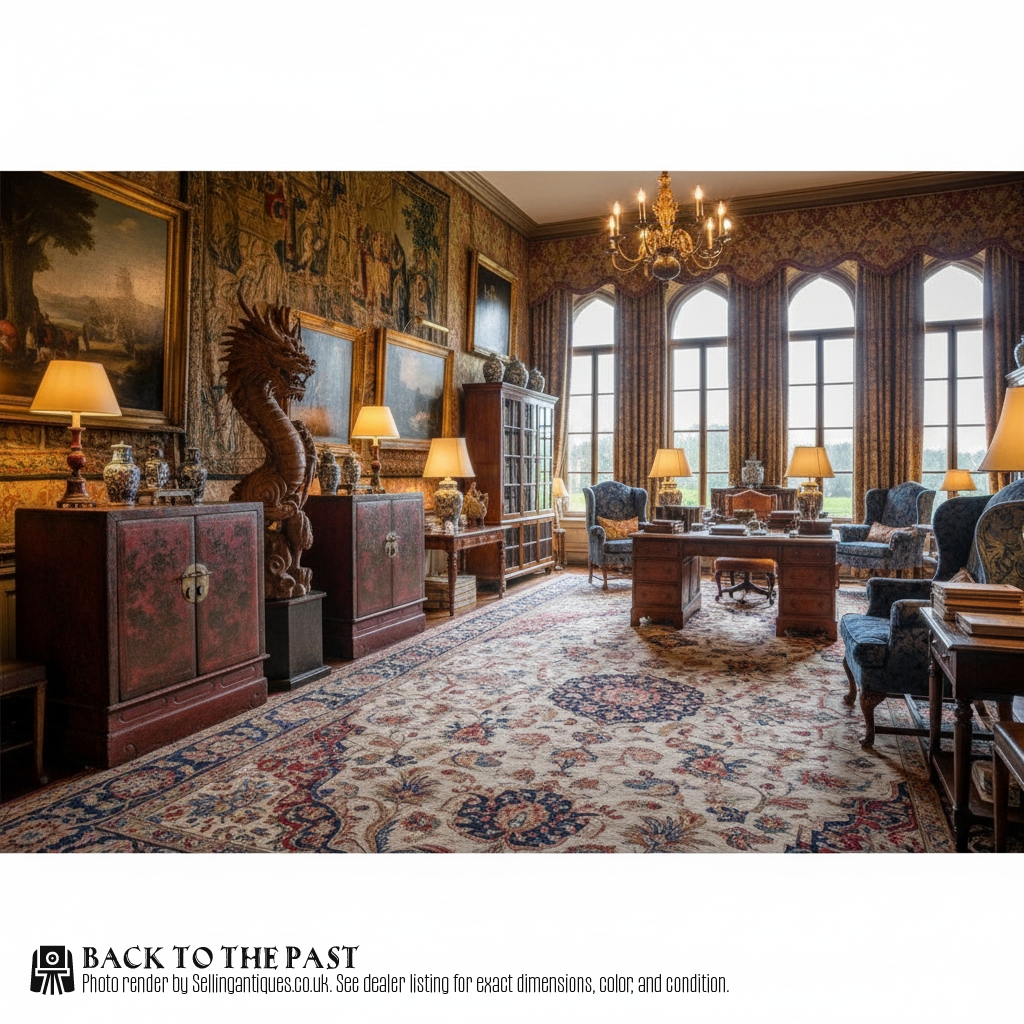
Lacquered Wooden Sideboards
Lacquered wooden sideboards encompass a range of low storage units and cabinets finished with protective and decorative coatings. These pieces draw on distinct design traditions, spanning European Art Deco alongside Chinese provincial and export craftsmanship.
Makers utilised various primary timbers beneath their finishes, with elm and pine appearing alongside ebonised wood and general timber. Surface treatments range from black and red lacquer to gilt detailing and inlaid work.
How they were made
Carpenters constructed these carcasses from solid woods such as elm and pine, building durable frames to support repeated daily use. Timber selection governed the stability of the foundation before any surface treatment began.
Applied finishes involved layers of lacquer, often built up in red or black pigments. Artisans incorporated carved elements, gilding, and inlaid materials to produce intricate Chinoiserie and Qing Dynasty decorative schemes.
Metal components, including brass, frequently supplemented the wooden structures on hinges, mounts, and handles. These hardware additions provided functional support while complementing the polished surface aesthetic.
The listings combine nineteenth-century Chinese export items with twentieth-century European Art Deco designs, uniting diverse lacquered wood traditions.
What varies in quality
The refinement of the surface finish separates standard utility pieces from finer examples. Deep, even coats of lacquer with crisp gilding or detailed carving indicate a higher level of workshop execution.
Structural integrity depends upon the joinery employed within the timber carcass and the condition of the primary wood. Solid construction in woods like elm ensures the piece maintains its form over centuries of use.
Coherence of style also marks superior pieces, whether through the balanced proportions of a Regency chiffonier or the deliberate adherence to Kangxi period design principles in an export altar table.
The Lacquered Wooden Sideboards Glossary
- Chinoiserie
- European decorative style reflecting Chinese artistic influences. This aesthetic appears across several nineteenth-century side cabinets and chiffoniers on this page.
- Ebonised Wood
- Timber treated to resemble ebony through staining or painting. This dark finish provides a stark contrast to gilt decoration.
- Chiffonier
- A low sideboard or cabinet featuring shelves or drawers. Regency examples combine this form with traditional lacquerwork.
- Altar Table
- A long, narrow table originating from ritual placement in Chinese halls. Export versions function as decorative console furniture in domestic interiors.
Lacquered Wooden Sideboards: Frequently Asked Questions
What rooms suit lacquered wooden sideboards?
These cabinets provide surface display space and enclosed storage, making them suitable for living rooms, dining spaces, or hallways. Their decorative finishes allow them to function as standalone focal points against plain walls.
Matching the scale of the piece to the room ensures the cabinet does not overwhelm the surrounding furniture. Console and altar tables work well in narrow hallways, while bulkier side cabinets suit larger reception spaces.
How do I care for lacquer surfaces?
Lacquered finishes require gentle maintenance to preserve the integrity of the coating. Dusting with a soft, dry cloth prevents particulate accumulation without scratching the sheen.
Avoiding direct sunlight and excessive moisture protects the wood and lacquer from warping or cracking. Maintaining a stable indoor climate prevents the timber beneath from expanding and contracting.
How can I tell the period of a cabinet?
Dating relies on observing construction methods, hardware types, and stylistic indicators present in the woodwork. Nineteenth-century Chinese pieces often display traditional joinery alongside regional export motifs.
European pieces from the Regency era or the nineteen-thirties reflect the distinct architectural and decorative preferences of those decades. Comparing the carved details and timber types helps establish the probable origin and era.
What is the difference between an altar table and a side cabinet?
Altar tables present a long, narrow, open surface supported by tall legs, originally designed for ceremonial placement. Side cabinets offer enclosed storage behind doors or within drawers for domestic utility.
Both forms utilise lacquered wooden construction, but their internal volumes serve entirely different purposes. Cabinets conceal items from view, whereas tables provide display areas.