




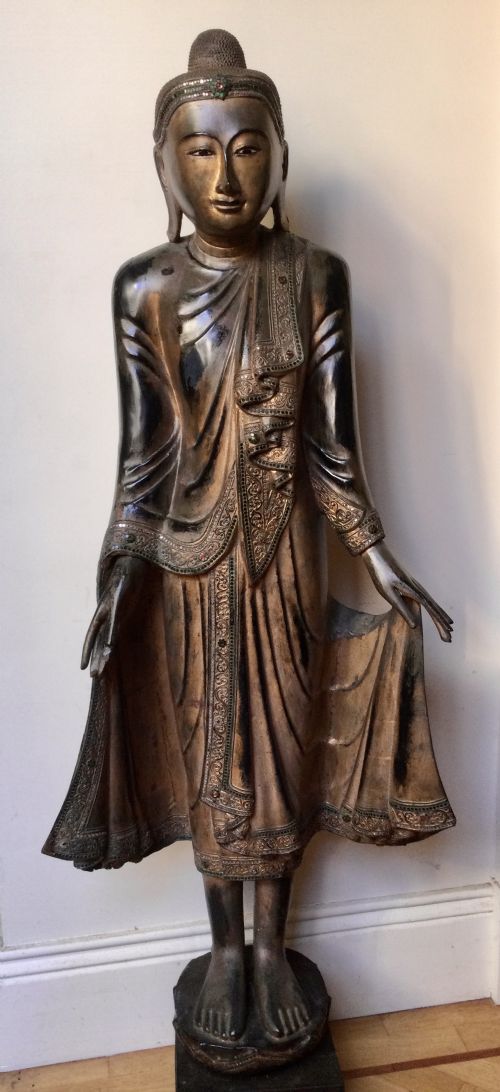
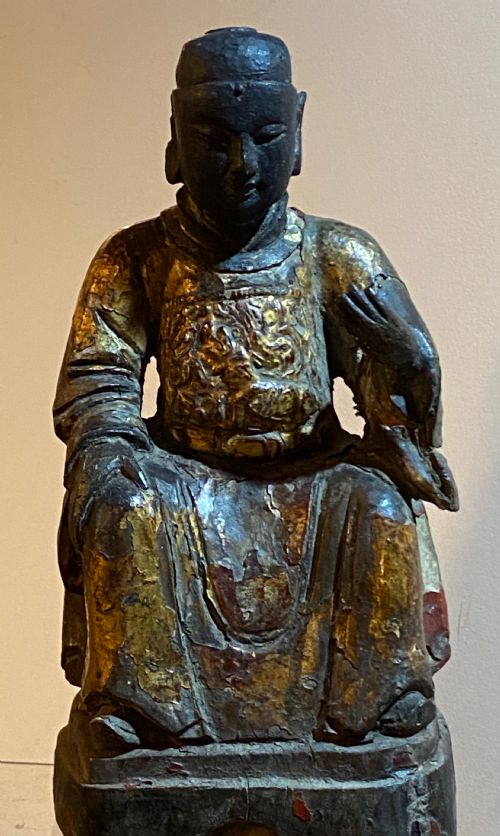


Lacquered Wood Figure
Lacquered wood figure carvings combine carved timber bases with layers of applied resin or paint, offering rich regional styles for interior display.
Lacquered Wood Figure
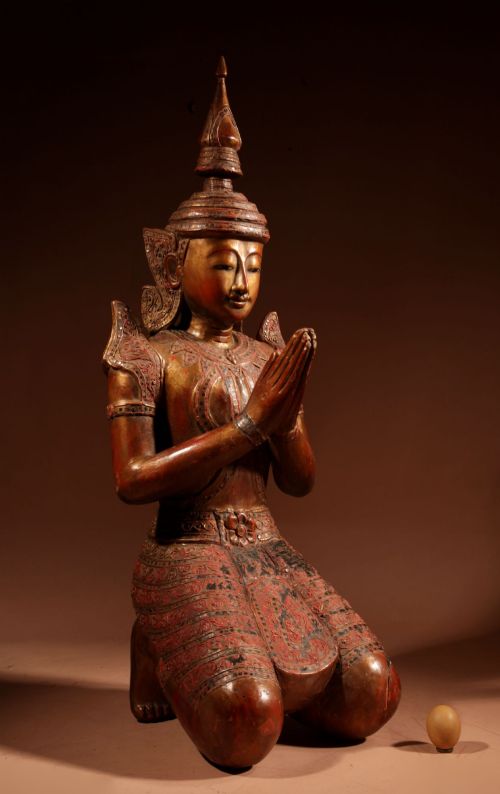
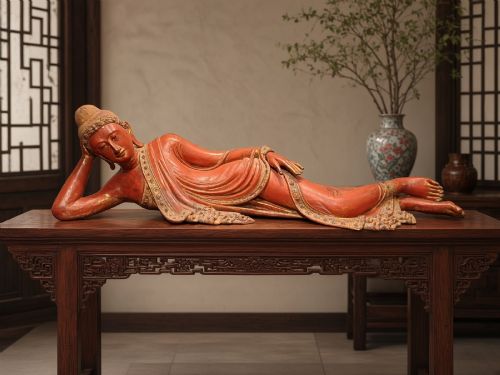
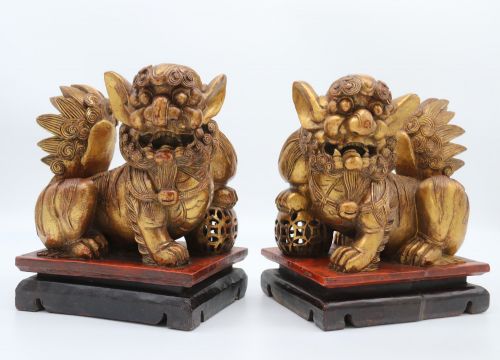
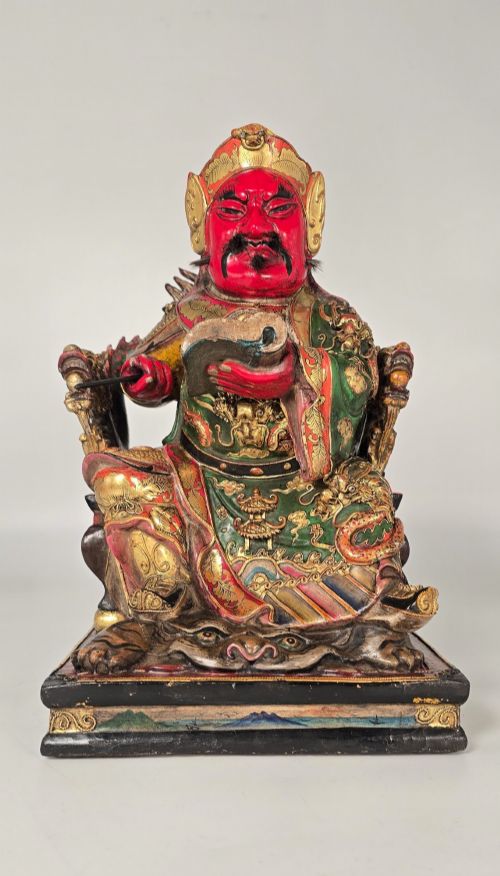
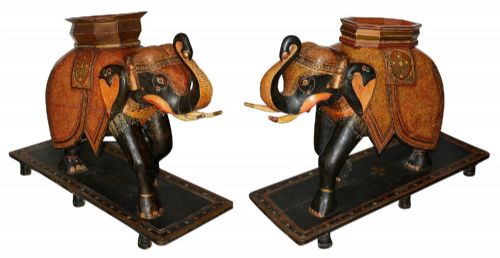
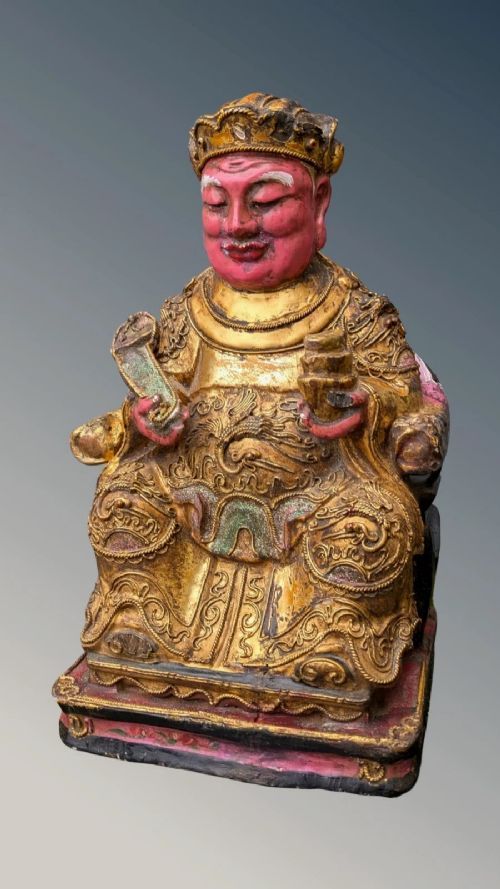
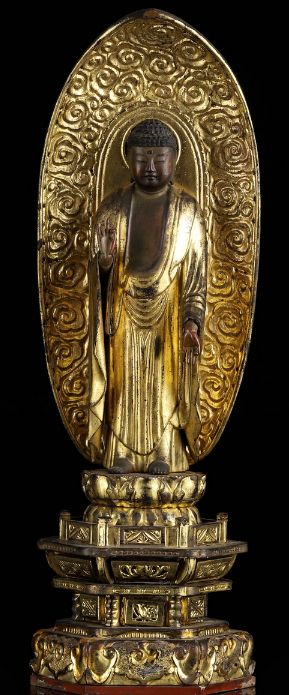
When searching for lacquered wood figure examples, buyers encounter sculptures originating from traditions across Asia and the Victorian British sphere, spanning from the eighteenth century into the twentieth century. The selection includes kneeling guardian figures, reclining buddhas, deities, scholars, and animals such as elephants and lions.
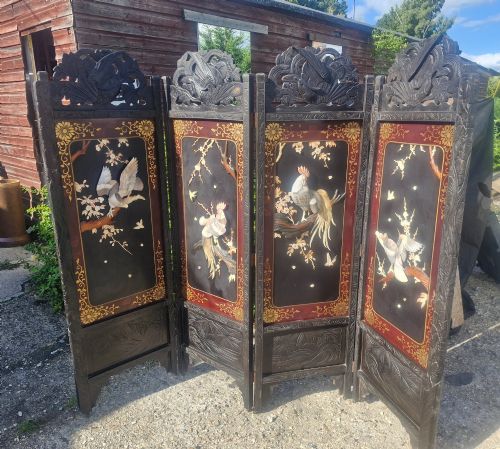
Most pieces likely to be met on this page date from the nineteenth and early twentieth centuries, encompassing Victorian items, Qing period pieces, and Japanese Meiji or Edo works. These take the form of statues, wall plaques, and folding screens rather than purely flat art.
Regional variations dominate the available forms, ranging from Thai Thepphanom figures and Burmese Mandalay examples to Chinese Buddhist lions and Kashmiri interpretations. Each tradition employs distinct postures and clothing details suited to its cultural origins.
How they were made
Carved wood forms the structural base for these works, shaped by hand from timber before receiving decorative surface treatments. Artisans applied layers of lacquer to seal and finish the material, creating a smooth or textured canvas.
Gilding, gold leaf, gesso, and polychrome pigments were frequently added over the lacquer and wood to highlight details of garments, faces, and attributes. Deep carving techniques allowed makers to achieve high relief on panels, screens, and sculptural drapery.
Lacquered Wood Figure Retail Price Guide 2026
Typical asking prices for lacquered wood figure among the pieces listed under this phrase on Sellingantiques today, from the lower quarter to the upper quarter. They describe what is for sale here now, not the wider market.
Among the deities and scholars, certain elephants wear expressions of quiet patience carved entirely by hand.
What varies in quality
The precision and depth of the initial wood carving dictate the structural integrity and sculptural presence of each piece. Finer examples display meticulous attention to facial expressions, hand gestures, and the natural fall of robes.
The application and preservation of surface materials such as lacquer, gesso, and gold leaf determine the visual depth of the finish. Intact polychrome pigment and securely adhered metal leaf represent superior execution compared to heavily worn or later repainted surfaces.
The Lacquered Wood Figure Glossary
- Lacquer
- A durable resin finish applied to wood surfaces to protect the material and provide a smooth, glossy base for further decoration. It hardens into a tough coating that resists moisture and wear.
- Gilding
- The application of gold leaf or powder to the surface of a carved wooden object. This technique enhances focal areas such as robes, halos, or architectural elements.
- Gesso
- A plaster-like mixture applied to wood as a base for paint or gilding. It fills microscopic pores in the timber and creates a smooth ground for detailed work.
- Meiji
- A Japanese historical period spanning from the late nineteenth to the early twentieth century. Objects from this era often display refined carving and decorative complexity.
Lacquered Wood Figure: Frequently Asked Questions
What is a lacquered wood figure?
A lacquered wood figure is a carved wooden sculpture coated in resin lacquer, often finished with gold leaf or polychrome pigments to depict deities, guardians, scholars, or animals.
These pieces originate from various Asian traditions and nineteenth-century decorative arts, serving as focal points for display in homes.
How do I date a wooden figure?
Dating relies on stylistic markers associated with specific periods like the Qing Dynasty, Meiji era, or Victorian times, alongside the tools evident in the carving.
Tool marks, the composition of the wood, and the ageing characteristics of the lacquer and gesso layers also help establish the likely era of creation.
Where were these figures placed?
Many of these figures originated as items for domestic shrines, temples, or scholarly environments within their respective cultures. They held religious, symbolic, or decorative significance.
Today, buyers place them on mantels, tables, or hang related panels and screens on walls as standalone art pieces.
How do I care for lacquered wood?
Caring for these objects involves keeping them out of direct sunlight and maintaining stable indoor humidity levels to prevent the wood from splitting. Dusting should be done gently with a soft, dry cloth.
Avoiding harsh cleaning products ensures the delicate lacquer, gilding, and pigment layers remain stable and intact over time.