





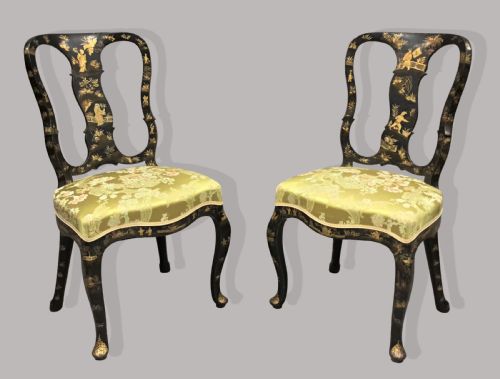
Lacquered Wood Chairs
Lacquered wood chairs bring rich gloss and deep texture to a room, ranging from eighteenth-century European interpretations to traditional Chinese seating.
Lacquered Wood Chairs
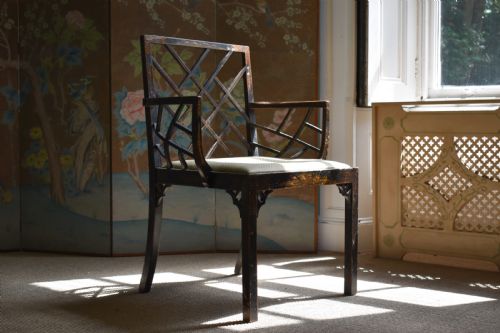
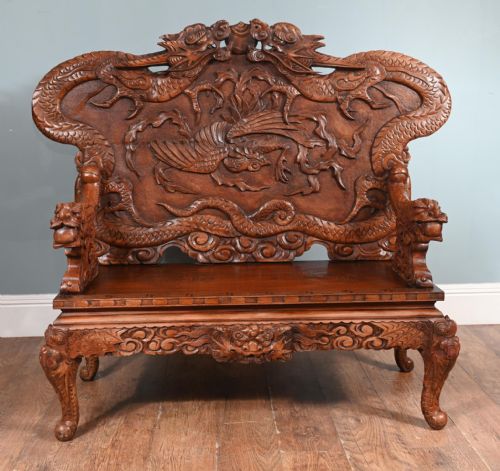
When you search for lacquered wood chairs, you encounter a distinct blend of Asian export pieces and European revivals spanning the eighteenth century through to the early twentieth century. The selection ranges from North Italian and Dutch side chairs to Chinese elm armchairs and cinnabar lacquer benches.
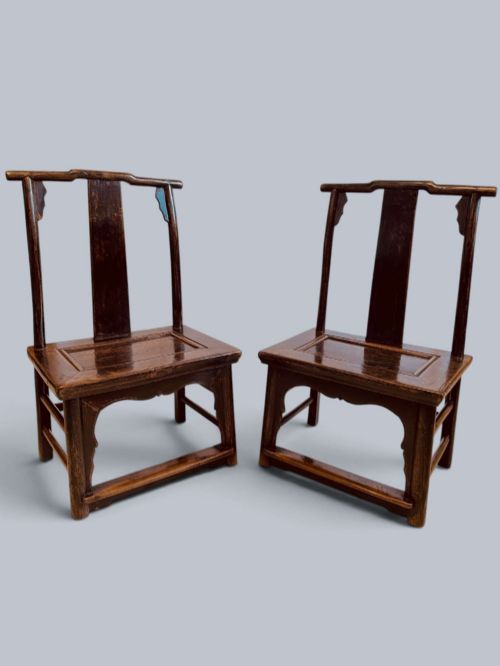
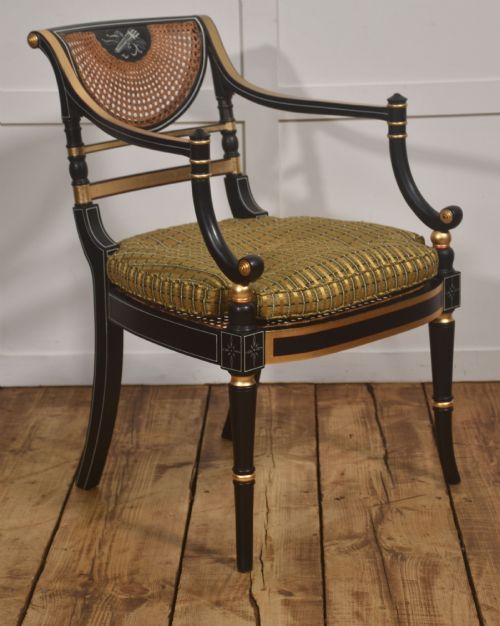
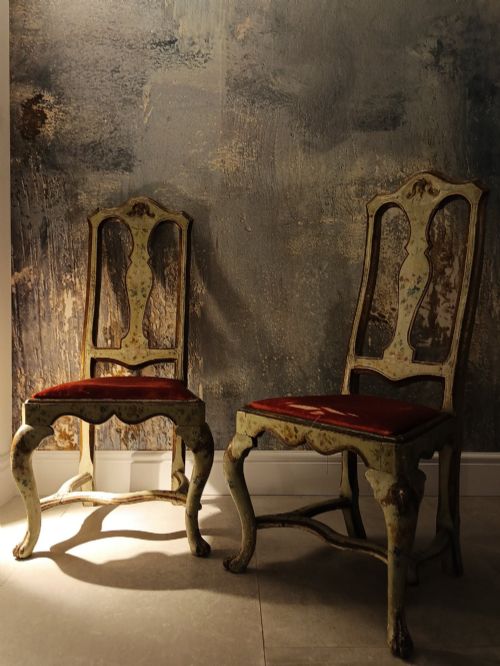
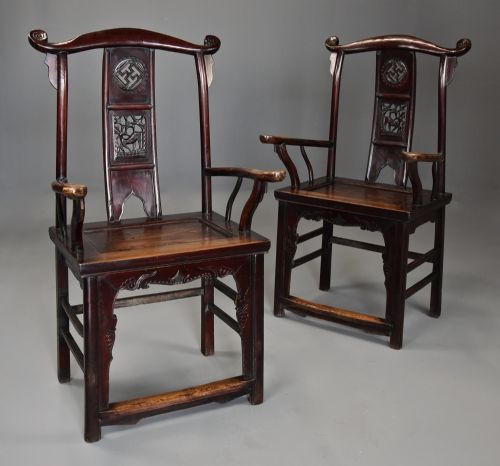
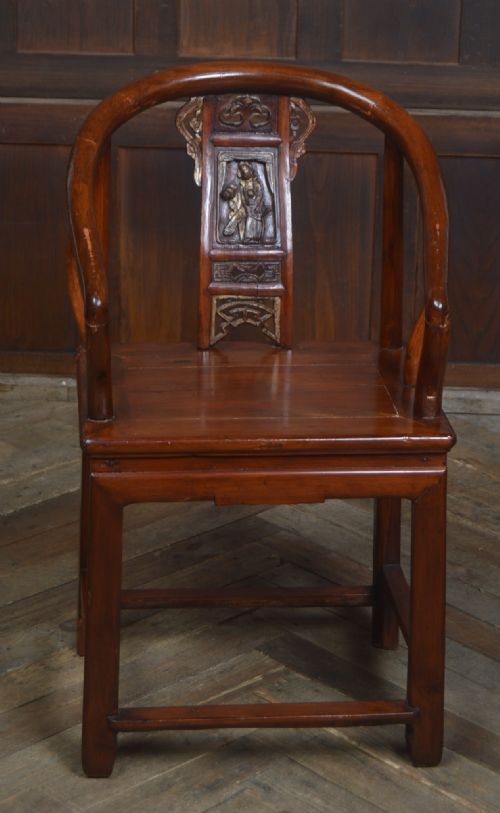
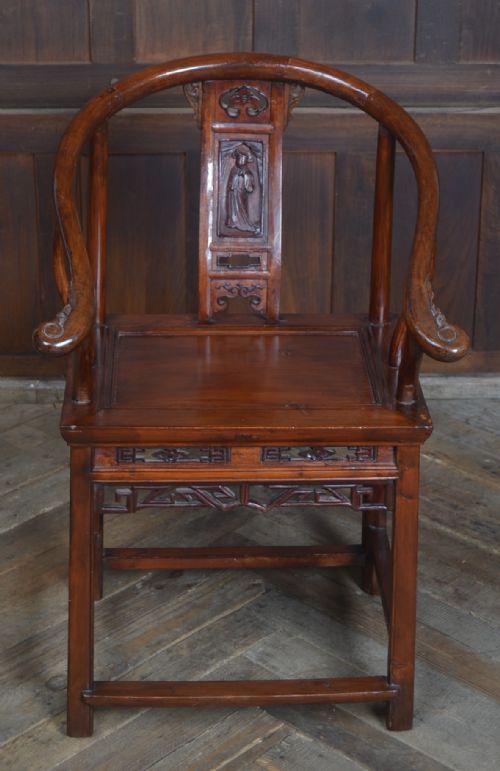
You are most likely to meet Chinese elm yokeback armchairs and Edwardian interpretations featuring traditional lacquer surfaces, alongside Regency style ebonised seating and North Italian examples. These forms include armchairs, side chairs, hall chairs, and benches with carved seats.
The origins stretch across diverse regional workshops, encompassing Chinese Qing Dynasty pieces, Dutch and Italian interpretations, and Edwardian British craft. Each period brings its own characteristic silhouette, from simple yokeback profiles to elaborate parcel-gilt details.
How they were made
The construction relies heavily on sturdy timbers such as elm and ebonised wood, providing a stable foundation for the application of successive layers of lacquer. Artisans shaped these woods into armchairs and side chairs before building up the lustrous surface finishes.
Surfaces received intricate treatments including original red lacquer, cinnabar lacquer, and gilt decoration applied over the wood base. Caning and velvet or textile upholstery were frequently integrated into seats to complement the hard lacquered frames.
Lacquered Wood Chairs Retail Price Guide 2026
Typical asking prices for lacquered wood chairs among the pieces listed under this phrase on Sellingantiques today, from the lower quarter to the upper quarter. They describe what is for sale here now, not the wider market.
The listings span the eighteenth, nineteenth, and early twentieth centuries, featuring materials such as cane, velvet, elm, and cinnabar lacquer.
What varies in quality
The refinement of the surface decoration separates standard examples from exceptional pieces, particularly where original gilt work and depth of lacquer remain intact. The preservation of the original red or cinnabar lacquer crust directly influences the integrity of the piece.
Structural execution also dictates the tier of the chair, evident in the carving of the seat, the joinery of the elm frame, and the tightness of any integrated caning. Pieces retaining their early patination and untouched decorative schemes sit firmly at the upper end of the range.
The Lacquered Wood Chairs Glossary
- Lacquer
- A durable finish applied in multiple layers to wood surfaces, yielding a smooth and glossy protective coating. This technique is central to Asian and European decorative furniture traditions.
- Yokeback
- A traditional Chinese chair design featuring a distinctive top rail that curves outward like a yoke. It provides ergonomic support for the sitter.
- Cinnabar
- A bright red mineral pigment used to colour thick layers of lacquer, which are then deeply carved. This technique creates rich relief patterns on benches and chairs.
- Ebonised
- Wood treated with a chemical stain or finish to imitate expensive ebony. It was widely used in Regency and later revival styles to create a dark, polished contrast.
- Caning
- Woven rattan strips used to form light, flexible seat panels. It appears frequently in combination with wood and lacquered frames across various periods.
Lacquered Wood Chairs: Frequently Asked Questions
How do I care for lacquered wood chairs?
Keep these chairs away from direct sunlight and extreme humidity fluctuations to protect the brittle surface layers from cracking. Dust them gently with a soft, dry cloth without applying modern chemical polishes.
Maintain stable indoor temperatures to preserve the underlying wood and prevent the lacquer from lifting off the frame over time.
Are these chairs suitable for daily use?
Sturdier frames made from elm or solid hardwoods handle everyday sitting well, provided the joints remain tight and secure. Lighter decorative models function better as accent seating in lower-traffic areas.
Evaluate the stability of the legs and arms before placing any antique chair into regular service around a dining table.
How do I distinguish eighteenth-century pieces from later revivals?
Examine the tool marks, the wear patterns on the feet, and the composition of the wood beneath the lacquer layers. Eighteenth-century construction often employs traditional joinery methods distinct from twentieth-century manufacturing.
Look closely at the ageing of the lacquer itself, as genuine early surfaces exhibit a fine network of micro-crazing that modern reproductions struggle to replicate convincingly.
What is the difference between Chinese and European lacquer work?
Asian pieces typically utilise natural tree sap applied in numerous meticulous layers over native timbers like elm, often featuring deep carved relief. European makers developed sap substitutes and varnishes to imitate this exotic finish during periods of intense Chinoiserie popularity.
European interpretations frequently combine ebonised or painted surfaces with gilt decoration, reflecting local neoclassical or rococo tastes rather than traditional eastern motifs.