





Chinese Yoke Back
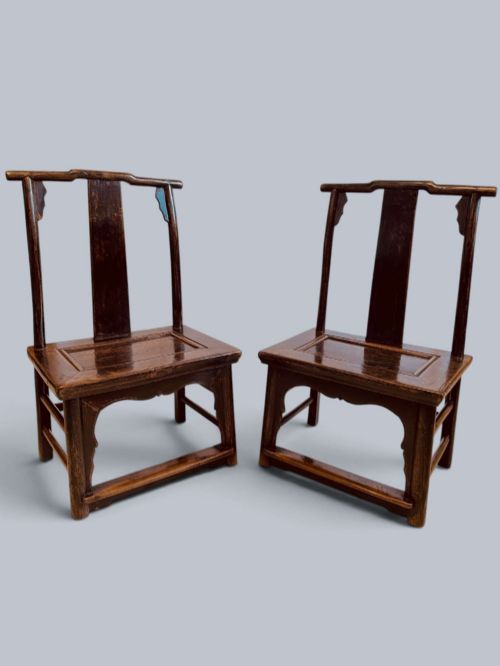
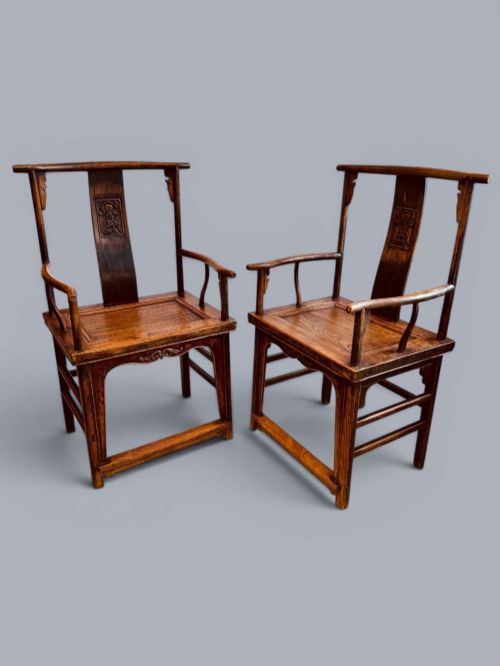
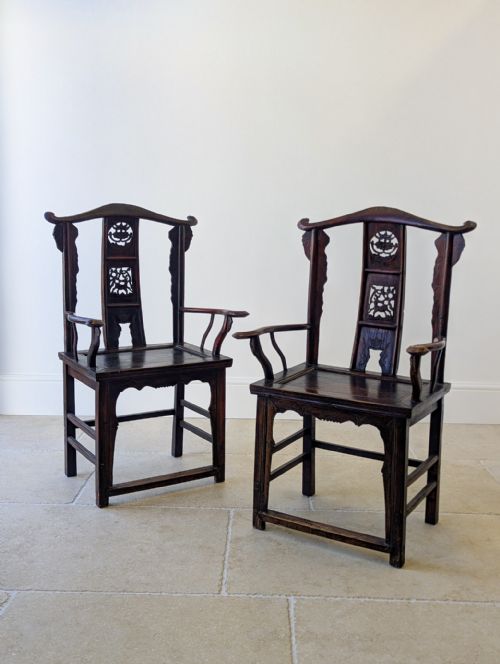
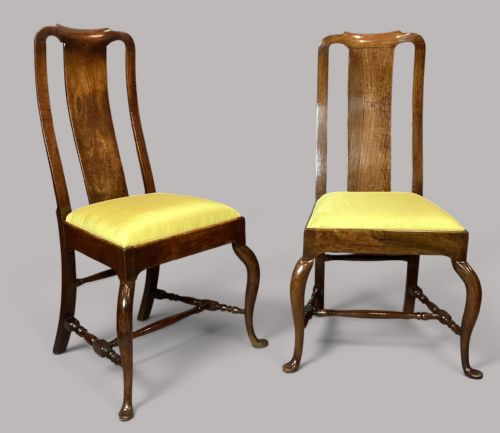
Chinese yoke back chairs are elegant seating forms defined by their distinctive crested rails, offering both sculptural presence and traditional comfort for modern interiors.
Chinese Yoke Back
When you search for chinese yoke back, you are examining a distinct family of traditional seating that ranges from nineteenth century elm armchairs to eighteenth century huanghuali side chairs. These forms originate primarily within Qing Dynasty and traditional Chinese repertoires, encompassing armchairs, side chairs, concubine chairs, benches, and children's chairs.
Materials and construction
Construction relies heavily on elm and various hardwoods, including huanghuali and blonde wood, joined to create sturdy frames capable of supporting upright posture. Makers shaped these timbers into the characteristic curved top rails and crestrails that define the yoke back silhouette.
Surface treatments add colour and texture to the wood, with examples featuring red lacquer, gold leaf, and painted wood finishes. These decorative layers distinguish utilitarian seating from more formal reception or scholar pieces.
Chinese Yoke Back Retail Price Guide 2026
Typical asking prices for chinese yoke back among the pieces listed under this phrase on Sellingantiques today, from the lower quarter to the upper quarter. They describe what is for sale here now, not the wider market.
Materials recorded across the available selection include elm wood, red lacquer, gold leaf, painted wood, and softwood alongside general hardwoods.
Assessing quality in traditional seating
Quality reveals itself in the crispness of the joinery and the harmonious balance of the crestrail curve against the upright posts. Finer examples display thoughtful proportions and careful preservation of the original wood grain or lacquer surfaces.
The choice of material elevates certain pieces, separating standard elm constructions from rarer eighteenth century huanghuali chairs. Original decorative details such as red lacquer and gold leaf further distinguish exceptional pieces from simpler utilitarian seating.
The Chinese Yoke Back Glossary
- Yoke-back
- A chair design featuring a top rail that resembles an ox yoke, curving upwards at the ends. This distinctive silhouette provides ergonomic support for the head and shoulders.
- Scholar's chair
- A traditional form associated with the literate elite, prioritising refined proportions and understated elegance. These chairs often feature subtle joinery and comfortable arm supports for prolonged reading or writing.
- Huanghuali
- A prized Chinese hardwood known for its rich grain patterns and warm honey tones. It appears in high status seating from earlier periods.
- Elm
- A resilient domestic timber widely utilised by Chinese cabinetmakers for structural stability and expressive grain. It forms the backbone of many nineteenth century seating examples.
- Concubine chair
- A specialised low or narrow seating form designed for relaxed domestic reclining within the household. These pieces often share the refined joinery of standard armchairs.
Chinese Yoke Back: Frequently Asked Questions
What is a chinese yoke back chair?
A chinese yoke back chair is a traditional seating form characterised by a crestrail that resembles an ox yoke. These chairs range from simple elm side chairs to formal scholar's armchairs.
The design balances structural rigidity with refined curves, making them both functional seats and sculptural decorative objects for contemporary rooms.
How do I style a chinese yoke back chair at home?
These chairs work exceptionally well as standalone statement pieces in hallways, living rooms, or bedrooms. Their architectural silhouettes pair naturally with minimalist modern interiors as well as traditional spaces.
Because many examples survive as pairs, they can frame a fireplace or anchor a seating group with symmetrical presence.
What timber were these chairs made from?
Cabinetmakers utilised a variety of woods depending on the period and status of the piece, with elm being the most common material seen in nineteenth century examples. Hardwoods such as huanghuali and blonde wood also appear in select pieces.
Some surfaces were further enhanced with red lacquer, painted finishes, or gold leaf to add decorative distinction.
How can I tell the period of these chairs?
Dating relies on timber characteristics, construction methods, and surface treatments associated with Qing Dynasty traditions. Nineteenth century pieces often show the distinct grain and wear patterns of mature elm.
Earlier eighteenth century examples display different timber selections, such as huanghuali, and subtler hand-carved details that reflect the period of their manufacture.