


Lacquered Display Cabinet
These pieces combine polished surfaces with dedicated shelving, and a lacquered display cabinet brings focused visual depth and historic character to any room.
Lacquered Display Cabinet
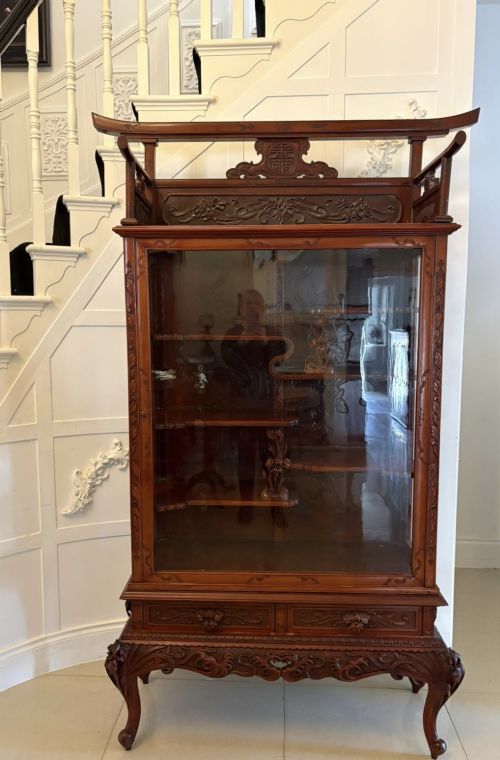
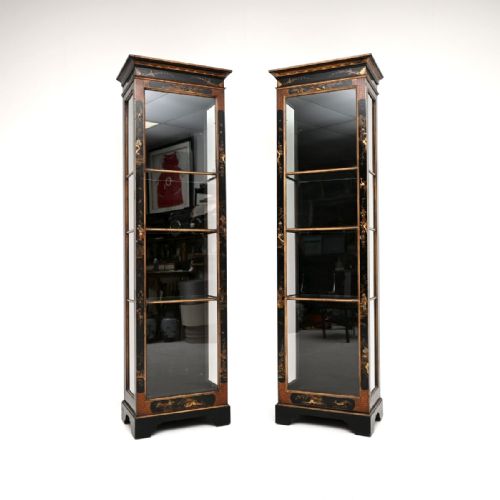
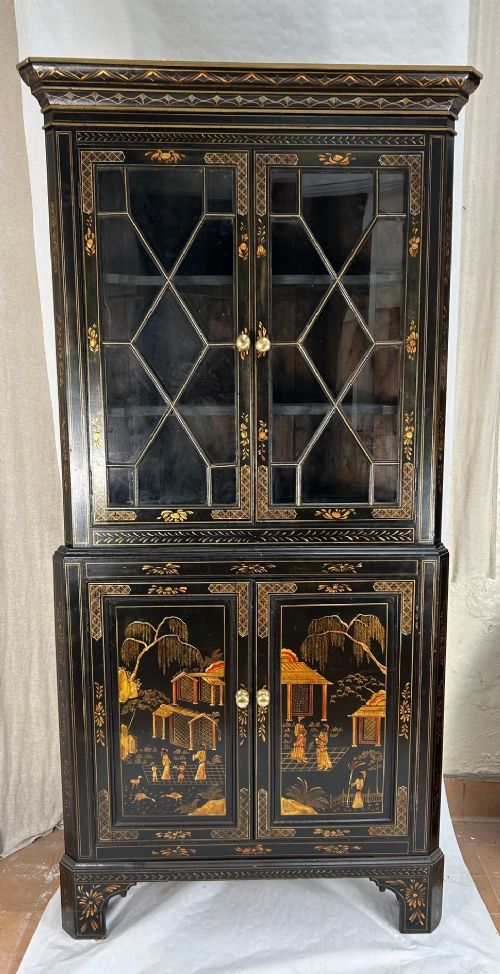
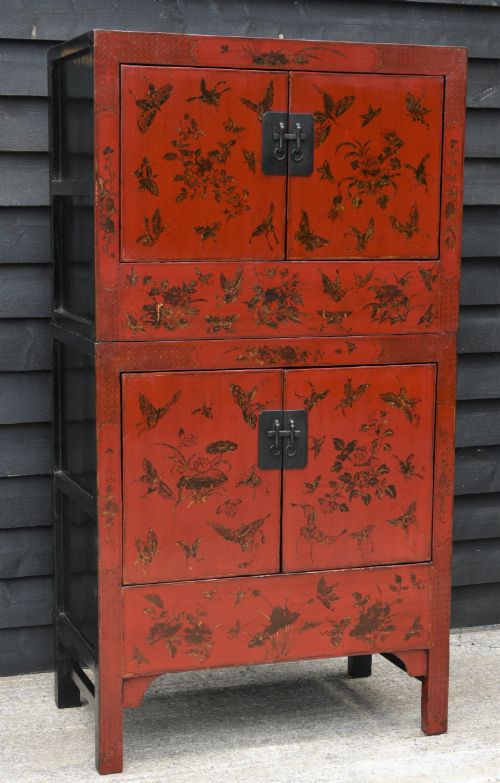
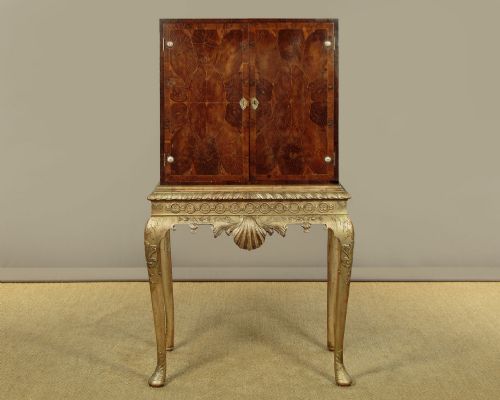
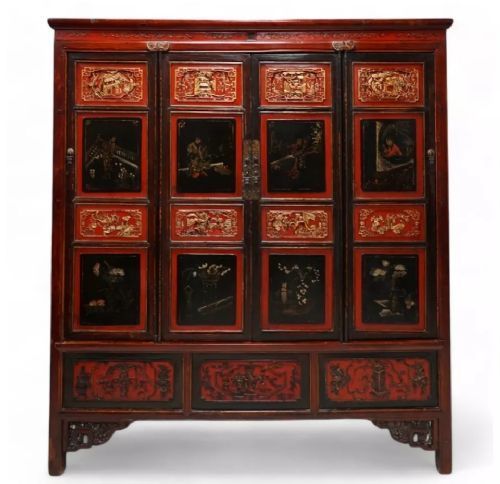
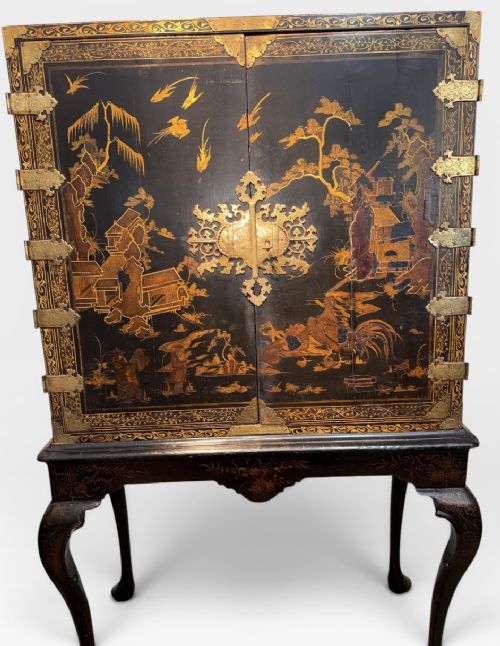
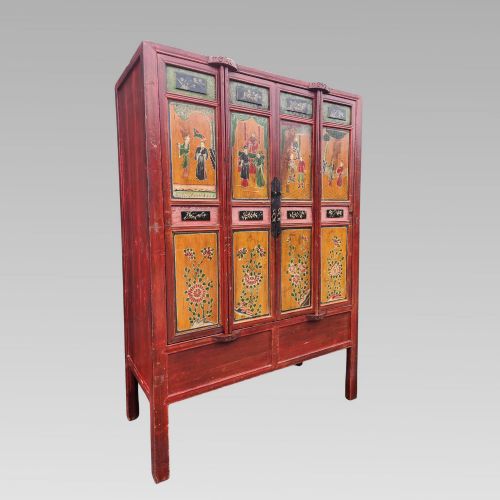
A lacquered display cabinet encompasses versatile forms ranging from corner cupboards and wall shelves to elaborate cabinets on stands and tall marriage pieces. When searching this phrase, buyers encounter varied expressions of decorative finishing, from British and French interpretations to East Asian craftsmanship.
The selections span the eighteenth, nineteenth, and early twentieth centuries, including Edwardian and Victorian creations alongside Regency and Meiji period examples. Most pieces serve to elevate domestic interiors by combining functional storage with visible display space for valued objects.
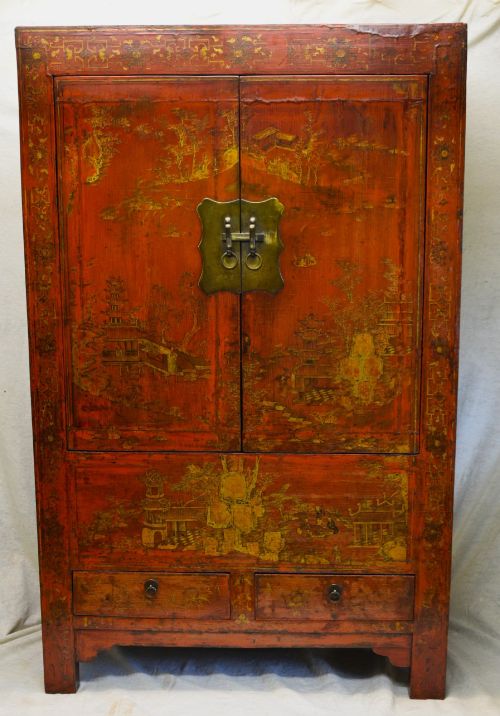
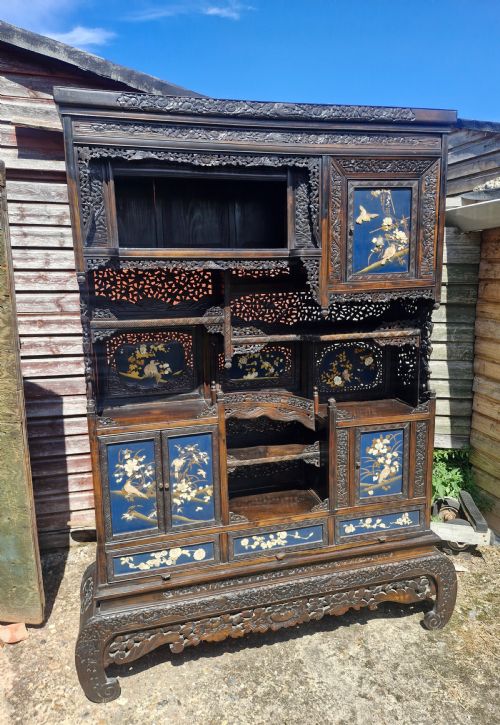
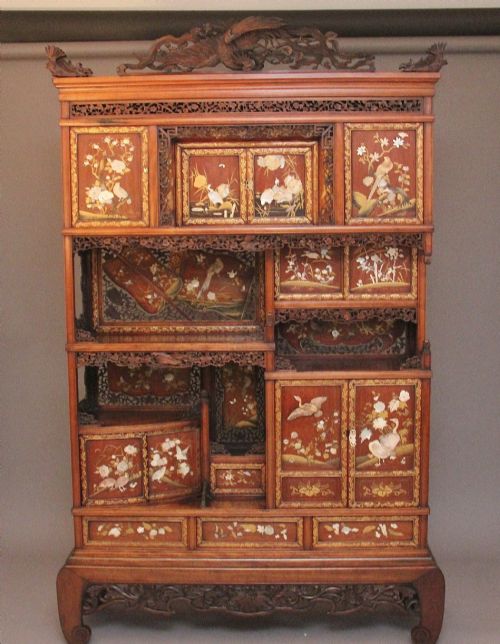
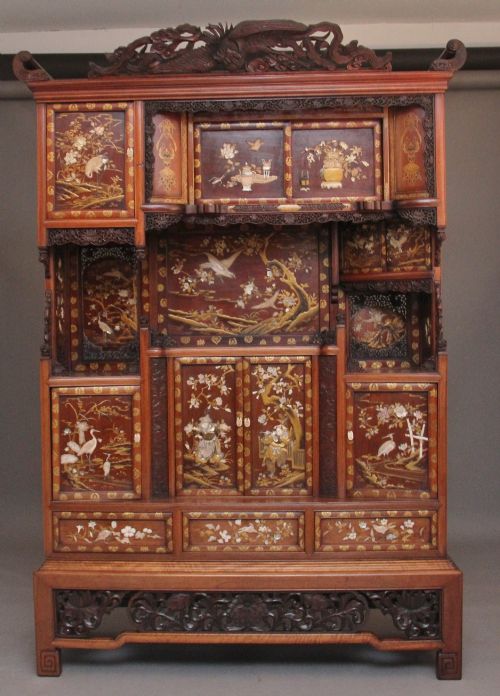
Forms include dedicated shodona cabinets, tall wedding cupboards, and glazed vitrines fitted with interior shelves. Each variation reflects the specific taste of its period, whether interpreting oriental motifs or European revival styles.
Materials and construction
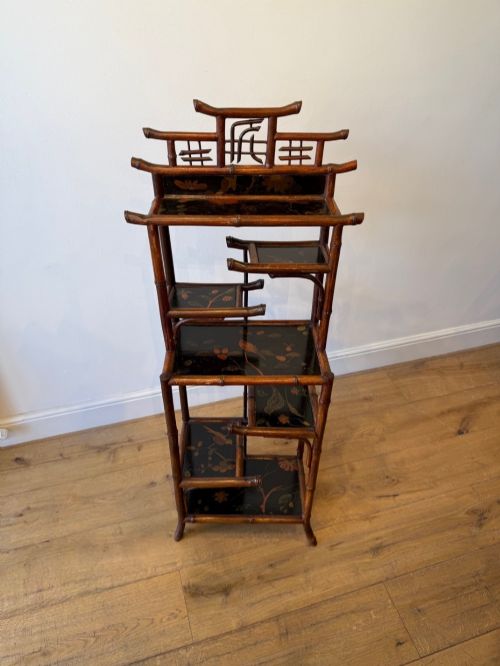
Makers utilised timber foundations such as hardwood, walnut, mahogany, elm, and bamboo to construct the primary carcase and shelving. These structures received multiple coats of lacquer, sometimes enhanced with gold leaf, bone inlay, or brass and ormolu mounts.
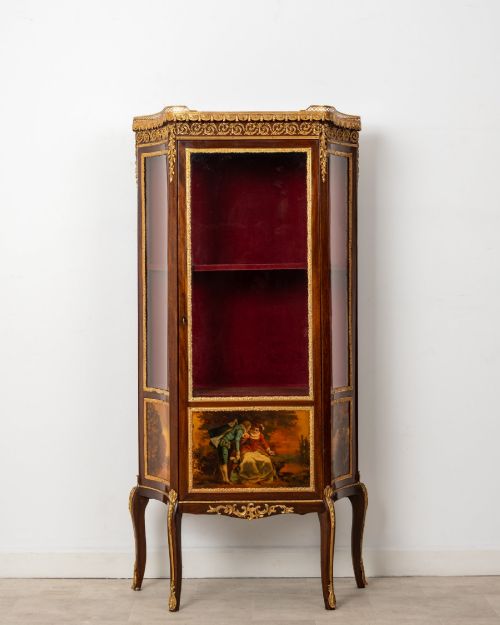
Surface decoration frequently involved painted Chinoiserie scenes, floral carvings, and Vernis Martin techniques applied to wood or panels. Glass doors and mirrored or fabric-lined interiors completed pieces designed to showcase collections safely.
Listings feature items spanning the eighteenth century through the Edwardian era, incorporating bamboo, hardwood, and brass elements.
Assessing craftsmanship
Quality reveals itself in the depth and preservation of the lacquered surface, where multiple polished layers yield a resilient, luminous finish rather than a flat painted coat. Finer examples display meticulous detailing in gilt work, hand-painted motifs, and applied brass or ormolu mounts.
Structural integrity and the retention of original stands, hardware, and glass distinguish superior pieces from later alterations. The precision of joinery in cabinets on stands and the complexity of interior shelving configurations further separate standard production from exceptional artistry.
The Lacquered Display Cabinet Glossary
- Shodana
- A Japanese tiered display cabinet featuring asymmetrical shelving and enclosed compartments. These pieces originated during the Meiji period and showcase complex woodwork.
- Chinoiserie
- A European artistic style reflecting Chinese aesthetic traditions through decorative motifs, landscapes, and figures. Artisans applied these designs to furniture throughout the eighteenth and nineteenth centuries.
- Vernis Martin
- A simulated Japanese lacquer technique developed in eighteenth-century France. This finish involved applying multiple layers of translucent varnish over painted scenes.
- Ormolu
- Gilded bronze mounts applied to furniture edges and feet for decorative accent. This technique appeared frequently on nineteenth-century European revival cabinets.
- Penwork
- A decorative technique using fine ink lines to create intricate surface patterns on wood. Artisans practised this detail during the Regency period.
Lacquered Display Cabinet: Frequently Asked Questions
Where should I place a cabinet?
These cabinets suit reception rooms, hallways, or studies where glass doors protect contents while offering clear visibility.
Position them away from direct sunlight to preserve the sensitive lacquer finish and underlying wood.
How do I clean the surface?
Dust gently with a soft, dry cloth to remove everyday particles without disturbing the aged finish.
Avoid chemical polishes or water, which can damage historic lacquer and delicate gold leaf details.
Can these hold heavy items?
Most interiors feature lightweight shelving intended for ceramics, glassware, or small decorative collections.
Heavier books or large objects exceed the capacity of delicate antique display tiers and bamboo structures.
How do I distinguish periods?
Examine construction methods, hardware styles, and decorative motifs to match pieces with recorded manufacturing eras.
Meiji Japanese pieces show distinct asymmetrical layouts, while Edwardian Chinoiserie often reinterprets earlier Asian designs.