






Lacquer Tea Table
A lacquer tea table brings surface depth and portable utility to a room, offering a functional surface rooted in centuries of decorative traditions.
Lacquer Tea Table
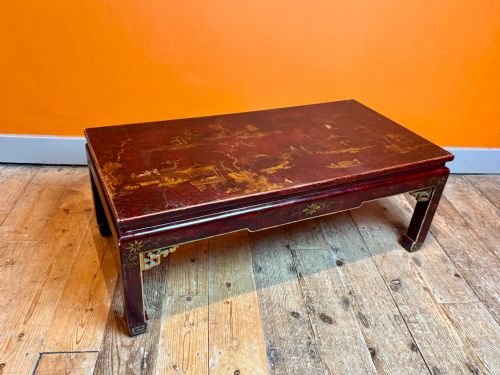
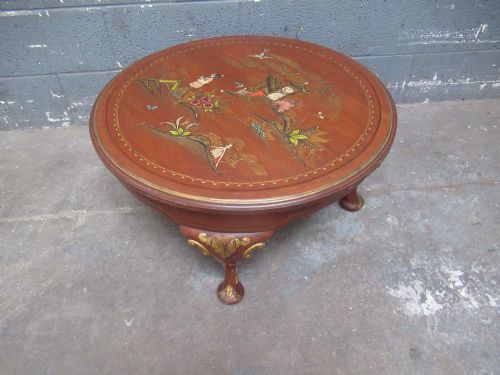
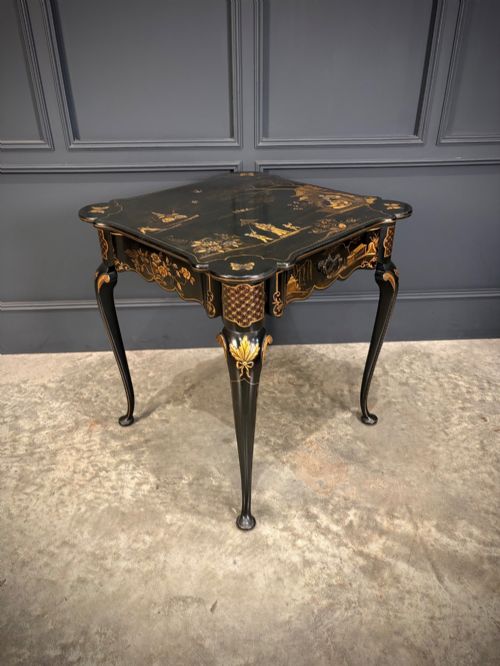
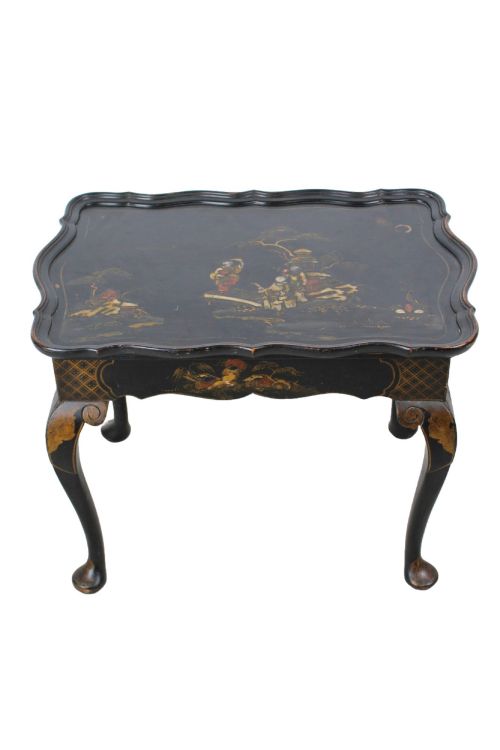
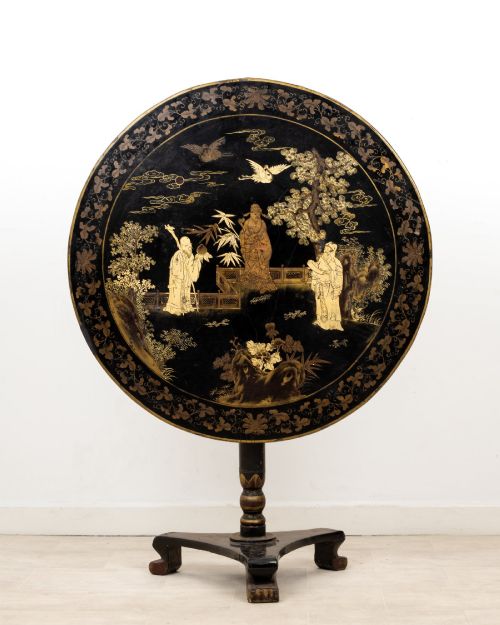
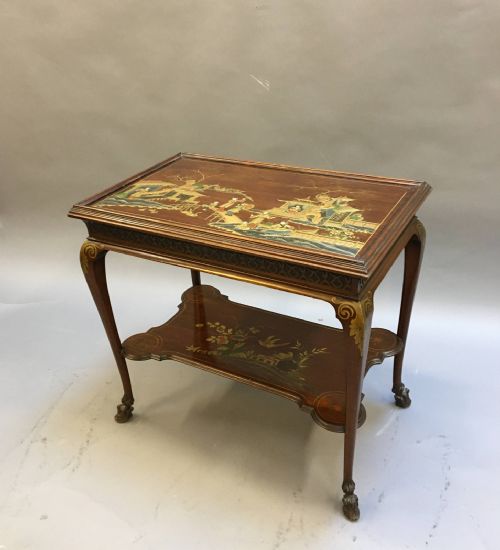
A lacquer tea table serves as a functional display surface, drawing on forms such as occasional tables, coffee tables, card tables, and tray tables fitted to stands.
The pieces appearing here span eras from the 18th century through the Victorian, Edwardian, and early 20th century periods, reflecting diverse stylistic influences.
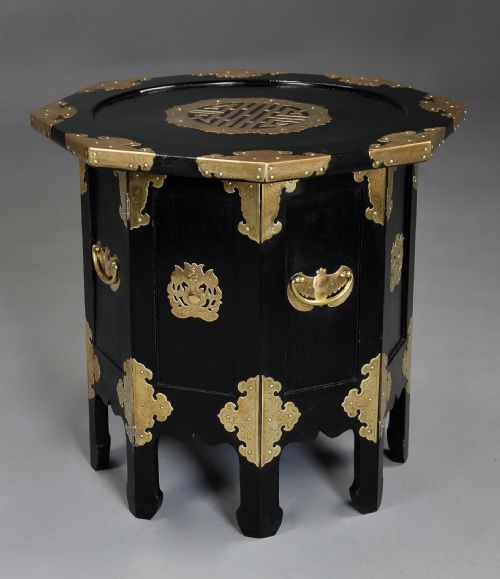
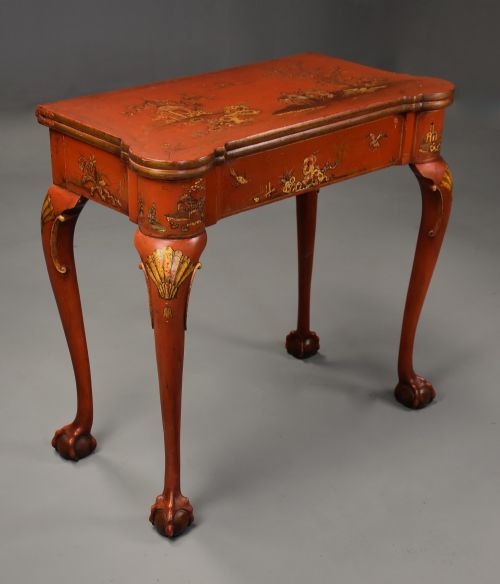
Chinoiserie designs, Japanese elements, and English interpretations dominate the forms, alongside Indian and Burmese examples in varied wooden constructions.
How They Were Made
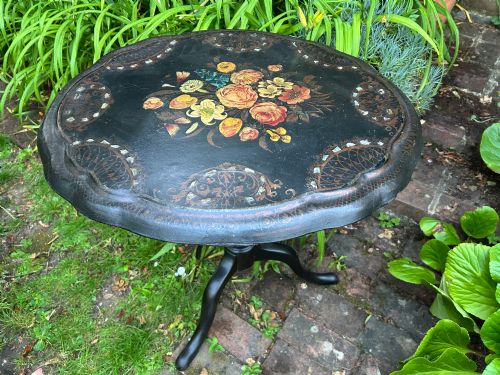
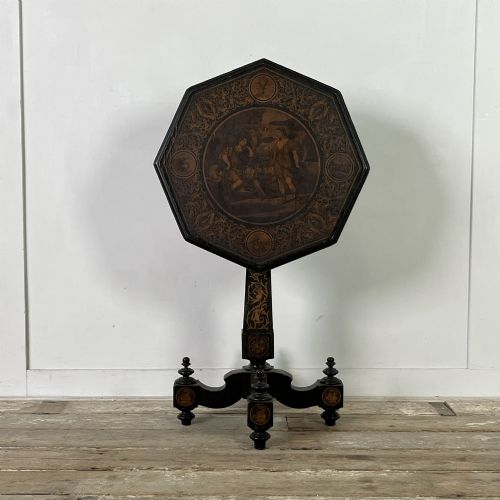
Craftsmen built these tables using wood, elm, and papier-mâché as a foundation, shaping surfaces into tilt tops, trays, and octagonal forms.
Makers applied layers of lacquer, paint, and black or red finishes, often incorporating gold leaf, parcel gilt, and ink work to build pictorial motifs.
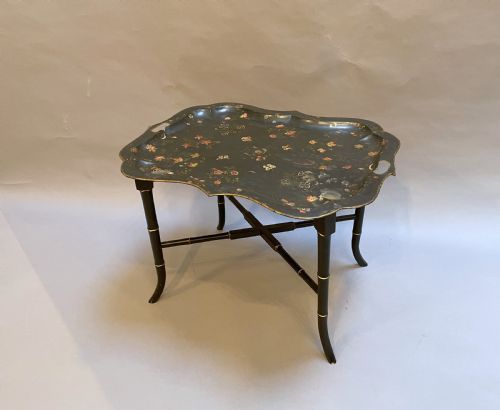
Some examples combine structural elements like bamboo or brass with painted trays, while others utilise integrated stands and folding bases.
Lacquer Tea Table Retail Price Guide 2026
Typical asking prices for lacquer tea table among the pieces listed under this phrase on Sellingantiques today, from the lower quarter to the upper quarter. They describe what is for sale here now, not the wider market.
Several tea tables started life as portable serving trays before finding permanent retirement on custom wooden stands.
What Varies in Quality
The crispness of the painted detail and the depth of the lacquer surface distinguish finer works from simpler commercial productions.
Construction methods dictate durability, seen in the stability of tilt-top mechanisms, the joinery of occasional frames, and the fit of trays on stands.
The integrity of the decorative scheme, whether hand-painted Chinoiserie landscapes or intricate gold leaf application, defines the visual success of the piece.
Jennens & Bettridge·Henry Clay
The Lacquer Tea Table Glossary
- Chinoiserie
- European decorative style reflecting Chinese artistic traditions. It appears frequently on lacquer furniture through painted landscapes and figures.
- Papier-mâché
- Composite material made from paper pulp and binding agents. Pressed trays formed from this material provide smooth surfaces for black lacquer finishes.
- Tilt top
- Table top mounted on a hinge mechanism that allows it to pivot vertically. This design enabled tables to stand against walls when not in use.
- Toleware
- Painted and lacquered metalware used for trays and decorative objects. These items frequently found new life mounted on wooden stands.
- Parcel gilt
- Partial application of gold leaf to highlight specific carved or painted details. It creates contrast against black or red lacquered grounds.
Lacquer Tea Table: Frequently Asked Questions
How do I use a lacquer tea table today?
These tables function well as low coffee tables, bedside surfaces, or display stands for lamps and decorative objects. Their portable tray forms allow for flexible placement across living spaces.
Keep them away from direct heat sources and moisture to protect the delicate lacquer surfaces during daily use.
What is a tray table?
A tray table consists of a removable serving tray resting upon a folding or fixed wooden stand. This dual construction allowed servants to carry tea before mounting the tray for service.
Many surviving examples pair 19th-century papier-mâché trays with later custom-built stands.
How do I distinguish Victorian from Edwardian pieces?
Victorian examples often employ heavy papier-mâché with dense floral painting and mother-of-pearl inlay. Edwardian pieces lean towards lighter Chinoiserie motifs on wooden occasional and coffee tables.
Form and materials generally align with the manufacturing preferences of their respective decades.