



Kurdish Wool Carpet
A Kurdish wool carpet brings dense tribal patterns and enduring pile into a room, offering tactile depth and historic character.
Kurdish Wool Carpet
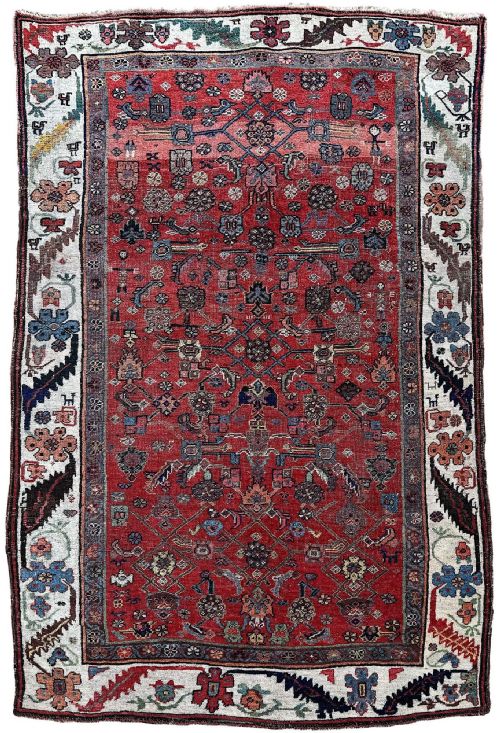
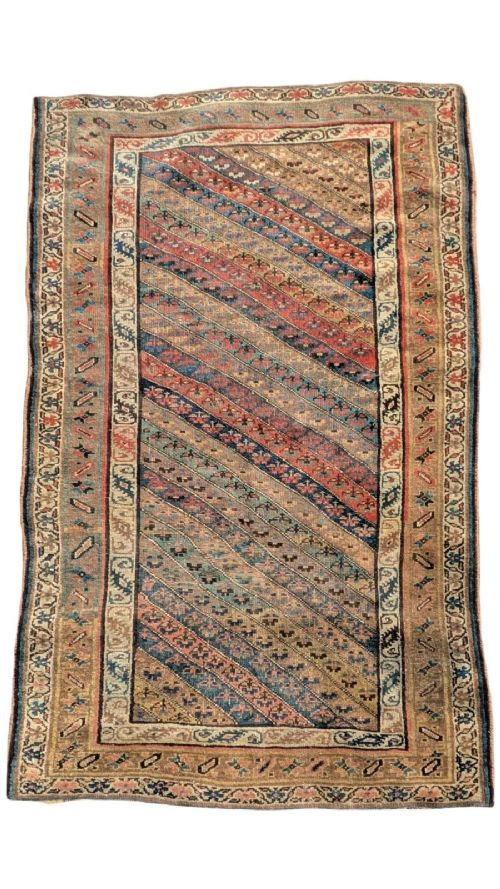
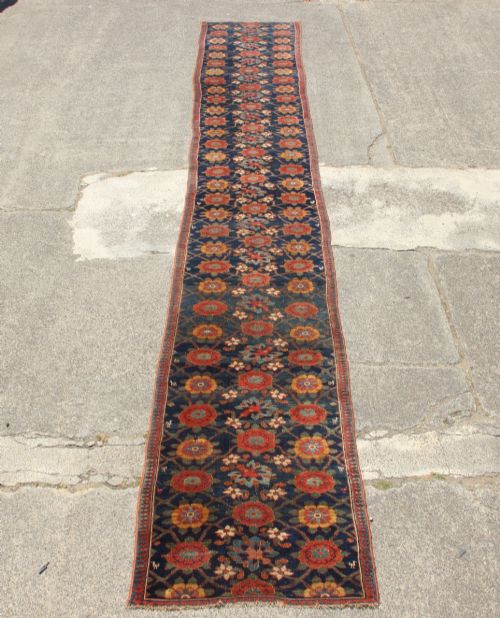
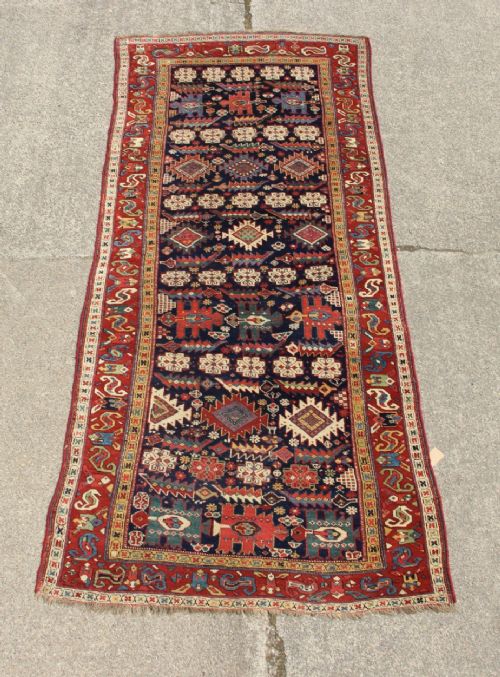
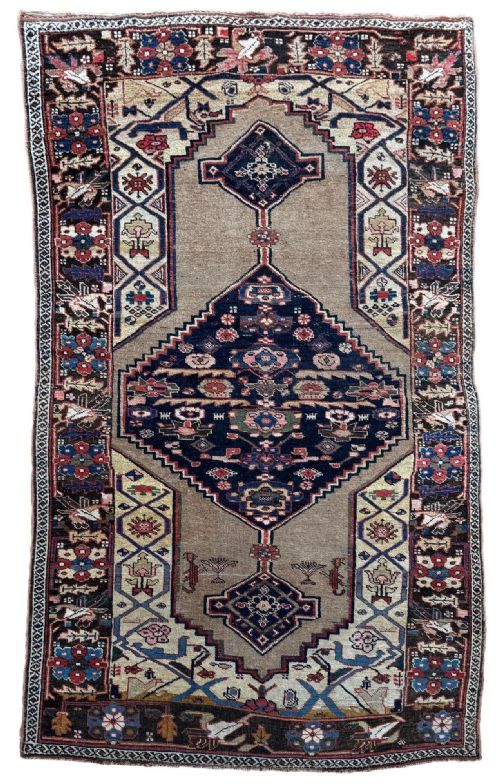
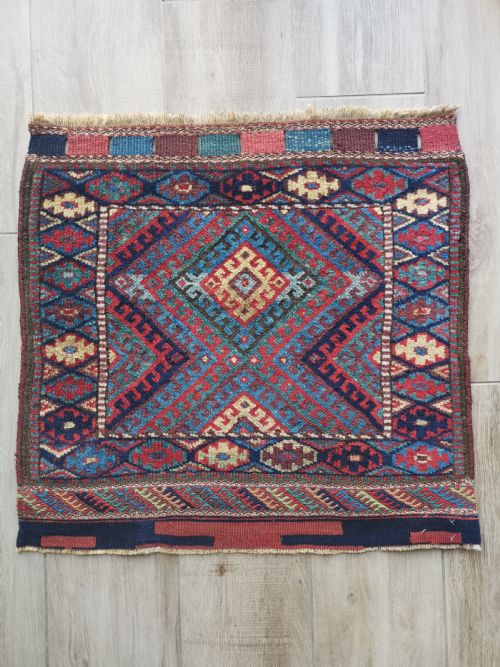
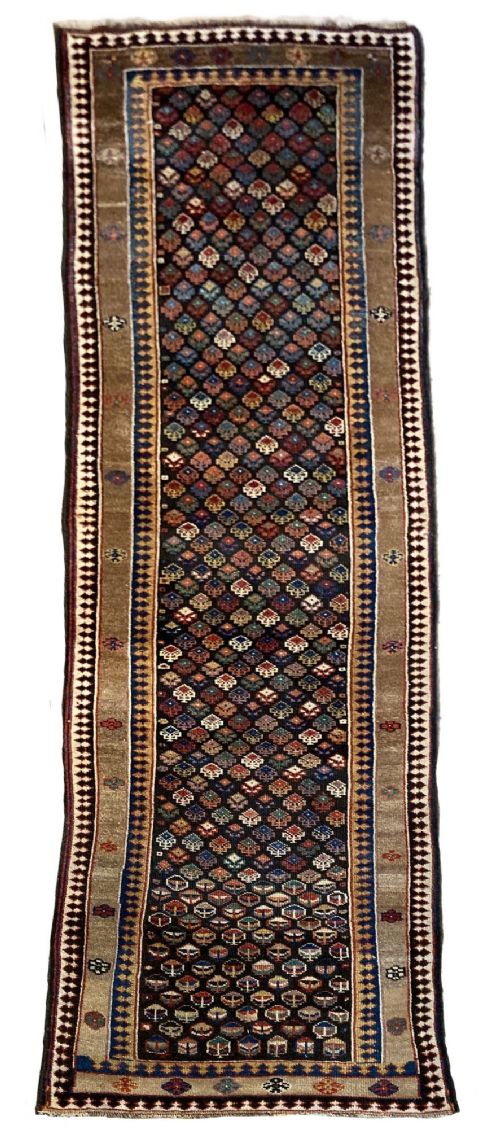
When you search for a Kurdish wool carpet, you encounter woven textiles originating from tribal and regional groups across Western Persia, Anatolia, and the Caucasus. These pieces encompass various formats, ranging from compact bagfaces and square rugs to extensive hallway runners and large kelleh carpets.
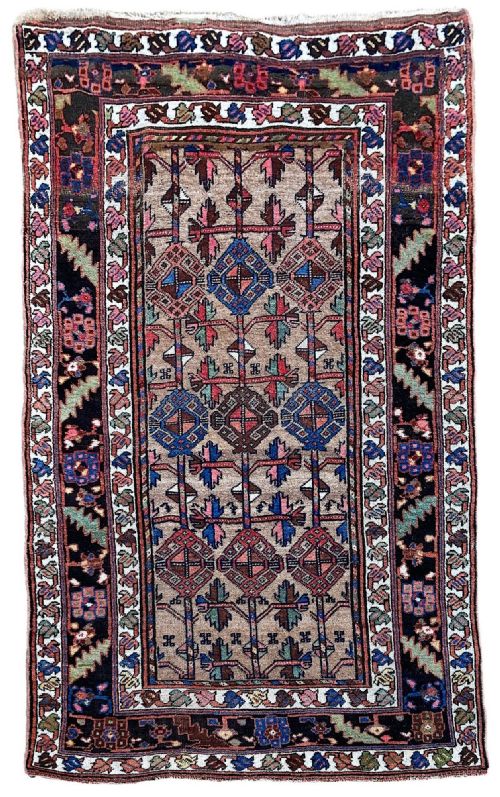
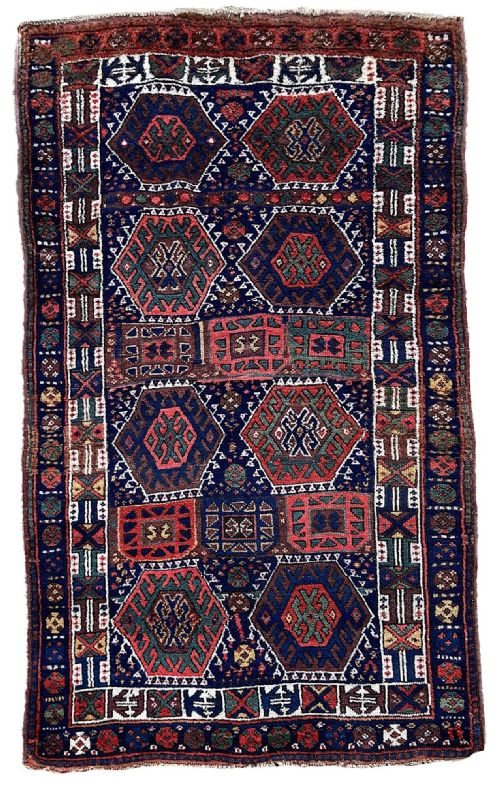
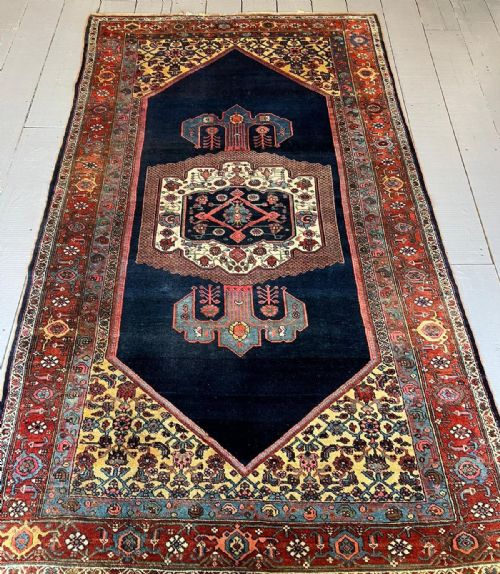
The selections on this page predominantly date from the nineteenth and early twentieth centuries, reflecting traditional village and nomadic weaving practices. Formats include specific regional variations such as Bidjar, Senneh, Hamadan, and Jaf productions, each displaying distinct geometric or floral layouts.
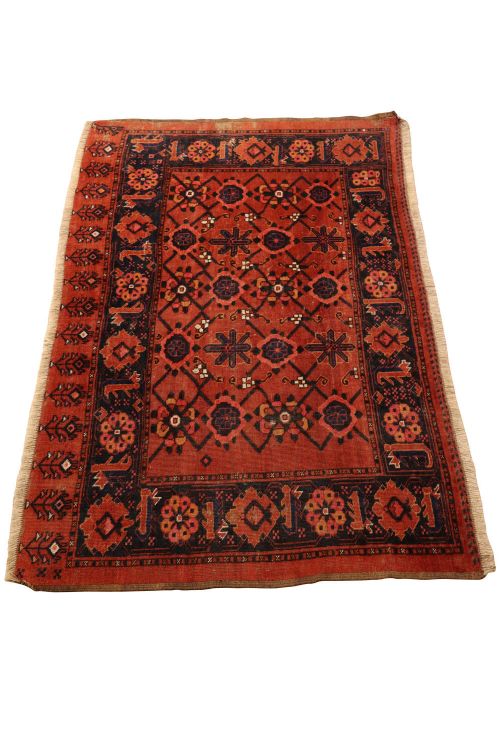
Buyers most frequently meet room-size carpets, long narrow runners, and smaller scatter rugs bearing traditional tribal motifs. These textiles serve both functional floor coverings and decorative focal points, shaped by the cultural heritage of Kurdish weavers.
How they were made
These floor coverings utilise hand-spun wool for the pile, providing a dense and resilient surface that withstands heavy foot traffic. Cotton foundations frequently support the structure in specific regional types, adding stability to the denser weaves.
Weavers employ natural dyes to colour the wool, resulting in rich palettes that mature gracefully over decades. Hand-knotting techniques secure the pile firmly to the warp and weft threads, creating the durable structures seen in traditional tribal pieces.
Listings span production dates from the mid-nineteenth century through the early twentieth century, utilising hand-spun wool and natural dyes.
What varies in quality
Knot density and structural tightness set finer examples apart from coarser tribal work, influencing how sharply defined the geometric motifs appear. Tightly packed foundations ensure the carpet lies flat and resists distortion over time.
The depth and vibrancy of natural dyes contribute significantly to a piece's visual standing, with varied dye saturation creating dynamic surface movement. Intricacy of design execution and the preservation of original wool pile further distinguish superior specimens.
The Kurdish Wool Carpet Glossary
- Kelleh
- A large format rectangular carpet, typically longer than it is wide, often used in traditional reception rooms.
- Runner
- A long, narrow carpet format designed specifically for hallways, corridors, or narrow passageways.
- Bagface
- The front panel of a utilitarian tribal storage bag, woven with decorative patterns and preserved as a small decorative mat.
- Gul
- A medallion or repeating octagonal motif frequently utilised in tribal and nomadic textile designs.
- Warp
- The vertical threads stretched lengthwise on the loom that form the structural foundation of the carpet.
Kurdish Wool Carpet: Frequently Asked Questions
Where were these carpets made?
These textiles originate from weaving communities across Western Persia, the Caucasus, and parts of Anatolia. Nomadic and village tribes produced them using regional motifs passed down through generations.
Specific weaving centres such as Bidjar, Senneh, and Hamadan contributed distinct stylistic variations while maintaining foundational Kurdish traditions.
How do I care for a wool carpet?
Regular gentle vacuuming without a rotating brush roll helps remove embedded dust and prevents fibre damage. Professional cleaning by specialists in antique textiles ensures the wool and natural dyes remain protected.
Keeping the carpet out of direct, harsh sunlight prevents premature fading of the natural colour palette over time.
What is a Kelleh carpet?
A Kelleh is a specific large rectangular format that is longer than a standard room-size rug. These proportions suited the traditional architectural layouts of Persian and regional homes.
They function effectively as substantial floor anchors in larger reception spaces or long living areas.
How do I distinguish regional styles?
Regional types reveal themselves through specific structural traits and drawing characteristics. Bidjar pieces often display exceptionally dense structures, while Senneh examples tend toward finer, lighter weaves with intricate field patterns.
Tribal pieces like Jaf or Hamadan variants present more expressive, geometric layouts reflecting nomadic aesthetics.