






Kurdish Medallion Carpet
These heavy, characterful floor coverings anchor a room with generations of tribal warmth.
Kurdish Medallion Carpet
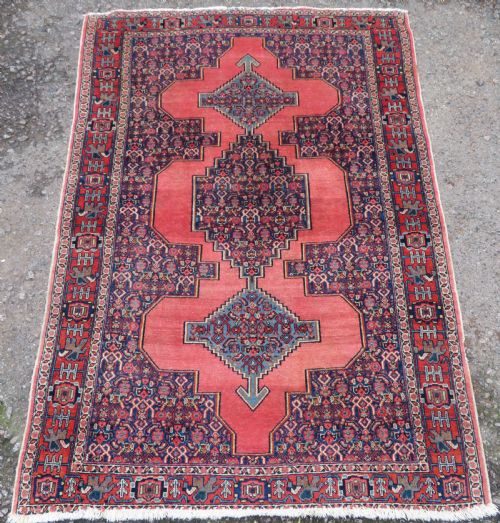
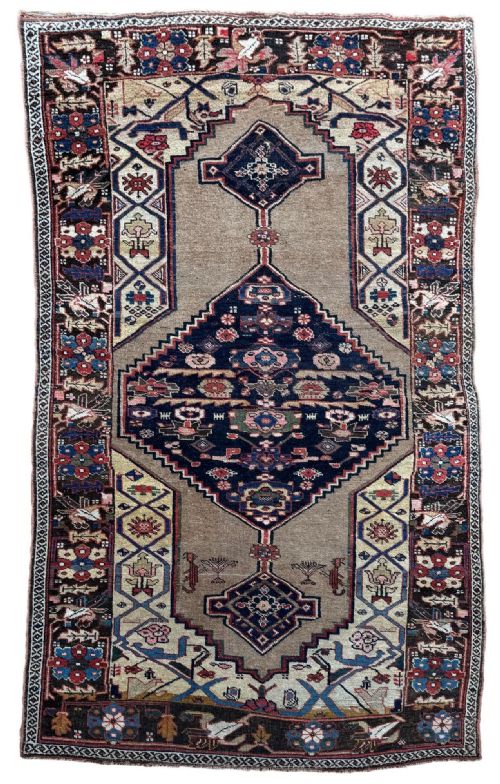
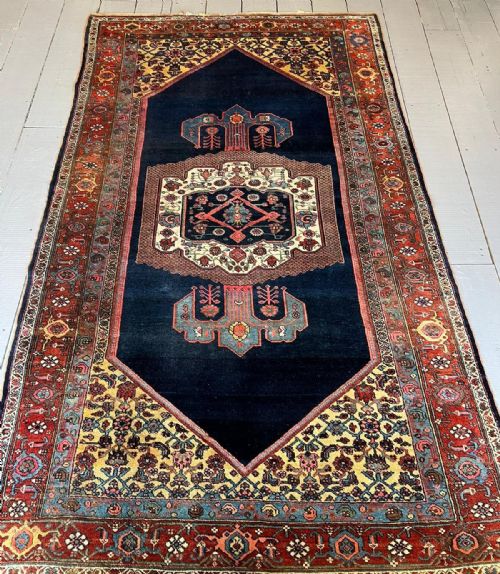
A Kurdish medallion carpet brings dense tribal geometry and rich wool pile into domestic interiors, originating primarily from village and nomadic workshops across West Persia, Kurdistan, and Eastern Anatolia. When searching for a kurdish medallion carpet, buyers frequently encounter formats ranging from smaller area rugs and long runner rugs to substantial carpets woven during the late nineteenth and early twentieth centuries.
The regional variety spans specific weaving centres such as Bidjar, Senneh, Hamadan, and Quchan, each contributing distinct motifs like Memlinc-type guls, latch-hook medallions, and linked geometric arrangements. These textiles reflect centuries of nomadic weaving traditions adapted to village life, resulting in durable floor coverings that suit both traditional and modern spaces.
Materials and construction
Weavers constructed these carpets using sturdy wool and hand-spun wool piled onto cotton or wool foundations, ensuring a resilient structure capable of withstanding heavy daily use. The application of durable knotting techniques produced a dense, heavy pile that allowed intricate geometric medallion designs and stylized animal or plant motifs to retain their definition over generations.
Natural dyeing methods provided the deep indigo, madder red, and earthy secondary tones seen across these pieces, which mellow gracefully with age. The combination of local materials and traditional loom work accounts for the characteristic weight and longevity of these village and tribal textiles.
Kurdish Medallion Carpet Retail Price Guide 2026
Typical asking prices for kurdish medallion carpet among the pieces listed under this phrase on Sellingantiques today, from the lower quarter to the upper quarter. They describe what is for sale here now, not the wider market.
Certain narrow runners preserve tiny stylized birds perched on trees, bringing a touch of quiet wildlife into the geometric discipline.
Evaluating quality and execution
The distinction between standard examples and superior ones rests on the density of the knotting, the precision of the geometric layout, and the clarity of the medallion work. Finer pieces demonstrate exceptional handling of hand-spun wool, yielding a supple handle and a crispness in the drawing of latch-hooks and secondary motifs.
Colour saturation and the variety of secondary hues also dictate the standing of an individual piece, with complex, well-balanced dye palettes elevating the visual depth. Greater care in the preparation of materials separates master village weavers from routine commercial production.
The Kurdish Medallion Carpet Glossary
- Gul
- An octagonal or medallion-like motif frequently repeated across tribal carpets. These octagons often hold specific tribal or regional identification.
- Kelleh
- A large format rectangular carpet, typically longer than standard area rugs but narrower than room-sized carpets. These pieces suit gallery spaces and hallways.
- Bidjar
- A West Persian town renowned for heavy, tightly knotted rugs with robust wool foundations. They earned the moniker of the iron rugs of Persia.
- Senneh
- A weaving origin in West Persia known for fine village rugs and flat-woven kilims. They frequently display delicate Herati patterns or distinct diamond medallions.
Kurdish Medallion Carpet: Frequently Asked Questions
How do I care for a tribal carpet?
Vacuum gently without using a rotating brush roll to protect the historic wool pile from unnecessary friction.
Keep the piece out of direct, prolonged sunlight to preserve the natural plant and insect dyes used by the original weavers.
Where were these carpets made?
These floor coverings originate from village and nomadic workshops across West Persia, Kurdistan, and Eastern Anatolia.
Specific production centres include Bidjar, Senneh, Hamadan, Quchan, and the Chahar Mahal Valley.
What is a runner rug used for?
Runners provide durable, decorative flooring for narrow spaces such as corridors, hallways, and stair landings.
Their elongated rectangular proportions were designed specifically to fit high-traffic transit areas in traditional homes.
How do I date an antique rug?
Dating relies on stylistic markers, structural analysis of the foundation materials, and the types of dyes utilised.
Pieces from the nineteenth century often display distinct hand-spun wool textures and vegetable dye variations compared to later works.